
Standardized Migration Test Methods for Food Contact Polymers
Verify polymer food contact via standardized simulant exposure, specific migration quantification, NIAS screening, and lot-matched ISO 17025 test dossiers.
Verify polymer food contact via standardized simulant exposure, specific migration quantification, NIAS screening, and lot-matched ISO 17025 test dossiers.

Quantifying unidentified polyolefin oligomer risk requires fractionating extracts, applying Cramer Class III toxicological thresholds, and validating migration.

Screening recycled polyolefins for non-intentionally added substances pairs high-resolution mass spectrometry with toxicological thresholds below ten parts per billion.

Decontamination efficiency testing verifies recycled resin safety by measuring surrogate chemical removal yields against strict regulatory dietary exposure limits.

Algorithmic baseline choices alter polyolefin oligomer migration results by 300 percent, demanding fixed integration rules in technical purchasing agreements.
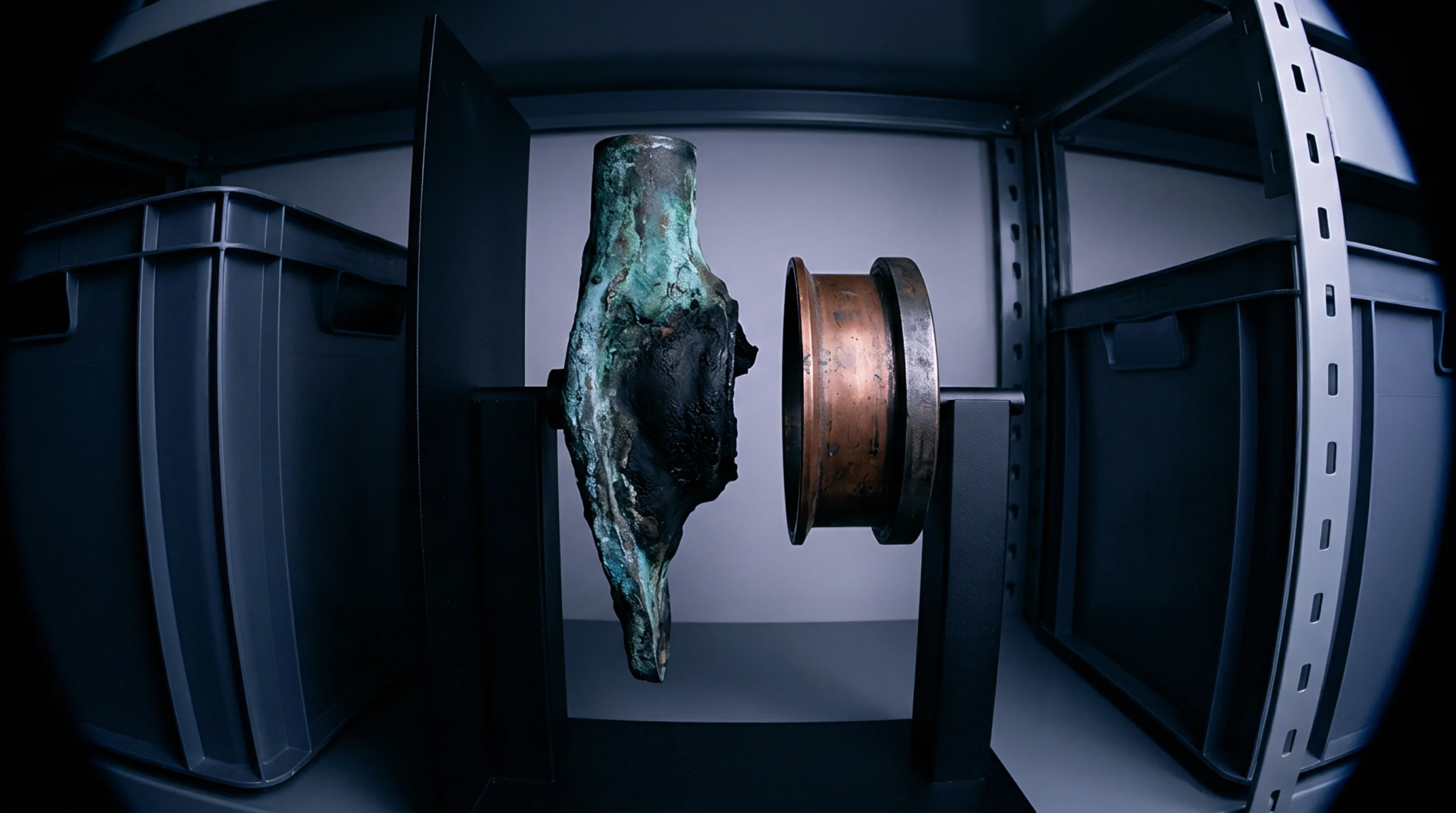
Chromatographic fractionation on silver and alumina phases isolates polyolefin oligomers to prevent false MOSH rejections in food contact packaging audits.

Polyolefin hydrocarbon oligomers require matrix blank subtraction and two-dimensional chromatography to distinguish polymer fractions from mineral oil.

Spectroscopic markers crack into unrecoverable fragments inside radiant coils, destroying physical verification chains and invalidating mass balance claims.

Verify refinery mass balance allocations against actual measured cracker yield vectors and rigorous battery-limit heteroatom testing to ensure compliance.
Expertise is a utility, not a secret. sentiention™ publishes its working knowledge as open reference: intelligence layer covering the materials it sources, the markets it enters, and the reference that serves both.