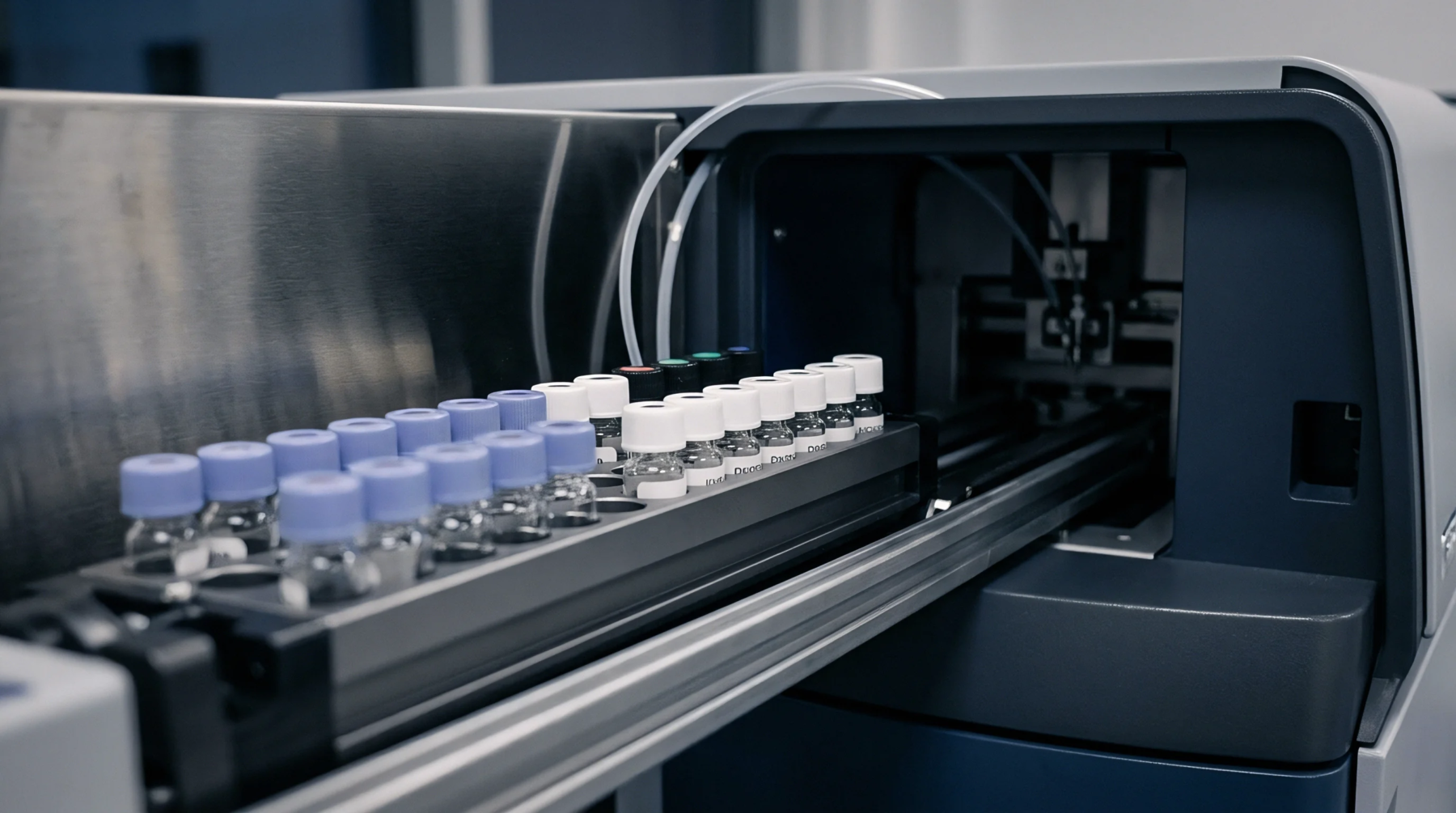
Analytical Limits in Verifying Chemical Recycling Content
Chemical recycling yields monomers identical to virgin fossil feedstocks, shifting compliance proof from chemical testing to mass balance auditing.
Chemical recycling yields monomers identical to virgin fossil feedstocks, shifting compliance proof from chemical testing to mass balance auditing.

Severe low-mass elastomer baseline humps elevate GC-MS screening limits, masking toxic migrants and rendering standard compliance declarations legally invalid.

SVHC thresholds apply to each individual article within a subassembly, requiring mass calculations based on discrete components rather than total unit weight.

Determining component article thresholds demands isolating discrete plastic subparts before calculating substance weight percentages against individual component mass.

Auditing Chinese GB polypropylene migration reports demands matching lot paperwork, verifying CMA seals, and confirming simulant parameters under GB 31604.1.

Non-compliant food packaging detentions in China escalate financial exposure through progressive demurrage, mandatory testing fees, and cargo destruction costs.

Chinese food contact compliance requires verified laboratory migration reports matching exact resin lots and explicit declarations of restricted substances.

Relative response factors in LC-HRMS recyclate screening vary by up to two orders of magnitude, requiring calibrated multi-surrogate matrices for batch release.

Lower bound relative response factors prevent toxic migrant under-reporting by applying fifth-percentile sensitivity divisors to polyolefin screening limits.

Non-targeted screening of polyolefins requires multi-surrogate relative response calibration to prevent order-of-magnitude underreporting of migrants.

Molded micro-elastomer screening demands simulant testing matched to high surface-to-volume ratios to detect shear-driven degradation and blooming risks.

Untargeted mass spectrometry screening of recycled polymer degradation requires 0.4 Da isolation windows and toxicological cutoffs down to 0.01 µg/g.

Micro-scale polymer additive isolation requires microtomed extraction and high-resolution chromatography to verify declarations and prevent border seizures.

High resolution mass spectrometry screening for non-intentionally added substances suffers from response factor errors and variable ionization suppression.

EU packaging rules accept mass-balanced chemical recycling only under strict site boundaries with fuel-use deductions and complete documentary audit trails.
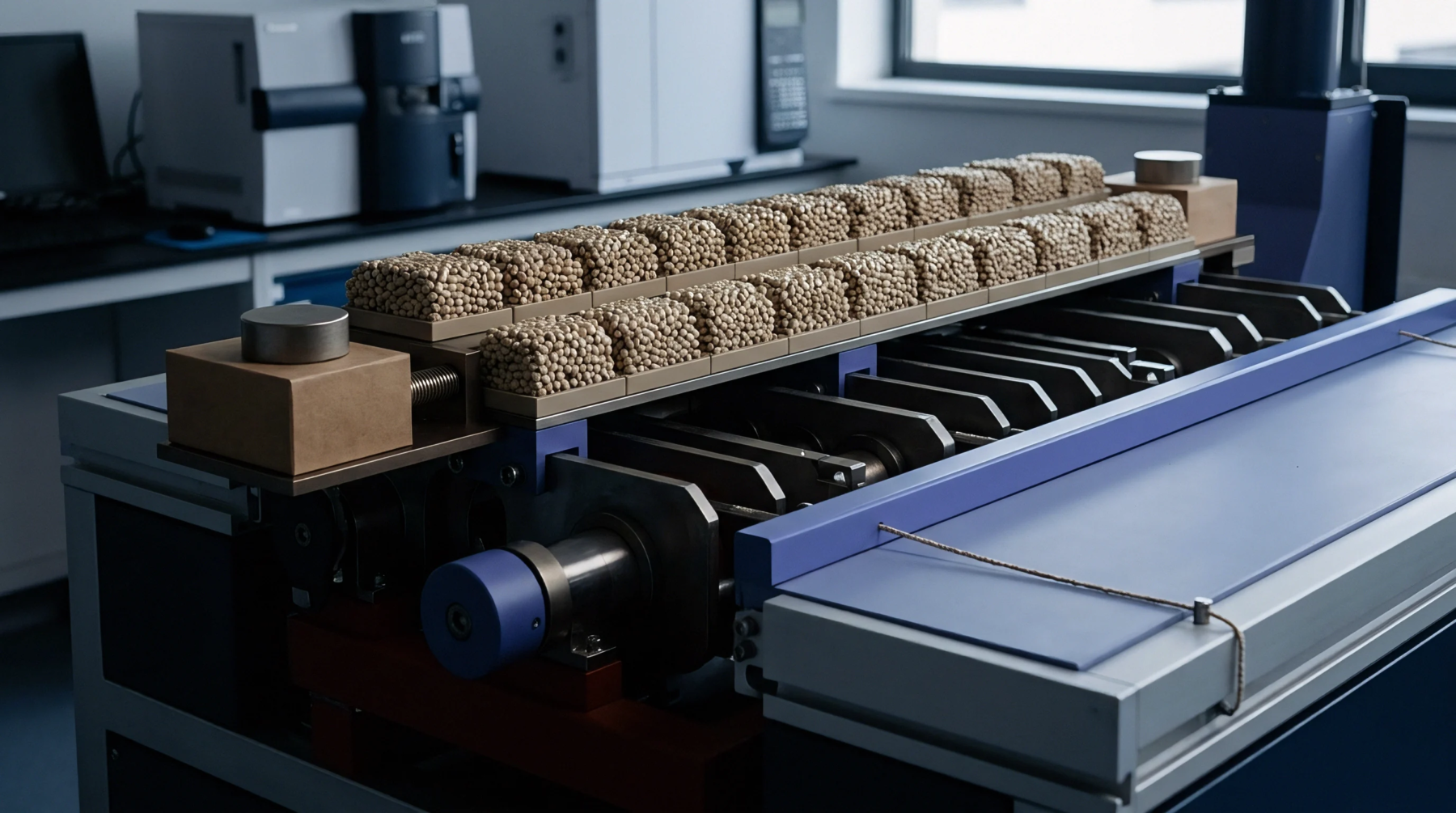
Verify chemically recycled polymers via mass balance audit files, as steam cracking renders circular and virgin fossil hydrocarbons analytically identical.

High-resolution GC and LC workflows detect and semi-quantify unknown migrants in recycled polyolefins against toxicological thresholds to ensure food-contact compliance.

Matrix ion suppression masks unknown oligomeric migrants in fatty simulants, inflating true quantification limits and invalidating conformity declarations.

Structural identification of recycled packaging NIAS requires high-resolution mass spectrometry, accurate mass matching, and TTC risk characterization.

PET cyclic oligomer compliance requires finished article LC-MS testing in Simulant D1 and a verified toxicological defense below 0.05 mg/kg food migration.

Mathematical extrapolation of high-temperature partitioning parameters breaks down above polymer phase transition thresholds, requiring direct porous simulant empirical validation.
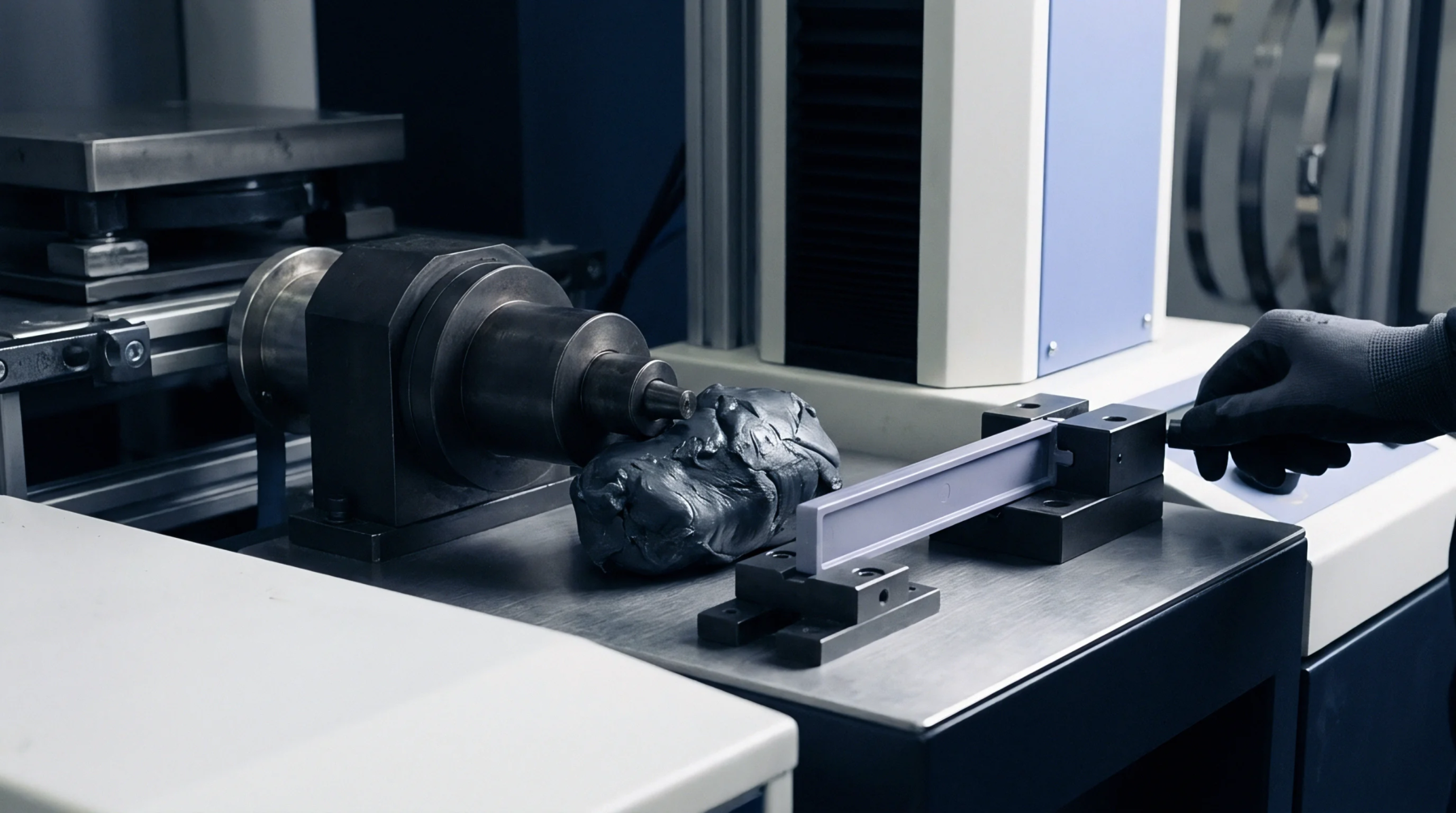
Mathematical diffusion modeling provides legally accepted migration screening for polyolefins when conservative Piringer parameters exceed real-world release.

Calibrating high-temperature food contact requires pressure-cell extraction in vegetable oil or Tenax to prevent phase-change model invalidation.
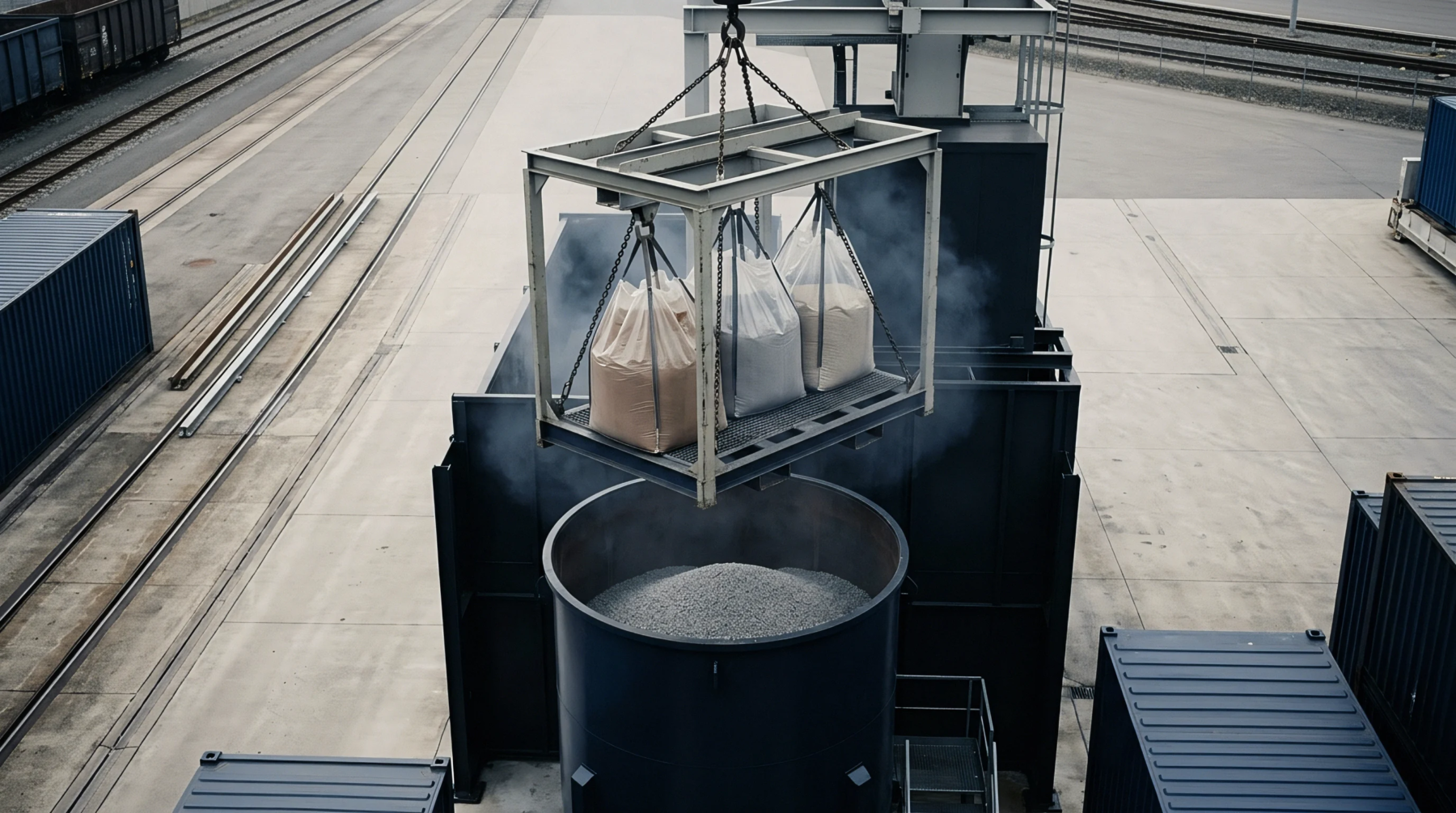
Quantifying cyclic PET oligomers in food simulants demands LC-MS/MS or HRMS to measure specific migration against toxicological threshold limits.
Charged aerosol detection method validation requires power-law calibration models and volatile mobile phases to ensure accurate migrant quantification.

Dynamic freight heat spikes reaching 60 °C accelerate high weight oligomer diffusion, requiring LC-QTOF-MS testing beyond standard OM2 compliance conditions.

Vacuum decontamination strips challenge surrogates, but thermal reformation during conversion releases volatile NIAS that accumulate dangerously in sealed packaging.

Recycled polyolefin food contact compliance demands verified decontamination challenge testing, targeted specific migration analysis, and lot-specific declarations.

Equatorial container shipping elevates internal hold temperatures to 65°C, accelerating plasticizer diffusion coefficients up to 74-fold and demanding high-temperature migration testing to prevent border rejections.

Analytical verification demands testing finished containers against true fill ratios with validated simulants to prove overall and specific limits under law.
Expertise is a utility, not a secret. sentiention™ publishes its working knowledge as open reference: intelligence layer covering the materials it sources, the markets it enters, and the reference that serves both.