Meaning
This regulation establishes the general safety requirements for materials and articles intended to come into contact with foodstuffs within the Chinese market. The gb 4806 1 2016 standard mandates that all products undergo testing to prevent the migration of harmful substances into food products. It defines the responsibilities for manufacturers, processors, and traders regarding the safety and quality of food contact materials.
The framework prohibits the addition of substances that may endanger human health or cause unacceptable changes to the food composition. This document dictates the criteria for raw material selection, manufacturing controls, and the labeling of finished items. It applies to polymers, plastics, and various chemical additives used in the production of packaging, kitchenware, and storage containers meant for human consumption.
Regulatory Compliance
Manufacturers verify adherence to this standard by performing specific migration tests under defined time and temperature conditions that simulate real usage environments. A gb 4806 1 2016 certification requires that the plastic resin maintains purity levels during the transition from virgin pellets to a final moulded part. Moulders control the processing temperature and injection pressure to prevent thermal degradation of the material, which creates volatile organic compounds or extractable residues.
Testing confirms that the material composition stays below specified migration limits during the production cycle. Variations in regrind usage change the chemical profile of the plastic, so processors often restrict the amount of recycled content to ensure the safety values remain within the prescribed threshold. A datasheet provided by a resin supplier defines the theoretical chemical resistance, but the actual performance of the final component depends on the physical integrity of the part after the moulding process.
Material Validation
Performance testing confirms whether a specific polymer meets the safety benchmarks required for food contact safety. Labs assess the total migration of non-volatile substances using food simulants that replicate contact with aqueous, acidic, or fatty foods. The gb 4806 1 2016 evaluation focuses on identifying additives that leach out of the matrix when the polymer encounters heat or solvent stress.
Material specifications differ from part specifications because a raw plastic might pass initial tests while the final product fails due to poor machine settings that induce excessive shear or improper cooling. Tooling design influences the outcome, as trapped air or improper venting leads to localized burning of the resin, which changes the migration properties of the affected surface area. Manufacturers maintain strict controls over every ingredient to ensure the finished assembly contains only permitted chemicals.
Production Integrity
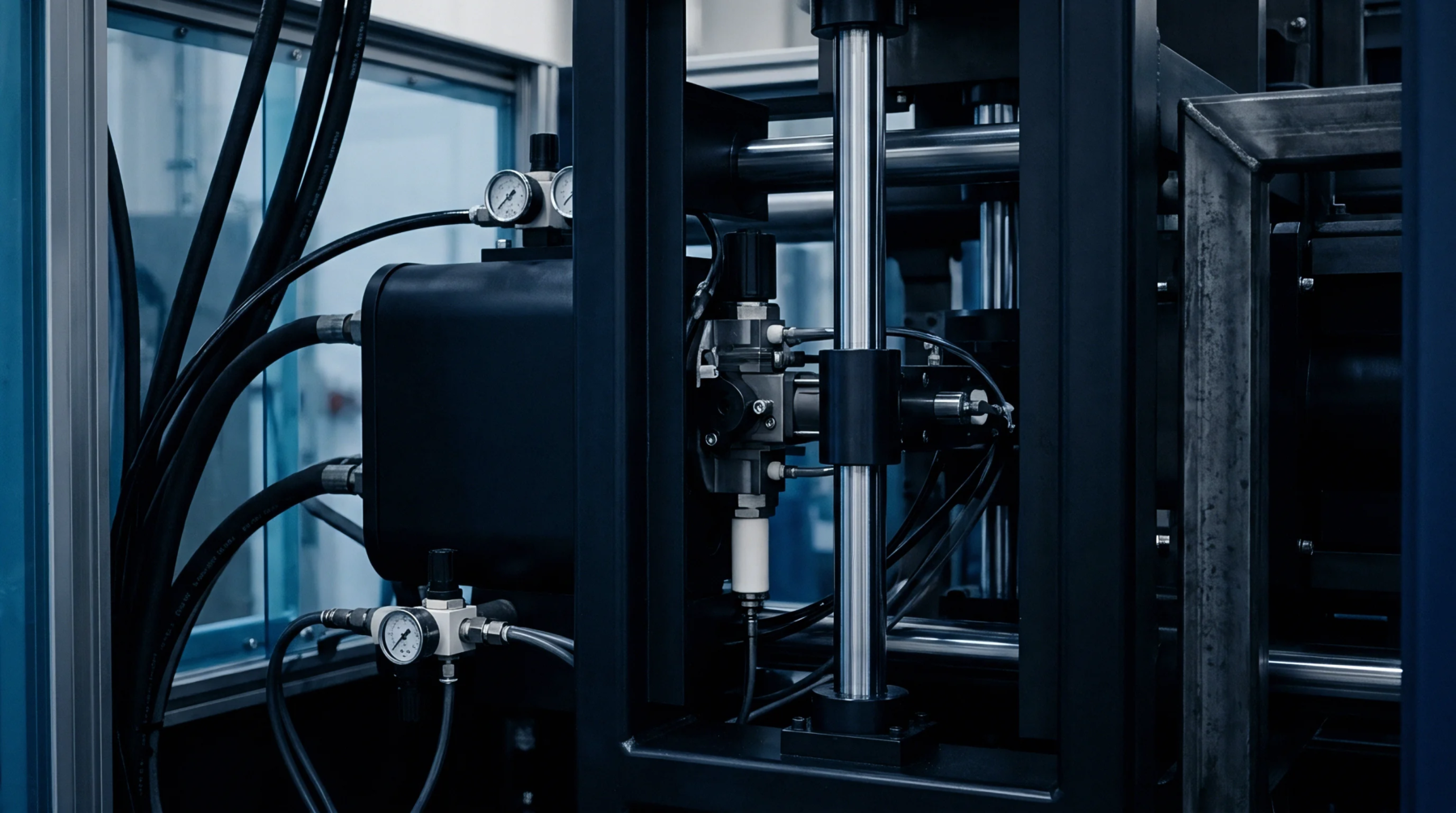
Process variables during injection moulding influence the final chemical safety profile of the container. A machine operator monitors the melt temperature, as overheating the polymer triggers molecular chain scission, which increases the amount of leachable monomers. This condition alters the chemical stability of the plastic, making it difficult to maintain the values set by the technical documentation.
Consistent clamping force and cycle times provide stable parts with low surface porosity, reducing the exposure of the material to food contents. These parameters safeguard the structural integrity of the plastic and ensure that the finished item does not release hazardous substances during everyday use. Standardized protocols for handling materials during production minimize the risk of contamination from external sources.
The chemical safety of food contact parts depends on the precision of the manufacturing process applied to the chosen resin.