Analytical Limits in Verifying Chemical Recycling Content
Chemical recycling yields monomers identical to virgin fossil feedstocks, shifting compliance proof from chemical testing to mass balance auditing.

Feedstock

Isotope Discrimination across Thermal Cracking Streams
Analytical verification of chemically recycled content breaks on the chemical equivalence of the resulting monomers. Thermal pyrolysis, catalytic conversion, and gasification crack polymer chains into olefins, aromatics, and synthesis gas indistinguishable from fossil naphtha derivatives. Conventional spectroscopic methods including Fourier-transform infrared spectroscopy and nuclear magnetic resonance yield identical spectral fingerprints for high-density polyethylene synthesized from steam-cracked pyrolysis oil versus virgin fossil petroleum.
Radiocarbon analysis under ASTM D6866 differentiates biogenic inputs by measuring carbon-fourteen activity. Carbon-fourteen decays with a half-life of 5,730 years, leaving fossil feedstocks completely depleted of the isotope. Post-consumer mixed polyolefin waste originates almost entirely from ancient fossil reserves, registering an identical zero-percent modern carbon fraction.
The carbon-twelve and carbon-thirteen ratios provide no operational resolution between recycled post-consumer waste inputs and virgin petroleum fractions.
Stable isotope ratio mass spectrometry tracks subtle variations in delta-carbon-thirteen and delta-deuterium induced by thermodynamic fractionation during processing. Pyrolysis plants crack mixed polyolefins between 450 and 700 degrees Celsius. These elevated thermal regimes induce kinetic isotope fractionation, causing light isotopes to concentrate preferentially in the overhead gaseous fraction while heavier isotopes accumulate in the heavier condensates and char.
The isotopic shift remains within the natural variation observed across global crude oil geological formations. Crude oils from the North Sea, the Permian Basin, and the Middle East exhibit natural delta-carbon-thirteen baselines spanning minus twenty-two to minus thirty-four per mil against the Vienna Pee Dee Belemnite standard. The isotopic fractionation imparted during waste plastic cracking falls directly inside this geographic variance envelope, completely obscuring chemical origin.
Post-consumer fossil plastic waste registers an identical zero-percent modern carbon baseline under ASTM D6866, rendering radiocarbon analysis blind to chemical recycling.
Laboratory chemists evaluate stable isotope mass balance across the chemical crack. Olefin synthesis units blend up to ten percent crude pyrolysis oil directly into the virgin naphtha steam cracker furnace feed. Dilution eliminates physical marker signals.
Secondary processing steps such as hydrotreating saturate double bonds, remove sulfur compounds, and denature residual heteroatom traces. The hydrogen added during hydrotreating introduces an exogenous deuterium signal that further disconnects the end polymer from the isotopic baseline of the incoming sorted bale. No bench method isolates the exact origin of a carbon atom once thermal depolymerization breaks the original polymer spine.
Pyrolysis oil quality specifications under European Standard EN 17924 define strict operational thresholds for contaminants before cracked oil enters the furnace. High levels of halogens, nitrogen, and oxygenated species poison hydrotreating and polymerization catalysts. The resulting processing requirements force chemical recyclers to dilute or deeply purify their cracked oils, stripping away trace chemical markers that might distinguish recycled feedstocks from virgin fossil cuts.

Marker

Synthetic Tagging in Continuous Polymerization Loops
Physical tracing relies on synthetic markers added during post-consumer waste preparation or chemical breakdown. Fluorescent dyes, encapsulated synthetic oligonucleotides, and isotopically modified tracer compounds survive specific stages of material handling. Organic chemical tags decompose inside the aggressive thermal environments required for depolymerization.
Thermal pyrolysis reactors break down synthetic molecules into generic hydrocarbon fragments, gasifying distinct molecular configurations before polymerization occurs. Inorganic tracers such as rare-earth elemental complexes resist extreme heat. These refractory oxides accumulate in the pyrolytic char or deposit across the surfaces of hydroprocessing guard beds, failing to carry through the volatile overhead stream into the final polymer cut.
Synthetic oligonucleotides encapsulated inside nanoscale silica spheres provide distinct identification tags within mechanical recycling streams. These markers endure temperatures up to 280 degrees Celsius during twin-screw compounding. Inside chemical depolymerization reactors exceeding 500 degrees Celsius, silica matrices melt, crack, and vaporize, exposing the nucleic acid sequences to rapid thermal lysis.
The resulting fragments enter the fluid catalytic cracking regeneration unit or hydrotreater waste purge, removing the readable identification sequences.
Low-temperature chemical breakdown processes such as glycolysis, methanolysis, and alkaline hydrolysis of polyethylene terephthalate preserve molecular markers more reliably. Glycolysis breaks the ester backbone down to bis(2-hydroxyethyl) terephthalate at operating temperatures between 180 and 240 degrees Celsius. Monomer purification involves vacuum distillation, dissolution crystallization, and active carbon adsorption.
Adsorption beds clean the intermediate monomer by stripping high-molecular-weight colorants and trace chemicals. The very processing steps required to return the monomer to prime food-contact purity clean out the tracking markers.
| Tracer Chemistry | Depolymerization Route | Reactor Temperature Range | Survival Mechanism | Detection Limit |
|---|---|---|---|---|
| Encapsulated Oligonucleotides | Polyolefin Pyrolysis | 450 to 600 °C | None (Thermal Lysis) | Not detectable post-reaction |
| Rare Earth Element Chelates | Catalytic Cracking | 480 to 550 °C | Phase Partitioning to Char | 0.05 mg/kg by ICP-MS |
| Deuterated Terephthalate | Polyester Glycolysis | 190 to 220 °C | Monomer Integration | 50 mg/kg by 2H-NMR |
| Fluorescent Stilbenes | Polyamide Solvolysis | 200 to 260 °C | Sorbate Stripping Loss | 0.10 mg/kg by HPLC-FLD |
Artificial chemical markers added downstream during granulate extrusion can verify identity, but they do not confirm that the polymer chain was produced via chemical breakdown. Adding synthetic additives to standard fossil plastic pellets yields identical spectroscopic responses. Trace additives cannot prove that the carbon backbone formed inside a certified chemical recycling facility.
The operational cost of continuous physical tagging adds significant friction to virgin polymer supply lines. Adding rare-earth marker packages costs upwards of forty dollars per metric ton of virgin polyolefin, creating severe commercial resistance across petrochemical processors operating on tight margin spreads.


Furnace

Pyrolysis Oil Hydrotreatment and Dilution Dynamics
Crude pyrolysis oil extracted from mixed packaging bales carries chemical impurities that cause severe corrosion and fouling inside conventional steam cracking furnaces. Polyvinyl chloride packaging generates organic chlorides. Chlorinated paraffins, fire retardants, and polyurethane residues introduce organic chlorine, bromine, and nitrogen.
Polyolefin steam crackers enforce strict feedstock limits: maximum five milligrams per kilogram of organic chlorine, maximum one milligram per kilogram of oxygenates, and heavy metal concentrations below two hundred micrograms per kilogram. Furnace operators inject hydrotreated pyrolysis oil as an extreme dilution stream, mixing it with virgin fossil naphtha at volumetric ratios between one and five percent to prevent rapid coking of radiant coils.
This aggressive dilution eliminates the signal of non-intentionally added substances that indicate chemical recycling origins. Gas chromatography coupled with high-resolution mass spectrometry identifies distinct cyclic hydrocarbons, branched alkenes, and nitrogenous species within neat post-consumer pyrolysis oil. At five percent inclusion inside a standard petroleum naphtha cut, concentration profiles of specific pyrolysis marker molecules drop below the parts-per-billion limit of detection.
Hydroprocessing units operate under fifty to one hundred bar of hydrogen pressure across nickel-molybdenum or cobalt-molybdenum catalysts. This hydrotreatment converts olefins to saturated alkanes, hydrodenitrogenates pyridines to ammonia and light alkanes, and strips organic chlorides as hydrochloric acid gas. The purified pyrolysis output mirrors the chemical profile of standard paraffinic petroleum naphtha.
A standard supply contract specifying mass balance claims leaves the physical container carrying zero recycled molecules whenever co-processing facilities optimize production around operational yields.
Thermal cracking chemistry introduces distinct molecular transformations across the hydrocarbon distribution:
- Conjugated Dienes cause gumming across compressor stages and react away under catalytic hydrogenation at 200 degrees Celsius.
- Heteroatomic Polar Species containing nitrogen, sulfur, and chlorine decompose inside guard beds into inorganic salts.
- Branched Isoparaffins crack into smaller alkanes indistinguishable from standard atmospheric gas-oil fractions.
- Polycyclic Aromatics undergo hydrogen ring saturation to yield naphthenes identical to virgin petroleum cuts.
Downstream resin converters receive high-density polyethylene or polypropylene pellets produced from these co-processed cracker runs. The pellets pass all primary qualification checks for melt flow rate, density, and tensile strength. A testing laboratory running differential scanning calorimetry, gel permeation chromatography, or headspace gas chromatography finds no variance between these resins and prime virgin grades.
Monomer re-synthesis erases processing history. The analytical chemist cannot confirm or refute the presence of recycled carbon in the finished plastic pelleted inventory.
The purchaser relying on chemical characterization cannot differentiate a resin batch derived from ten percent pyrolysis co-processing from a hundred percent virgin petroleum run. The physical substance confirms purity, while the recycled content claim remains entirely absent from the laboratory data.

Tally

Mass Balance Chain of Custody Accounting Limits
Mass balance bookkeeping under standards like ISCC PLUS and REDcert2 substitutes physical analytical confirmation with documented site reconciliation. Bookkeeping schemes track input volumes of waste-derived oil through chemical transformations using conversion factors and allocation models. Credit transfer rules determine how many kilograms of chemical recycling content an operator assigns to a sales grade.
Petrochemical production utilizes free attribution, rolling average attribution, or fuel exclusion schemes. Free attribution allows cracker operators to direct all recycled credits from an entire multi-week cracking run into a single high-margin polymer batch, labeling the output as hundred-percent chemically recycled despite the base resin running on identical, predominantly virgin molecules.
The chemical processing of one hundred metric tons of crude pyrolysis oil inside an integrated cracker illustrates this allocation spread. Steam crackers generate a range of co-products along with the target ethylene and propylene streams. Pyrolysis oil yields light cracker gas, ethylene, propylene, butadiene, aromatics, pyrolysis gasoline, and heavy fuel oil residue.
In standard operational balances, target light olefins represent forty to sixty percent of output mass. The remaining fractions run into fuel streams or industrial aromatics. Fuel-exempt allocation rules force processors to subtract the energy-use fraction before assigning mass balance credits to polymers.
Chemical producers face diverse market rules across jurisdictions, causing widespread divergence between declared sustainability documentation and the underlying mass conversions.
| Chemical Stream Output | Mass Fraction Yield | Physical Mass Produced | Allocatable Polyolefin Credit | Fuel Deduction Status |
|---|---|---|---|---|
| Ethylene | 0.31 | 31.0 Metric Tons | 31.0 Metric Tons Polyethylene | Feedstock Eligible |
| Propylene | 0.16 | 16.0 Metric Tons | 16.0 Metric Tons Polypropylene | Feedstock Eligible |
| Butadiene and C4 Cut | 0.09 | 9.0 Metric Tons | 0.0 Metric Tons (Elastomers) | Excluded from Polyolefins |
| Pyrolysis Gasoline | 0.28 | 28.0 Metric Tons | 0.0 Metric Tons (BTX or Fuel) | Standard Fuel Exemption |
| Methane and Tail Gas | 0.12 | 12.0 Metric Tons | 0.0 Metric Tons (Plant Fuel) | Internal Energy Deduct |
| Heavy Residue and Coke | 0.04 | 4.0 Metric Tons | 0.0 Metric Tons (Loss/Residue) | System Process Loss |
Document auditors review credit ledgers within designated reconciliation windows, which typically span three to twelve calendar months. A petrochemical complex deposits waste credits in January and transfers them against polymer resins produced in November. This creates a complete temporal and physical break between the actual cracking of post-consumer waste and the extrusion of the commercial plastic resin.
The declaration of conformity lists mass balance certificates while the physical material remains virgin fossil hydrocarbons.
Mass balance allocation functions through administrative ledger verification rather than material analysis. The auditor verifies mass conversion equations, invoice reconciliation, and inventory tracking without running physical bench validations.

Leach
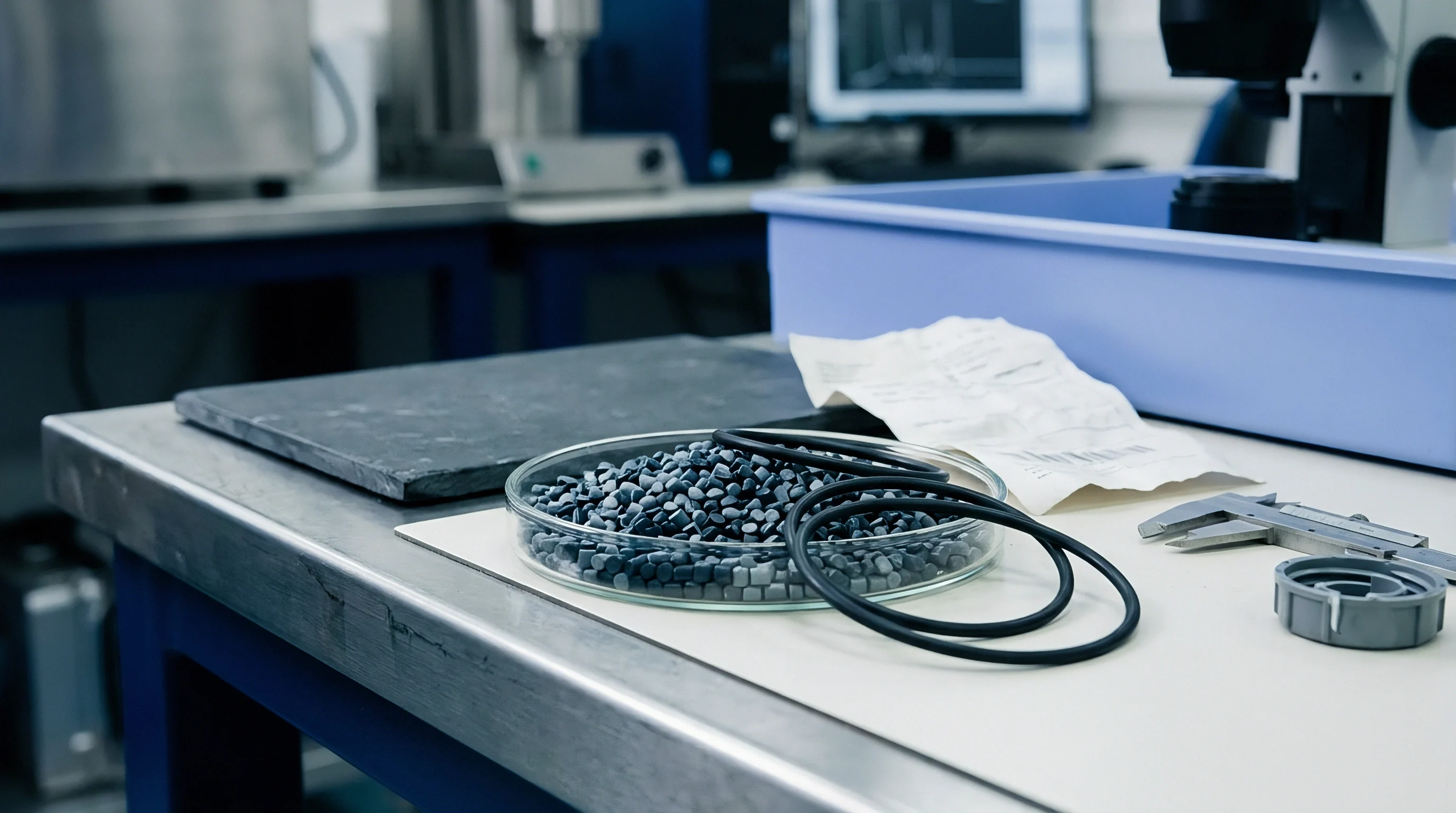
Can Testing Identify Non-Intentionally Added Substances?
Non-intentionally added substances provide a secondary line of inquiry for analytical chemists assessing recycled food-contact plastics. Mechanically recycled plastics often carry legacy additives, printing ink degradation byproducts, and secondary oxidation contaminants. Post-consumer waste inputs that pass through high-temperature depolymerization, distillation, and catalytic hydrotreating see most legacy contaminants destroyed or stripped.
Trace contaminants slip through distillation cut-offs and survive into finished resins, creating detectable migration signals under sensitive analytical conditions. Gas chromatography and liquid chromatography coupled to quadrupole time-of-flight mass spectrometry screen for these trace compounds.
Screening tests target common chemical impurities linked to pyrolysis oils:
- Aromatic Amines carry carcinogenic risks and originate from polyurethane contamination inside sorted plastic waste bales.
- Short-Chain Chlorinated Paraffins survive partial depolymerization and carry strict notification limits under persistent organic pollutant rules.
- Oxygenated Monomer Impurities such as alkylphenols form during thermal decomposition of hindered phenol antioxidants.
- Heterocyclic Volatiles including substituted pyridines and quinolines introduce distinct sensory off-odors at parts-per-billion concentrations.
Migration testing under European Union Regulation 10/2011 challenges food packaging using specified simulants and temperature profiles. A high-density polyethylene container tested for ten days at sixty degrees Celsius in food simulant D2, which uses vegetable oil, reveals migrating species via gas chromatography-mass spectrometry. Non-intentionally added substances must clear toxicological safety evaluations under Article 19 of the regulation.
These trace migrants appear irregularly at low concentrations, making them unsuitable for content verification. Their presence indicates contaminated feedstocks or sub-optimal hydrotreating rather than confirming an exact level of recycled content.
Migration limits for non-intentionally added substances below ten micrograms per kilogram force recyclers to optimize cleaning, which systematically strips the trace chemicals needed for analytical identification.
Trace chemical signals vary widely based on changes in municipal waste sorting, seasonal collection habits, and cracker operating conditions. One production run exhibits trace methyl-pyridine residues at eight micrograms per kilogram, while the following run shows zero detectable signal. An analytical chemist cannot use an irregular contaminant profile to certify the quantitative recycled content percentage of a shipment.
Converters evaluate these trace migrations to prevent off-flavor taints in packaged water and dairy foods. Contaminant detection proves the existence of process variations, but it cannot deliver legal proof of recycled content claims to an enforcement authority.

Levy

Packaging Taxes and Customs Enforcement Vulnerabilities
Plastics packaging taxes across Europe expose the vulnerability of unverified chemical recycling claims. The United Kingdom Plastic Packaging Tax charges two hundred and seventeen pounds and eighty-five pence per metric ton on finished plastic packaging containing less than thirty percent recycled material. The European Union plastic packaging levy extracts an un-recycled packaging waste contribution of eight hundred euros per metric ton directly from member state budgets.
National implementations, such as the Spanish Special Tax on Non-Reusable Plastic Packaging, charge four hundred and fifty euros per metric ton. These statutes demand legal proof of recycled material composition from packaging manufacturers and importers.
Tax authorities inspect import declarations and supporting compliance dossiers. Importers claiming tax-exempt chemical recycling status present third-party mass balance chain-of-custody certificates. Customs laboratories testing physical shipments cannot verify whether an imported film grade contains forty percent chemically recycled polyethylene or runs on virgin fossil resin.
The laboratory report returns pure polyethylene properties. If customs officials choose to challenge an exemption claim, the burden of proof relies entirely on paper documentation, certificate chains, and supplier audit records. The physical shipment cannot prove its own exemption.
The gap between analytical reality and legal documentation exposes packaging importers to significant commercial liabilities:
- Retroactive Tax Reassessments apply if an upstream mass balance certificate is invalidated during an administrative audit.
- Secondary Customs Seizures occur when supporting declaration chains fail to trace credits to accredited transformation sites.
- Document Fraud Penalties trigger significant civil and criminal fines when attributed green credits exceed physical facility yields.
- Packaging Levy Surcharges increase landed packaging costs by hundreds of euros per ton upon sudden loss of certified status.
When mass balance accounting rules conflict across international borders, customs handling complicates rapidly. If an importing jurisdiction rejects free attribution or requires fuel-exempt calculations that the originating plant skipped, the entire certificate chain fails legal review. The importer faces retroactive tax demands and fines, while analytical tests on the shelf goods confirm only standard material compliance.
Tax compliance ultimately rests on the validity of the paper documentation trail. The moment an administrative audit breaks the certificate chain, the importer loses their legal defense, facing compounding tax liabilities without physical testing to support their position.

Audit

Reconciliation Windows and Scope Verification in Dossiers
Regulatory safety rests on the compliance dossier supporting the packaging article. Declaration auditors evaluate documentation structures supporting recycled claims under standards including ISO 22095 and certification frameworks like ISCC PLUS. The primary vulnerability in chemical recycling dossiers lies within the declaration scope.
Certificates generated by petrochemical producers verify that an equivalent mass of sustainable feedstock entered the production site. They do not certify that the resin shipped under a specific purchase order carries those attributes. The auditor checks the delivery docket, the batch release certificate, and the specific sustainability declaration matching the bill of lading.
Auditors review the accounting reconciliation period. A facility running under an annual reconciliation window accumulates credits across low-demand periods and expends them across short, intense processing intervals. Traceability dossiers must verify that credits were not double-counted across overlapping regulatory programs.
A mass balance credit allocated to fulfill the United Kingdom Plastic Packaging Tax cannot be applied simultaneously against European Union packaging targets or national renewable fuel quotas.
| Document Type | Required Scope Information | Verification Mechanism | Primary Risk Factor |
|---|---|---|---|
| ISCC PLUS Sustainability Declaration | Site address, certificate number, raw material category, GHG scope | Cross-reference against active registry database | Expired certificate or suspended supplier site |
| Delivery Note / Bill of Lading | Clear sustainability claim, certificate match, physical batch code | Physical alignment check at incoming receipt | Missing mass balance statement on physical dispatch docket |
| Credit Reconciliation Summary | Mass balance period, input feedstock volumes, yield deductions | Third-party surveillance audit report | Temporal credit expiration past standard reconciliation |
| Food Contact Compliance File | EU 10/2011 screening, NIAS risk assessment, migration tests | Accredited laboratory report review | Omission of non-intentionally added substances screening |
Auditing procedures require rigorous tracking back through the chain of custody:
- Certificate Registry Check verifies that the converter, broker, and base resin producer hold active accreditations without current suspensions.
- Physical Delivery Reconciliation matches the weight noted on delivery dockets with sustainability credit allocations noted on the declaration.
- Yield Factor Assessment checks the baseline conversion assumptions used by the chemical processor to calculate polymer output from crude pyrolysis oil.
- Temporal Window Alignment confirms that the raw material purchase, cracking operation, and resin shipment occurred within the permitted site balance window.
Cross-referencing mass balance claims against real logistics paperwork exposes common compliance gaps. Sourcing teams discover that resin suppliers provide standard virgin polymer declarations of compliance while charging sustainability premiums on separate invoices. An unlinked invoice credit cannot support a regulatory compliance filing.
The declaration of conformity must directly identify the batch, the site-specific mass balance scheme, and the exact certified allocation percentage.
Physical analytics cannot distinguish chemically recycled polymers from virgin fossil grades, leaving regulatory enforcement dependent on paperwork integrity. Sourcing organizations maintain defensible compliance files by replacing laboratory marker expectations with rigorous supply chain documentation, audit trails, and strict mass balance reconciliation.