Chemical Recycling Yield Losses and Attribution Audits in Polyolefin Packaging
Chemical recycling yields in polyolefin packaging require strict mass balance audits deducting fuel losses to prevent tax liabilities and compliance failures.
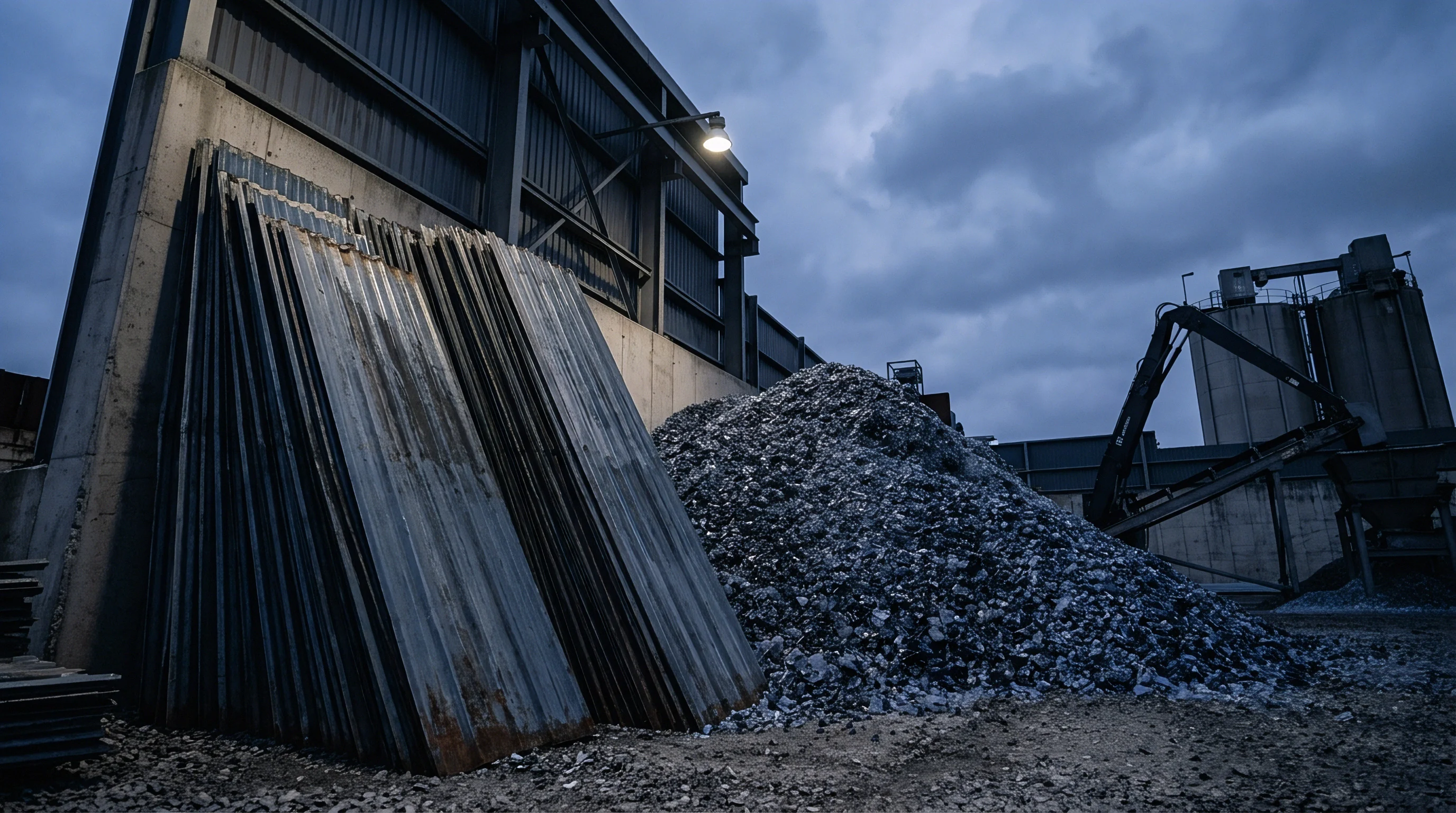
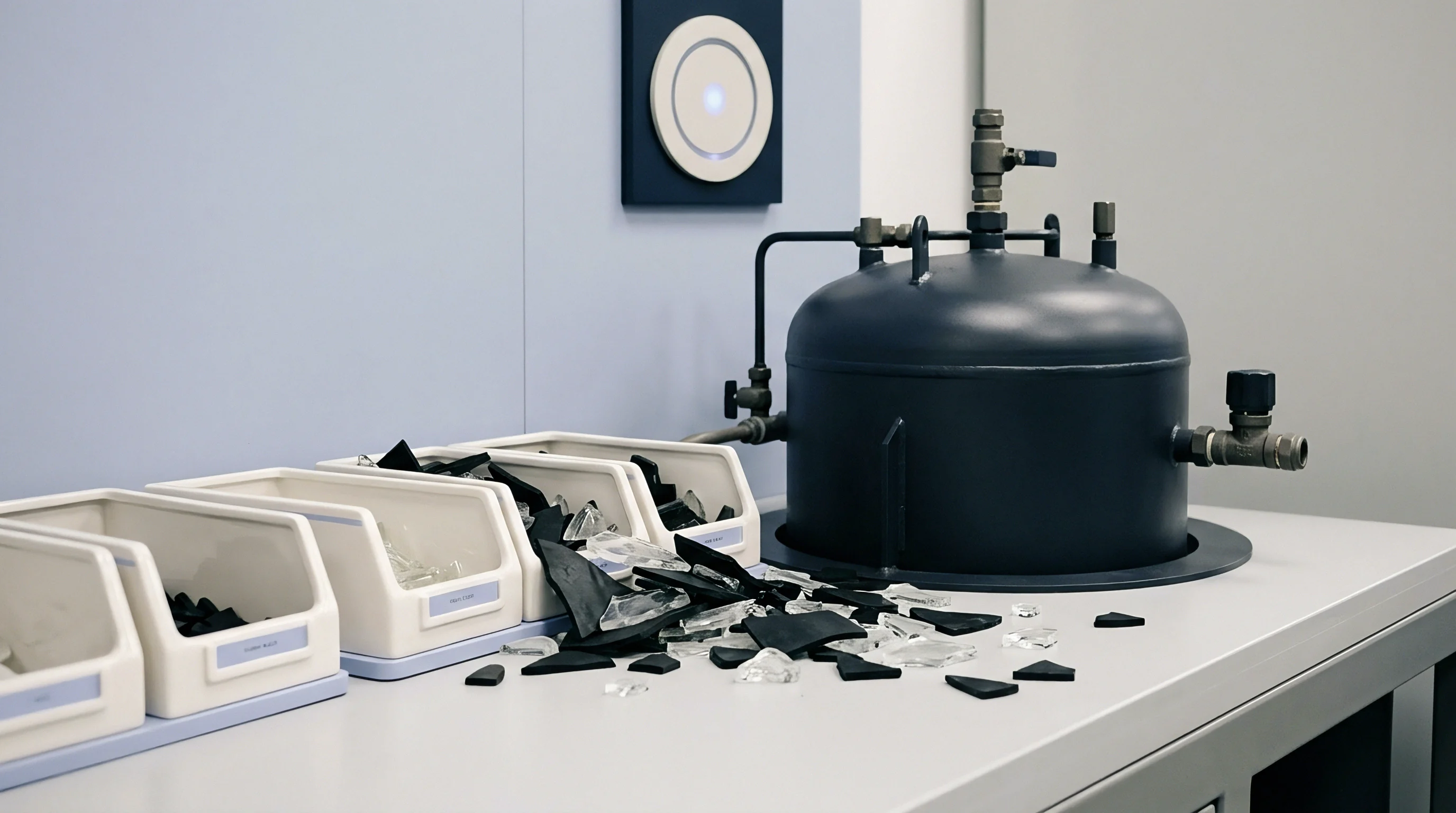
Char
Thermal cracking runs on physical mass balances that laboratory declarations routinely obscure. When post-consumer polyethylene and polypropylene enter a continuous rotary kiln or fluidized bed reactor between 420 and 550 degrees Celsius, macromolecular chains cleave into three distinct phases: condensable liquid hydrocarbons, non-condensable py-gas, and a carbonaceous solid residue. The condensable fraction forms the pyrolysis oil that crackers blend into virgin fossil naphtha pools.
The remaining streams generate process heat or exit as waste. Residue carries a price. Solids foul downstream pipework.
A delivery docket for forty tonnes of chemically recycled resin frequently reflects a book transfer derived from whole-feedstock mass rather than the net polymer-yielding stream. That accounting gap defines the physical yield loss.
Analytical profiling of mixed polyolefin pyrolysis output reveals significant deviation from virgin petrochemical crude. Low-density polyethylene, high-density polyethylene, and polypropylene decompose via random scission and radical recombination. Under inert nitrogen at 450 degrees Celsius, pure polypropylene yields up to eighty-five percent condensable liquid rich in branched olefins and dienes.
Mixed municipal polyolefin bales drop that yield to sixty-two percent. Inert mineral fillers such as calcium carbonate, titanium dioxide pigments, residual moisture, and cellulosic contamination consume thermal energy without yielding condensable hydrocarbons. Mineral filler converts directly to heavy furnace agglomerates.
Steam crackers run hot.
Heavy wax chokes lines. Condenser trains extract high-boiling waxes, consisting of carbon chains from C25 to C50, which solidify below 60 degrees Celsius and require dedicated heat-traced transport piping. If a pyrolysis operator lacks secondary catalytic dewaxing or thermal visbreaking, these paraffinic waxes separate into storage tank bottoms, removing up to fifteen percent of the gross liquid output from the petrochemical supply route.
Downstream petrochemical complexes reject py-oil containing heavy wax fractions because waxes foul preheater tubes and promote premature coking in steam cracker convection zones. The merchant volume shrinks before the refinery gate.
Refinery operators defend these physical reductions by arguing that high solid dropout and gaseous conversion are deliberate operational sacrifices necessary to preserve furnace life and scrub incoming municipal contamination.
Split
Attribution models decide whether yield loss settles on the packaging buyer or remains hidden in refinery ledgers. Mass balance accounting allows petrochemical complexes to co-feed pyrolysis oil alongside virgin fossil naphtha into world-scale steam crackers. The resulting output split divides into ethylene, propylene, butadiene, aromatics, methane fuel gas, and cracker bottoms.
A fundamental commercial dispute centers on how processors allocate the circular property to these output molecules. Polymerisation demands monomer feedstocks of polymer-grade purity, yet crackers convert less than fifty percent of liquid hydrocarbon input into ethylene and propylene.
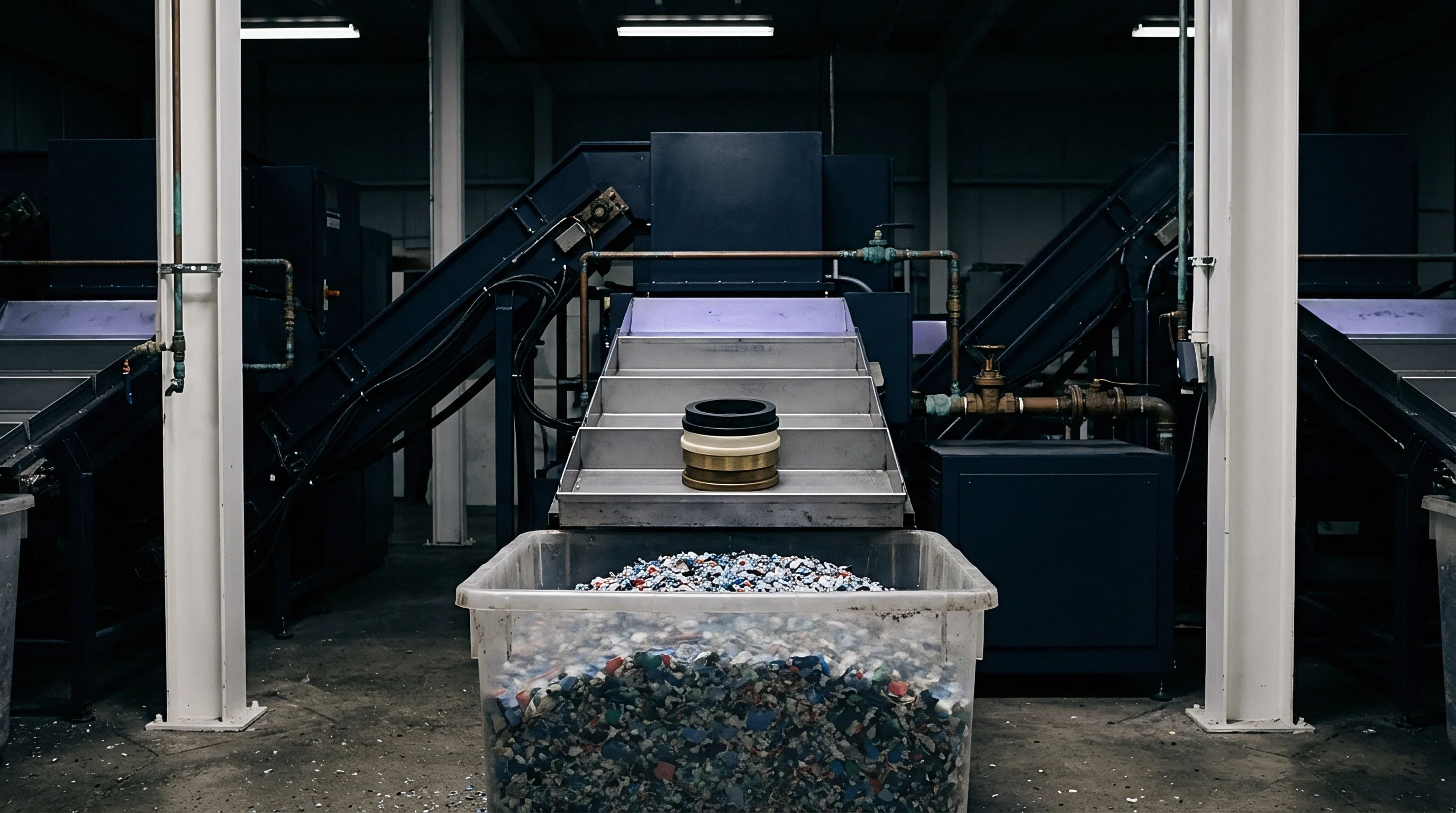
Where Do Feedstock Losses Disappear in Attribution?
Conversion mathematics diverge based on whether attribution follows stoichiometric chemistry or energetic equivalence. Chemical engineers trace mass through balanced chemical reactions, where carbon atoms from recycled polyolefins distribute into both polymer precursors and non-polymer byproducts. In contrast, commercial mass balance standards often permit credit attribution across entire production sites.
Under site-level mass balance without energetic deduction, a petrochemical producer can attribute the entire recycled mass of py-oil to a minute batch of polypropylene packaging resin, while burning the co-produced gases and heavy pyrolysis gasoline in plant utility boilers.
Cracking polyolefins into liquid yields light hydrocarbons that combustion claims before polymerisation starts.
Discrepancies multiply when attribution models omit fuel-use deductions. When pyrolysis oil replaces fossil crude in a steam cracker, roughly eighteen to twenty-five percent of the input mass exits the cracking coils as methane and hydrogen fuel gas. This gas provides fuel to fire the cracker furnaces.
If an attribution scheme allows fuel fractions to retain circular credits, the resin buyer pays a recycled content surcharge on carbon atoms consumed in furnace burners. The physical packaging contains purely virgin petroleum molecules, while the credit ledger marks the batch as circular.
| Attribution Model | Allocation Boundary | Fuel Deduction | Yield Loss Accounting | Resin Premium Risk |
|---|---|---|---|---|
| Free Attribution | Corporate Multi-Site | Excluded | Losses assigned to low-value co-products | Elevated audit disallowance risk |
| Stoichiometric Mass Balance | Single Cracker Unit | Deducted at source | Losses deducted proportionally across output slate | Defensible under regulatory scrutiny |
| Chemical Tracing | Dedicated Processing Run | Physical isolation | Absolute physical loss deduction | Commercial scale constraints |
| Energetic Allocation | Refinery Cluster | Partial lower heating value | Losses absorbed into plant thermal balance | Subject to non-recycled tax penalties |
Regulatory authorities examine the structural boundaries of attribution dossiers with increasing stringency. Three primary documentation mechanisms dictate how suppliers evidence these material allocations:
- Mass balance declarations record the certified volume of circular raw material entered into the cracker against total finished polymers dispatched during the quarterly balancing period.
- Sustainability certificates verify that the processing facility holds valid accreditation under standard certification systems without confirming the physical content of individual resin pellets.
- Chemical yield statements quantify the conversion efficiency of the cracking coils, documenting the volume of pyrolysis oil lost to internal plant fuel systems.
Cracker yields follow furnace temperatures rather than balance-sheet allocations.
Vent
Purge systems remove volatile fractions that cannot polymerise into flexible packaging films. Contaminants present in post-consumer polyolefins compound processing losses through mandatory hydrotreatment and gas purging. Halogens, nitrogen, phosphorus, and silicone species enter pyrolysis reactors from flame retardants, multi-layer barrier laminates, printing inks, and consumer product residues.
Polyvinyl chloride contamination generates hydrochloric acid gas upon heating, demanding caustic neutralization scrubs that remove mass into wastewater salts.
Contaminant Purification and Cracker Efficiency
Chlorinated hydrocarbons in untreated pyrolysis oil poison noble-metal hydrogenation catalysts and corrode downstream fractionation columns. Steam crackers enforce strict raw material limits, setting maximum organic chloride limits at 1 to 5 parts per million and basic nitrogen at 10 parts per million. Untreated municipal polyolefin pyrolysis oil regularly exhibits chloride concentrations between 50 and 450 parts per million, alongside total oxygen contents exceeding 1.2 percent by weight from post-consumer polyethylene terephthalate and ethylene vinyl alcohol packaging contamination.
Eliminating these heteroatoms necessitates hydrodechlorination and deep hydrodeoxygenation before the oil enters the steam cracker furnace.
Pyrolysis conversion of post-consumer polyolefins at 500 degrees Celsius produces an average condensable hydrocarbon yield of seventy-two percent by mass before secondary hydrotreatment.
Yield drops quickly. Hydrotreating runs under hydrogen pressures of 40 to 100 bar and temperatures between 300 and 400 degrees Celsius. In this process, oxygen converts to water vapour, nitrogen to ammonia gas, and sulfur to hydrogen sulfide.
Organic chlorine converts to gaseous hydrogen chloride, venting through off-gas scrubber units. Simultaneously, highly unsaturated diolefins and alkynes undergo saturation, consuming hydrogen and stripping light volatile hydrocarbons into refinery off-gas lines. This pre-treatment step alone causes a physical mass loss of 4 to 9 percent of raw pyrolysis oil mass.
Consider a quantitative conversion balance across an entire processing run for food-grade polypropylene packaging resin. Assume a baseline delivery of 100 metric tonnes of post-consumer mixed polyolefin waste containing 4 percent non-polymer contaminants and 3 percent moisture. Mechanical preparation and shredder sorting discharge 7 tonnes of uncrackable solid scrap.
The remaining 93 tonnes enter an industrial pyrolysis reactor at 480 degrees Celsius.
Pyrolysis conversion yields 68.8 tonnes of condensable liquid hydrocarbons, 16.7 tonnes of non-condensable py-gas routed to plant burners, and 7.5 tonnes of solid carbonaceous char. The 68.8 tonnes of liquid oil undergo catalytic hydrotreatment to satisfy cracker chloride specifications. Hydrotreater off-gas venting and aqueous liquor separation eliminate another 4.8 tonnes of mass, leaving 64.0 tonnes of purified circular naphtha substitute.
This purified stream enters a petrochemical naphtha cracker alongside fossil feedstocks. High-severity steam cracking produces an olefin slate with typical single-pass yields: 31.0 percent ethylene, 16.5 percent propylene, 4.5 percent butadiene, 18.0 percent pyrolysis gasoline, 16.0 percent methane fuel gas, and 14.0 percent heavy fuel oil and ethane recycle. Pyrolysis oil contains olefins.
Propylene constitutes only 10.56 tonnes of the original 100-tonne waste input. Polymerisation into polypropylene resin converts propylene monomer at 98.5 percent efficiency, delivering 10.40 tonnes of circular polypropylene polymer. Impurities concentrate in oil.
Halogens poison platinum catalysts.
| Process Stage | Input Mass (t) | Output Stream | Output Mass (t) | Loss Mechanism |
|---|---|---|---|---|
| Feedstock Intake | 100.0 | Clean Sorted Bales | 93.0 | Moisture, stones, metal rejection |
| Pyrolysis Reactor | 93.0 | Crude Pyrolysis Oil | 68.8 | Char dropout and py-gas fuel generation |
| Hydrotreatment | 68.8 | Treated Synthetic Naphtha | 64.0 | Heteroatom purge, light ends venting |
| Steam Cracking | 64.0 | Polymer-Grade Propylene | 10.56 | Co-product splitting (fuel gas, py-gas, aromatics) |
| Polymerisation | 10.56 | Packaging Resin Pellets | 10.40 | Purge bins, atactic wax dissolution |
| Methods note: Yields reflect mass balance attribution with fuel deduction under single-pass high-severity naphtha cracking conditions. | ||||
Under physical mass balance with energetic deductions, 100 tonnes of post-consumer waste yield approximately 10.4 tonnes of finished polypropylene packaging resin. Free allocation attribution certificates, however, often assign the entire 64.0 tonnes of treated naphtha to polymer credits, ignoring the physical reality that over fifty tonnes exited the cracker as fuel gas, aromatics, or gasoline. What proportion of attributed recycled resin purchased under free attribution corresponds to physical circular molecules rather than displaced fuel gas credits?
Ledger
Attribution audits evaluate bookkeeping boundaries to prevent double-counting across international manufacturing networks. Chain of custody verification for polyolefin packaging relies predominantly on private third-party certification schemes such as ISCC PLUS or REDcert2. These bodies trace sustainability credits from waste collectors through pyrolyzers and crackers to compounders and converters.
Auditors inspect the ledger. A credit ledger operates identically to an escrow financial account: credits enter through documented purchases of certified waste or pyrolysis oil and exit through declarations issued on resin invoices.

Will Regulatory Audits Accept Multi-Site Credit Transfers?
Petrochemical producers operate multi-site balancing regimes that decouple physical manufacturing locations from administrative credit assignments. Under multi-site rules, a multinational resin producer can accept twenty thousand tonnes of pyrolysis oil at a cracker in the Netherlands, absorb that material into industrial fuel oil or ethylene production, and allocate corresponding circular credits to a polypropylene polymerization facility operating in Belgium or Germany. The Belgian plant consumes purely virgin fossil propylene while printing circular certification numbers on packaging resin declarations.
The audit trails reconcile administratively while remaining physically fictional.
Auditors face severe verification challenges regarding credit validity duration and timing mismatches. Standard certification rules permit balancing periods ranging from one calendar month to a full operational year. A manufacturer can take delivery of chemical recycling feedstock in January, consume it within days, and issue outgoing circular packaging declarations eleven months later.
If process yields shift or plant turnarounds occur during the balancing cycle, credit balances outlive physical production runs. Paper claims fail inspection.
A rigorous verification sequence identifies attribution discrepancies across physical supply chains through a structured evaluation process:
- The auditor examines bill of lading records and weighbridge tickets at the pyrolysis intake gate, confirming that delivered volumes correspond to authentic post-consumer polyolefin waste rather than pre-consumer industrial scrap.
- The inspection verifies analytical test certificates for incoming pyrolysis oil batches, checking density, boiling point curves under ASTM D86, and elemental chloride content under ASTM D5808 to confirm that material actually entered hydrotreatment reactors.
- The evaluator reviews cracker yield accounting spreadsheets, calculating the precise ratio between gross synthetic naphtha feed and the volume of polymer-grade monomer credited to circular accounts.
- The auditor reconciles internal material management software ledgers against external registry accounts, ensuring credit retirements match dispatched customer delivery declarations within the authorized balancing timeframe.
- The assessment confirms site boundaries, determining whether resin was produced under single-site mass balance or transferred through corporate multi-site allocation mechanisms.
Under international supply contracts, specific clause drafting eliminates cross-site credit manipulation: “Seller warrants that all circular polypropylene resin delivered under this agreement carries attribution derived exclusively from physical feedstock co-fed into the designated polymerization reactor line within thirty days of conversion, explicitly excluding multi-site balance transfers and non-monomer co-product allocations.”

Penalty
Tax authorities penalize unsubstantiated recycled content declarations without granting margin for industry accounting conventions. European and national packaging regulations penalize packaging formats that claim recycled status based on free attribution or unverified chemical recycling streams. In jurisdictions with dedicated plastics taxation, packaging converters and brand owners carry statutory liability for declarations printed on commercial invoices.
Taxes attach on landing.
The United Kingdom Plastic Packaging Tax charges 217.85 pounds sterling per metric tonne on plastic packaging components containing less than thirty percent recycled plastic by weight. UK HM Revenue and Customs guidance requires that mass balance attribution derived from chemical recycling must reflect actual recycled material within the manufacturing process. If a tax compliance audit discovers that an importer claimed exempt status using resin backed by non-deducted fuel credits or cross-site credit pooling, the authority revokes the exemption, issues back-dated tax assessments, and levies penalties for deliberate record misstatement.
Section 54 of the UK Finance Act 2021 assigns full civil liability and secondary tax assessments to importers who accept unsubstantiated chemical recycling allocation certificates.
The European Union Packaging and Packaging Waste Regulation sets binding post-consumer recycled content targets for plastic packaging by 2030, establishing mandatory minimums of ten percent for contact-sensitive food packaging made from materials other than polyethylene terephthalate. The regulation restricts attribution rules, requiring that methodology for calculating chemical recycling content must exclude energy uses and co-products not converted back into plastic polymers. Converters relying on loose mass balance standards face product bans and severe non-compliance fines.
| Jurisdiction | Regulatory Instrument | Status of Free Allocation | Fuel Deduction Requirement | Non-Compliance Consequence |
|---|---|---|---|---|
| European Union | Packaging and Packaging Waste Regulation | Rejected under draft delegated acts | Mandatory polymer-only allocation | Prohibition of sale and administrative fines |
| United Kingdom | Plastic Packaging Tax (HMRC) | Under administrative review | Disallowed for tax exemption claims | Tax liability plus compound interest penalties |
| United States (California) | Senate Bill 54 | Excluded from recycling rate metrics | Full energetic stream exclusion | Loss of producer responsibility compliance status |
| Spain | Law 7/2022 Plastic Waste Tax | Permitted only via UNE-EN 15343 certification | Required via accredited auditing | Excise penalty of 0.45 euros per kilogram |
The commercial hazards of relying on unverified chemical recycling declarations involve substantial liabilities across company operations:
- Retroactive fiscal assessments force packaging converters to pay accumulated packaging taxes across multiple production years when auditor reviews invalidate credit transfer ledgers.
- Secondary supply chain liability transfers tax debts directly to distribution partners and brand owners when primary resin manufacturers fail to defend attribution bookkeeping.
- Commercial contract termination occurs automatically when consumer brand owners face public mislabeling investigations stemming from unverified chemical recycling claims.
- Customs impoundment delays import shipments at destination borders pending validation of third-party chain of custody dossiers.
Procuring resin under invalid mass balance certificates results in immediate tax reclassifications, supply chain cancellations, and mandatory public packaging recalls that extinguish operating profit.

Settlement
Conformity documentation bridges laboratory verification and customs clearance. Placing polyolefin packaging on regulated markets demands comprehensive safety files that substantiate both chemical purity and attribution validity. For food-contact applications under Regulation (EC) 1935/2004 and Regulation (EU) 10/2011, declarations of compliance cannot rely on certification logos alone.
They must demonstrate that chemically recycled polyolefins satisfy migration limits and chemical composition criteria.

Food Contact Dossiers and Chemical Migration Limits
Chemically recycled polyethylene and polypropylene resins behave differently from virgin resins regarding non-intentionally added substances. Although high cracking temperatures break polymer chains into elemental fractions, downstream re-polymerization does not eliminate volatile breakdown products formed during pyrolysis. Secondary recombination produces branched alkanes, alkylbenzenes, polycyclic aromatic hydrocarbons, and oligomers that migrate into foodstuffs.
Declarations of compliance must verify that overall migration into food simulants remains below the statutory limit of 10 milligrams per square decimeter or 60 milligrams per kilogram of food.
Finished food packaging made with attributed chemical recyclate demands identical non-intentionally added substance screening to virgin polymer contact layers.
Specific migration limits apply to known pyrolysis contaminants. Heavy metals such as antimony, arsenic, cadmium, chromium, lead, and mercury require migration testing under standard European testing conditions. Contact conditions of ten days at 40 degrees Celsius using simulant A (10 percent ethanol), simulant B (3 percent acetic acid), and simulant D2 (vegetable oil or alternative fatty food simulant polyisobutylene) identify migrant mobility.
If a chemically recycled polypropylene container intended for dairy packaging yields mineral oil aromatic hydrocarbons exceeding detection limits under gas chromatography with flame ionization detection, the declaration fails Article 3 of Regulation (EC) 1935/2004.
| Substance Category | Analytical Method | Testing Conditions | Regulatory Limit | Dossier Requirement |
|---|---|---|---|---|
| Overall Migration | EN 1186-1 / EN 1186-3 | 10 days at 40 °C (Simulants A, B, D2) | 10 mg/dm² | Accredited laboratory test report |
| Non-Intentionally Added Substances | GC-MS / LC-Q-TOF-MS | Ethanol extraction at 60 °C | 0.01 mg/kg (Threshold of Regulation) | Toxicological safety screening report |
| Heavy Metals | ICP-MS (EN 13130-1) | 3% Acetic Acid, 10 days at 40 °C | SML Annex II Reg (EU) 10/2011 | Batch-specific conformity certificate |
| Aromatic Hydrocarbons (MOAH) | Online LC-GC-FID | Fatty food contact simulation | Non-detectable (<0.5 mg/kg) | Batch chromatography report |
| Mass Balance Chain of Custody | ISO 22095 / ISCC PLUS Audit | Quarterly site reconciliation | 1:1 Stoichiometric Attribution | Complete physical audit ledger |
The commercial resolution of chemical recycling claims rests on documentary alignment. When an enterprise purchases chemically recycled polyolefin packaging, the conformity dossier must join three independent pieces of evidence: the accredited laboratory migration report covering the finished packaging article, the physical conversion mass balance ledger showing real olefin yields with fuel deductions, and the commercial invoice carrying verified batch attribution numbers. The invoice stays open.
Claims collapse under audit. Margins evaporate at customs. Quality managers cross-examine the supplier’s declaration against actual cracker yields, verifying that attribution credits match physical production rather than balance-sheet maneuvers.