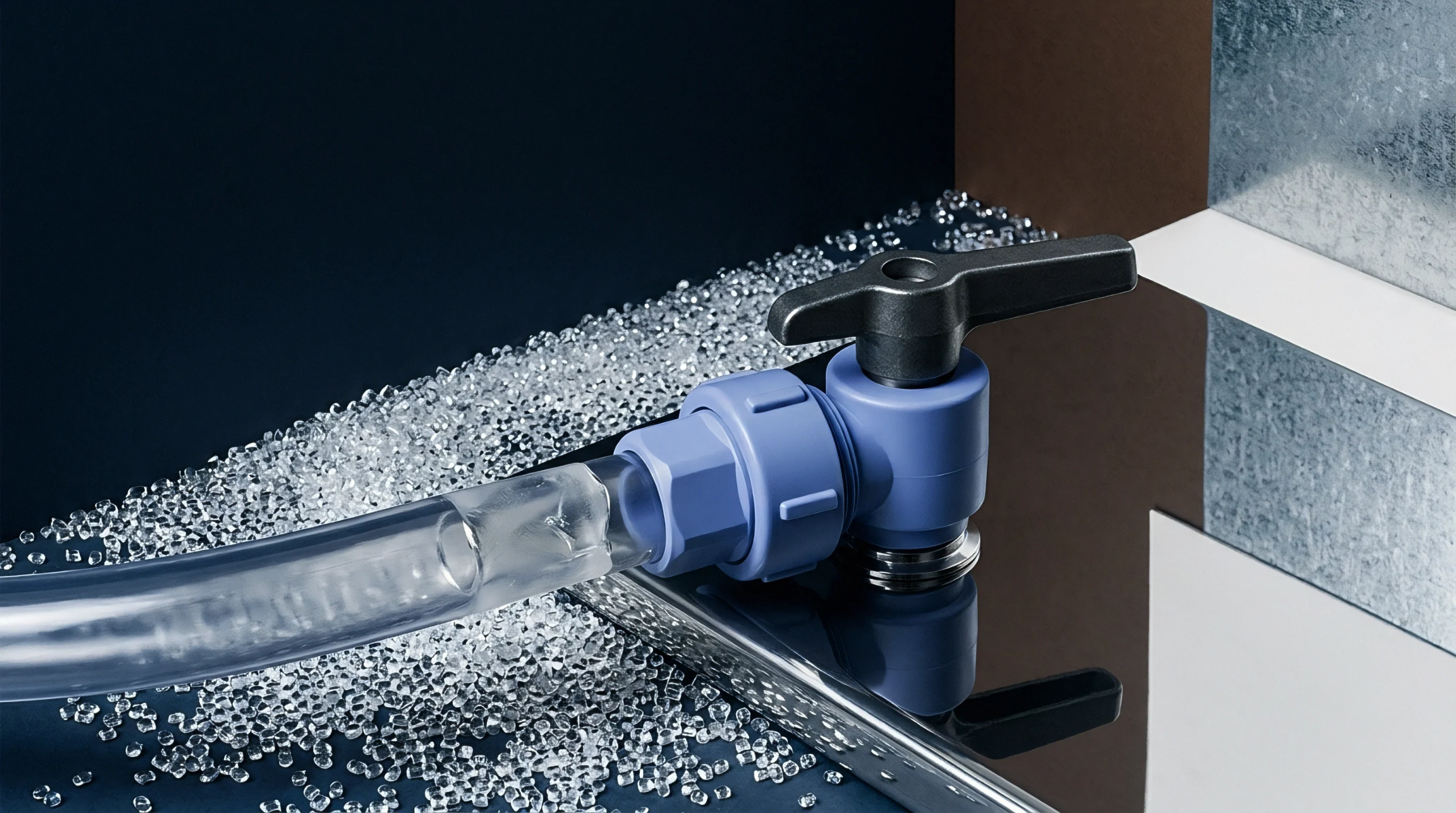
Meaning
European regulatory frameworks govern the plastic materials and articles intended to come into contact with food. Achieving food contact compliance EU 10/2011 requires migration testing of the finished polymer part to ensure chemical substances do not transfer to foodstuffs in harmful quantities. This standard applies to virgin resins, masterbatches, and specific additives used in the packaging.
It establishes a positive list of authorized substances and sets specific migration limits. In addition, the regulation defines the responsibilities of each operator along the plastics supply chain.
Migration Analysis
Analytical laboratories use food stimulants like ethanol or acetic acid to measure the release of chemical compounds from molded parts. Maintaining food contact compliance EU 10/2011 depends on the total exposure time and temperature. Molders must select resin grades with low volatile organic compound content to pass these rigorous evaluations.
Resin Selection
Molding raw materials must be selected based on their certified starting substances. Suppliers must provide a declaration of compliance that guarantees the resin was manufactured according to the regulation. Using recycled or off-grade resins without this documentation prevents the finished product from entering the European market.
Processing Temperature
High melting temperatures during extrusion or injection molding can cause thermal degradation of polymer chains. This degradation creates new chemical species that may exceed the migration limits of food contact compliance EU 10/2011. Molders must monitor barrel temperatures closely to prevent this chemical breakdown.