Meaning
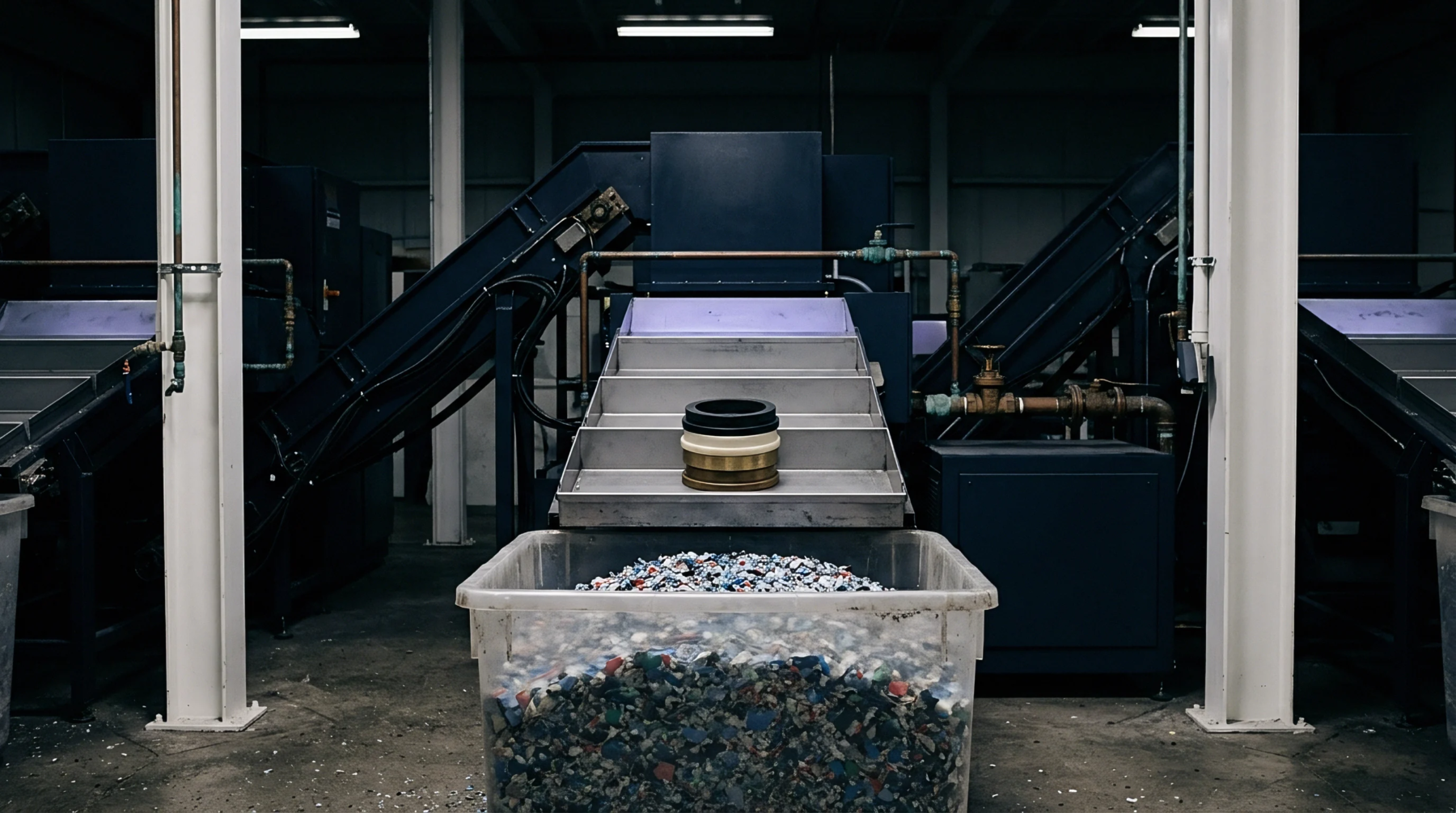
Secondary raw material known as recycled PET consists of polyethylene terephthalate that has been recovered from post-consumer waste and processed for reuse. It is widely used to produce new beverage bottles, thermoformed packaging, and polyester fibers. The material undergoes a series of cleaning, sorting, and decontamination steps to restore its properties to a level suitable for the intended application.
Using this resin reduces the demand for virgin petroleum-based polymers and lowers the environmental impact of the packaging lifecycle.
Decontamination Process
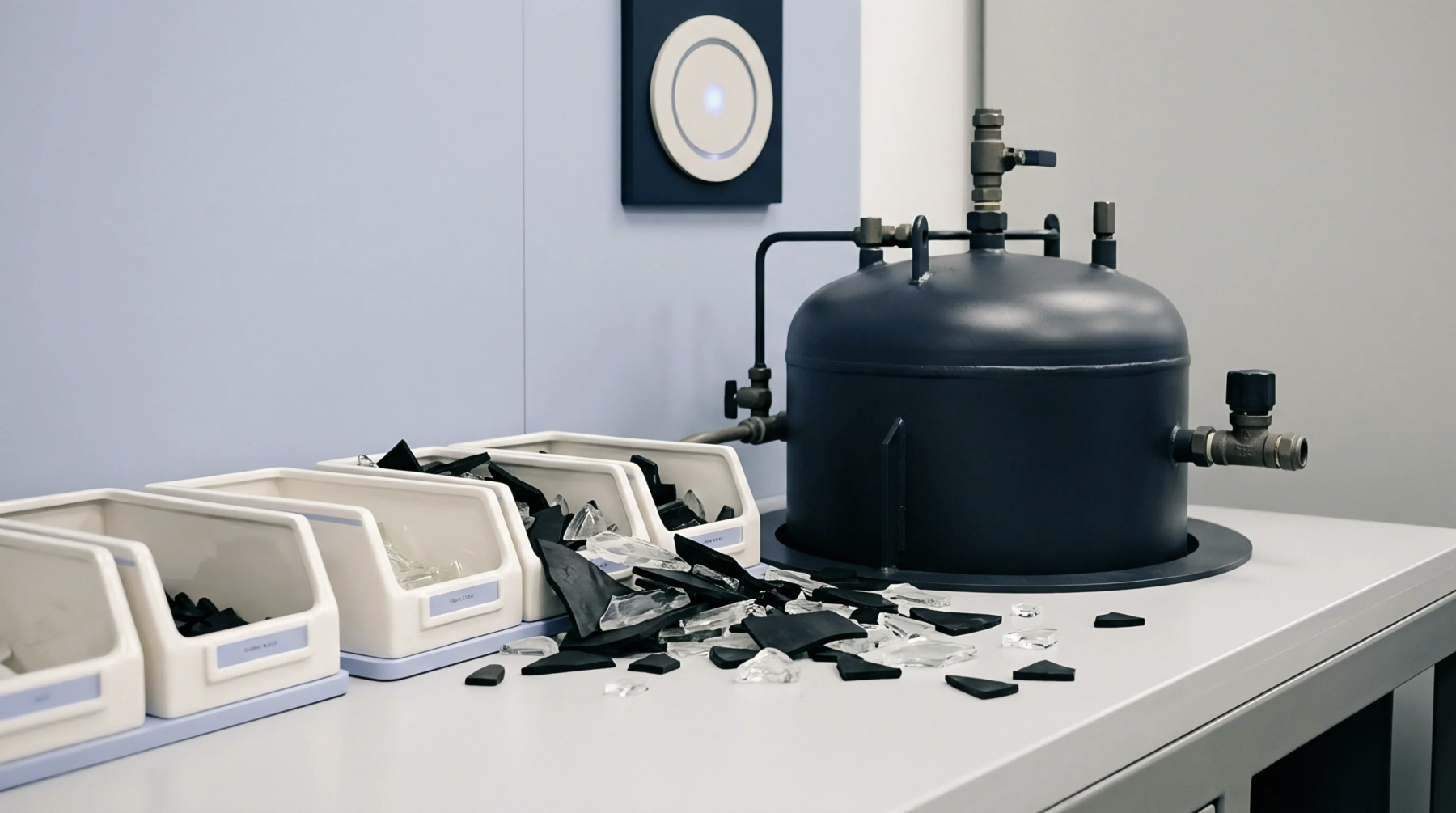
Restoring the purity of the resin requires a combination of mechanical washing and high-heat treatment under a vacuum. This process, often called solid-state polymerization, removes volatile contaminants and restores the molecular weight of the polymer. For food-contact applications, recycled pet must pass a challenge test to prove that the cleaning process can effectively remove harmful substances like cleaning fluids or fuel.
Only resins that meet these strict purity standards can be used to make new food containers.
Processing Differences
Moulding with this material often requires adjustments to the machine settings compared to virgin resin. The presence of residual moisture or a wider molecular weight distribution can lead to fluctuations in the melt viscosity. In injection moulding, this may cause issues with part weight consistency or the formation of acetaldehyde.
Operators must closely monitor the drying process and the melt temperature to maintain the quality of the final product.
Property Variations
Repeated heat cycles and potential contamination can affect the color and clarity of the finished part. Recycled pet often has a slightly yellow or grey tint, which is usually compensated for with blue or violet toners. The mechanical properties are generally comparable to virgin material, provided the decontamination process has successfully restored the intrinsic viscosity.
Quality control focuses on verifying that the resin meets the mechanical and safety specifications required for the end-use.