Meaning
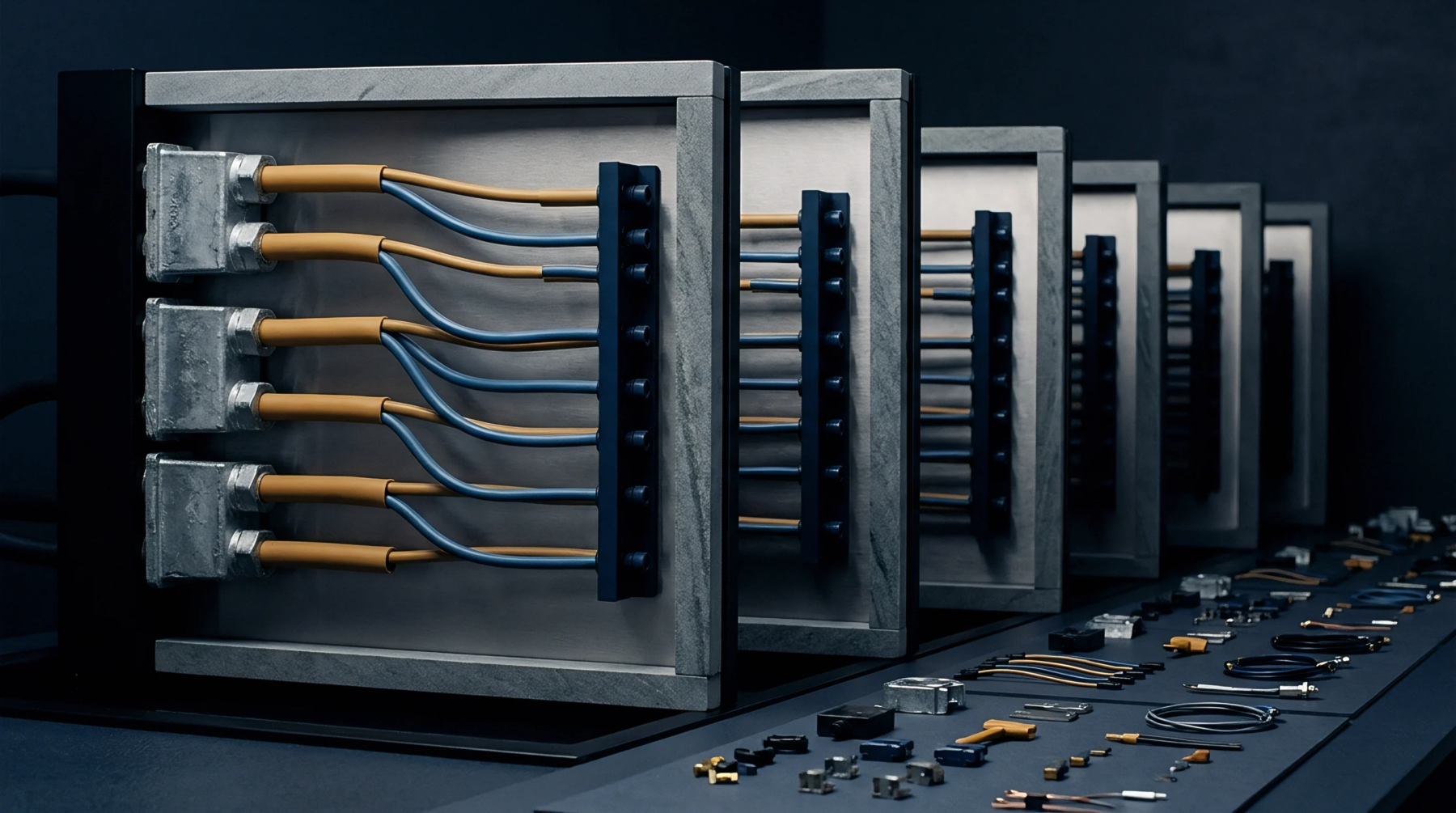
Precision mold components containing microscopic surface patterns are utilized to transfer functional surface textures to molded plastic parts. These metal inserts are positioned within the injection mold cavity to create specific optical, hydrophobic, or tactile effects. High-precision molding processes use micro structured insets to produce items like anti-reflective lenses or self-cleaning surfaces.
Fabrication Tech
Microscopic patterns on the metal inserts are generated using advanced machining methods like laser ablation or lithography. These methods must maintain high dimensional accuracy to ensure the microscopic features perform as intended. Minor defects in the insert pattern will replicate directly onto the molded plastic.
Molding Challenge
Filling these microscopic cavities requires high melt temperatures and rapid injection speeds to prevent the polymer from freezing prematurely. The process engineer must optimize the mold temperature to ensure complete replication of the microstructure. Dynamic mold heating is sometimes used to keep the mold surface hot during injection and cool it quickly before ejection.
Inadequate cavity pressure or poor venting will leave air trapped in the microstructures, resulting in incomplete parts and lost functional performance.
Demolding Effect
Demolding must be done carefully because microscopic structures can increase the surface area and create high friction forces during part ejection. This friction can stretch or tear the microstructures, destroying the functional surface. Applying special release coatings to the inserts helps minimize this damage and extends the tool life.