
Analytical Testing Methods for Quantifying Recycled Content in Polyolefin Compounds
Accurate quantification of recycled polyolefins requires combining DSC thermal integration, high-temperature GPC, ICP-MS trace metals, and melt rheology sweeps.

Accurate quantification of recycled polyolefins requires combining DSC thermal integration, high-temperature GPC, ICP-MS trace metals, and melt rheology sweeps.

Verify bulk plastic packaging against pre-production certificates using lot-specific AQL dock sampling, ATR-FTIR screening, and full DoC dossier traceability.

Legacy contaminant quantification in post-consumer polyolefins requires combining total solvent extraction with specific migration testing to manage commercial and regulatory risks.

Biaxial strain hardening metrics dictate wall thickness uniformity in high draw thermoforming; matching plug dynamics to material hardening prevents blowout.
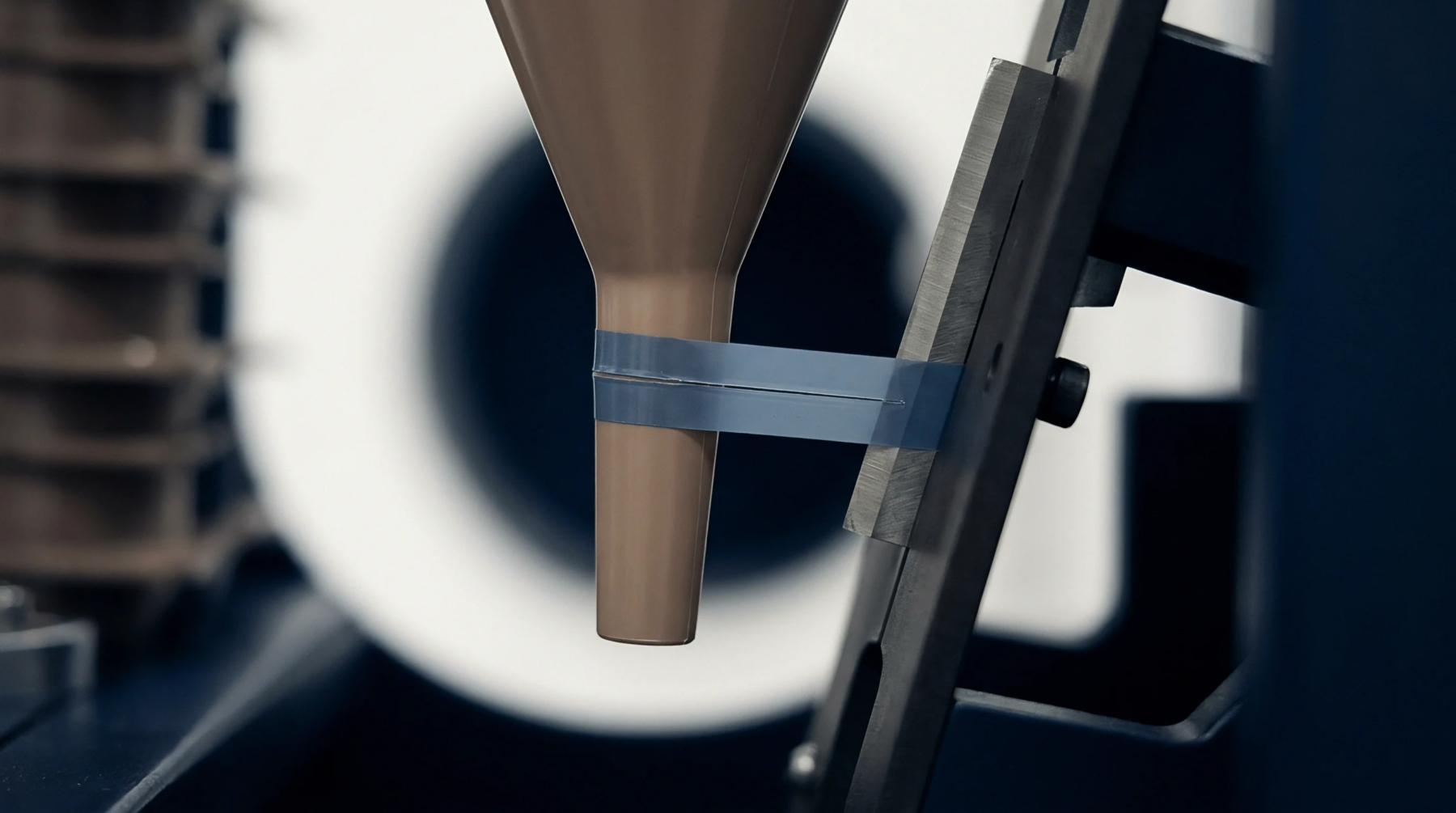
Melt flow index and density metrics must be verified together under exact standard loads to control polyolefin processability and field crack resistance.

Dew point monitoring alone fails to guarantee dry resin; coulometric Karl Fischer titration per ISO 15512 Method B is mandatory to prevent hydrolytic scission.

Cavity pressure directly controls polyamide crystallization and volumetric shrink, requiring precise transducer monitoring to hold DIN 16742 tolerances.

Auditing food contact declarations requires matching batch numbers to accredited migration reports, verifying worst-case simulant choices, and testing NIAS.

Verify polyolefin mass balance imports by auditing site-level yield losses, enforcing ISO 22095 credit retirements, and anchoring claims to batch records.

Undeclared regrind degrades melt stability and impact strength; verify batch history using melt flow rate delta and oxidative induction time limits.

Base polymer declarations certify monomer purity at the reactor gate but omit all converter additives, breakdown products, and finished article migration limits.

Areal surface metrology in micro-cavities requires non-contact optical instruments with matched bandwidth filters to verify steel texture and polymer replication.
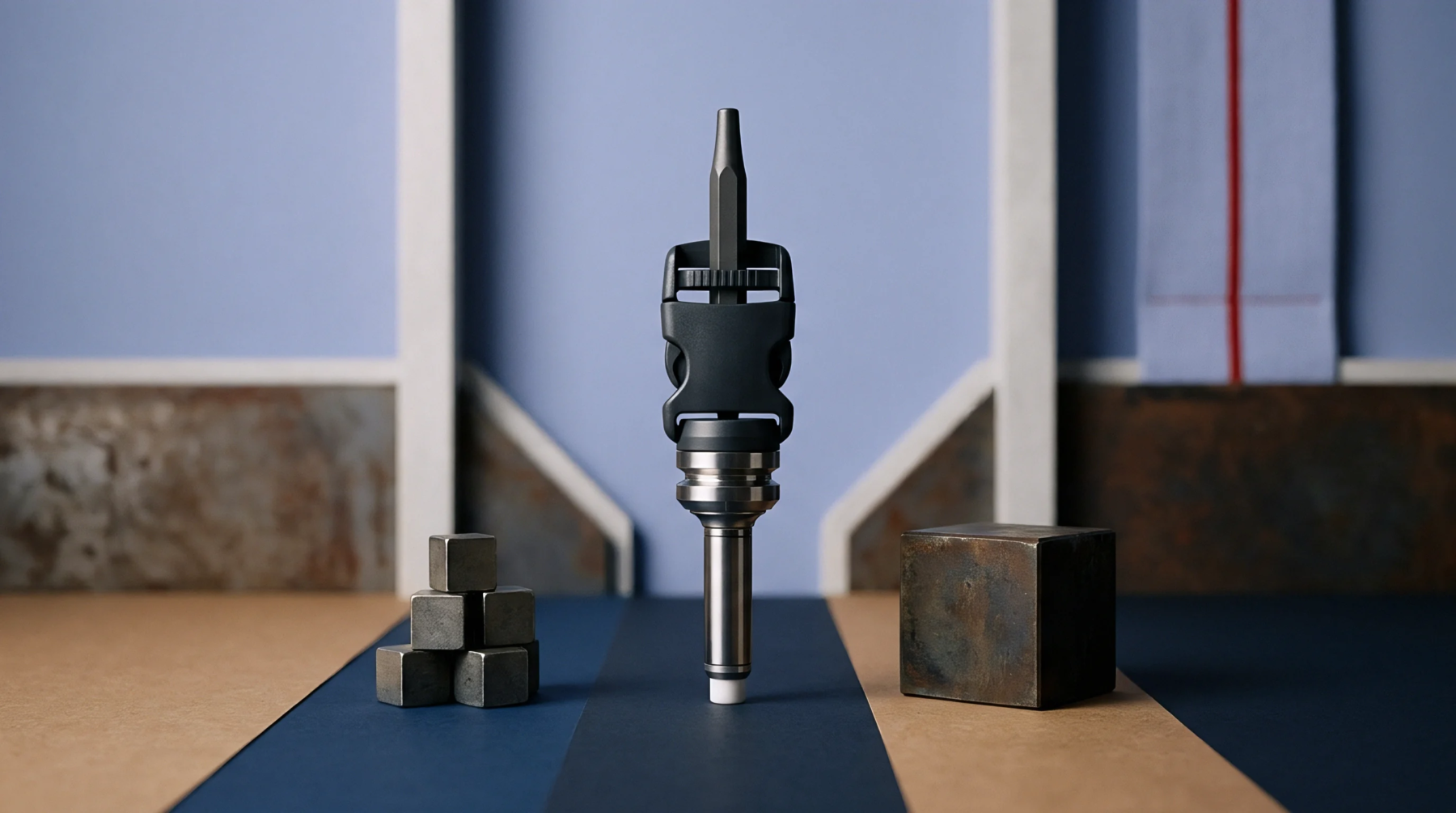
Precision thermal pitch compensation and strict alloy CTE matching eliminate alignment failures and shut-off land galling in high cavitation micro tooling.

Verify hardened steel tool cavity topography using ISO 25178 areal parameters and filtered coherence scanning interferometry to guarantee polymer part release.

Active thermal balancing and micro-actuated cavity cores prevent sub-micron dimensional drift in high-cavitation resonator micro-tooling.
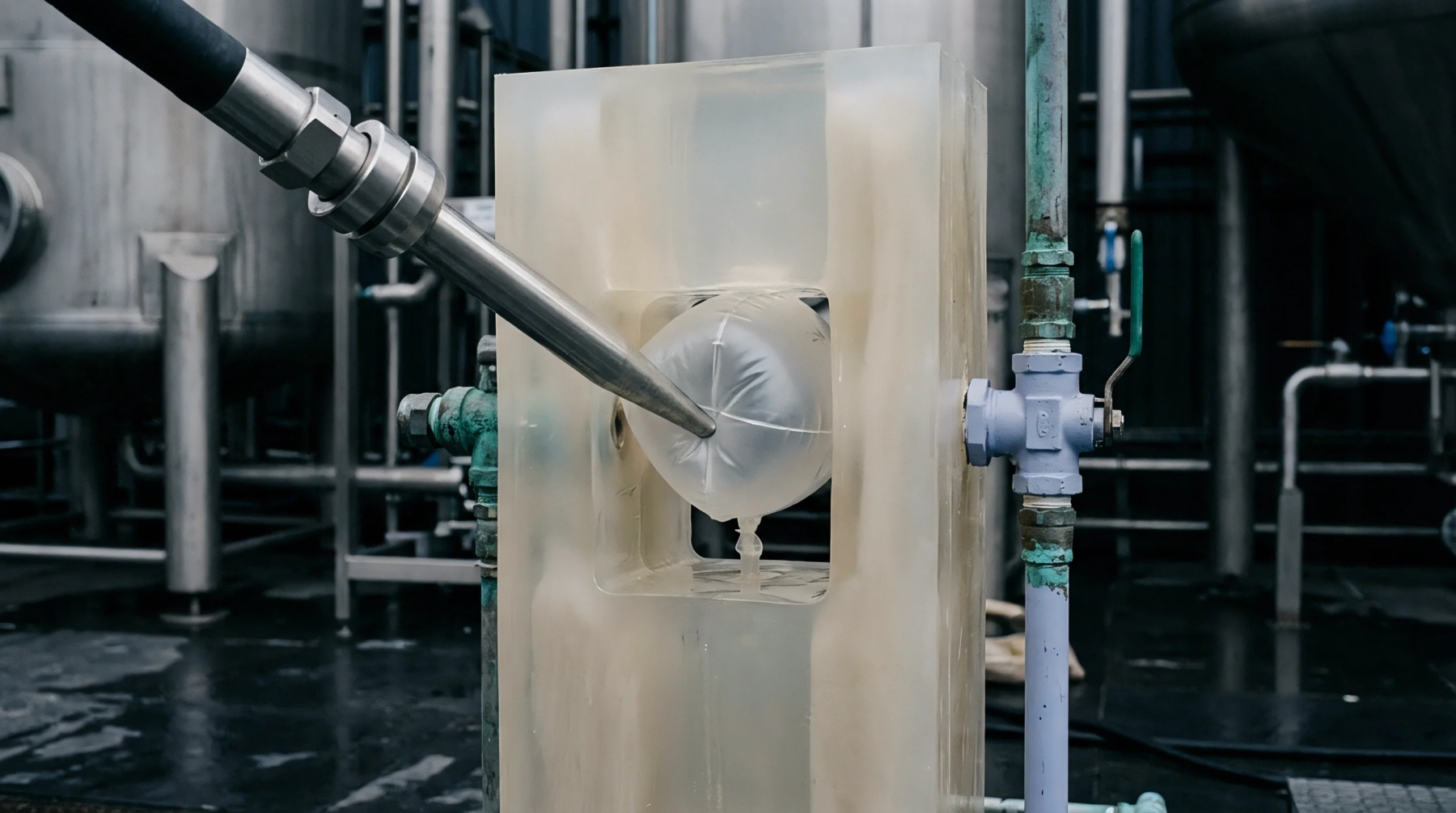
Sub-millimetre cavity pressure sensor placement requires sub-two-micron pin clearances and end-of-fill installation to decouple micro-melt viscosity from V/P switchover.

ISO 25178 areal optical profilometry replaces subjective 2D stylus traces with quantitative 3D parameters that accurately govern tool wear and part demoulding.

Synchronized micro-cavity sensor arrays eliminate undetected fill imbalances and reduce scrap in micro-moulding tools by replacing complex wire harnesses with RF slot waveguides.

Cavity pressure telemetry decouples polymer melt behavior from machine hydraulics, locking peak pressure to eliminate scrap and stabilize part dimensions.

ISO 25178 areal parameters like Ssk, Sku, and Vvc measured via optical profilometry quantify cavity wear, predicting ejection failures before part dimensions drift.

Toolroom blueing shut-off verification proves metal contact under compression to eliminate plastic flash, protect tool steel, and validate parting line pre-load.
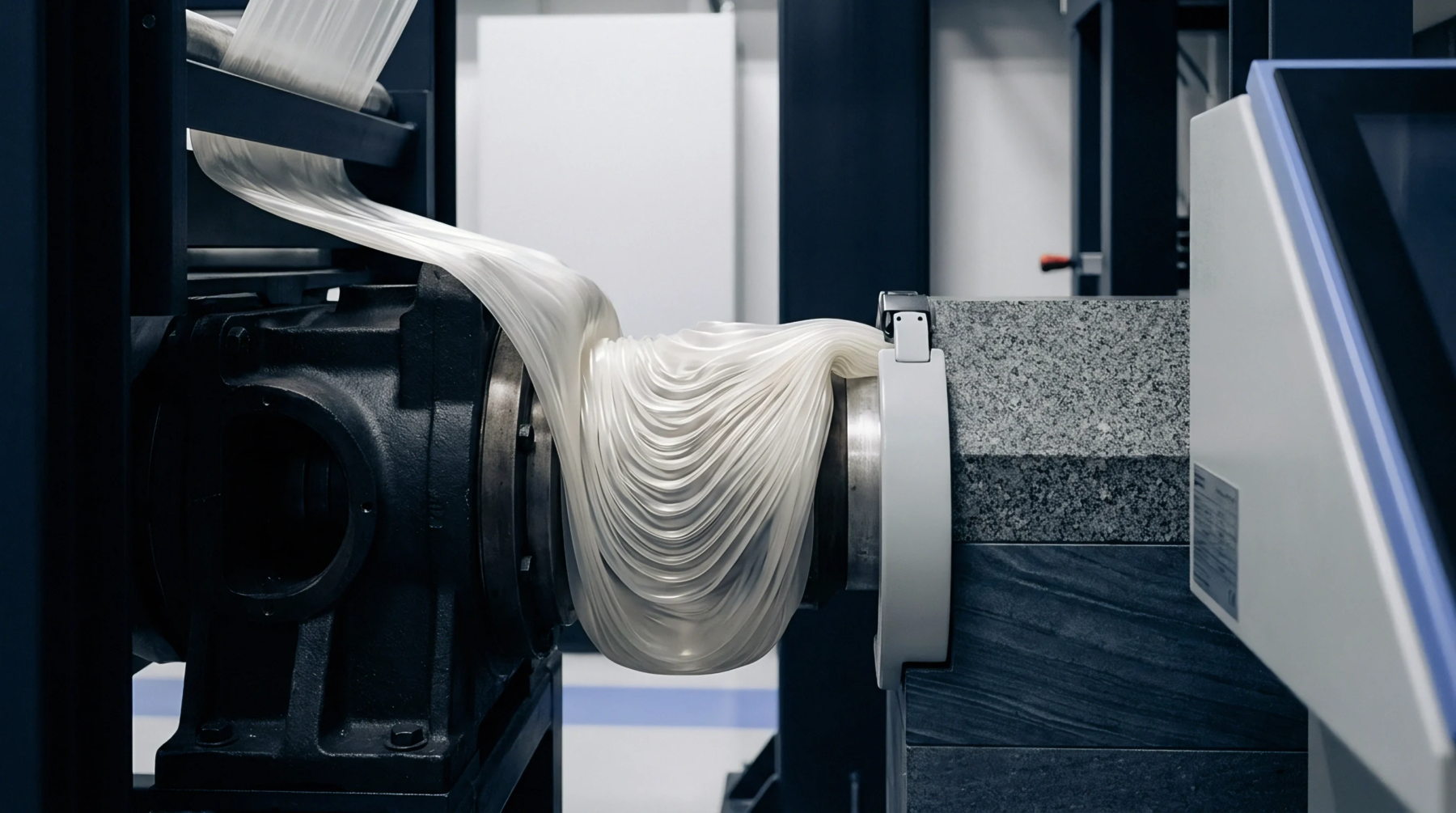
Wireless cavity pressure telemetry enables real time closed loop screw stroke compensation to hold part weight and dimensions against melt viscosity drift.
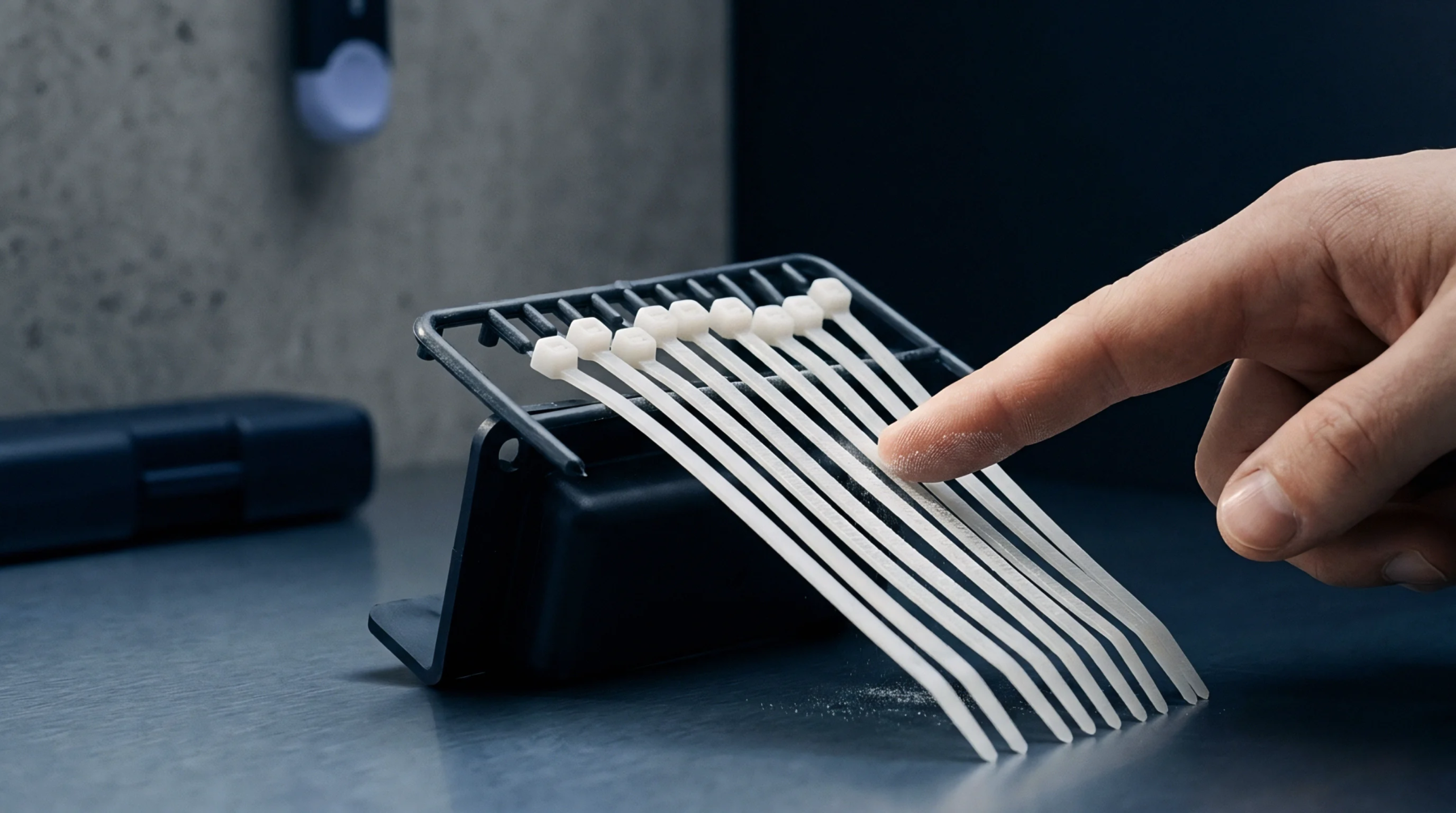
Calculated thermal contact conductance on etched tools drops up to 80 percent during cooling, requiring dynamic pressure modeling to avoid warpage and cycle delays.

Optical profilometry replaces qualitative blueing paste with three-dimensional volume loss metrics, enabling precise mold wear tracking and flash prevention.

In-mold cavity pressure telemetry directly measures melt compression dynamics to lock down scientific moulding qualification and stabilize piece tolerances.

Predictive thermal resistance modeling balances multi-cavity heat extraction across textured tool inserts to hold tight DIN 16742 tolerances.

Verify steam cracker mass balance credits by auditing feed meter calibrations, energy loss deductions, and proportional yield allocations against physical furnace output logs.
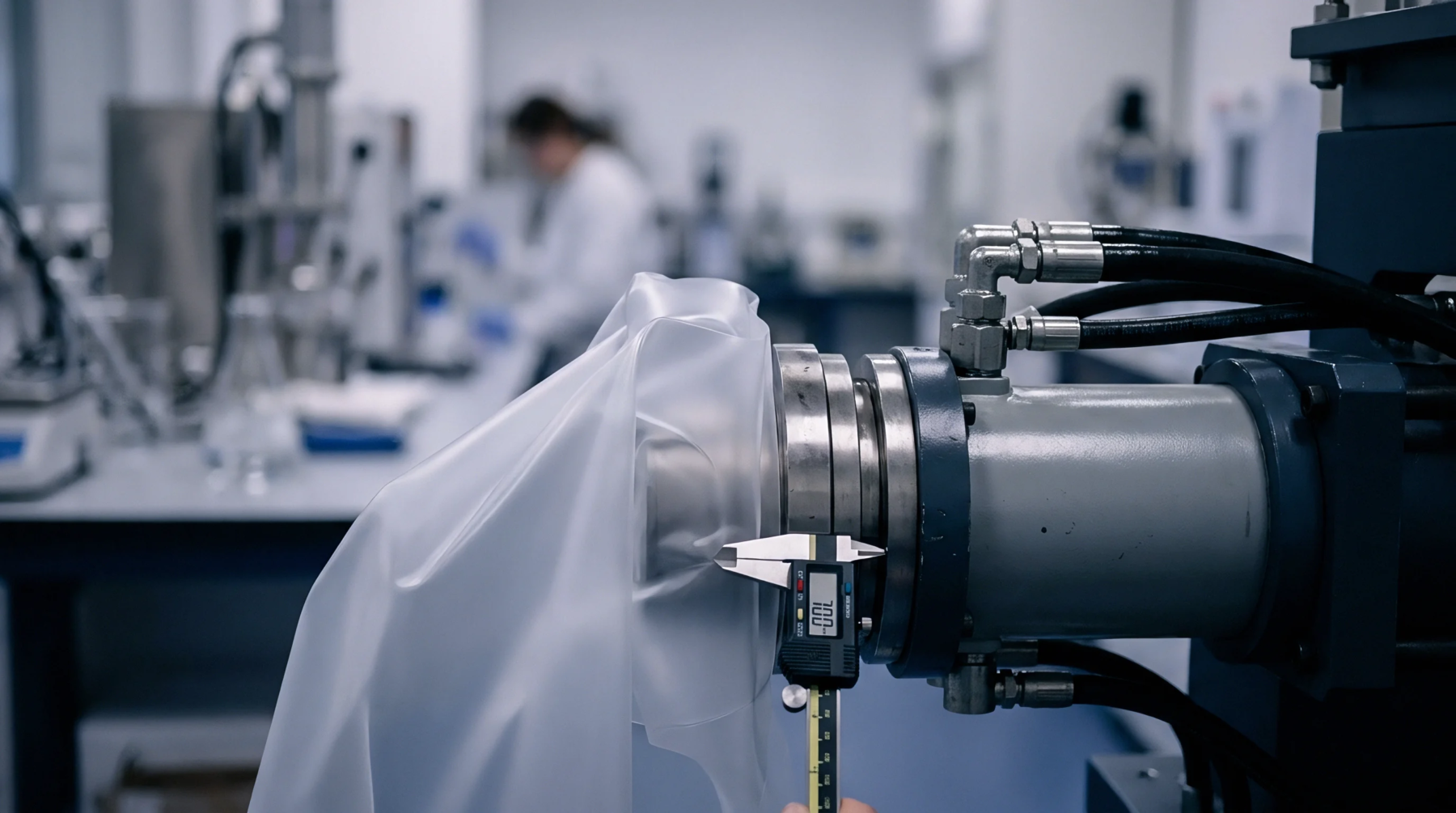
Non-isothermal Moldflow viscoelastic stress mapping converts frozen-in injection shear and thermal gradients into Abaqus structural FEA to prevent boss root yield.

Undisclosed post-industrial polymer additions breach express resin specifications when melt stability and impact properties diverge from prime baselines.

Non-target HRMS screening combined with toxicological threshold evaluation provides the empirical basis for verifying recycled plastic safety before market entry.
Expertise is a utility, not a secret. sentiention™ publishes its working knowledge as open reference: intelligence layer covering the materials it sources, the markets it enters, and the reference that serves both.