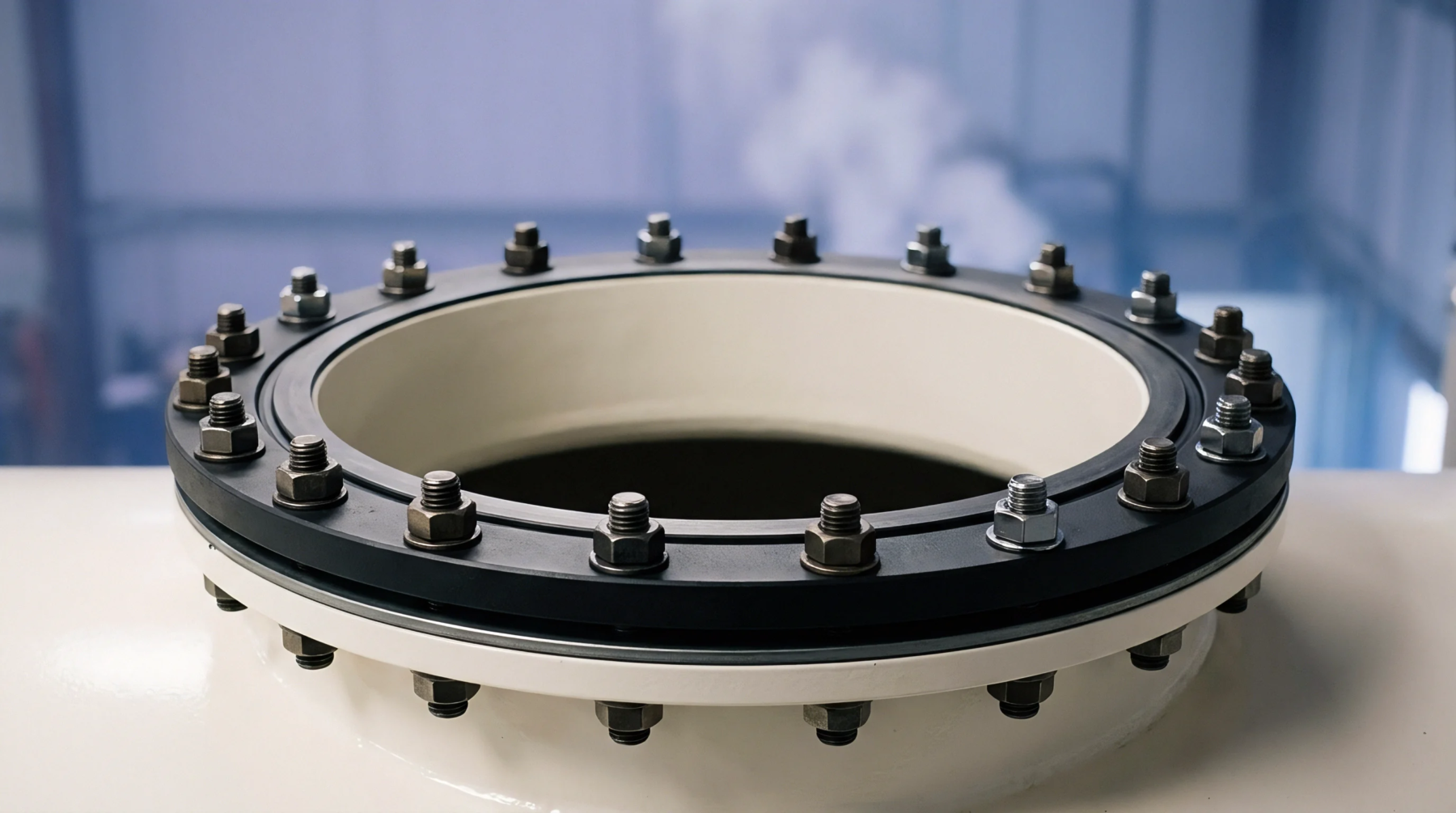
Offshore Mould Tooling Bailment Security under Foreign Lex Situs Rules
Offshore tooling bailment security requires physical deep-steel plate tagging and immediate perfection filings on local chattel registries under foreign lex situs laws.

Offshore tooling bailment security requires physical deep-steel plate tagging and immediate perfection filings on local chattel registries under foreign lex situs laws.

Intrinsic viscosity loss in PET processing is determined by measuring dilute solution flow time or capillary melt viscosity to quantify polymer chain cleavage.

Standard 84-day disintegration tests fail in commercial composting facilities operating on 21-day cycles, requiring resin selection tuned for rapid hydrolysis.
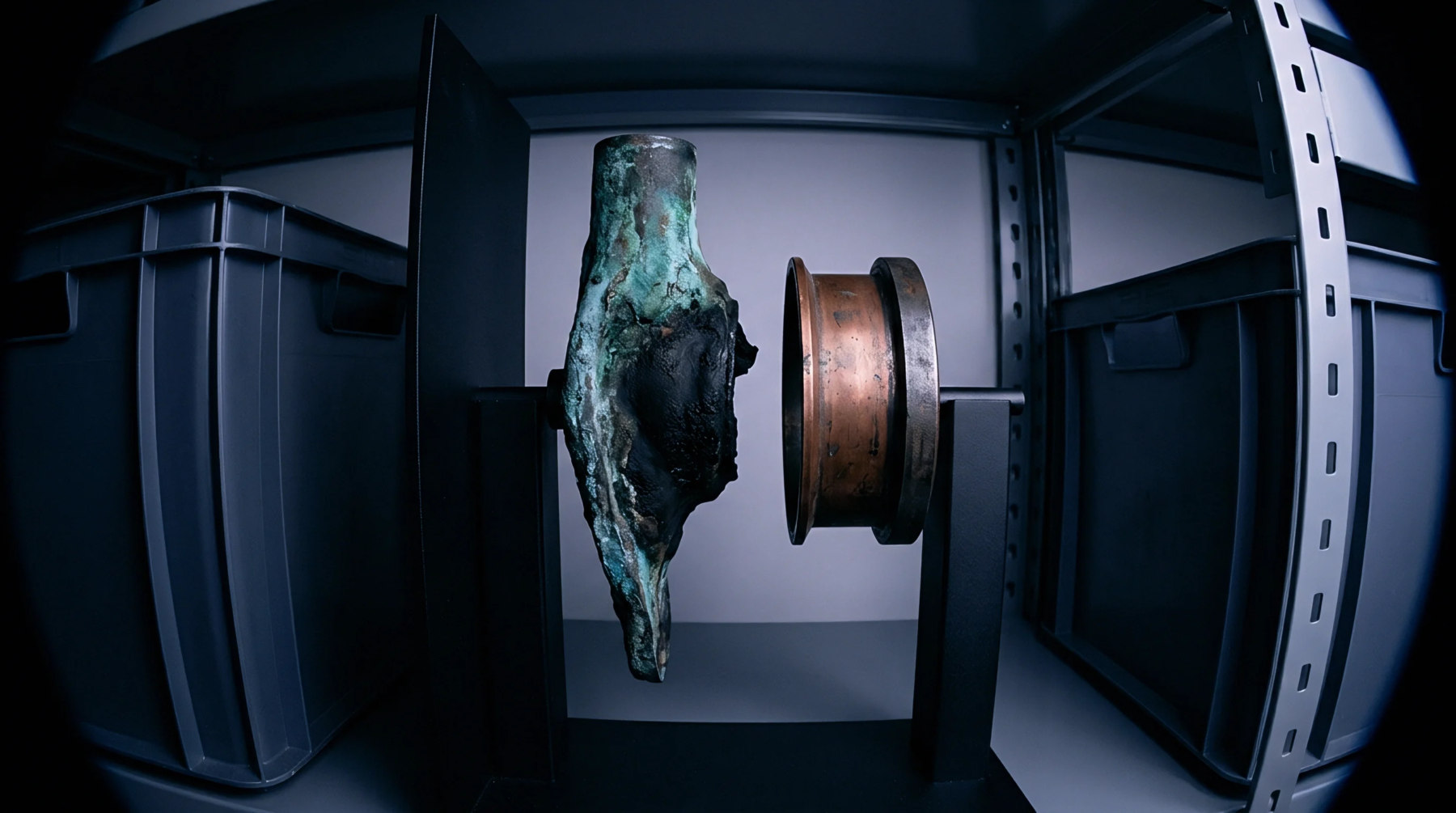
Melt viscosity loss in bio-polyesters stems from moisture hydrolysis and shear; maintaining under 200 ppm moisture and tight processing thermal windows prevents severe scrap penalties.

Industrial composting compliance requires verifying bio-carbon via ASTM D6866, disintegration via EN 13432, and total fluorine screening below 100 ppm.

High-volume injection moulding baseline tooling demands martensitic stainless or pre-hardened steels matched to polymer abrasiveness and cycle volume.

Tuning EPR domains to 0.4-0.8 microns with 45 percent ethylene content ensures sub-zero container shock survival at minus 30 degrees Celsius.

Cross-border escrow releases for multi-cavity hot runner transfers must bind fund payouts to press-side scientific molding verification and DIN 16742 compliance.

Non-aqueous titration kinetics validate acidic volatile counts in recycled polymers, preventing extrusion screw corrosion and processing degradation.

Auditing foreign tooling retention claims combines physical steel inspection, financial deconstruction of amortisation ledgers, and escrow settlement.

High temperature non-aqueous titration strips volatile carboxylic acids from hot PE melt into organic media to quantify corrosion risks and thermal stability.

Semi-quantitative LC-MS screening of bio-based cyclic esters requires probabilistic uncertainty propagation to prevent toxicological misclassification.
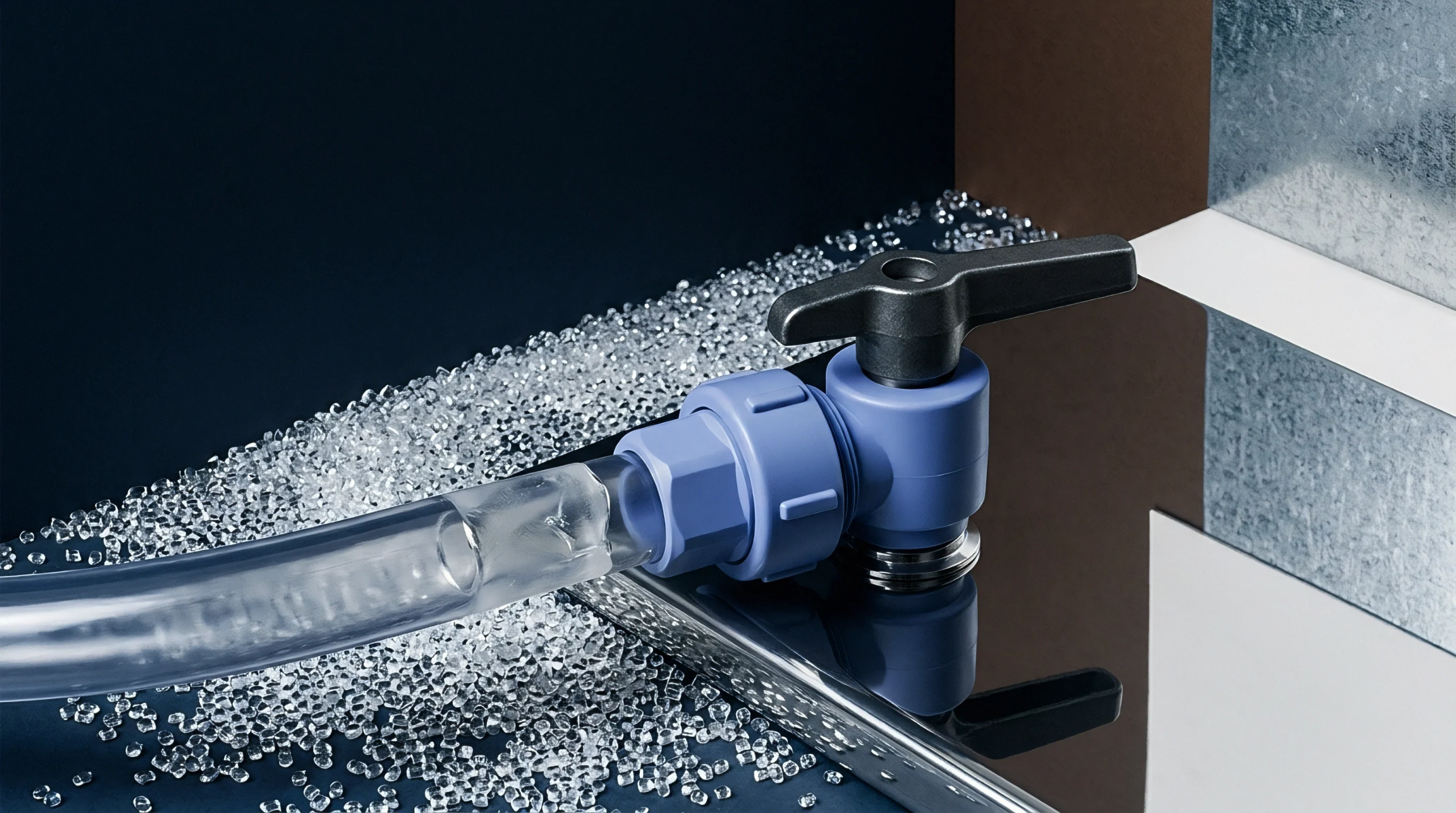
Coupling thermal desorption solvent extraction with non aqueous potentiometric titration quantifies volatile contaminants and acid values in recycled polyolefins.

LC-MS/MS screening of cyclic ester oligomers in PET packaging ensures NIAS compliance and protects food contact declarations from border enforcement rejections.

Mass balance credit verification demands tracing pyrolysis yields, deducting fuel losses, and enforcing physical site allocation rules on certified resin claims.

Solid state polymerization stripping rate is dictated by internal Fickian diffusion limits of condensation by-products and volatiles within rPET pellet cores.

Foreign bailment registration requires permanent steel identification tags, regional customs filings, and explicit non-title contracts before offshore tooling entries.

Strain hardening rheology metrics define thermoforming process windows by predicting extensional melt strength to eliminate corner thinning and sheet sag.

Accurate rPET flake volatile testing pairs ASTM D6980 sensor drying for moisture with ASTM F2013 headspace gas chromatography for acetaldehyde and solvents.

Karl Fischer moisture testing of recycled PET flake requires thermal desorption at 170 C with methanol-free reagents to eliminate volatile interference.
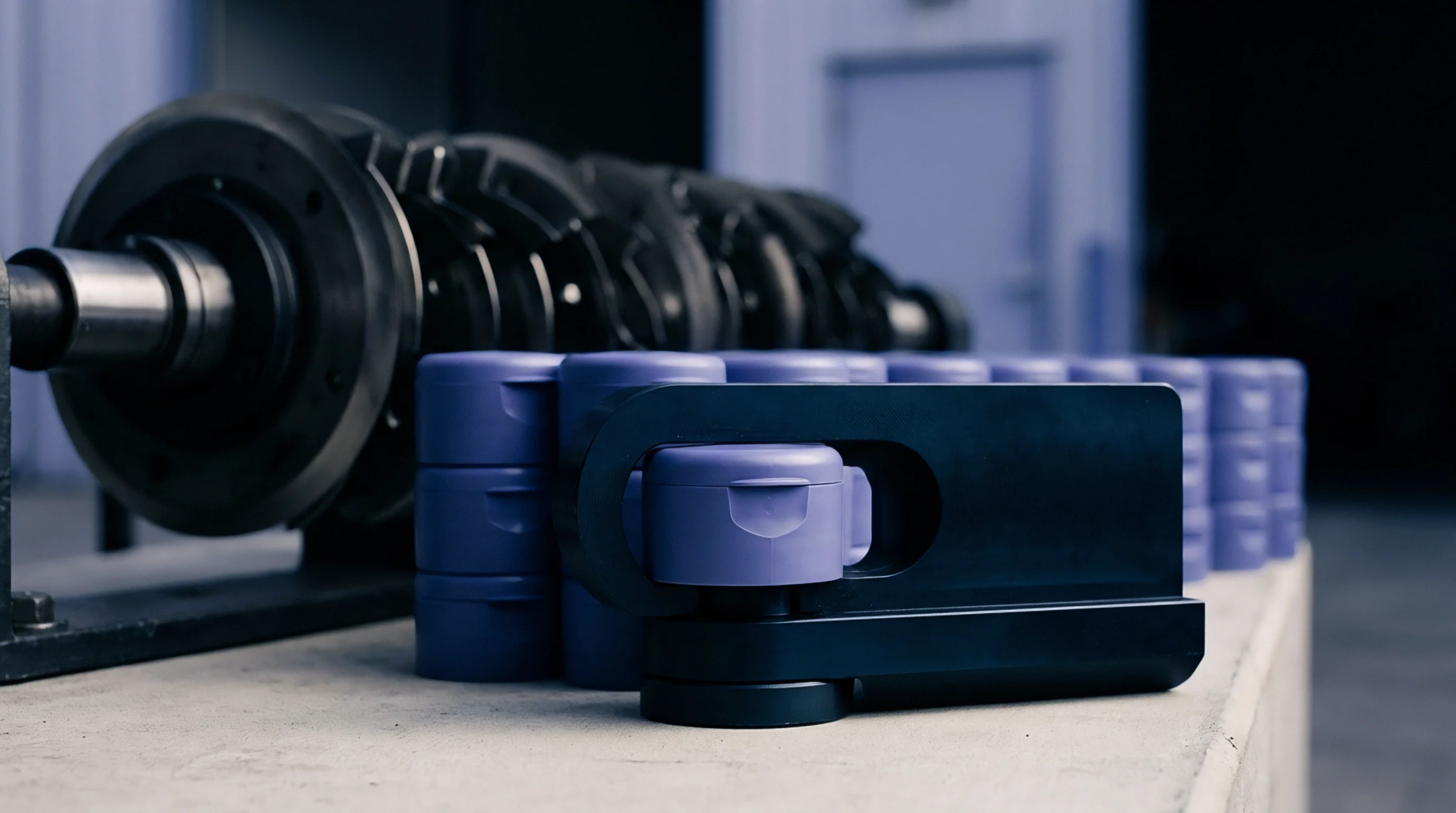
HRMS decontamination audits require response factor bias corrections to prevent underestimating non-target migrants against food-contact safety thresholds.

High-resolution mass spectrometry screening paired with surrogate semi-quantification establishes food-contact compliance for post-consumer polyolefins.

Selecting areal surface texture filter cutoffs under ISO 25178 matches transmission bandwidth to moulding replication limits, preventing false tooling rejects.

Decontamination challenge tests establish fixed operational envelopes; process drift outside validated temperature and vacuum limits voids compliance.

Coupling Arrhenius volatile generation kinetics with dual-exponential sensor adsorption models corrects background current drift in polymer enclosures.

Selective thermal desorption and specialized reagent chemistry eliminate non-aqueous volatile errors during post-consumer recyclate moisture analysis.

Micro-mould profilometry spatial calibration requires instrument transfer function verification using chirp gratings to define spatial frequency limits in deep cavity features.

Dynamic micro-tooling expansion limits sit at 0.3 micrometers, bounded by transient core heat spikes, clamp flexure, and interferometer sensor housing drift.

Optimize rPET desiccant drying at 160-170°C with -45°C dew point dry air to maintain moisture under 30 ppm and prevent intrinsic viscosity drop.
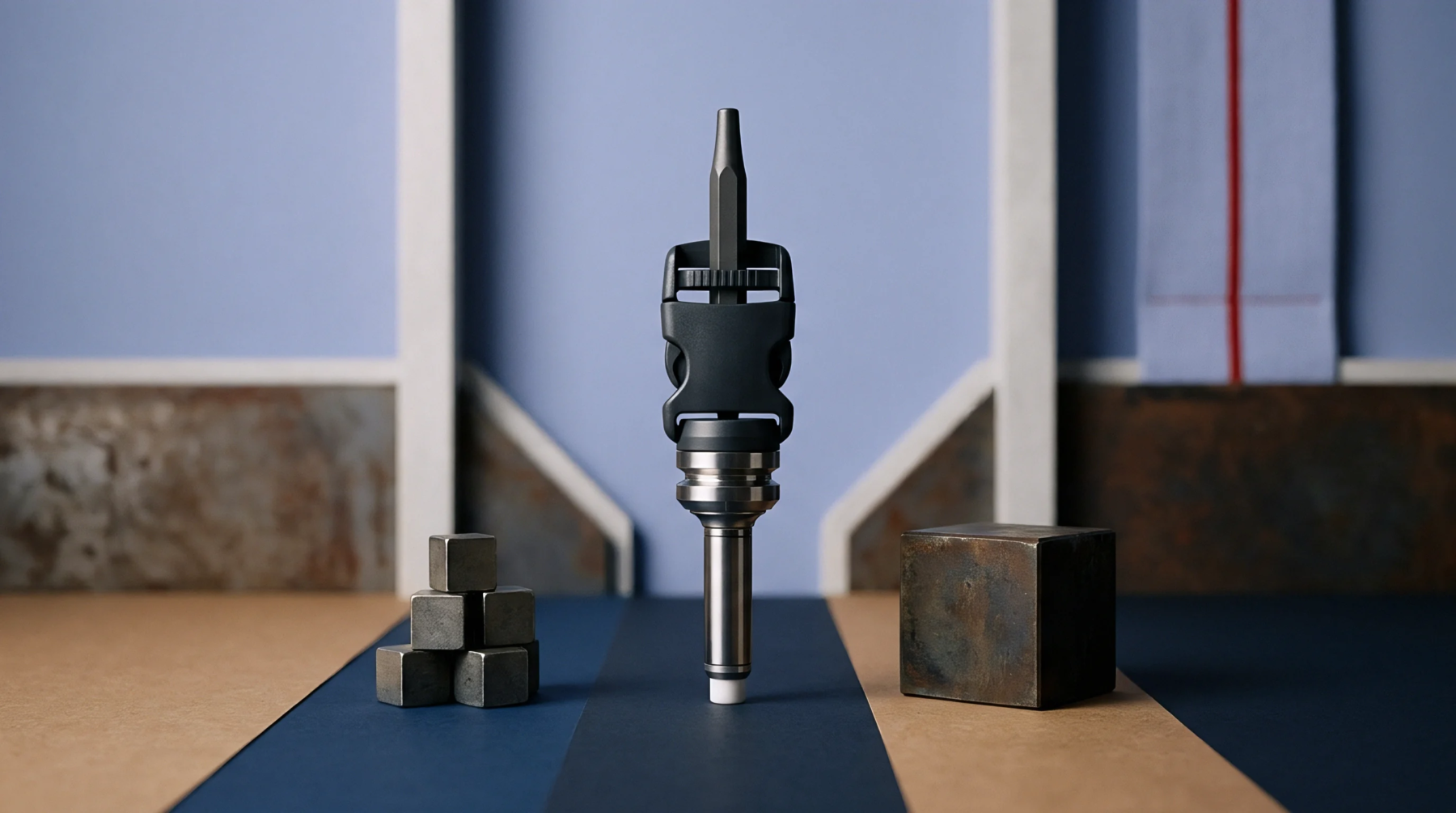
Engineered cold pitch offsets prevent valve tip shear, flash, and nozzle leakage in multi cavity manifolds operating at elevated molding temperatures.
Expertise is a utility, not a secret. sentiention™ publishes its working knowledge as open reference: intelligence layer covering the materials it sources, the markets it enters, and the reference that serves both.