
Determining Bimodal Polyethylene High Mass Tail Content via Dynamic Rheology
Dynamic rheology quantifies bimodal polyethylene high mass tail content by tracking zero shear viscosity and low frequency storage modulus at 190 C.

Dynamic rheology quantifies bimodal polyethylene high mass tail content by tracking zero shear viscosity and low frequency storage modulus at 190 C.

Restrained state fixtures simulate final assembly fasteners with calibrated clamps on datum targets to measure flexible plastic profiles accurately.

Interfacial viscous fingering during melt fractionation is controlled by tuning temperature gradients and limiting viscosity ratios across polymer phase boundaries.
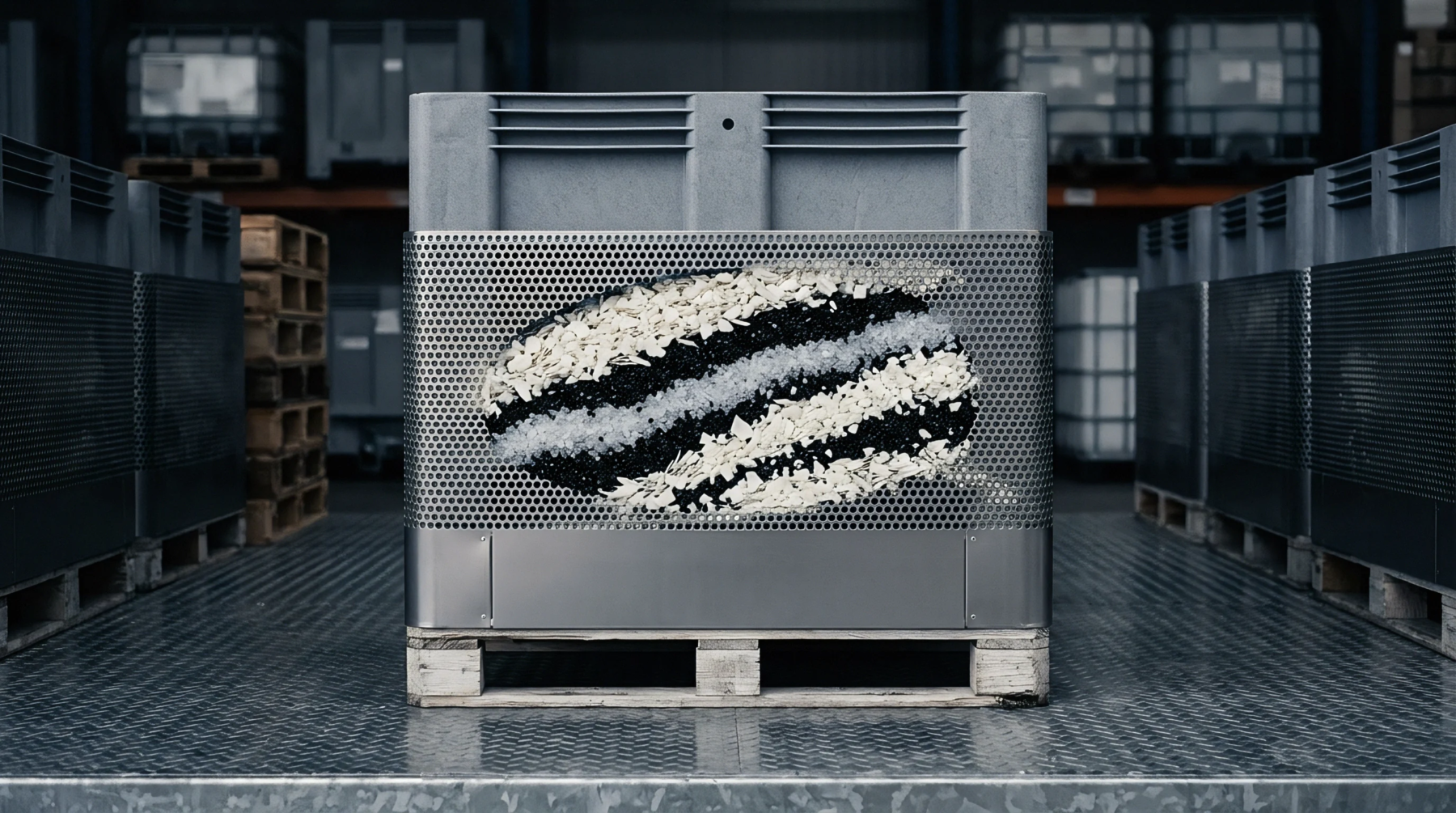
Devolatilization efficiency calculations translate validated surrogate removal rates into maximum safe raw feedstock contamination limits for food contact compliance.

Recycled secondary polymer baseline assessment requires volatile headspace screening and mineral oil quantification to prevent migration across primary packaging.
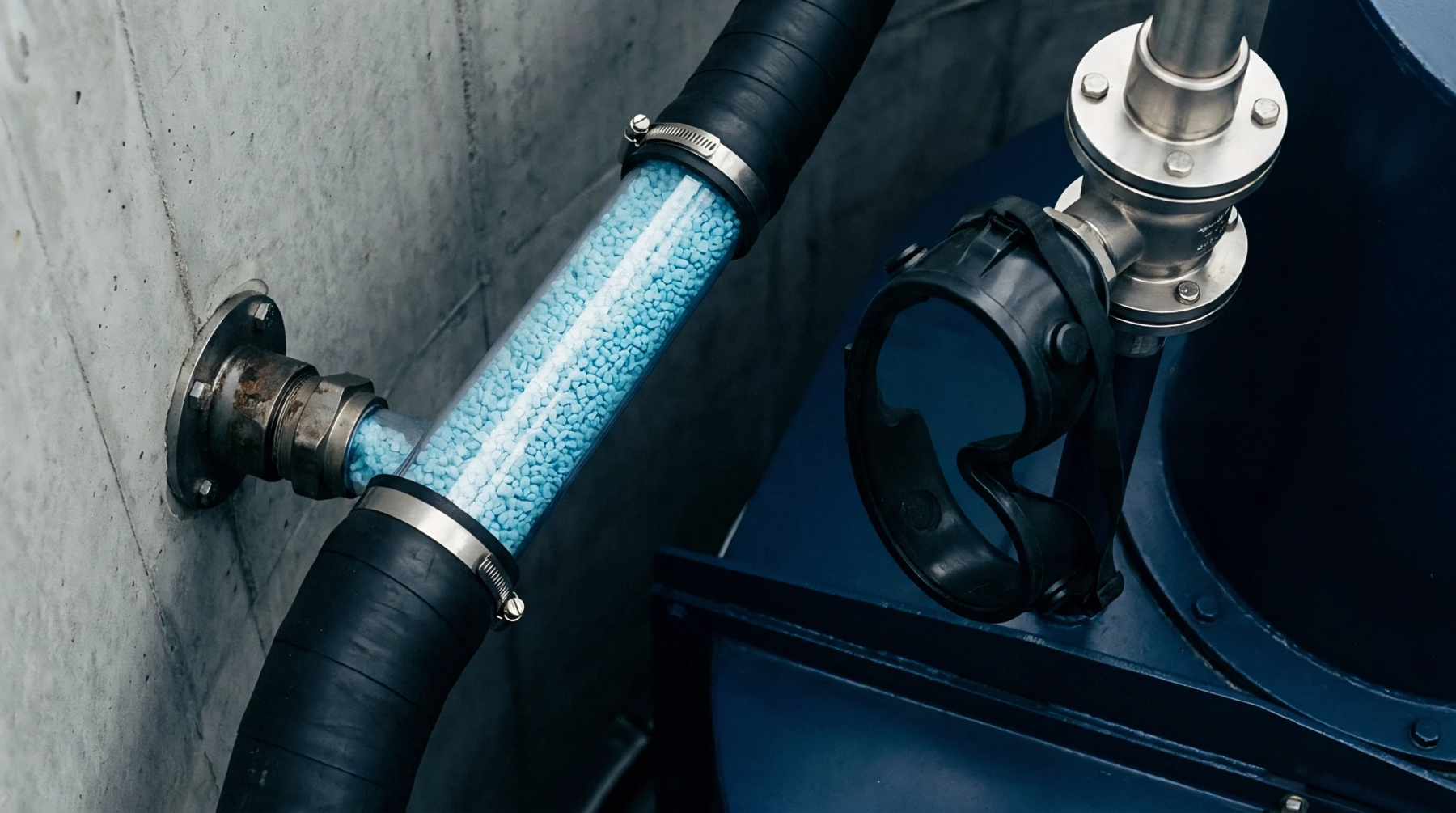
Resolve proprietary food packaging data barriers through third-party escrow clearance, functional barrier diffusion modeling, and non-targeted screening.
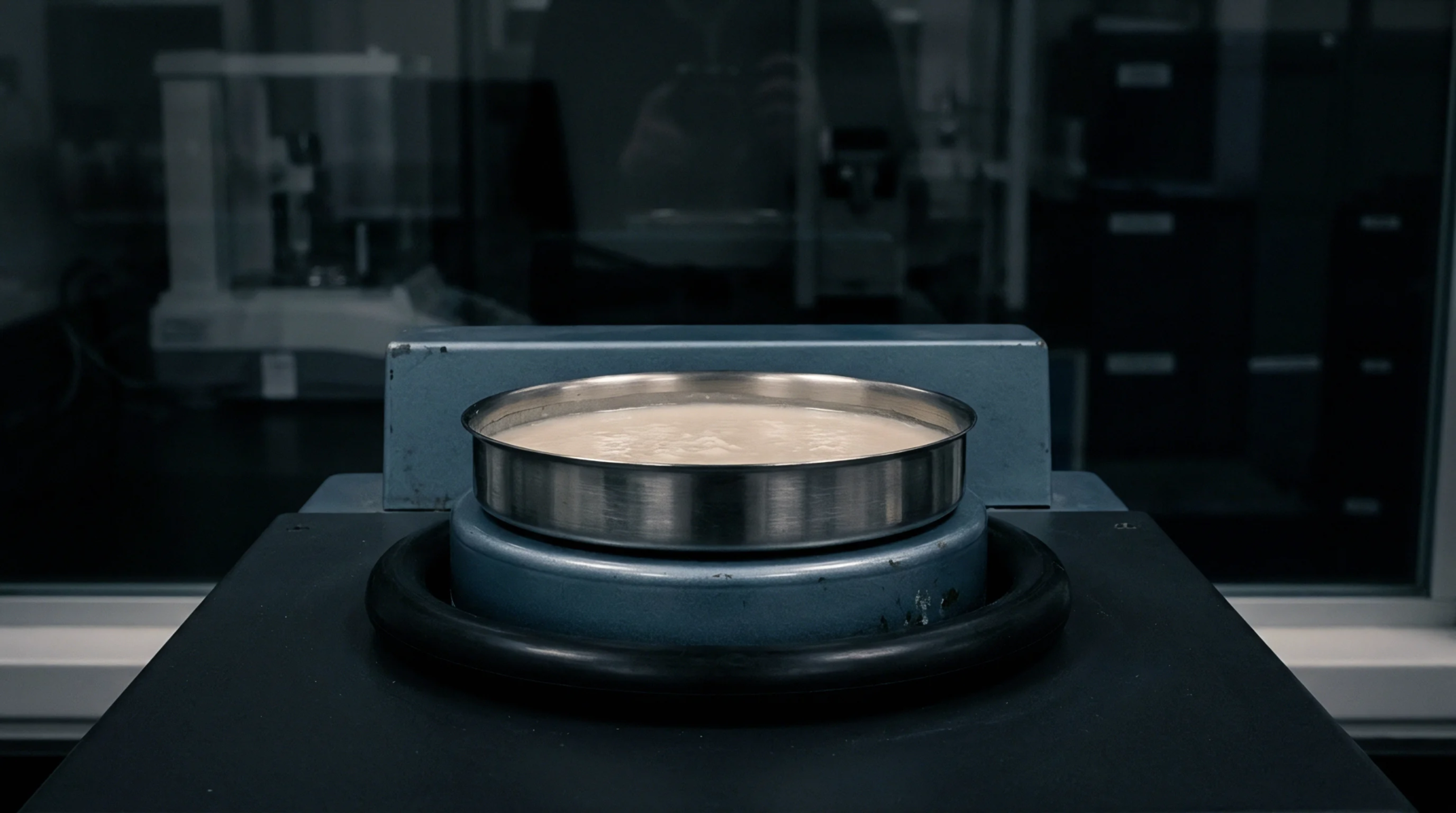
Low frequency oscillatory rheology unmask hydrolyzed resin fractions by measuring zero-shear viscosity drop and storage modulus slope collapse near zero frequency.

Compliance files require measuring migration against specific limits, adjusting for dual-use direct food additive allowances, and verifying raw material data.

Hydrolytic degradation thresholds require drying virgin polyesters below 0.02 percent and polyamides below 0.10 percent water before melt processing.

Dual use additive management demands specific identity flow from resin compounders to food packers to satisfy direct food additive maximum limits.

Unknown polyolefin NIAS quantification relies on statistical 95th-percentile multiplicative correction factors applied against surrogate calibration standards.

Thermal conditioning and standard thermal history resets eliminate density drift errors, securing accurate mold shrinkage during polyethylene resin converting.

Datum target placement on compliant plastic parts requires locating pads on rigid structural features and using restrained-state inspection standards.

Polyolefin migration dossiers require dual GC-MS and LC-HRMS non-target screening backed by class-specific surrogate quantification to clear customs audits.

Recutting tool steel establishes a stable process window that lowers long-term scrap costs and cycle times compared to forced parameter tuning.

Polyolefin non-intentionally added substances require chromatographic screening, Cramer toxicological tiering, and finished article migration verification.

Polyethylene hydrostatic testing requires degassed, temperature-corrected fluid baths and void-free plaques to prevent false 0.002 g/cm³ receiving rejections.

Analytical identification thresholds for polyolefin NIAS must be set to 10 ppb in simulants to prevent uncharacterized genotoxins from voiding food contact dossiers.

Controlled rheology visbreaking lowers sub-zero polypropylene drop toughness by removing high molecular weight tie chains, demanding elastomer modification to prevent brittle container shatter.

Suppress heavy wall thermal defects by sizing gates to 80% wall thickness, holding pack pressure past core freeze, and deploying conformal high-conductivity chill circuits.

Total fluorine border rejections require supply contracts with batch-level EN 14582 certification and explicit indemnity for all customs and demurrage costs.

Analytical verification of NIAS in multi-layer barrier films requires high-resolution mass spectrometry screening backed by toxicological threshold classification.

Polypropylene impact copolymers for frozen containers balance rubber content and viscosity matching to prevent cold brittle failure at minus twenty degrees.
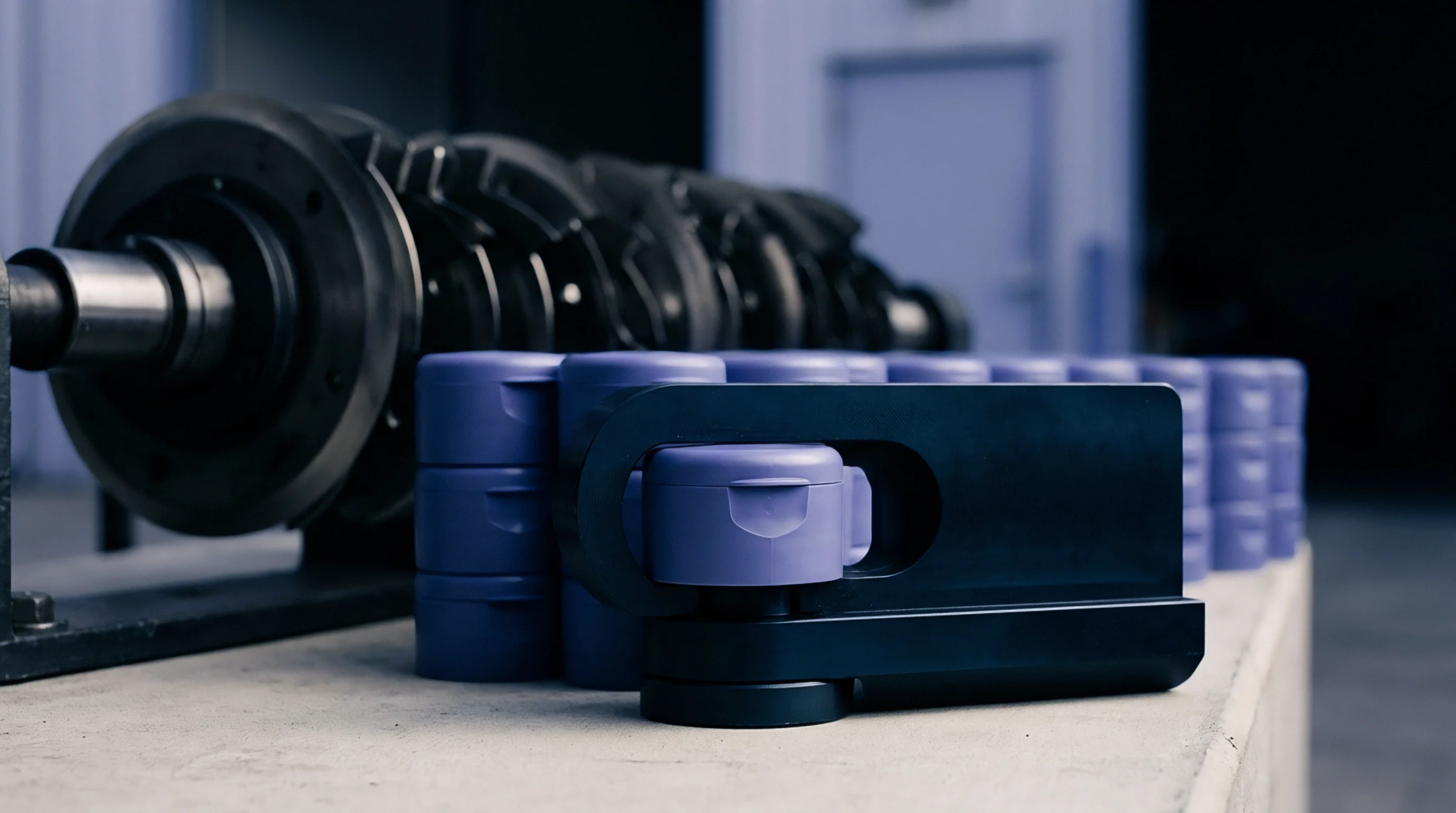
Quantifying ethylene rubber dispersion boundaries via DSC and microphase analysis prevents impact failure and controls scrap rates in heterophasic polypropylene.

Selecting polypropylene block copolymers for cold automotive parts depends on balancing ethylene-propylene rubber phase dispersion with matrix melt flow rate.

Polypropylene impact copolymers sacrifice flexural modulus to gain sub-zero toughness through dispersed ethylene-propylene rubber domains in an isotactic matrix.

Automated baseline correction with airPLS and spectral deconvolution resolves coeluting NIAS peaks in polymers down to the 10 ppb toxicological threshold.

Secondary machining capital amortization requires per-unit capital allocation tied to enforceable title retention and clear cross-border insolvency carveouts.
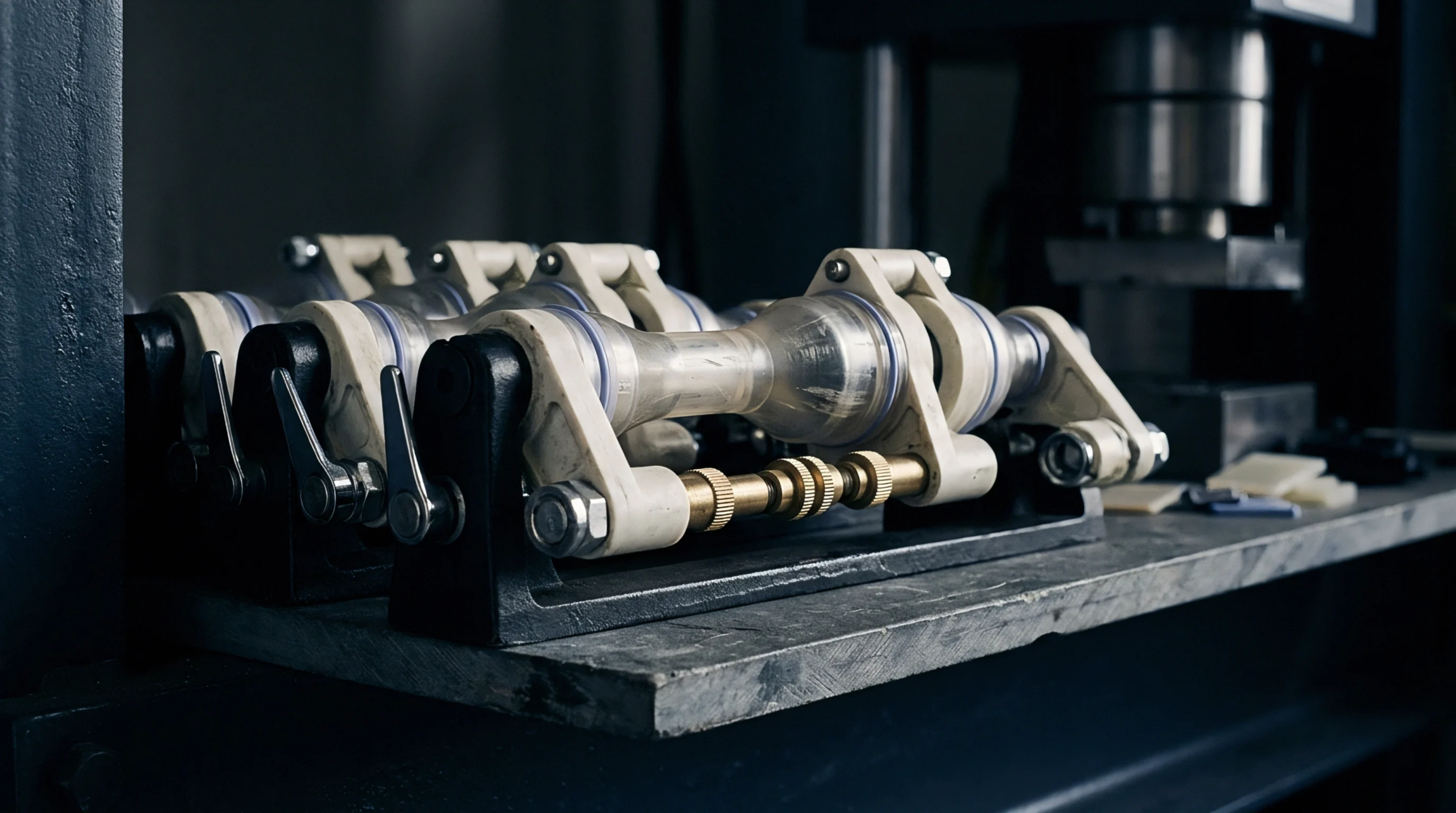
Cross-border bailment structures protect overseas injection tooling through explicit legal title separation, permanent asset marking, and enforceable repossession protocols.
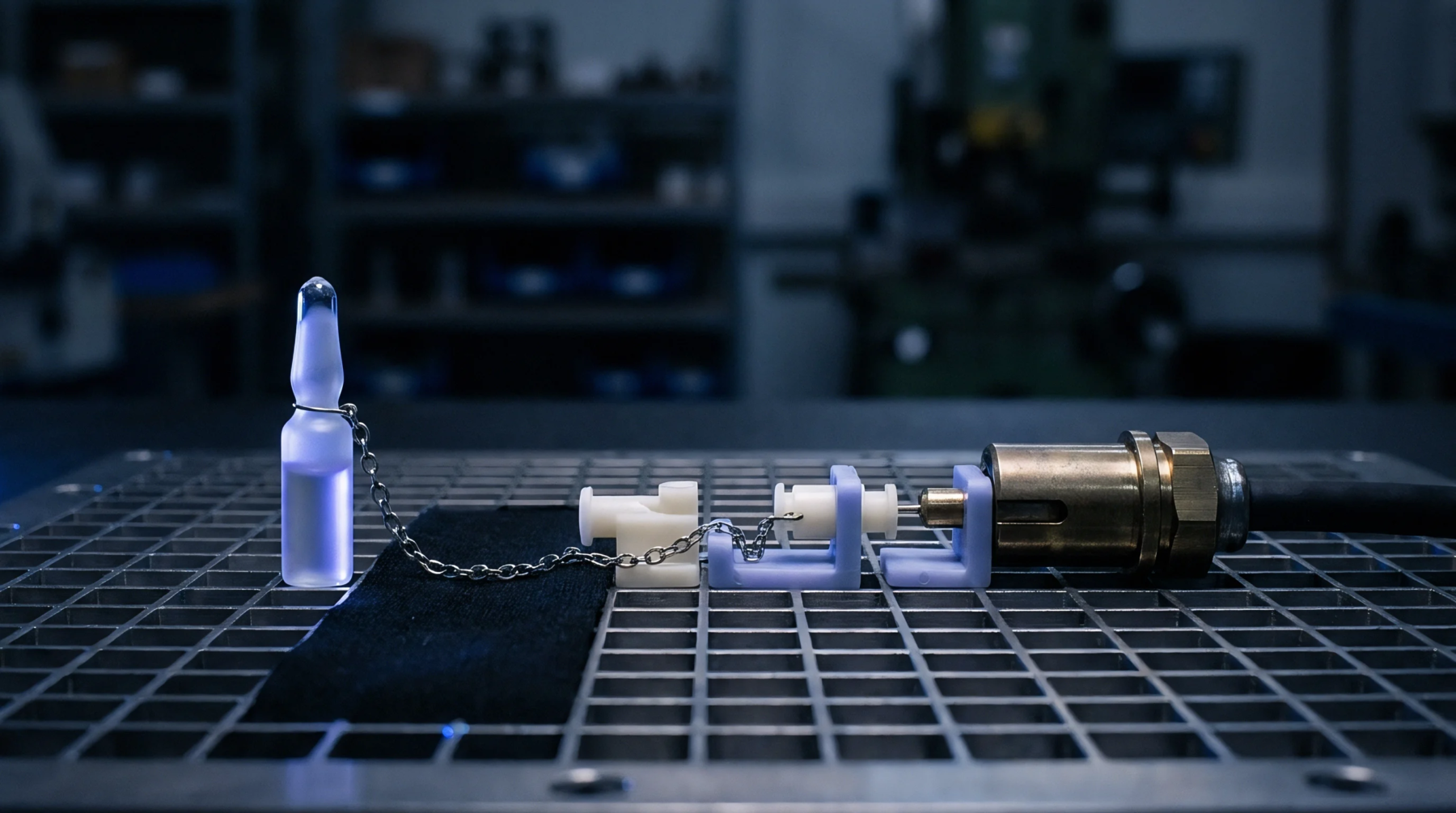
Foreign tooling assets used for production abroad demand accurate assist value declaration on part entry and permanent steel ownership plates on the mold.
Expertise is a utility, not a secret. sentiention™ publishes its working knowledge as open reference: intelligence layer covering the materials it sources, the markets it enters, and the reference that serves both.