Meaning
Statutory frameworks and quality assurance procedures govern the safety of plastic materials intended for direct or indirect contact with consumable products. Food contact packaging compliance requires demonstrating that resin formulations and final converted articles meet legal limits for chemical migration into foodstuff. Materials must preserve food organoleptic properties without transferring harmful substances or changing food composition.
Compliance verification applies to virgin resins, masterbatches and converted packaging structures across all food contact applications.
Chemical Verification
Standardized testing regimes measure total dissolved solids and specific chemical migrants extracted by food simulants under controlled conditions. Achieving food contact packaging compliance mandates verifying that residual monomers and processing aids remain below legal specific migration limits. Laboratory analysis using gas chromatography confirms resin purity before material approval.
Utilizing uncertified regrind or unknown recycled streams invalidates existing compliance documentation.
Conversion Hygiene
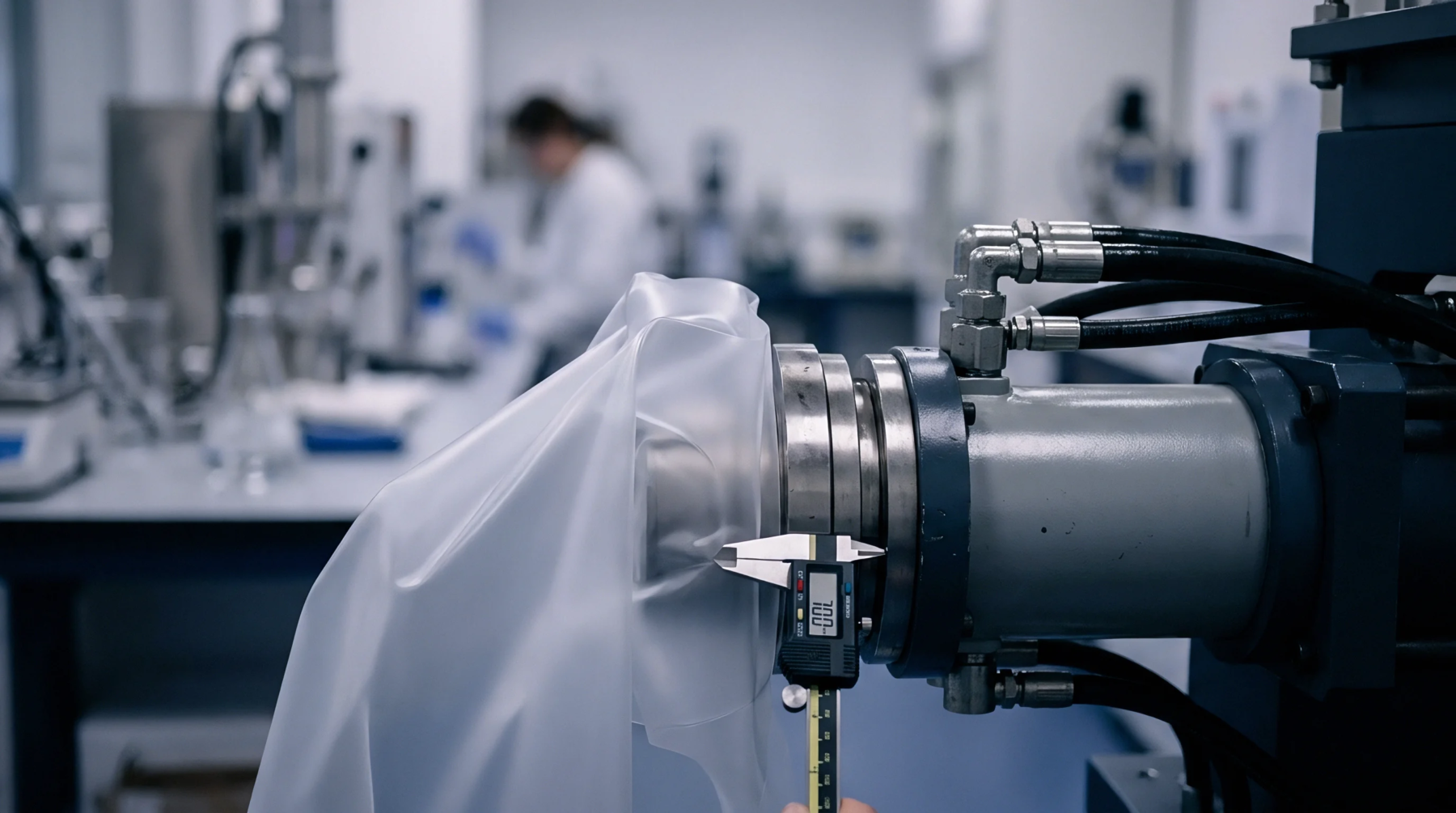
Moulding and extrusion operations must prevent contamination during resin handling and part forming processes. Maintaining food contact packaging compliance requires strict control over machine lubricants, purge compounds and thermal degradation during injection moulding or film extrusion. Excessive processing temperatures generate volatile breakdown products that impart off-odors to packaged foods.
Converters must implement good manufacturing practices to maintain cleanliness across production lines.
Supply Assurance
Traceability throughout the packaging supply chain ensures accountability from raw chemical synthesis to finished package distribution. Maintaining food contact packaging compliance relies on complete declarations of compliance provided by resin suppliers and masterbatch compounders. Auditing supplier documentation protects brand owners against regulatory liability.