
Managing Annealing Condition Variables in Polyethylene Specific Gravity Arbitration
Polyethylene specific gravity arbitration requires converting disputed density claims to a standardized thermal baseline using ISO 17855-2 Method B annealed plaques.

Polyethylene specific gravity arbitration requires converting disputed density claims to a standardized thermal baseline using ISO 17855-2 Method B annealed plaques.

Polyolefin tax exemption audits require strict stoichiometric loss deductions, site-boundary verification, and proof of physical hydrocarbon intake.

Reactor grade polypropylene copolymers absorb sub-zero impact energy through ethylene-propylene rubber domain crazing and interfacial cavitation down to minus forty.

Statistical uncertainty factors for polymer screening convert standard response factor variance into lower tolerance bounds that prevent non-target false negatives.

Deriving ionization efficiency models corrects electrospray response variations in non-targeted NIAS screening, preventing false negatives in recycled resin audits.

Computed tomography volumetric void acceptance requires zoning heavy polymer walls by stress field, setting pore limits below 0.1% in tensile skins.

EU food simulant and condition selection requires matching food chemistry and thermal exposure to Regulation 10/2011 matrices to secure legal market access.

Gallium phosphate transducers maintain linear piezoelectric performance up to 750 °C when housing pre-load mechanics offset thermal expansion anisotropy.
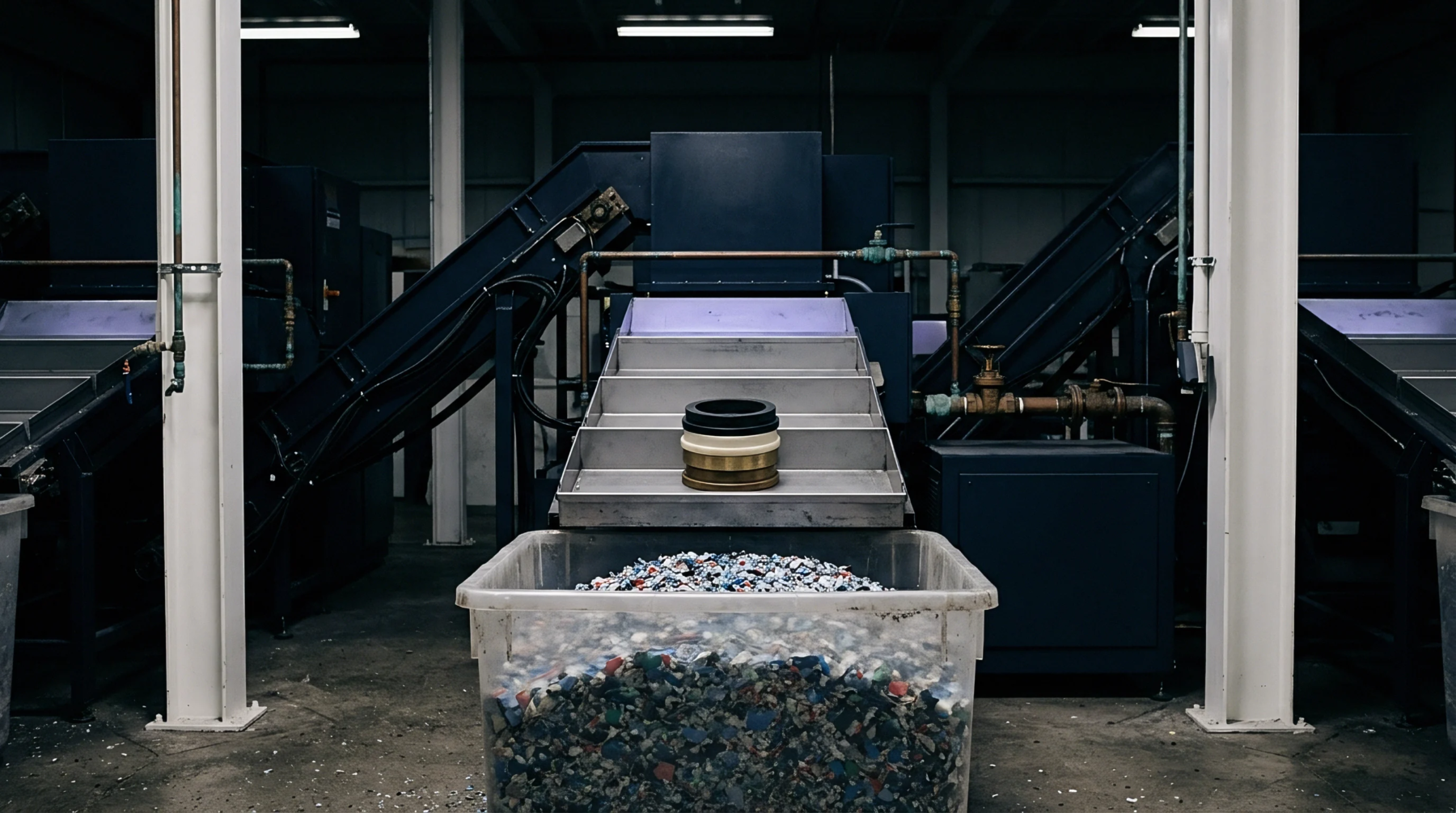
Resolving mineral oil saturated hydrocarbons from polyolefin oligomers demands online liquid chromatographic cleanup combined with two-dimensional gas spectrometry.

Polyolefin oligomer screening requires coupled LC-GC-FID quantification of POSH and POAH fractions below ten parts per billion using matched food simulants.
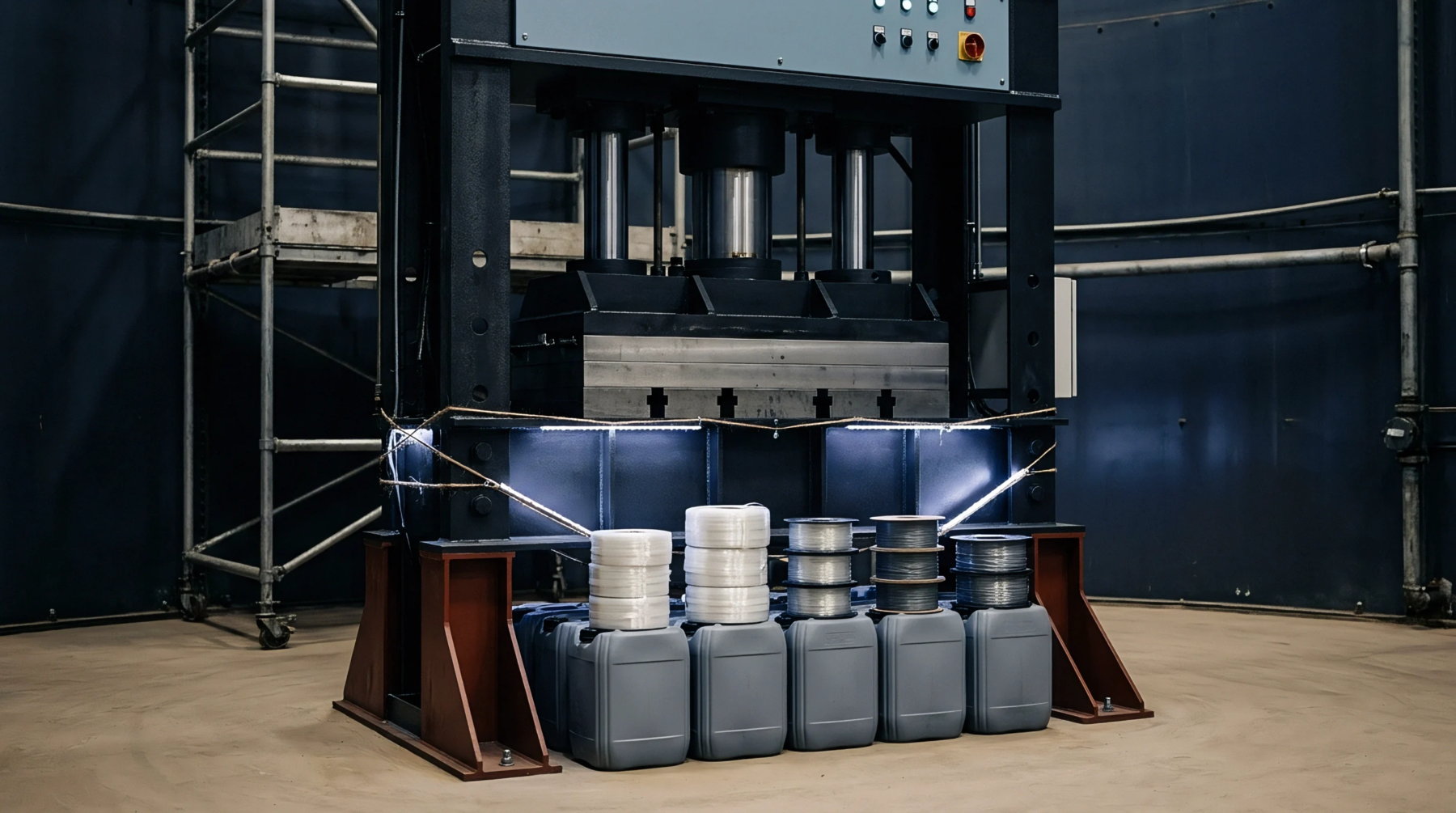
Verify photoinitiator compliance in recycled HDPE via GC-MS/MS extraction and ten-day migration testing under 10 ppb thresholds before signing declarations.

ISO 22095 mass balance compliance demands empirical stoichiometric yield factors, strict physical transport boundaries, and zero unbacked multi-site credit transfers.

Accurate non isothermal tube characterization reduces thermoforming wall variance to under six percent at hundred hertz stretch rates.

Non-targeted HRMS screening of masterbatches under realistic thermal profiles closes analytical gaps that supplier raw-material declarations leave open.

Deriving Ogden constitutive parameters pairs non-linear biaxial stretch data with Drucker stability constraints to ensure reliable finite element simulations.

Calibrating high-shear capillary rheology via Bagley and Weissenberg-Rabinowitsch corrections prevents off-spec polyolefin lot processing failures.

Screening unknown volatile migrants demands thermal liberation, high-resolution spectral deconvolution, worst-case mass balance, and toxicological hazard assignment against threshold limits.

Uniaxial tensile tests misrepresent multi-axial yield, physical aging, and strain-rate sensitivity in amorphous polymers, causing structural failure in real parts.

Analytical screening of HDPE consignments requires solvent extractions, GC-MS profiling, and diffusion modeling to verify food contact compliance before release.

Mitigate HRMS response factor uncertainty in rPET compliance by replacing single surrogates with class-matched standards and predictive ionization algorithms.

Deriving valid PET non-target screening thresholds requires adjusting the 10 ppb toxicological limit by an empirical mass spectrometry response uncertainty factor.

Apply 0.01 mg/kg food screening thresholds to non-target polyolefin extracts using high-resolution mass spectrometry and response factor uncertainty multipliers.

Verifying post-consumer recycled plastic content for European tax exemptions requires paired analytical testing and EN 15343 mass balance auditing.

Plate flexure calculation and support pillar pre-charging prevent parting line flash by maintaining structural deformation below resin flow thresholds.

Dynamic cavity pressure drives micro-asperity deformation to boost polymer interfacial thermal conductance tenfold, demanding pressure-dependent heat transfer models for cycle optimization.

High vacuum twin screw devolatilization of rPET removes VOCs down to food contact limits by maximizing melt surface renewal at sub millibar pressures.

Real-time hydraulic and cavity pressure integral evaluation isolates sub-gram part variations within a 10-millisecond window to automate defect rejection before mold open.

Laser weld fatigue is resolved by stripping recast white layers via micro-abrasion and tempering residual tensile stresses into compression.

Machine learning models correct electrospray response factors for polymeric migrants, preventing gross underestimation of NIAS concentrations in food contact compliance filings.

Harmonizing statutory factory liens demands pre-filed property registrations, direct bailment agreements, and press-side asset engravings before shipping steel.
Expertise is a utility, not a secret. sentiention™ publishes its working knowledge as open reference: intelligence layer covering the materials it sources, the markets it enters, and the reference that serves both.