Polymer Migration Testing Parameters for European Food Contact Compliance
European food contact polymer compliance mandates measuring total migration below 10 mg/dm² and specific migration limits using exact simulants and conditions.

European food contact polymer compliance mandates measuring total migration below 10 mg/dm² and specific migration limits using exact simulants and conditions.

Real-time telemetry latency compensation prevents micro-wall mould flash by adjusting press switchover commands for thermal and digital sensor delays.

Cavity pressure telemetry decouples fast-cycle moulding from resin viscosity shifts by driving switchover directly from real-time in-cavity melt fronts.

Cavity pressure closed loop control dynamically regulates melt pressure profiles to hold sub-hundredth millimeter tolerances despite batch and thermal drift.

Polyethylene tariff entry requires density testing per ISO 1183-1 Method A on annealed plaques, where crossing 0.940 g/cm³ shifts classification from 3901.10 to 3901.20.

Cramer structural classification sets exposure thresholds for unlisted packaging migrants, turning molecular features into defensible specific migration limits.

Evaluate differential thermal growth and land area stress to set accurate cold preload gaps and prevent parting line compression yield in high-cavitation tools.

Heterophasic polypropylene copolymers with controlled rubber dispersion prevent brittle container shattering during sub-zero cold chain transport and drop impact.

Impact copolymers deliver superior notched and subzero impact resistance over homopolymers by incorporating a dispersed ethylene-propylene rubber phase.
Quantifying photoinitiator residues in recycled polyolefins demands solvent extraction and mass spectrometry to verify migration limits under European food contact rules.

Quantifying polyolefin oligomers relies on silver nitrate silica cleanup, epoxidation of olefins, and LC-GC-FID UCM hump integration against alkane markers.
Computational prediction of LC-ESI relative response factors reduces semi-quantification errors for uncharacterized food contact migrants.

Adaptive baseline subtraction routines isolate volatile contaminant peaks from matrix background noise, preventing costly false positive resin lot rejections.

Coulometric Karl Fischer titration paired with thermal desorption measures water down to 10 ppm while preventing matrix degradation in recycled polymers.

Dynamic multi-stage holding pressure profiles control core fiber relaxation, reducing transverse shrinkage differentials in glass-filled polyamide components.

Increasing peak cavity pressure compresses polyamide melt during solidification, directly counteracting phase-change volumetric shrinkage and tightening component tolerances.

Coulometric Karl Fischer testing with oven desorption at 170 °C isolates true water content in rPET below 50 ppm, preventing costly IV degradation during melt processing.

Establishing non-target screening limits requires dividing toxicological thresholds by lower-bound relative response factors to ensure reliable detection.
Side-viewing prisms and polarized optical coherence gating extend sidewall slope scanning limits beyond eighty-five degrees in deep tooling cavities.
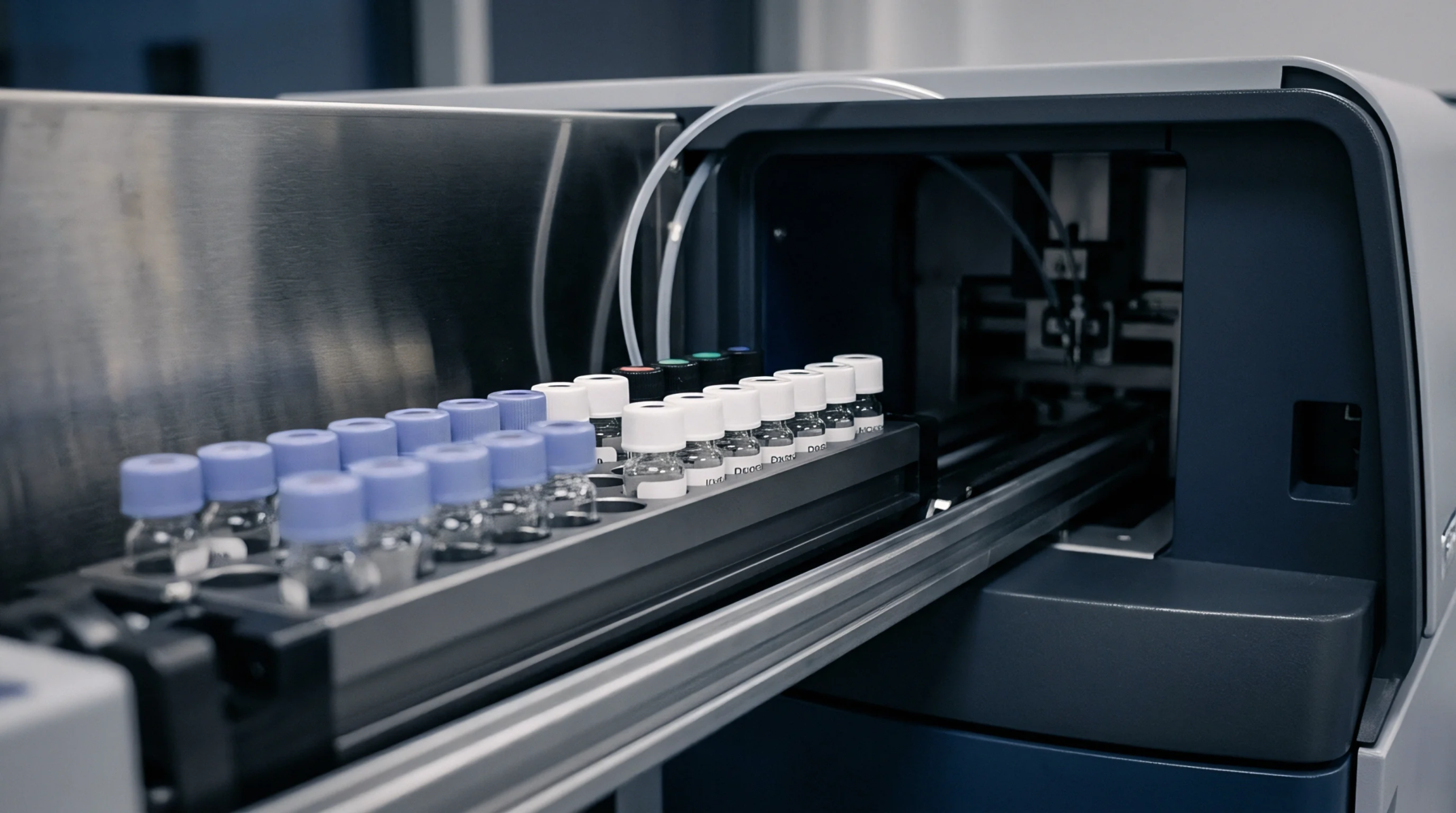
Solid-phase transesterification releases stoichiometric reaction water during vaporization coulometry, creating analytical bias that requires linear baseline deconvolution.
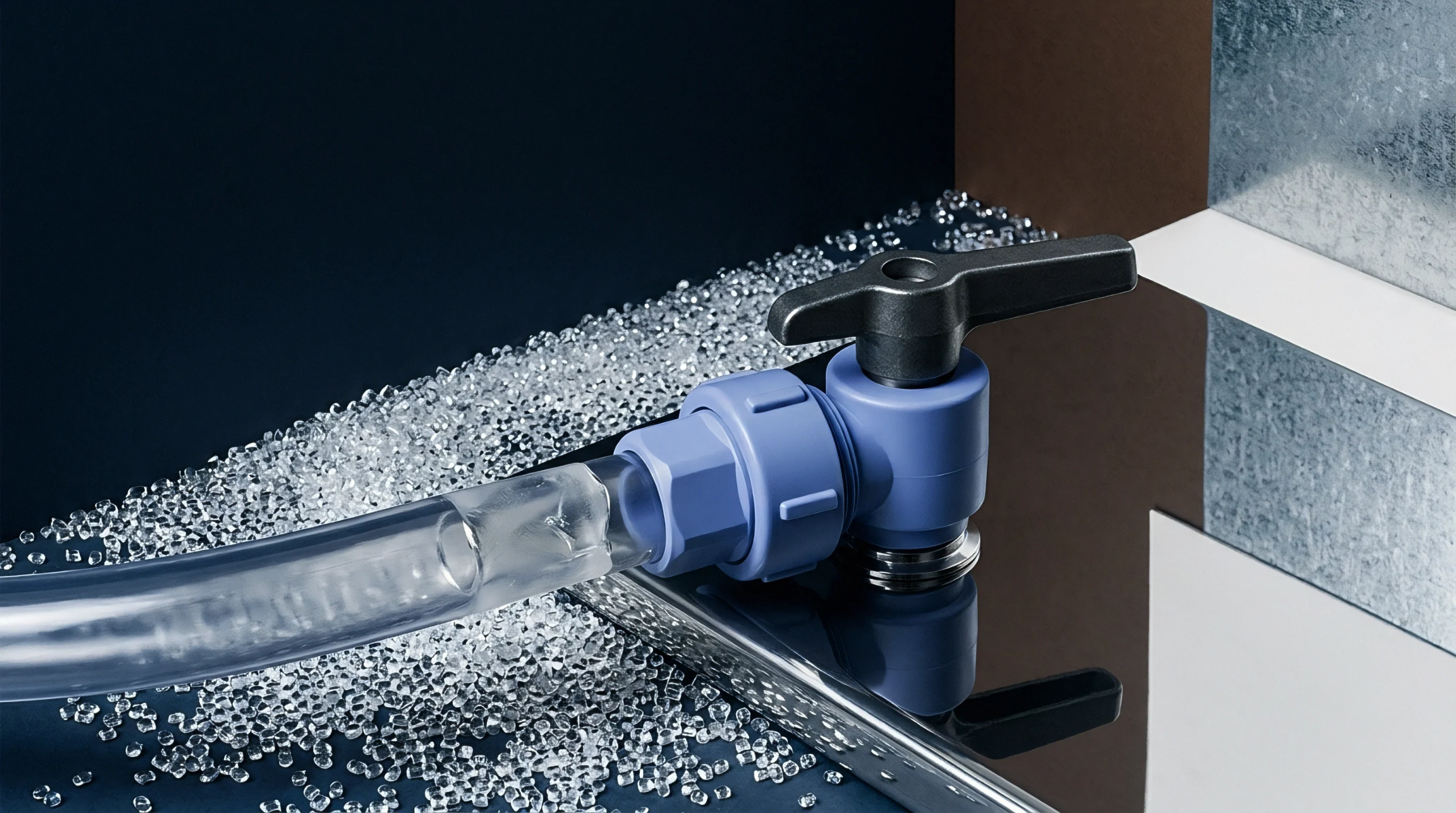
Preparative isolation of low molecular weight polyolefin fractions requires rigorous thermal solvent extraction to verify food contact compliance and REACH boundaries.

In situ CSI calibration for deep draft cavity sidewalls requires right-angle fold mirror optical path matching and verified local step height standards.

Dynamic piezo core adjustments during moulding freeze sub-micron resonator dimensions, stabilizing frequency and eliminating post-moulding laser trim steps.

Non-intentionally added substance mass spectrometry protocols require combined GC-HRMS and LC-HRMS screening below 10 ppb to verify recycled polyolefin food safety.

ISO 25178 defines 3D areal surface parameters like Sa and Sdr, replacing 2D profiles to qualify optical non-contact inspection on textured tool steel and mouldings.
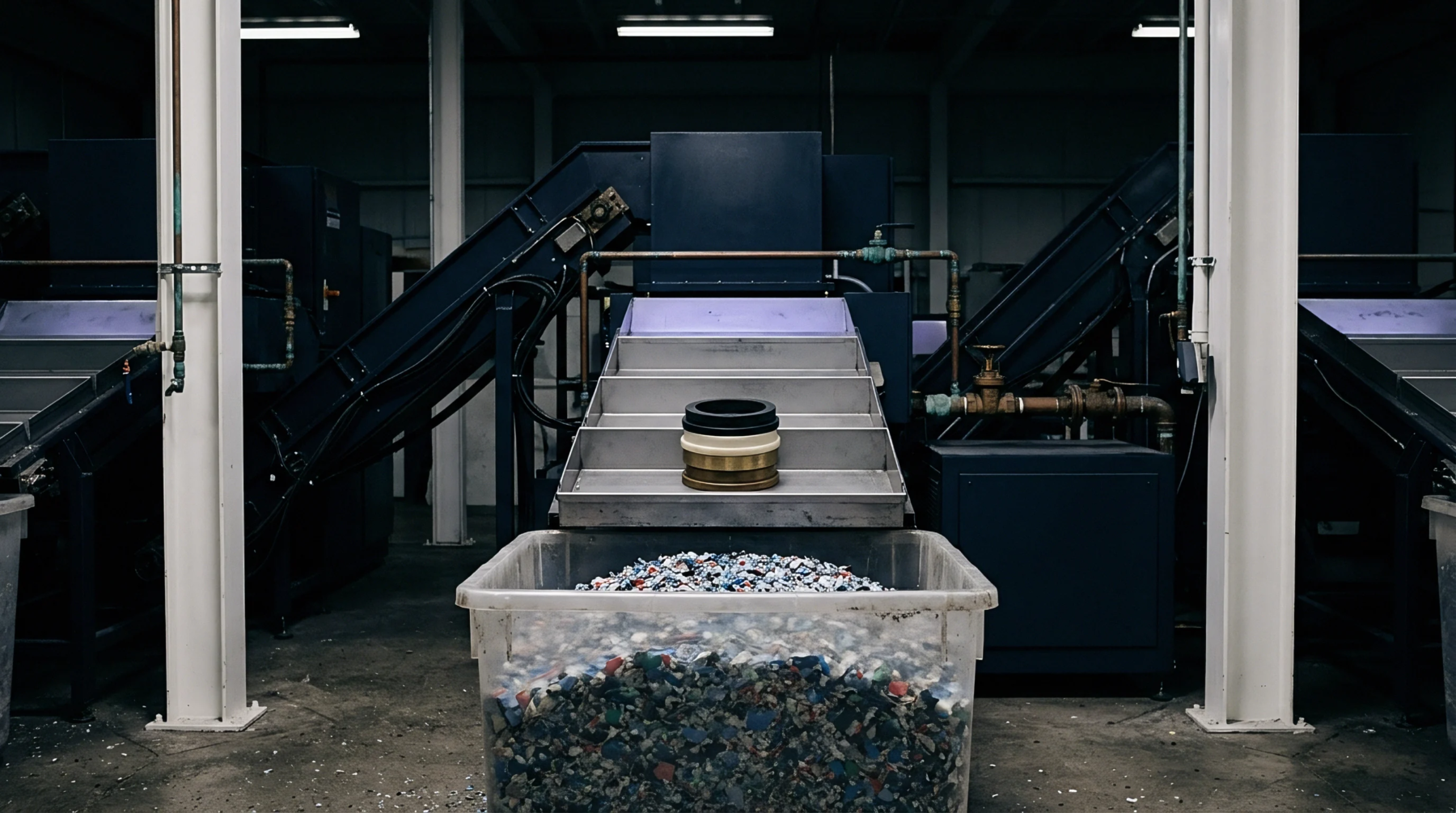
Polyolefin food contact validation requires surrogate challenge testing demonstrating matrix devolatilization down to safe migration thresholds under worst-case parameters.
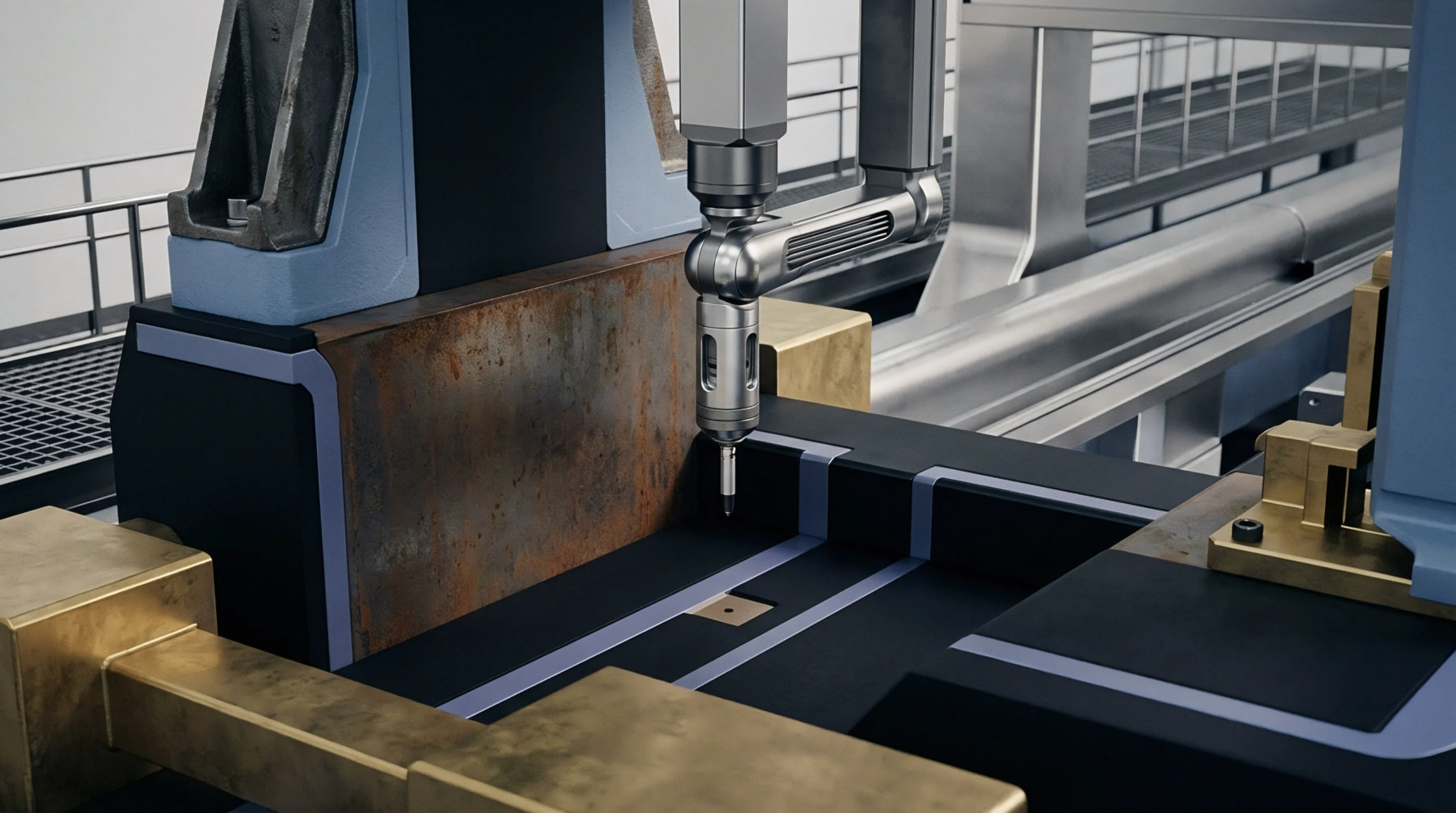
Mitigating RF loss in tool steel waveguides requires multi-layer copper plating exceeding three skin depths over sub-micron ground or electroformed split-block cavity inserts.

Dynamic rheological frequency sweeps detect ultra-high molecular weight tails in bimodal polyolefins where standard melt flow rates fail.

Auditing converter additive disclosures against container migration limits requires screening recipe dosages against diffusion kinetics and analytical test results.

Capillary rheometry fails below 10% third-pass regrind because high shear rates mask molecular weight drop beneath equipment noise floors.
Expertise is a utility, not a secret. sentiention™ publishes its working knowledge as open reference: intelligence layer covering the materials it sources, the markets it enters, and the reference that serves both.