
Polyolefin Market Price Indexation Based on Steam Cracker Feedstocks
Polyolefin price indexation isolates monomer volatility through mass-balance multipliers while fixing manufacturing adders against objective benchmarks.

Polyolefin price indexation isolates monomer volatility through mass-balance multipliers while fixing manufacturing adders against objective benchmarks.

Coulometric Karl Fischer vaporization separates true container moisture from degradation volatiles through optimized carrier flow and matrix-specific heating.

Radiocarbon dating cannot verify chemically recycled fossil polyethylene because post-consumer fossil plastic contains zero carbon-14.

Apportion moisture liability across resin counterparties by validating sealed Karl Fischer oven samples against carrier packaging logs and hopper dew points.

Transit moisture ingress causes hydrolytic chain scission in engineering polymers; enforce aluminum packaging and ISO 15512 titration limits at delivery.

Weld line biaxial fatigue resistance requires sequential valve gating or variotherm tooling to eliminate severe matrix-dominated knockdown under cyclic thermal strain.

Exemption from European plastic packaging taxes requires third-party accredited EN 15343 chain-of-custody records linking batch resins to post-consumer waste.

Map injection moulding flow tensors into Abaqus using Hill plasticity to resolve polypropylene anisotropy and prevent premature structural failure.

Accurate structural FEA requires mapping second-order orientation tensors from flow solvers to FEA meshes using validated invariant-based closure models.

Amide slip kinetics follow amorphous volume fraction and temperature gradients; managing interlayer migration requires barrier cores or secondary amides.
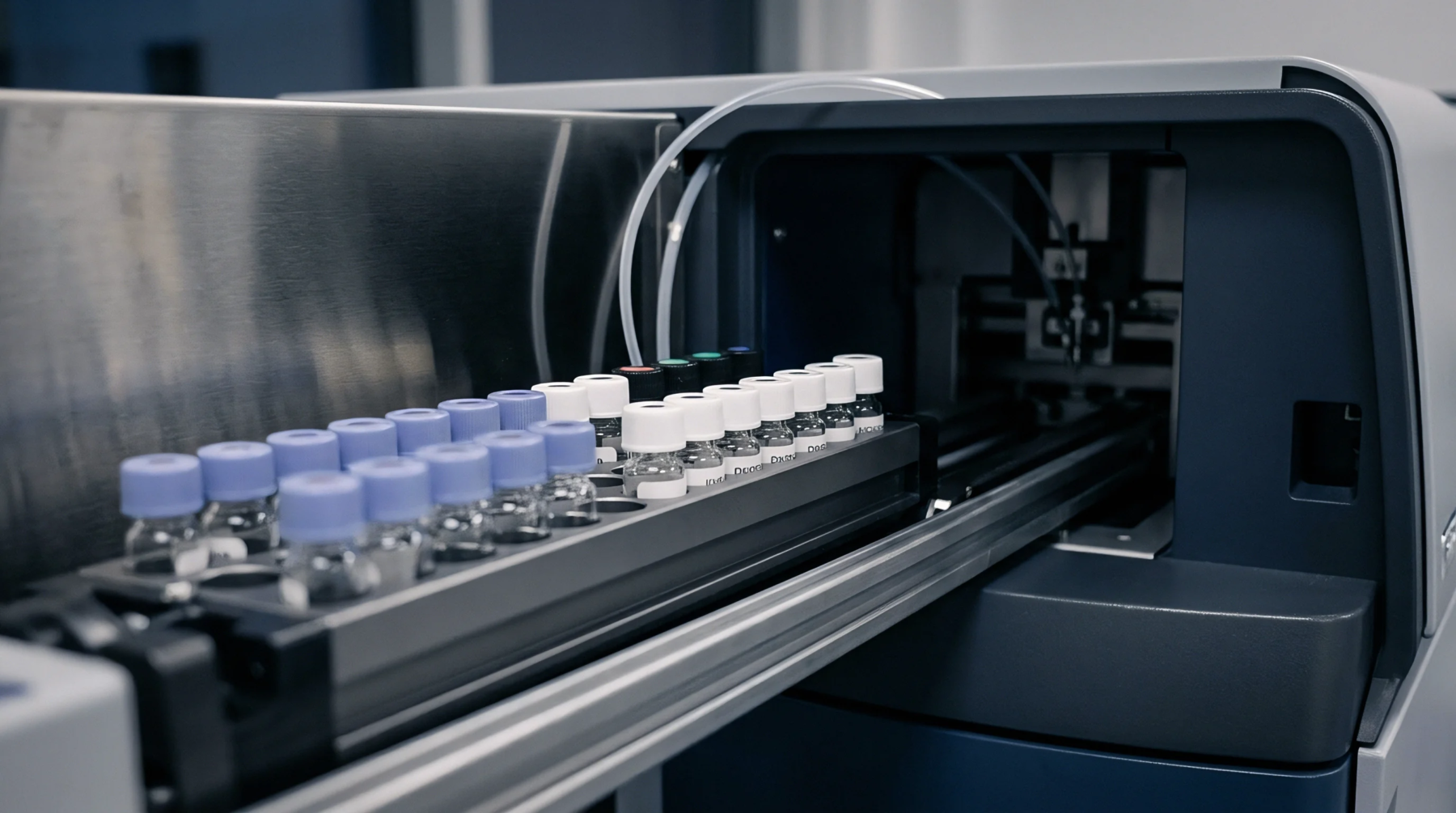
Transferable machine learning quantification across mass spectrometers requires domain-adapted anchor calibrants to prevent border clearance failures.

ATR FTIR spectroscopy quantifies polyolefin slip bloom within the evanescent zone, linking surface migration to friction without solvent extraction delays.

Optical scanning and calibrated pressure foil convert shutoff land inspection into digital metrics, securing flash-free runs on high-cavitation tools.
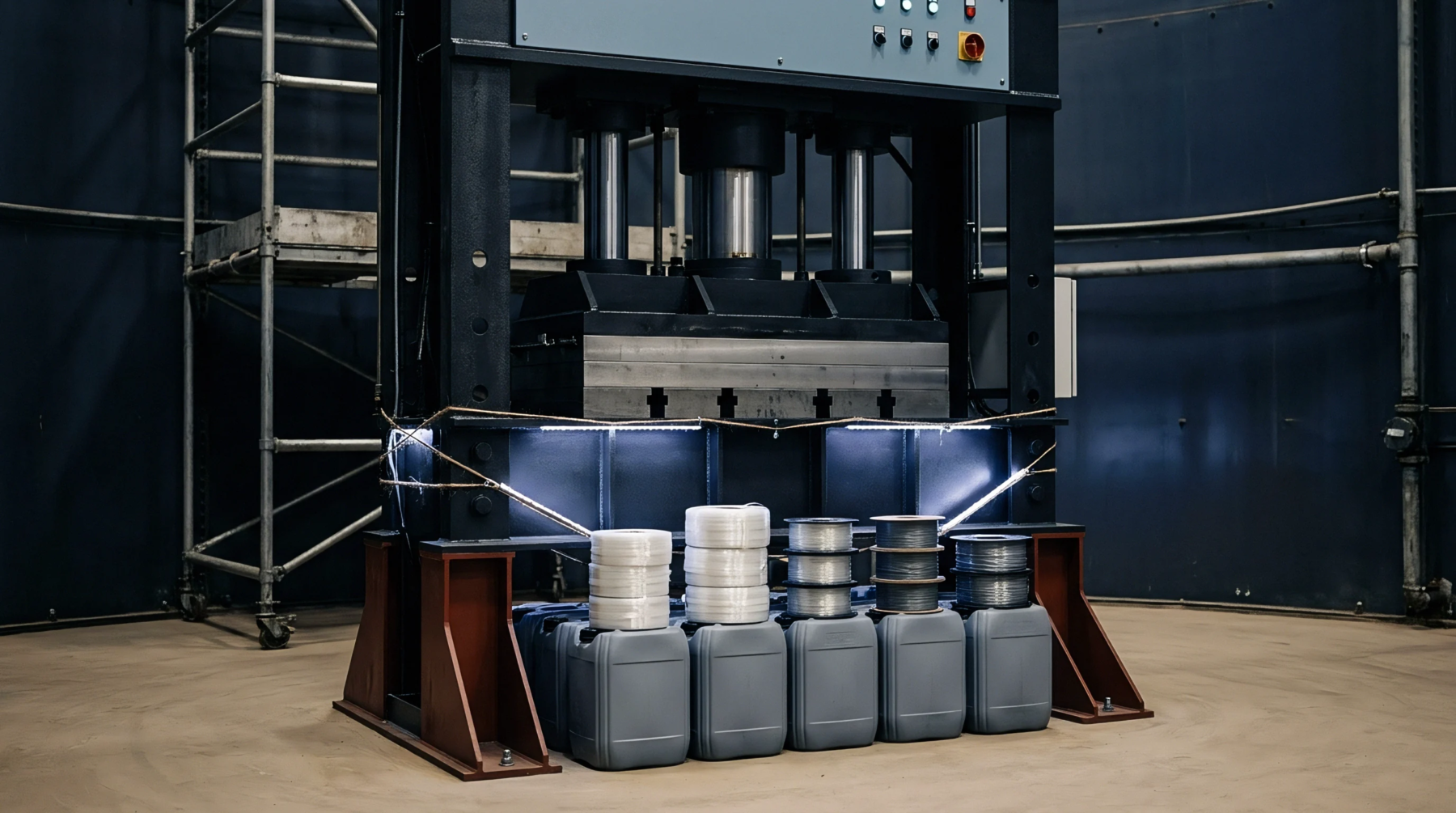
Angled hydraulic shutoffs demand deliberate cold clearances and mechanical preloads to balance thermal expansion against frame deflection and prevent flash.

Machine learning response factor calibration converts uncalibrated non-target mass spectrometry peaks into defensible migration values for compliance screening.

Polyethylene slip amides migrate via matrix supersaturation, dropping film kinetic friction below 0.22 through surface crystallization within 72 hours.

Electrospray ionization efficiency modeling converts untargeted peak areas into verified migrant concentrations, preventing false food-contact compliance filings.

Verify shutoff lands by balancing land contact area to machine tonnage and confirming 85 percent contact via pressure film and hot-mold wire crush testing.

Trans-steel sensor arrays require dielectric waveguides or acoustic paths to bypass extreme RF loss, maintaining a 15 dB link margin under full clamp tonnage.
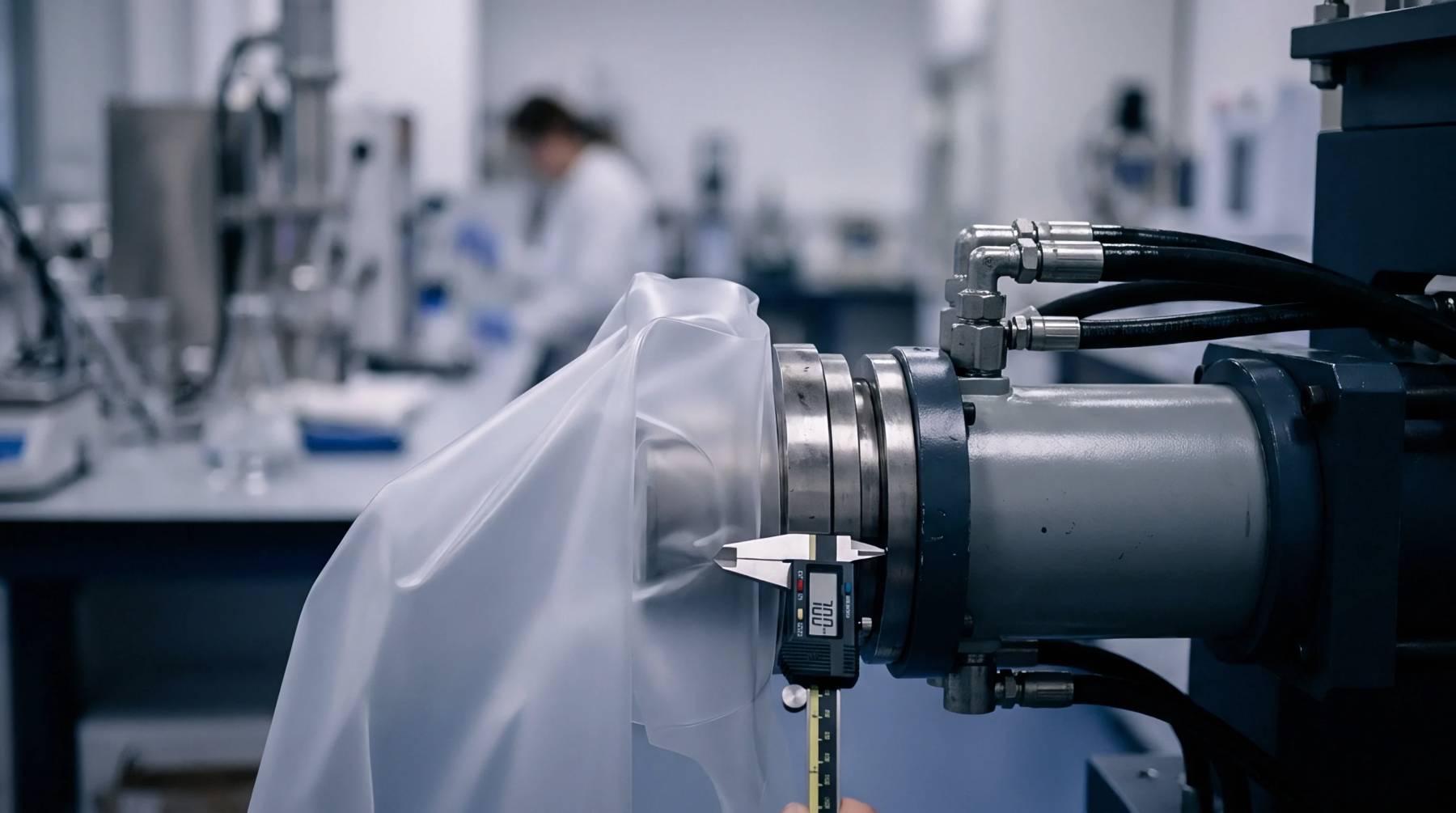
Dynamic post-column infusion calibrates electrospray matrix suppression distributions, aligning extractable quantification across divergent laboratory platforms.
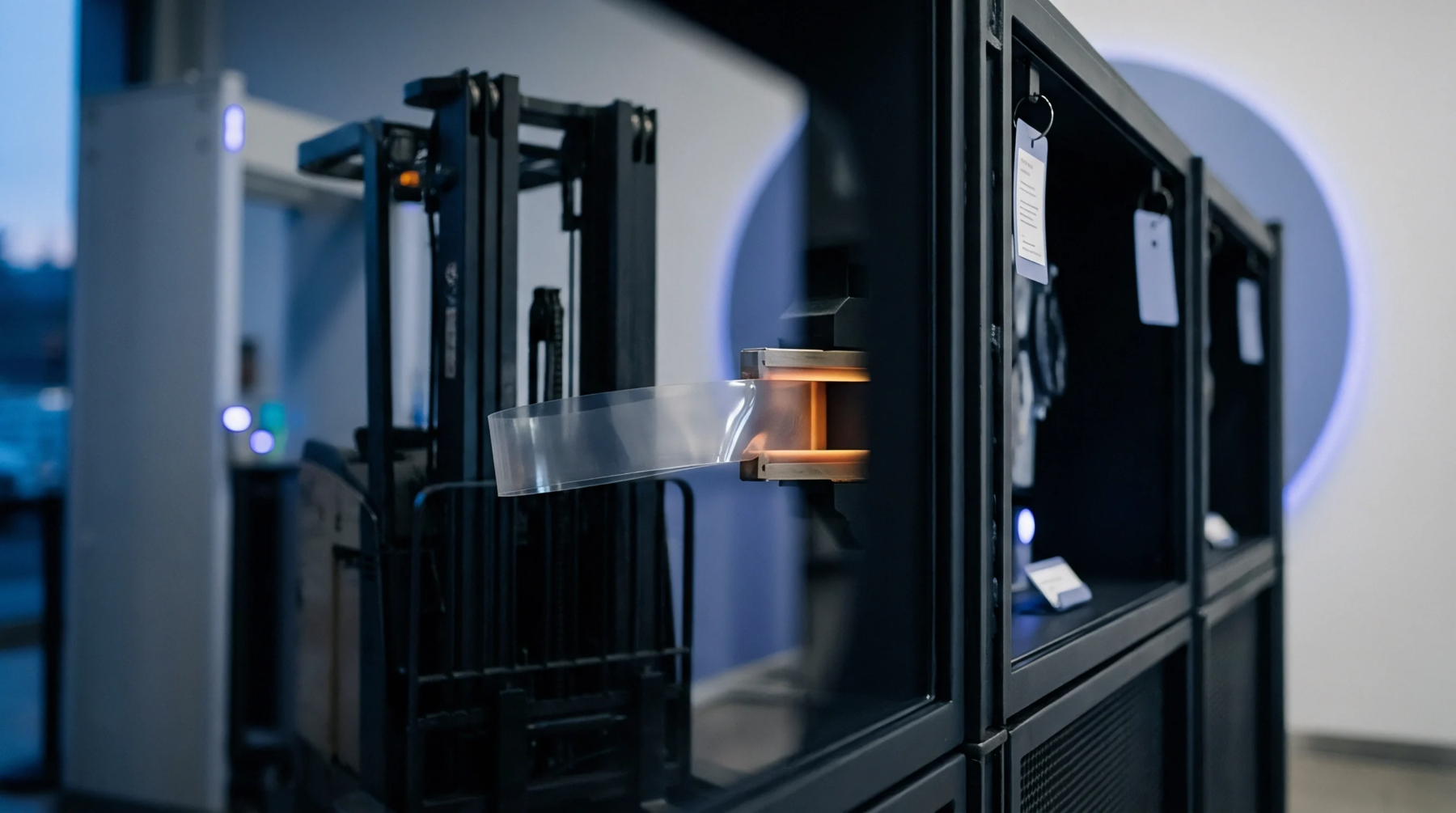
Rigid sensor pocket tolerances and in-press dynamic charge calibration isolate melt viscosity shifts from thermal pin deflection across multi-cavity tools.
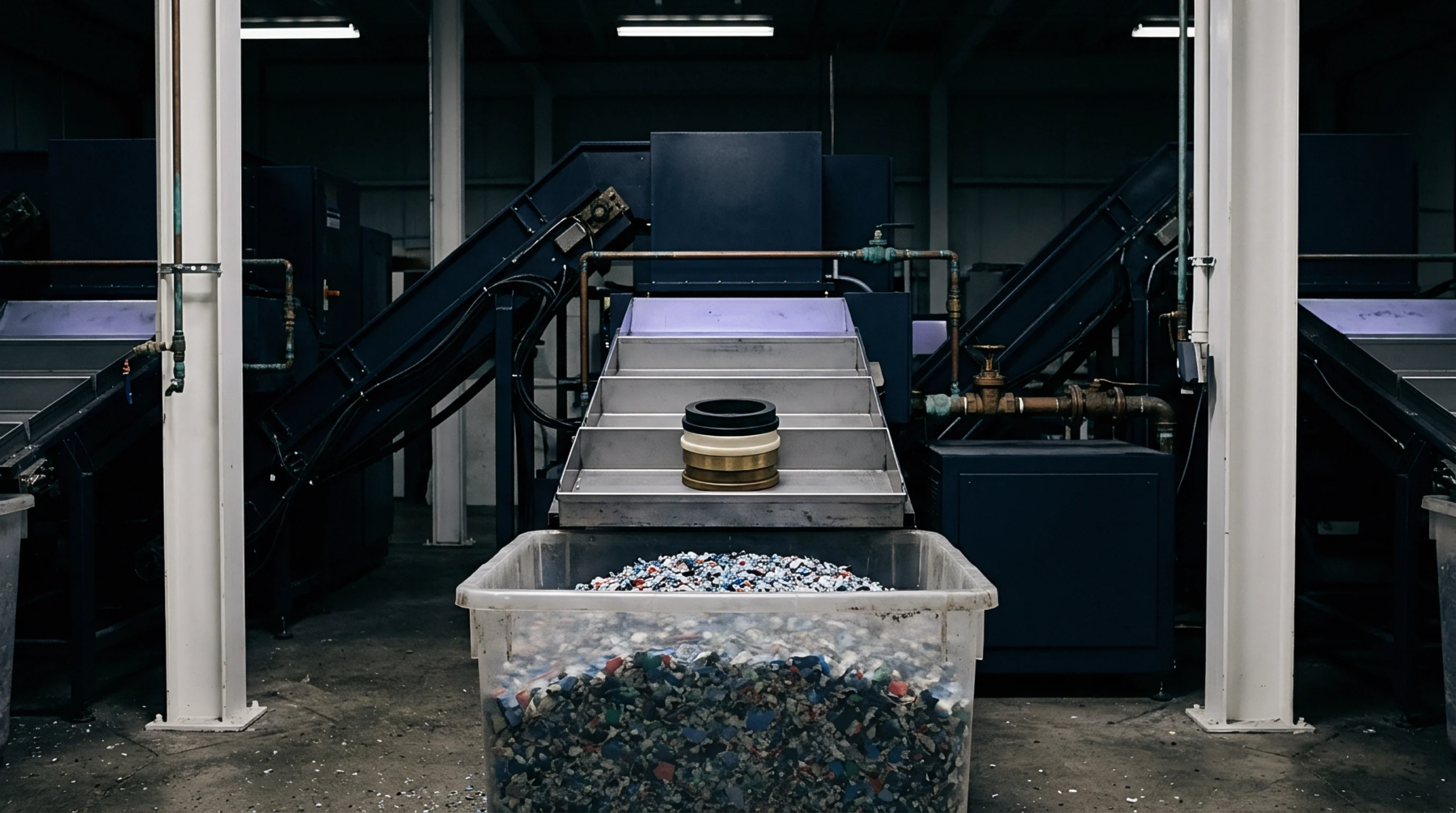
High-shear reprocessing triggers mechanochemical crosslinking in polyethylenes, generating infusible microgels and swelling that ruin downstream film stability.

Dual-load melt flow testing verifies shear thinning and molecular weight spread, catching recycled resin lot variation before it causes scrap.

Single-point melt index fails to predict processability; high-shear capillary and dynamic oscillatory testing prevent costly tooling scrap and cycle delays.

Rheological runner balancing uses melt rotation inserts to equalize thermal shear layers across runner branches, preventing filling imbalances across cavities.

Quantifying relative response factor variance requires applying statistical correction multipliers to prevent underreporting non-target packaging extractables.

Dynamic interfacial thermal resistance models coupled with anisotropic shrinkage tensors prevent dimensional sizing errors in precision injection tooling.

Relative response factor multipliers scale semi-quantitative screening peaks upward, preventing false compliance claims on unidentified plastic migrants.

Interfacial air entrapment slashes local heat flux by eighty percent, triggering localized spherulitic expansion that drives severe dimensional warpage.

Non-targeted screening uses high-resolution mass spectrometry and toxicological thresholds to isolate and clear unknown migrants in food-contact polymers.
Expertise is a utility, not a secret. sentiention™ publishes its working knowledge as open reference: intelligence layer covering the materials it sources, the markets it enters, and the reference that serves both.