Meaning
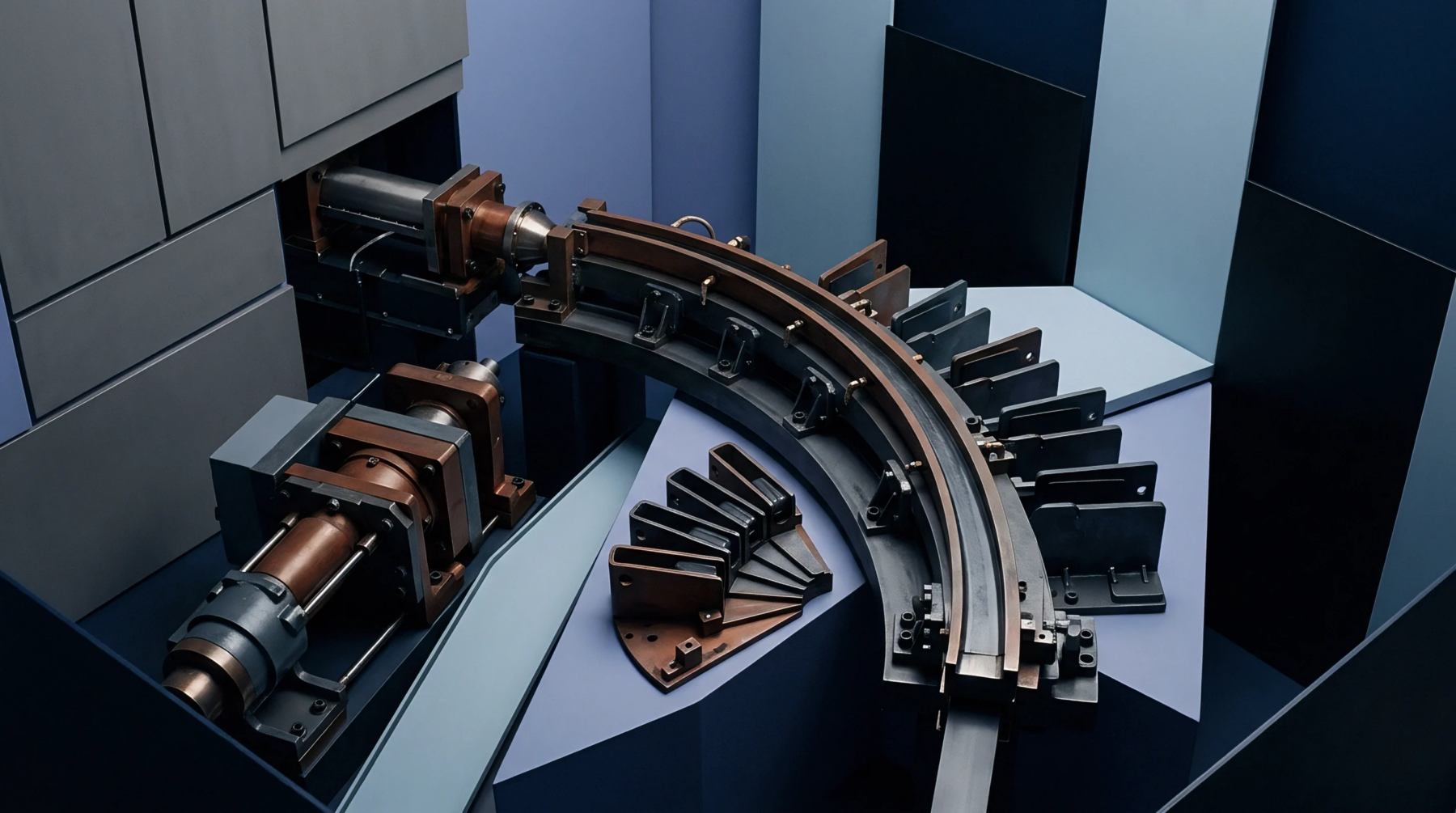
Fluid behavior where parallel layers of polymer melt slide past each other without mixing or turbulent disruption dominates the injection molding process. In this regime, laminar flow rotation describes the twisting or reorientation of these melt layers as they navigate bends in the runner system. This effect redistributes shear-heated material from the runner walls to the center of the flow.
Shear Redistribution
Molten polymer experiences high shear rates near the cool mold walls, which increases the local temperature and lowers the viscosity. Through laminar flow rotation, this hot, low-viscosity material shifts from the perimeter toward the core as the melt flows through runner turns. This action alters the temperature profile of the polymer stream, ensuring that downstream channels receive a more uniform mixture.
Cavity Imbalance
Unequal material properties across different branches of a runner lead to variations in cavity filling. When laminar flow rotation is absent or asymmetrical, one side of the runner receives warmer material than the other. This thermal asymmetry causes differences in part weight and dimensions.
Defect Reduction
Thermal non-uniformity within the melt creates molded parts with varied contraction rates. Utilizing laminar flow rotation ensures a more homogenous melt temperature before the polymer enters the gate. This uniform temperature reduces the risk of warpage in the finished parts.