
Mineral Insulated Cable Routing Strategies for High Temperature Mould Telemetry
Recessed MI cable routing with thermal expansion loops prevents wire pinch, shields noise, and eliminates press downtime in high-temperature moulds.

Recessed MI cable routing with thermal expansion loops prevents wire pinch, shields noise, and eliminates press downtime in high-temperature moulds.
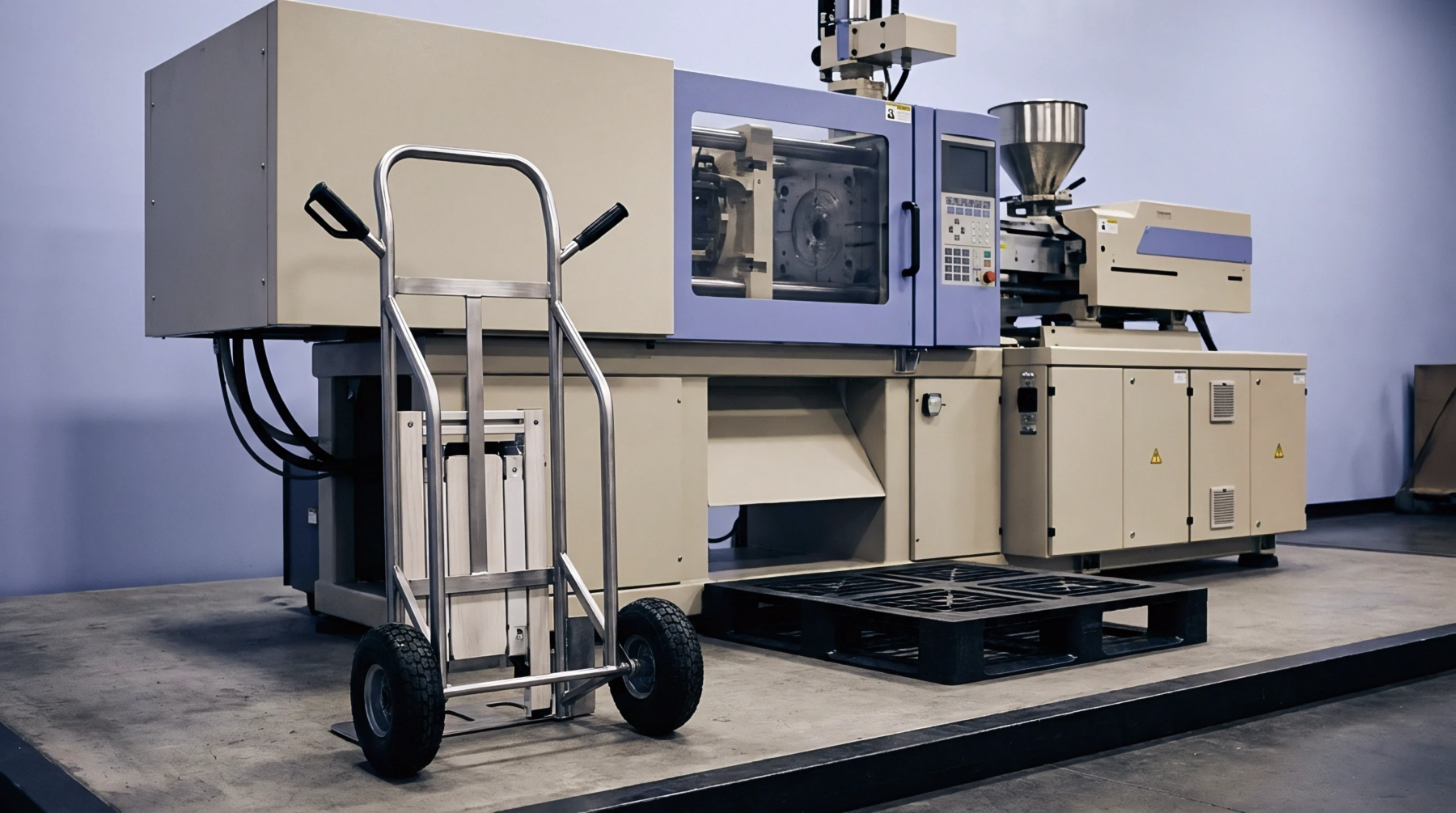
Cross-border mass balance plastic credit transfers require local physical resin matching to survive Member State plastic tax audits.
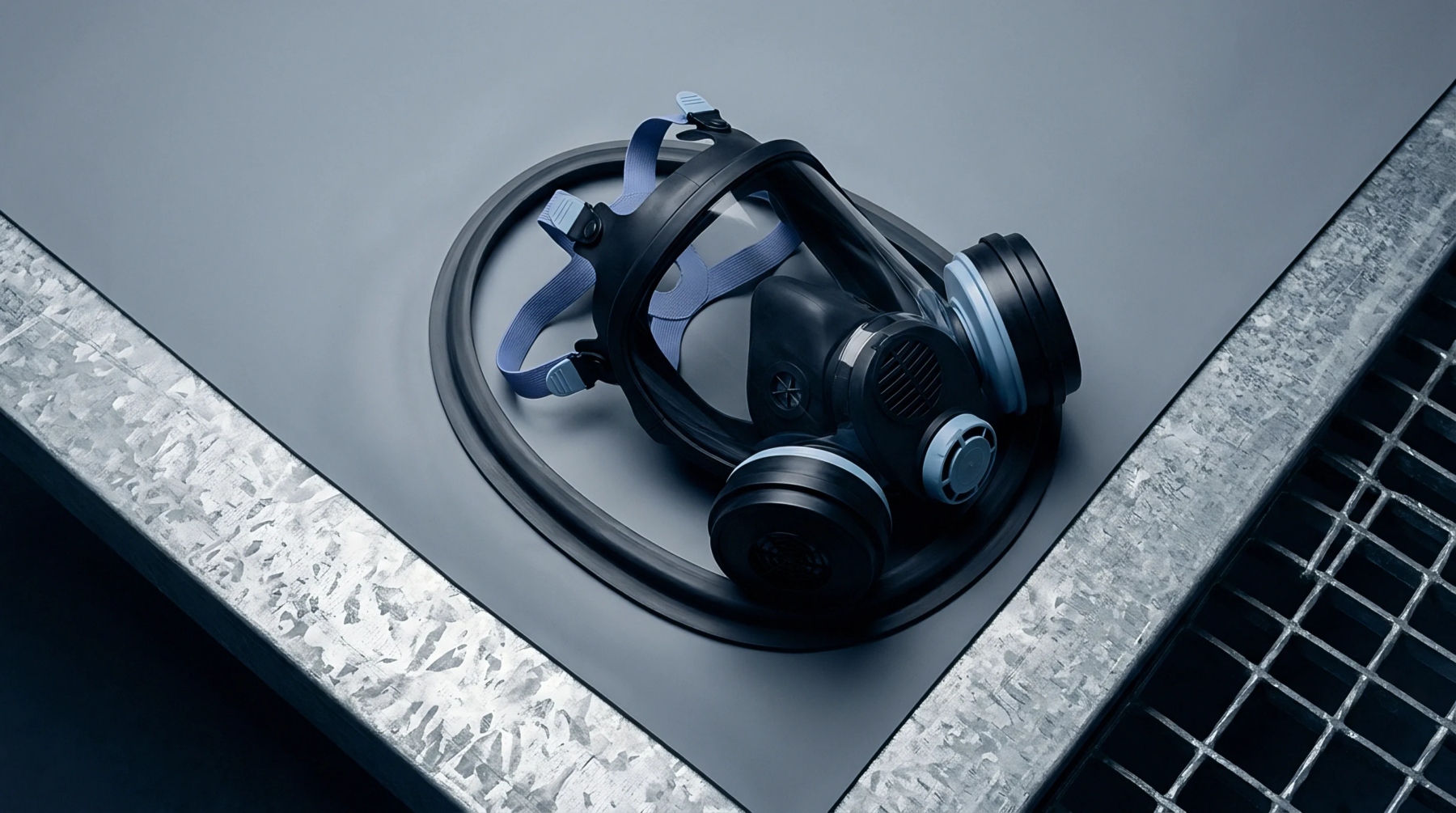
Dynamic sensor drift in high-temperature tooling stems from insulation drop and thermal charge loss; manage via matched crystals, cabling, and reset timing.
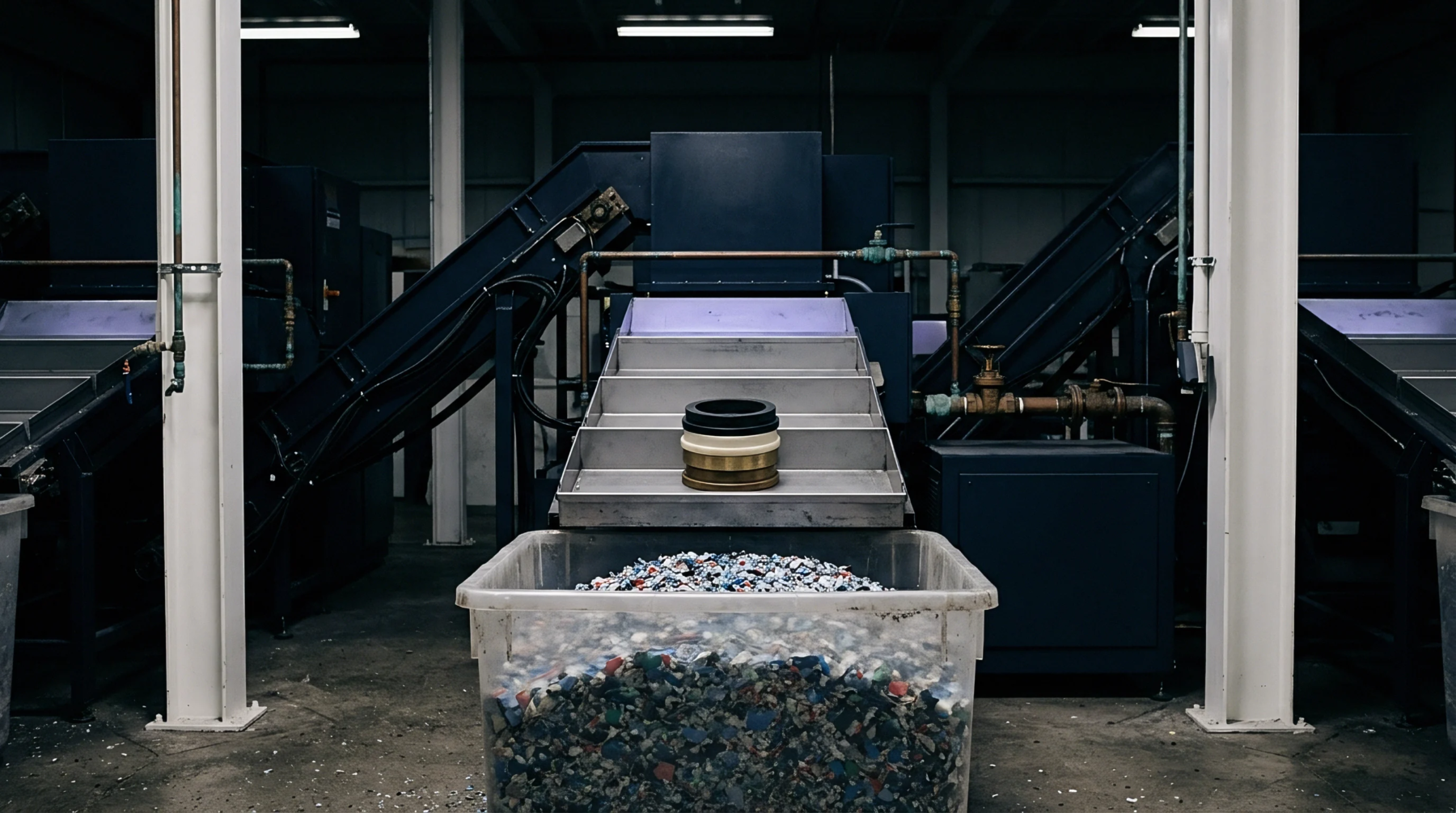
Mathematical peak deconvolution separates coeluting volatile degradation products from polyolefin oligomer baselines, enabling accurate resin qualification.
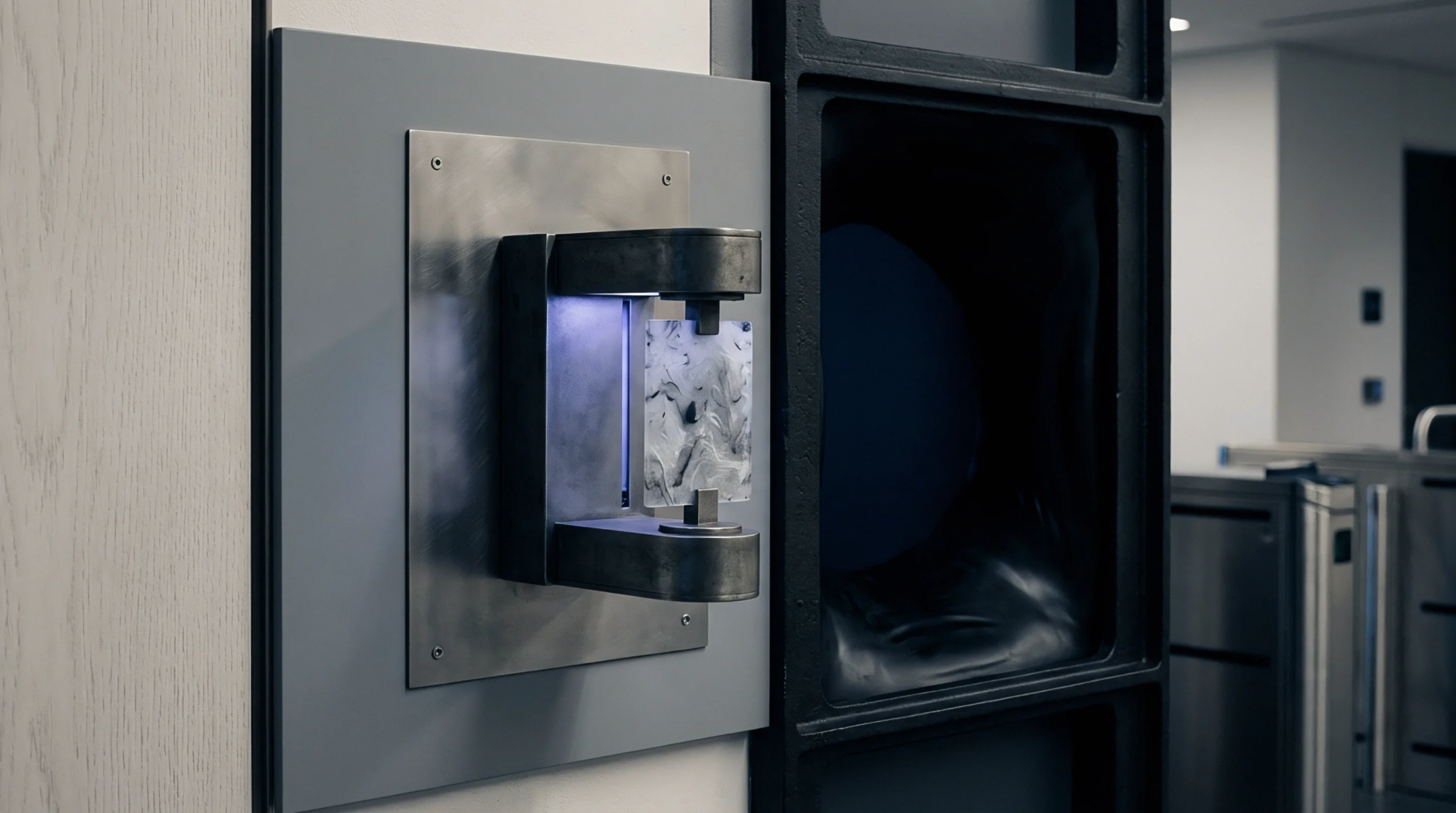
Headspace volatile extraction quantifies residual odorants and degradation products in recycled resin to establish compliance and prevent lot failures.

Tax authorities enforce physical facility boundaries, rejecting remote chemical mass balance credits that lack direct feed pipe or site-level feedstock records.

Statutory verification of recycled content in single-site chemical recycling requires mass balance boundaries, fuel exclusions, and batch loss accounting.

Securing tool releases in plant restructurings requires precise statutory notice filings, rapid bankruptcy administrative claim assertions, and direct cash collateral settlements.

Secure immediate repossession of bailment tooling from bankruptcy estates by proving true bailment through UCC-1 filings, asset tags, and lifting the stay.

Foreign tooling ownership relies on engraved asset tags, distinct bailment agreements, and prompt insolvency receiver filings to prevent asset liquidation.

Harmonizing mass balance ledgers with NIAS protocols requires pairing credit attestation documents with batch-specific high-resolution migration screening.

Mitigate stoichiometric Karl Fischer interference in rPC by lowering oven extraction to 175 C and using buffered glycol-ether reagents.
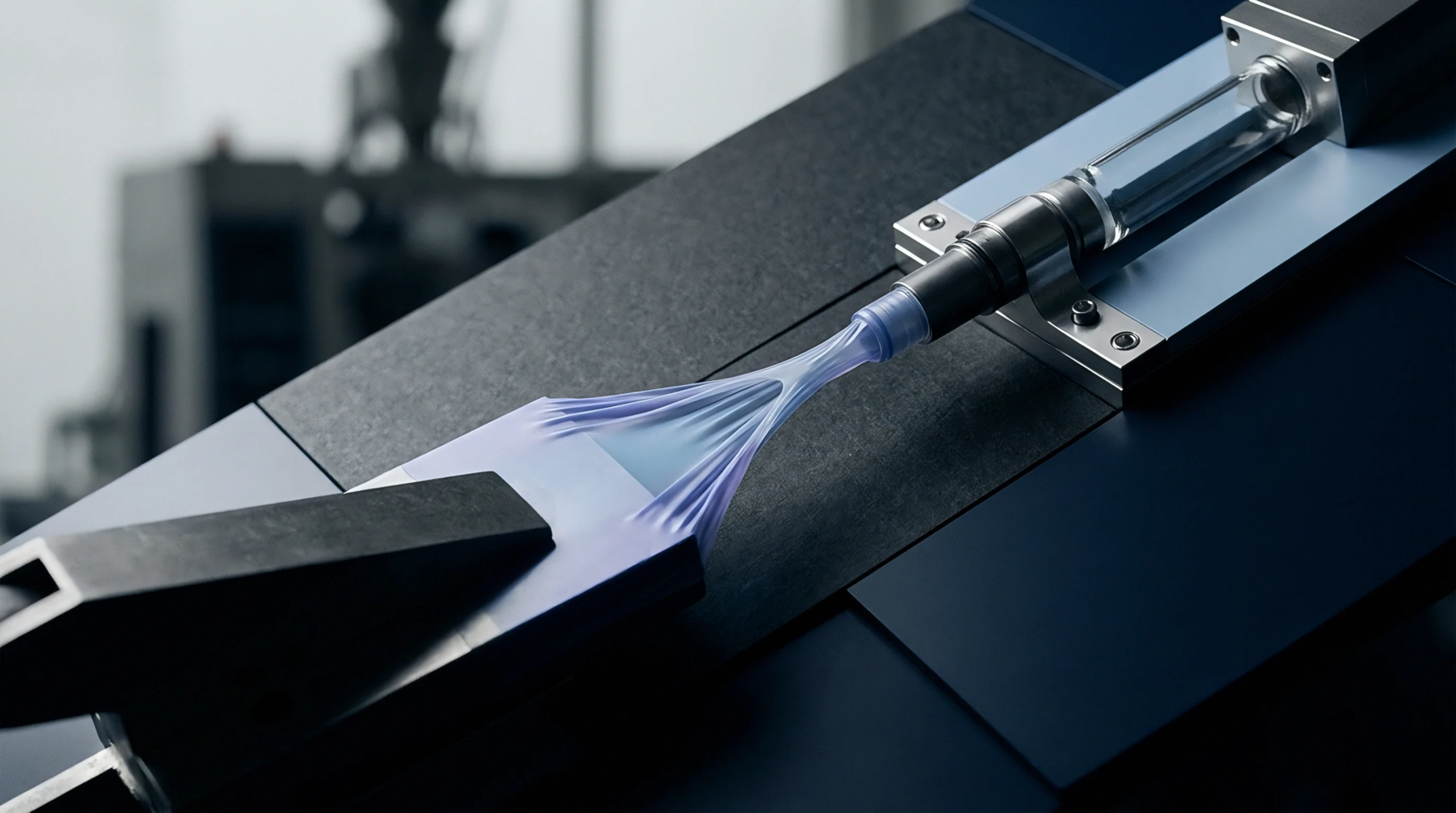
Matching plug speed to polymer disentanglement kinetics prevents corner thinning and optimizes wall thickness in deep draw thermoforming.
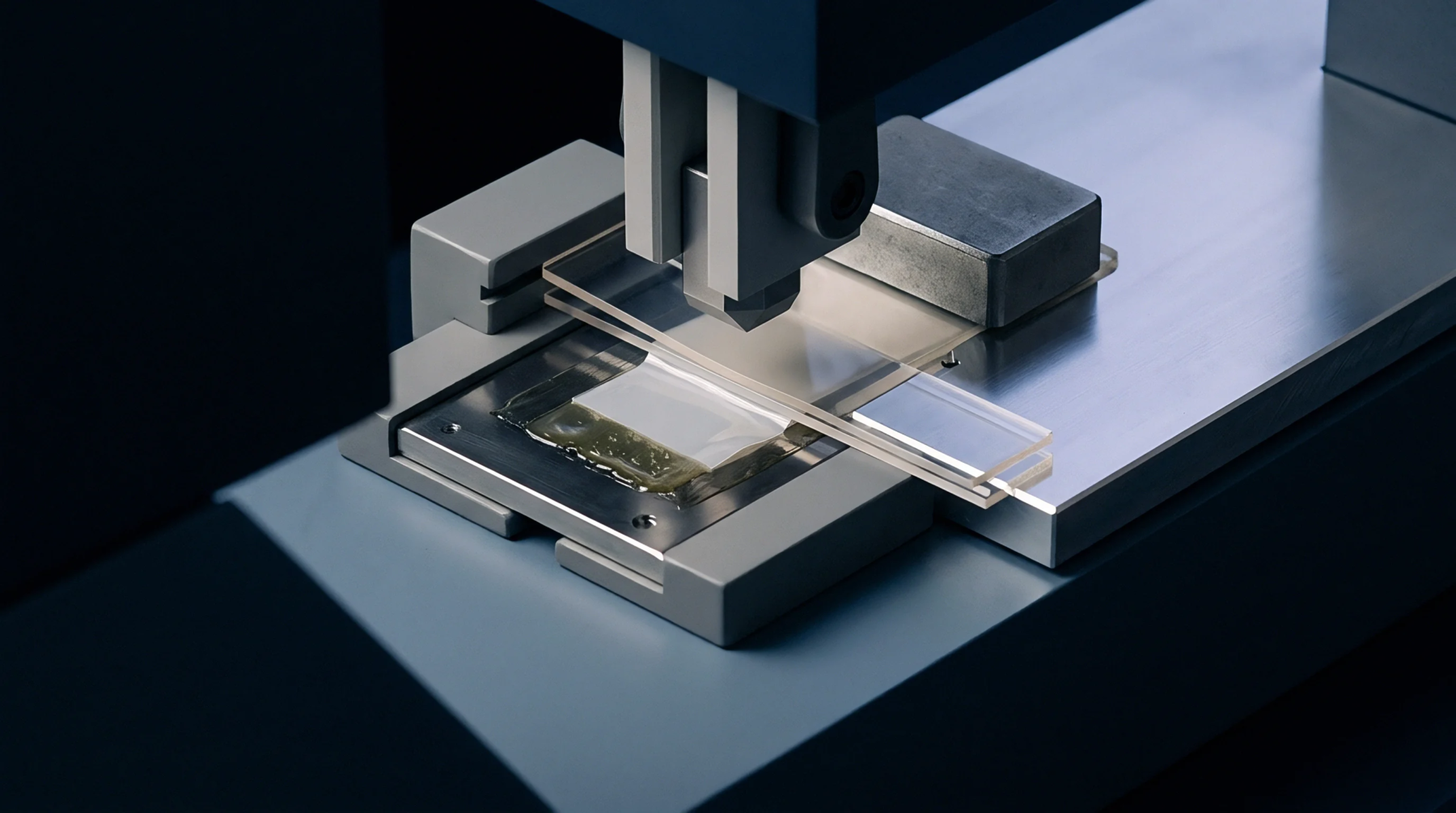
Biaxial extensional strain hardening controls sheet thinning, requiring precise melt strength, tool friction, and temperature tuning to set uniform container wall thickness.

Calibrating thermal desorption ovens with matrix-matched gas-phase standards prevents outgassing underestimates in post-consumer engineering resin qualification.

Drift calibration isolates cell background current from true sample moisture, preventing hydrolytic degradation and avoiding false incoming resin lot rejections.

Chemical contaminants in rPET create acetal side-reactions and iodine reduction artifacts that distort Karl Fischer coulometric water measurements.
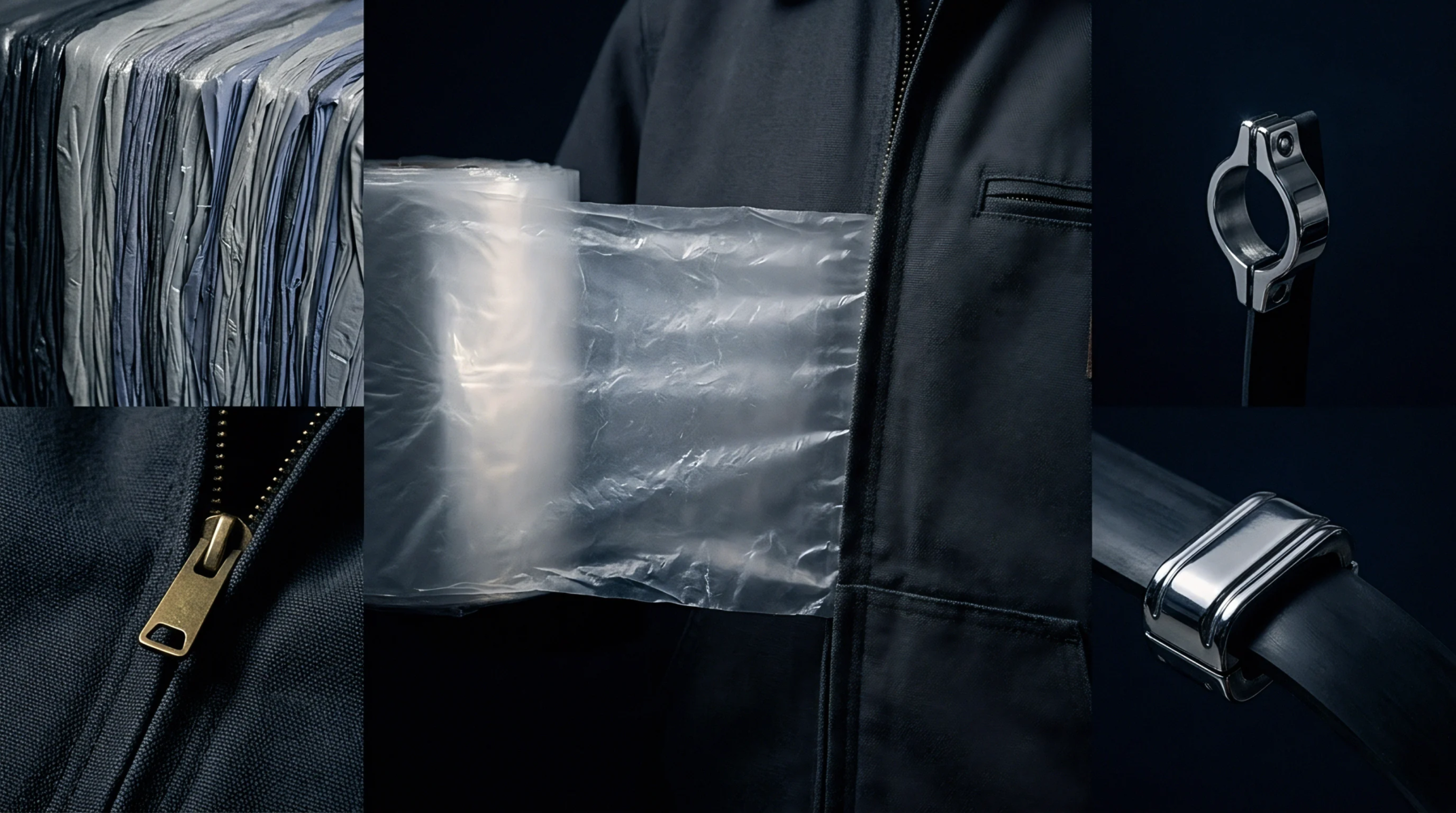
Calibrating pressure-dependent spherulitic kinetics models using cavity sensors enables accurate tool steel compensation to hold ISO 1328 Grade 5 gear tolerances.

Coulometric thermal desorption isolates bound water from organic volatiles in rPET flake, enabling precise incoming quality control and preventing hydrolytic degradation.

Polyethylene terephthalate trace moisture determination relies on Karl Fischer coulometric oven extraction at 170 to 180 degrees Celsius to prevent chain scission.

Transverse matrix contraction in glass filled polyamides exceeds flow direction shrinkage by up to three to one requiring asymmetric mold steel allowances.

Cavity cooling rate drives polyamide skin-core spherulitic growth, setting local crystalline phase balance, volumetric shrinkage, and achievable DIN 16742 tolerances.

Sub-millimetre core pin survivability requires DLC coatings, controlled thermal expansion stack-ups, and force-monitored ejection to prevent buckling and galling.
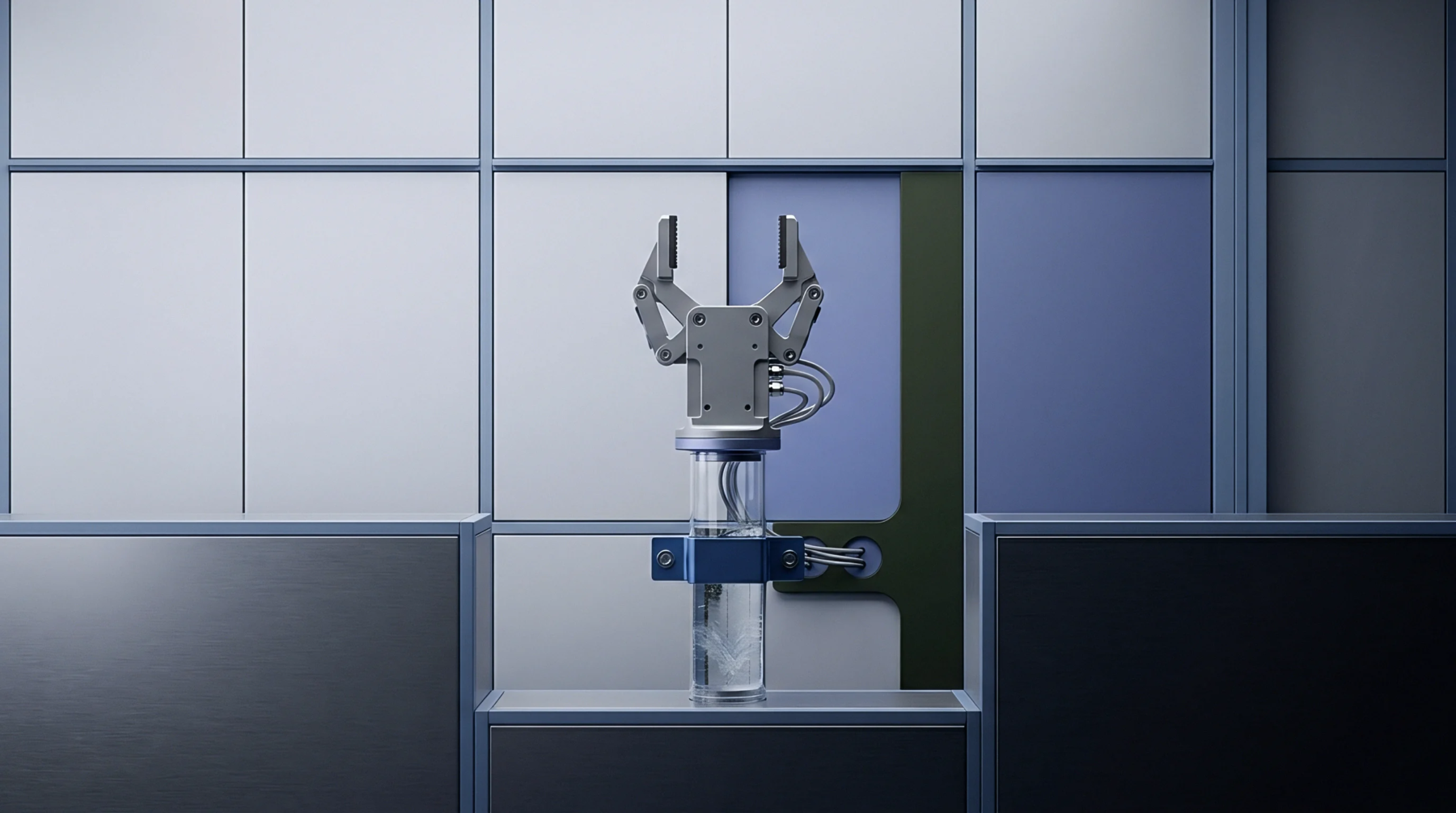
Sub-millimetre telemetry cavity accuracy requires compensating for steel expansion and polymer dielectric drift via real-time press-side calibration.

Chemical conversion yield deductions under ISO 22095 mandate subtracting process gas, char, and hydrotreating losses from input mass before awarding credits.

Temperature-stepped vaporization coulometry isolates physical water desorption from catalytic transesterification to ensure accurate low-ppm moisture determination.
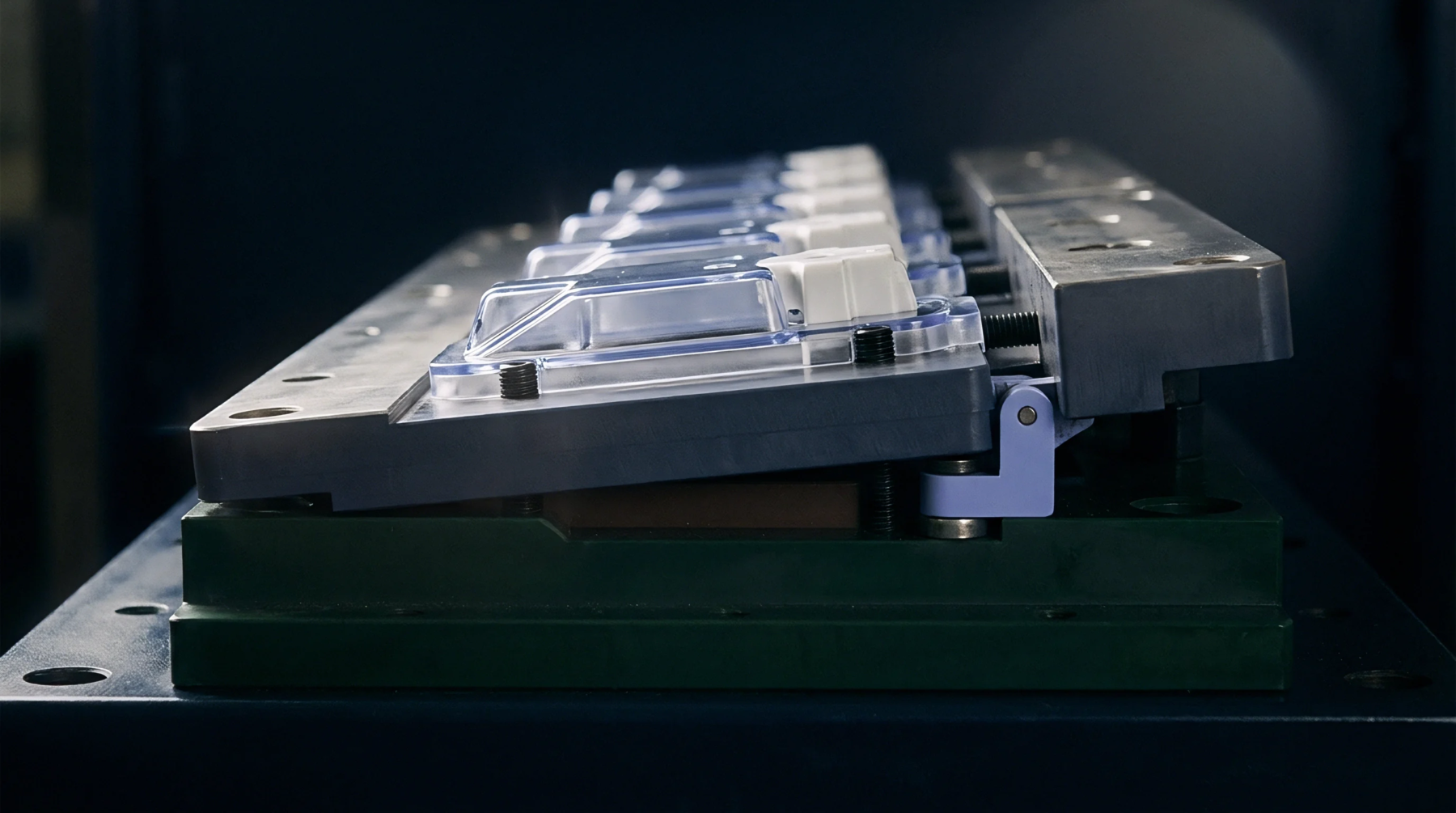
Direct piezoelectric cavity pressure sensing in micro injection moulding requires sub-micron bore tolerances, rigid preloading, and active thermal drift compensation.

Desorption testing above 160 C triggers solid phase transesterification, generating chemical water that falsifies polyester moisture readings and causes under-drying.

Coulometric vaporization titration under ISO 15512 Method B2 quantifies trace moisture in industrial polyesters to prevent hydrolytic degradation during melt extrusion.
Recycled polymer traceability relies on strict mass balance boundaries, physical yield reconciliations, and verified custody transfers across conversion steps.
Expertise is a utility, not a secret. sentiention™ publishes its working knowledge as open reference: intelligence layer covering the materials it sources, the markets it enters, and the reference that serves both.