Integrating Cavity Pressure Telemetry with Injection Machine Velocity Switchover
Coupling cavity pressure telemetry directly to machine velocity switchover eliminates part weight variance caused by melt viscosity shifts across production runs.

Coupling cavity pressure telemetry directly to machine velocity switchover eliminates part weight variance caused by melt viscosity shifts across production runs.

Polyethylene specific gravity testing requires standardized 15 K/min plaque cooling and 24-hour conditioning to prevent thermal history errors exceeding 0.003 g/cm³.
Machining sensor bores to strict concentricity tolerances and establishing direct picoCoulomb calibration scales cavity pressure for closed-loop process control.

Reactor copolymer cold chain impact resistance relies on sub-micron ethylene-propylene rubber interfacial cavitation triggering matrix shear bands at low temperatures.

Closed loop algorithms calculate real-time melt viscosity indexes from injection work integrals to adjust switchover stroke and servo gate timing.

Controlling ethylene-propylene rubber dispersion below one micron preserves crate drop impact at minus thirty while retaining stack rigidity.
Subzero impact resistance requires low glass transition rubber domains dispersed under 0.5 microns to trigger matrix shear yielding under high strain rates.

Chromatographic screening couples cryogenic extraction, orthogonal GC and LC separation, and high-resolution MS to quantify NIAS against toxicological limits.

Non-target mass spectrometry screening with ten-ppb threshold evaluation prevents non-compliant recycled polyolefin food packaging entering supply chains.

Multiple headspace extraction eliminates recycled polymer matrix bias by mathematically extrapolating total volatile mass from linear logarithmic depletion decay.
Mass spectrometry screening quantifies non-intentionally added polyolefin migrants, converting raw chemical spectra into defensible food contact compliance dossiers.

Decoupled cavity pressure control decouples melt rheology from machine mechanics, fixing peak pressure to guarantee tight dimensional stability.
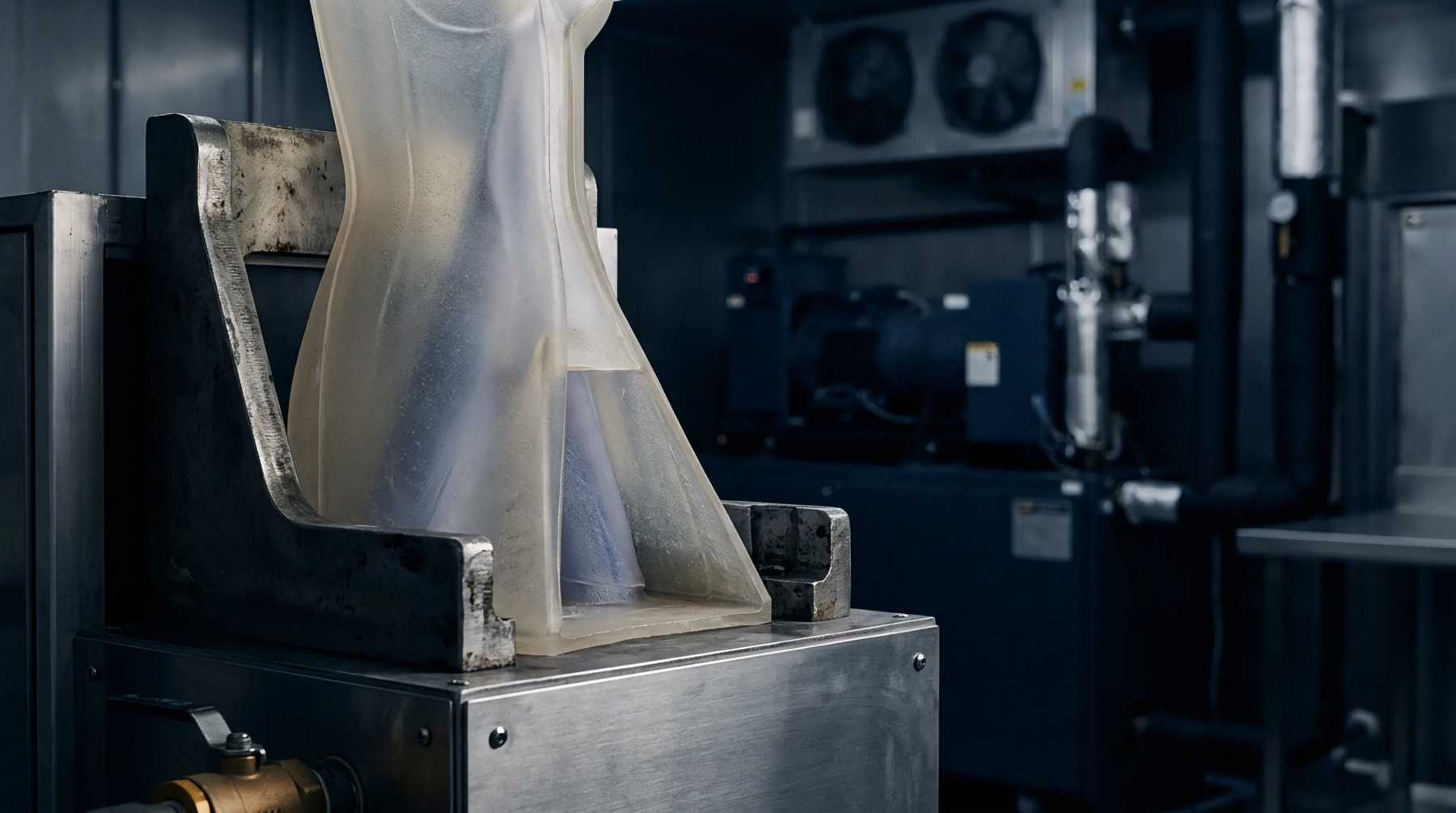
Equilibrating recycled polyolefin pellets at 120 C for 45 minutes isolates volatile organic compounds while avoiding polymer matrix thermal degradation.

Additive shifts from migration combine polymer diffusion models with food recipe assays to prevent statutory threshold breaches at destination ports.

Cavity sensor integration requires rigid pocket machining, protected wire routing, and direct melt placement to decouple press dynamics from part tolerance.

Harmonized HRMS quantification in recycled plastics requires matrix-matched standard addition and conservative response factor bands to bound screening uncertainty.

Polyolefin recyclates require extensional viscosity verification to prevent gate blush and severe entrance pressure drop during high-speed cavity filling.
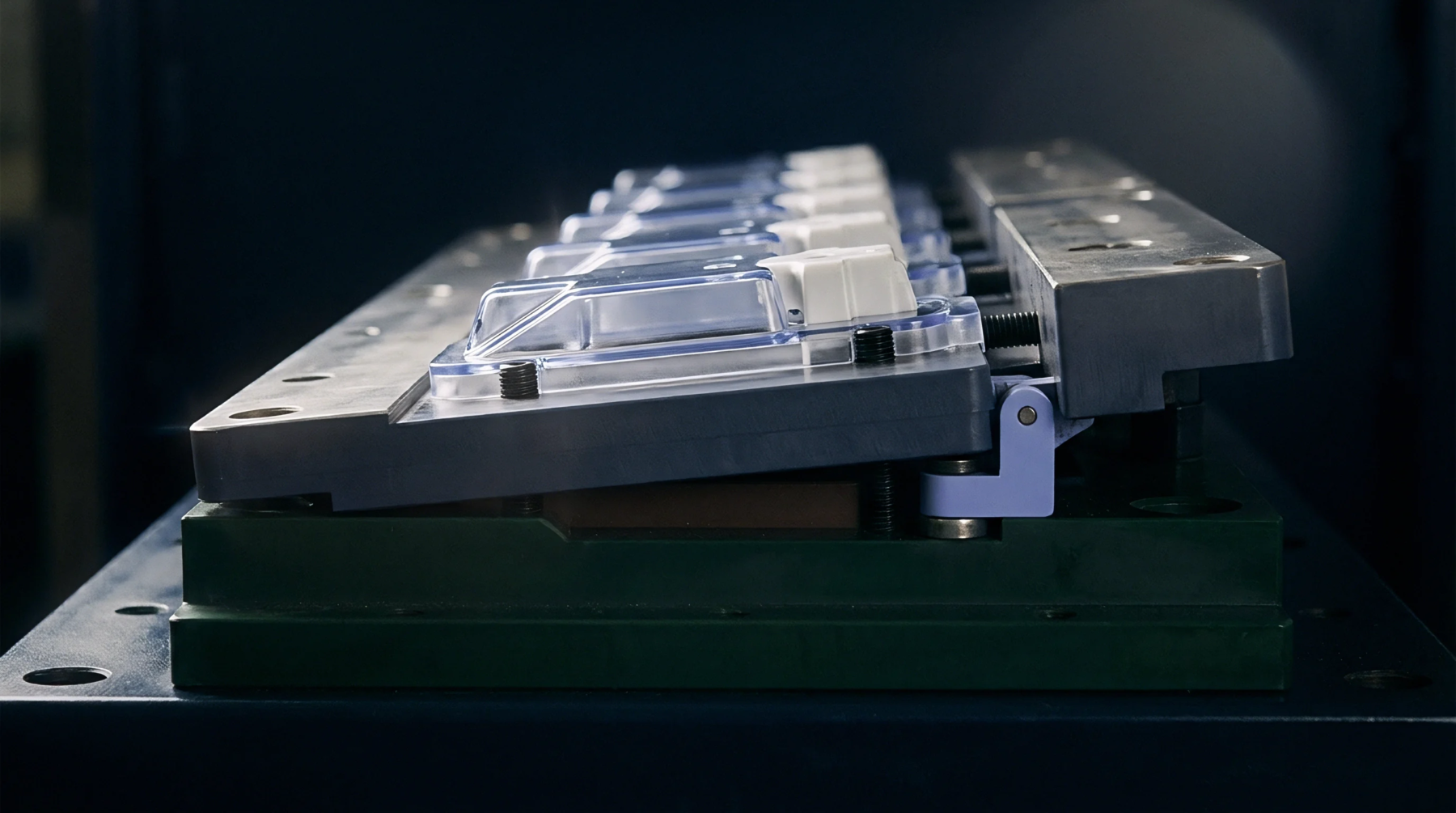
Predicting parting line wear and deflection requires balancing support pillar layouts, steel hardness, and thermal expansion gaps against resin flash limits.

Non-target screening limits derive from toxicological exposure caps adjusted for packaging contact geometry, simulant transfer, and detector response factor variance.

Capillary rheometry requires Bagley and Rabinowitsch-Weissenberg corrections alongside Mooney wall slip analysis to prevent polyolefin blend die miscalculations.
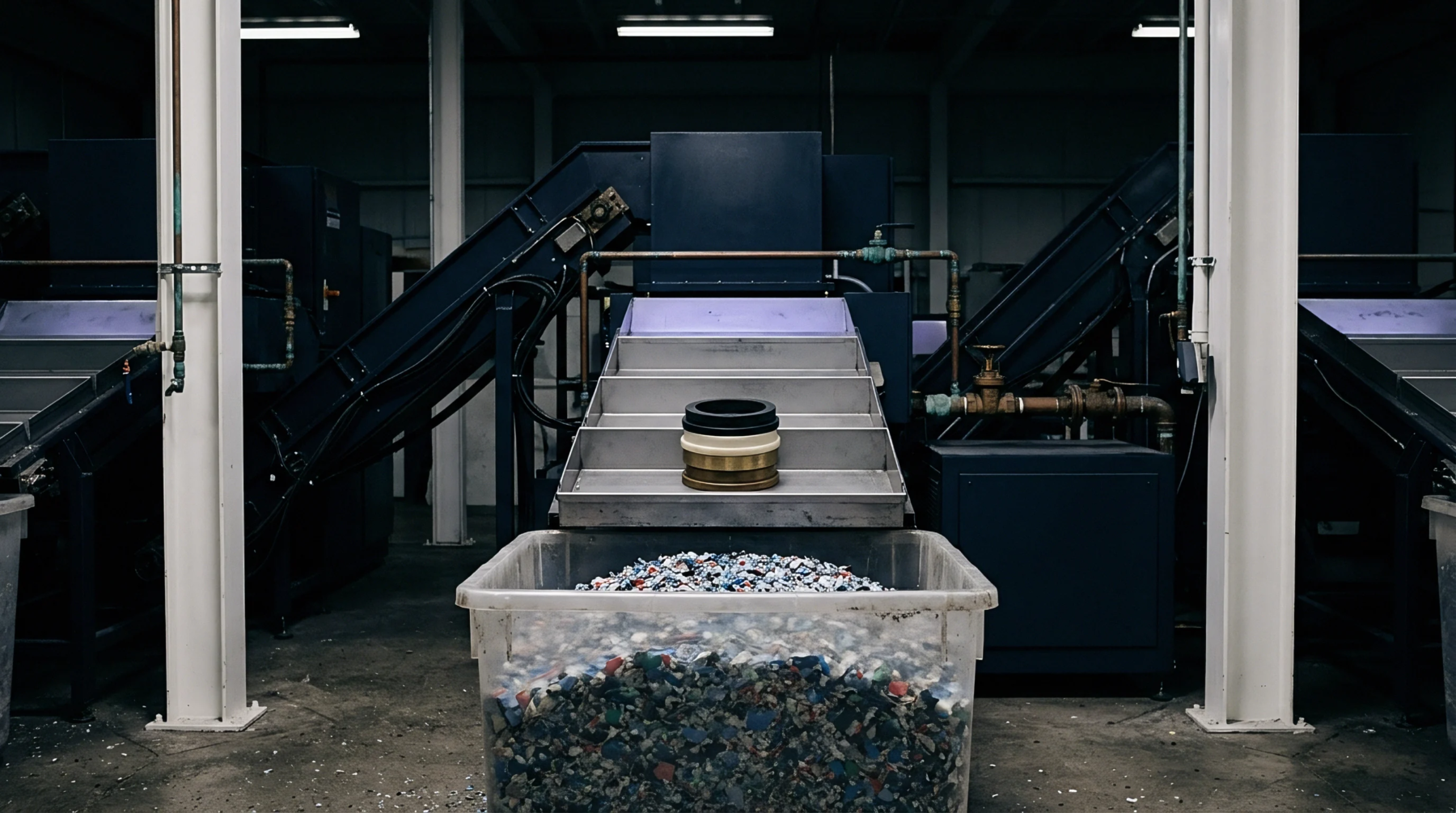
Trace post-consumer recycled fractions in multi-layer packaging require physical layer microtomy before pyrolysis GC-MS to verify claims below five percent.

Standard melt flow index testing fails recycled polyolefins due to low-shear limits, thermal breakdown, and unmeasured pseudoplastic behavior.
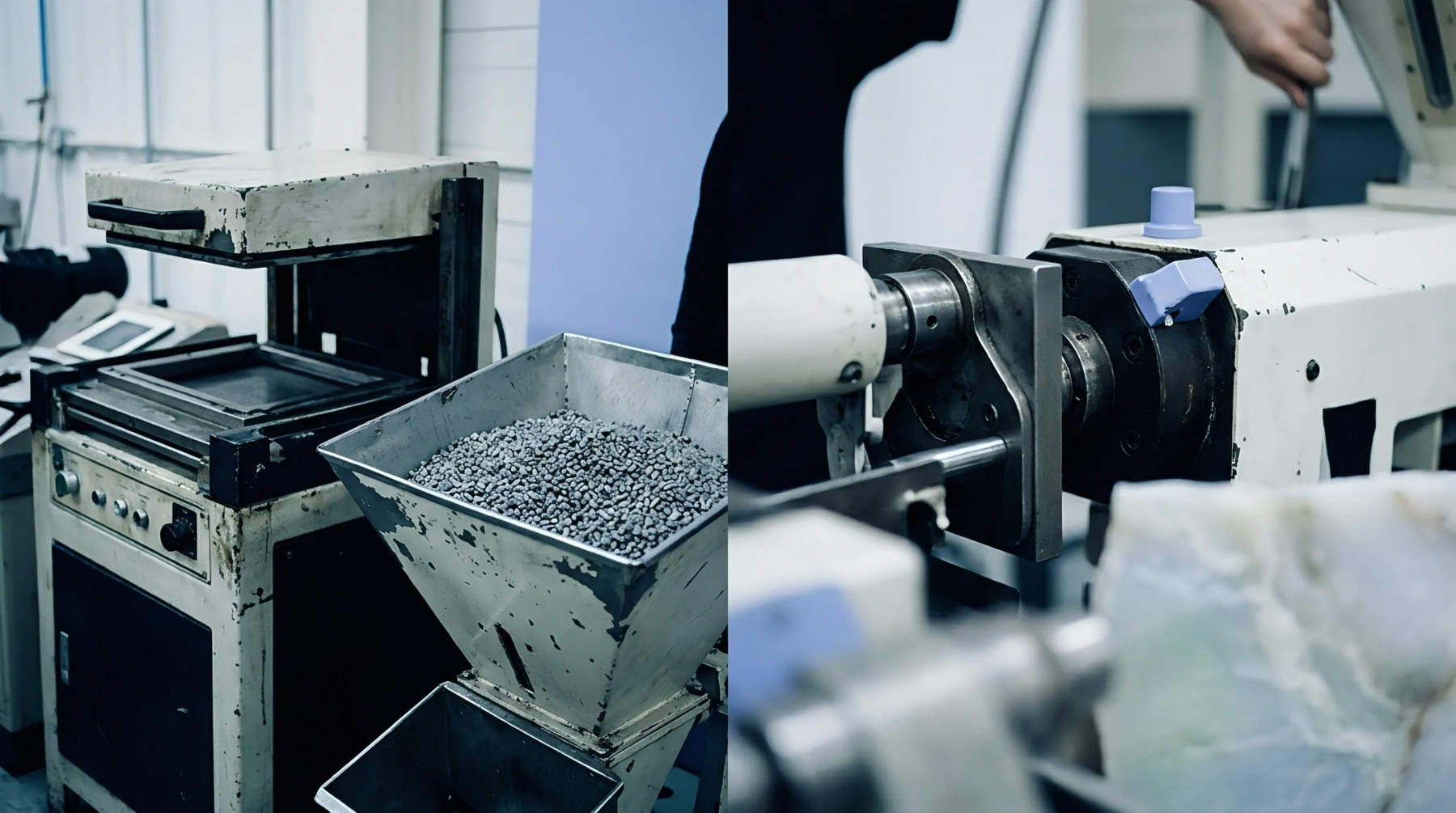
Certified mass balance allocation requires site-specific physical yield reconciliation, strict energy-stream deductions, and twelve-month credit expiry enforcement.
Expertise is a utility, not a secret. sentiention™ publishes its working knowledge as open reference: intelligence layer covering the materials it sources, the markets it enters, and the reference that serves both.