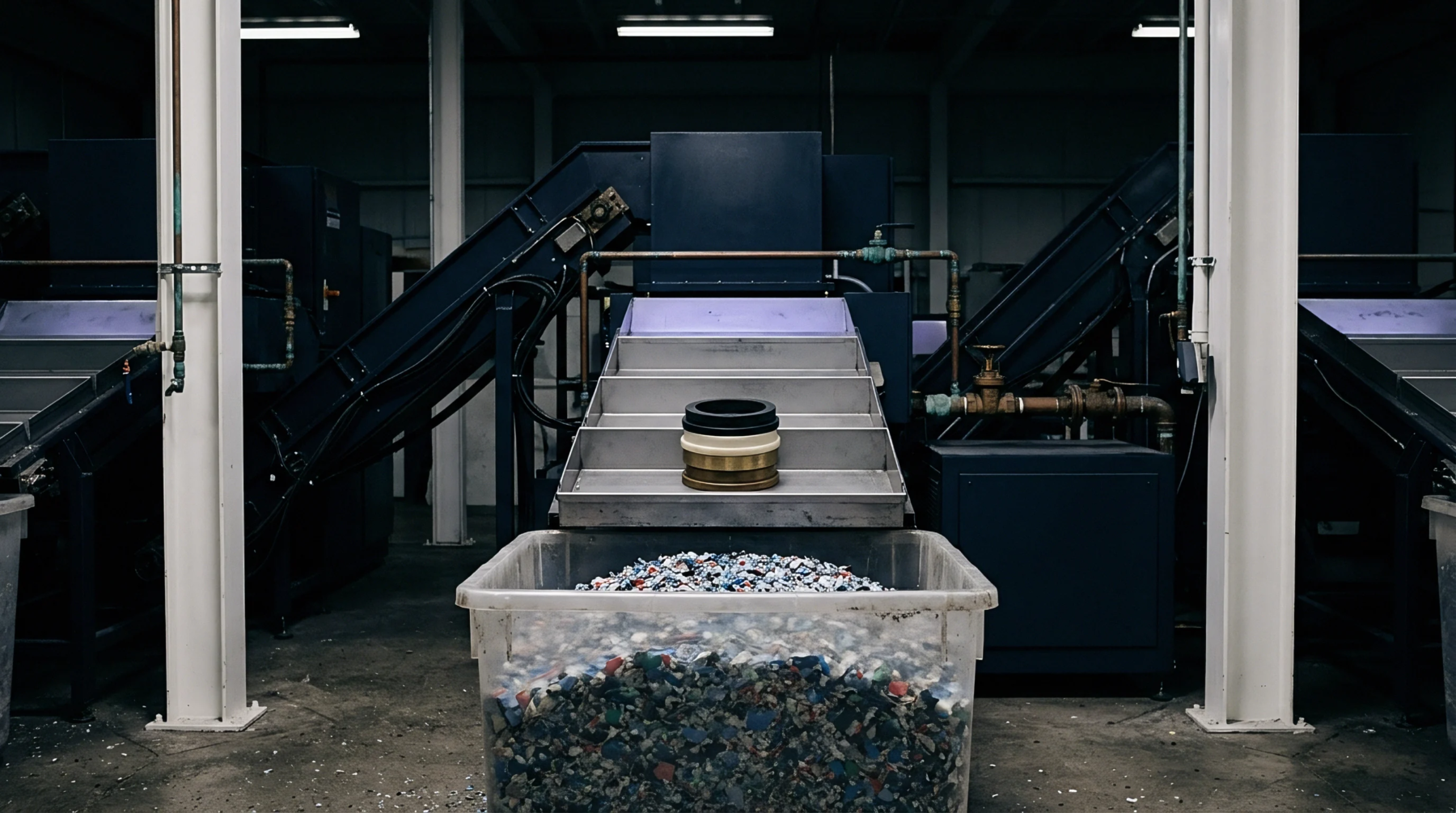
Surrogate Chemical Selection Rules for Post Consumer Polyolefin Decontamination Testing
Surrogate selection for polyolefin challenge testing requires five distinct volatility and polarity classes to validate core matrix decontamination.

Surrogate selection for polyolefin challenge testing requires five distinct volatility and polarity classes to validate core matrix decontamination.
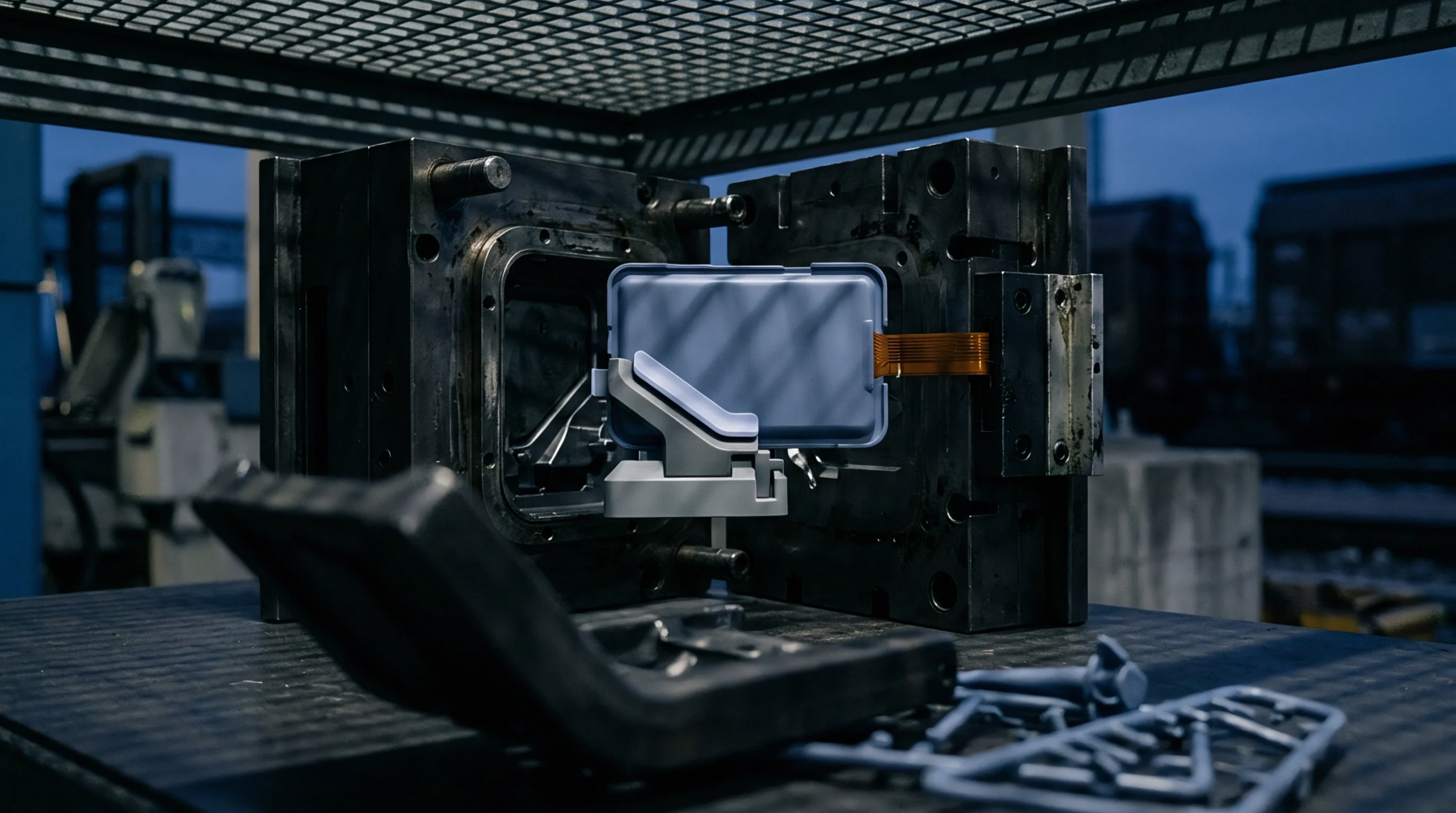
Inter-cavity thermal drift in high-cavitation steel tooling shifts part dimensions; turbulent coolant flow and conductive inserts eliminate temperature spreads.
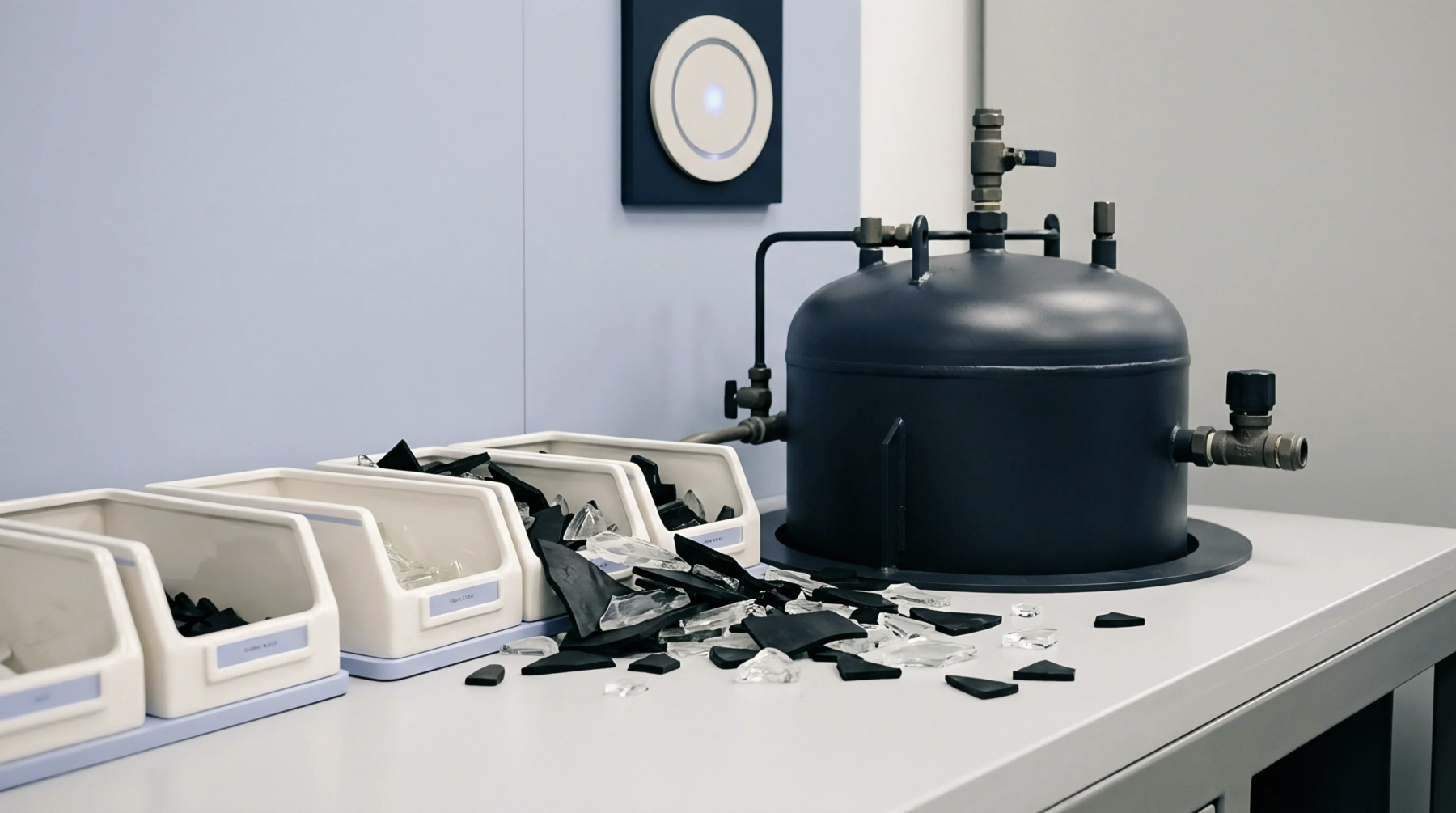
Potentiometric titration of carboxyl end groups quantifies thermal hydrolytic history in rPET lots, revealing latent processing damage and driving lot pricing.

Reconciling masterbatch dosages with specific migration limits requires calculating active concentration, accounting for thermal loss, and verifying compliance by testing.

Calculate multi-cavity dimension drift by subtracting thermal steel plate expansion profiles from localized polymer shrinkage values across operating temperature zones.

Auditing converter food contact declarations requires cross-referencing batch test reports, simulant conditions, dual-use additives, and NIAS screening data.

Intrinsic viscosity loss in reprocessed PET flake is quantified by dilute solution viscometry using ASTM D4603 to prevent structural failure in preforms.
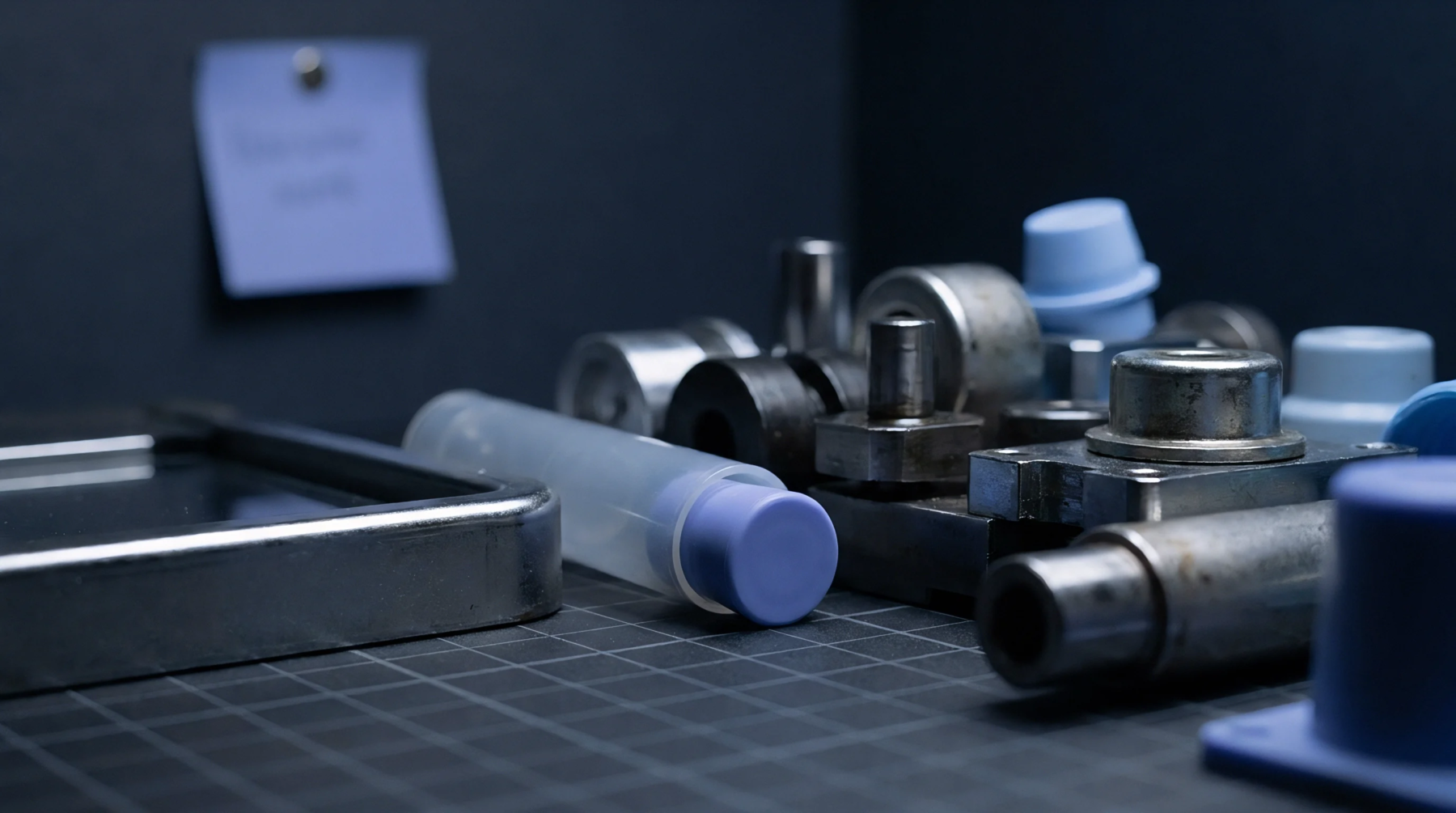
Determining mold core thermal expansion gradients requires measuring temperature deltas from melt face to cooling lines to offset axial steel growth.

Shear-induced viscosity drops across complex hot runner manifolds drive non-uniform cavity filling, requiring precise runner balancing and drop sizing.

Maintain manifold shear rates below 300 s⁻¹ and specify 25-minute minimum OIT to prevent catastrophic molecular weight loss in recycled polyethylene extrusion.
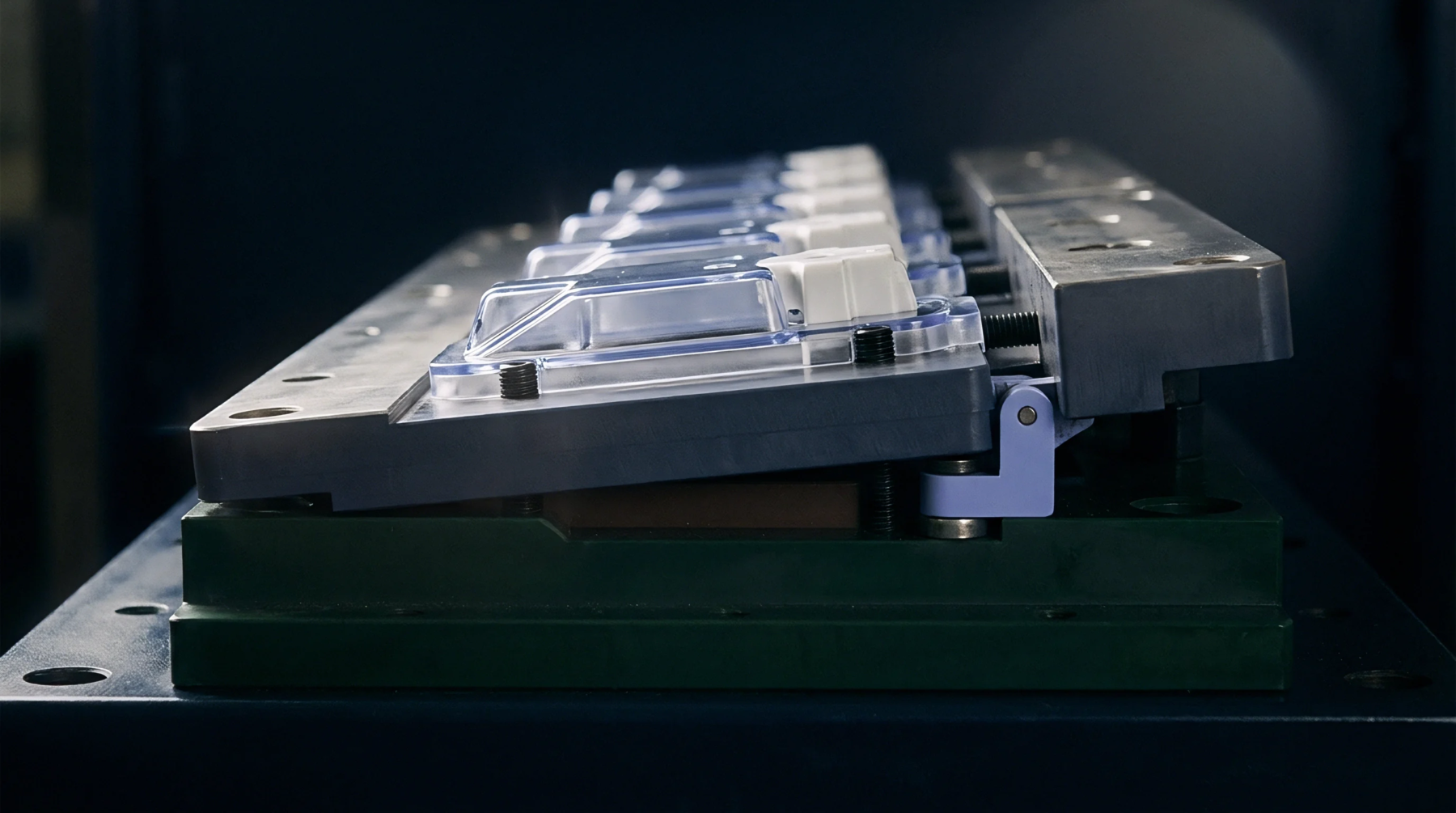
Multi-cavity tooling qualification requires isolating spatial cavity-to-cavity variance from temporal process drift before authorizing steel modifications.

Capillary rheometry establishes binding high-shear viscosity limits that prevent multicavity tool imbalance and part weight variance in post-consumer resins.
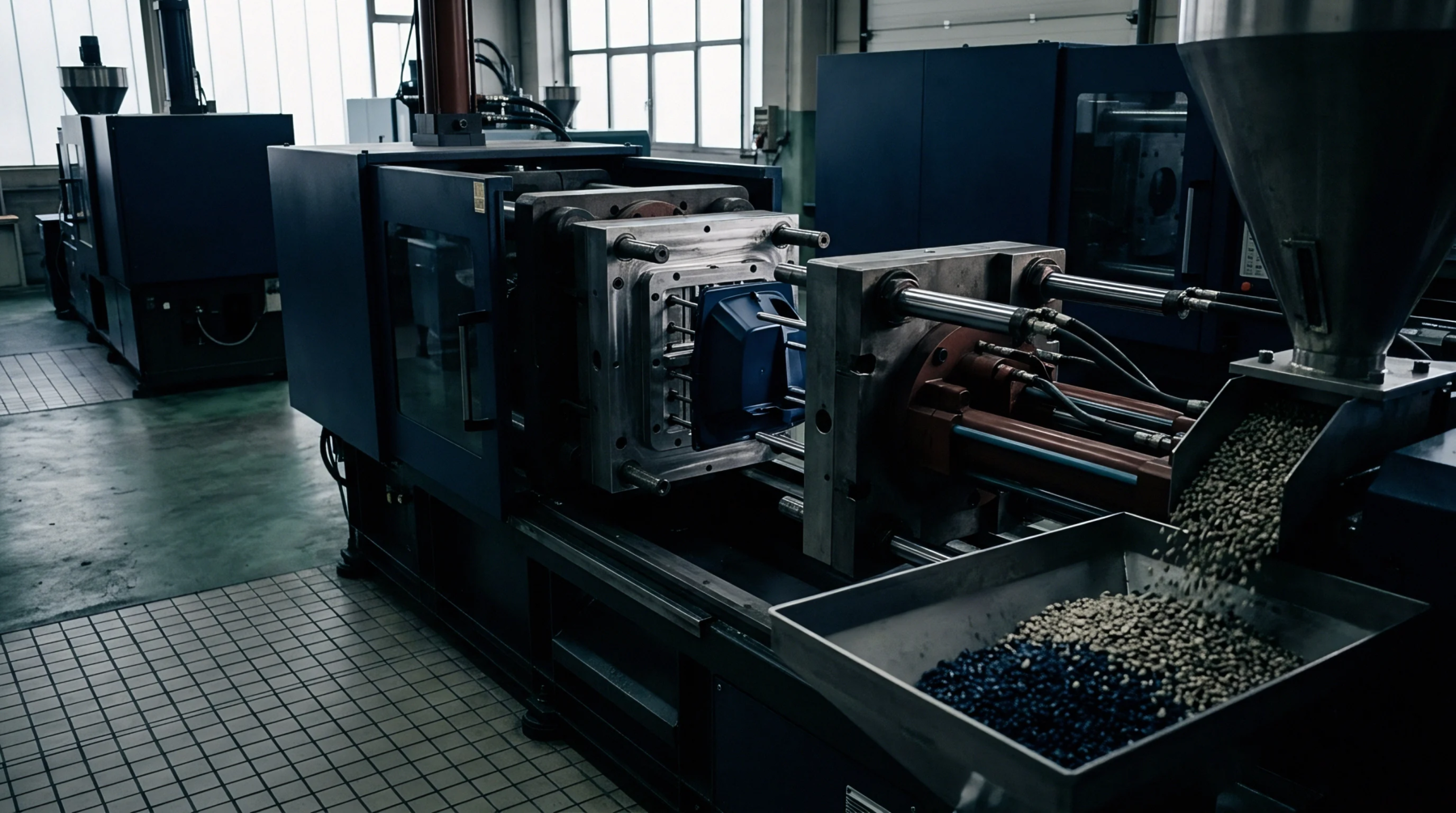
Press-side fill balance protocols decouple injection velocity from hold pressure using short shot weight analysis to equalize cavity fill within 5% balance.
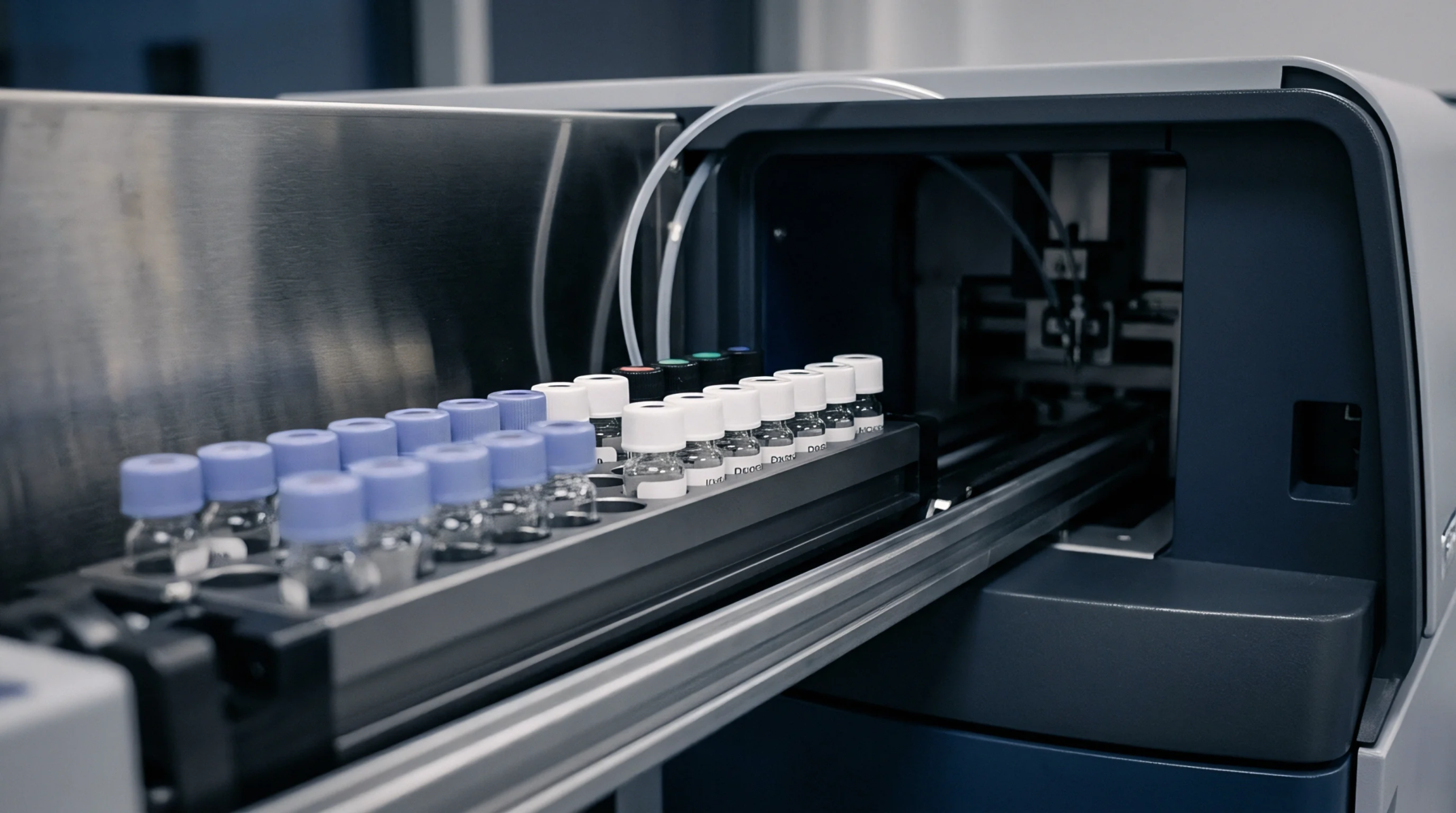
Dynamic matrix correction recalibrates uncharacterized polyolefin migrant peak areas against co-extracted simulant lipids to prevent underreporting migration limits.

High shear molding relies on pseudoplastic shear thinning, requiring capillary rheometry over melt flow index to control viscous heating and pressure losses.
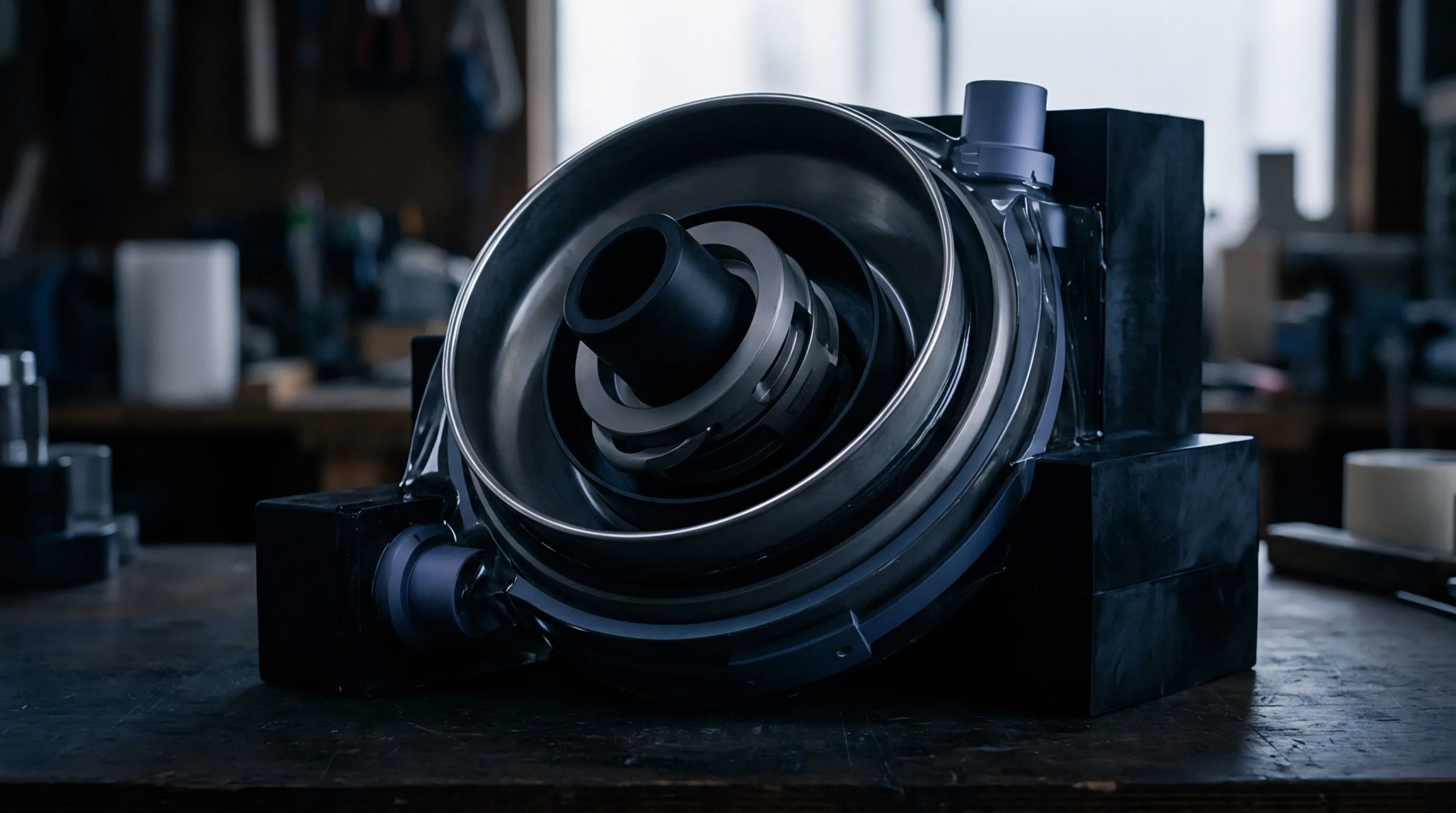
Real-time cavity pressure transducer feedback corrects shear-thinning thermal imbalances in multi-cavity tools by adjusting dynamic V/P crossover points.
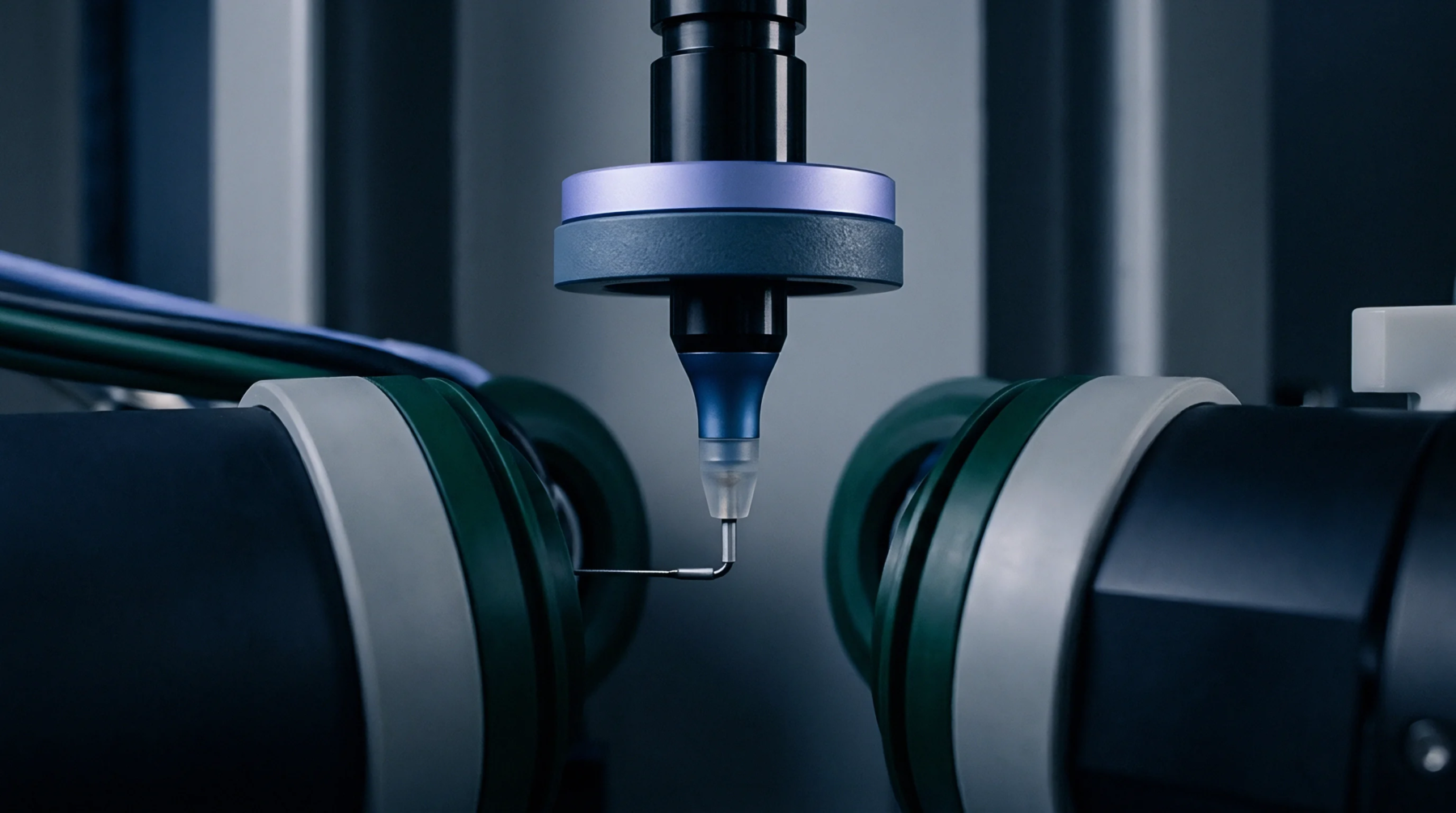
Residual organic peroxide breakdown drives post-moulding melt flow drift and antioxidant depletion in high-speed thin-wall polypropylene injection packaging.

Visbroken polypropylene risks organoleptic contamination and thermal degradation; verify residual peroxide, NIAS limits, and OIT before food contact use.

Select high flow polypropylene homopolymers by balancing melt flow rate against impact loss, verifying narrow molecular weight distribution and peroxide residues.

Ionization efficiency models eliminate thousand-fold semi-quantitative errors in untargeted packaging screening, ensuring defensible non-intentionally added substance compliance.

Compressive jaw pressure forces secondary amides to co-crystallize with metallocene polyethylene, locking slip additives and elevating post-seal friction.

Balanced multi cavity runners match flow length, shear history, and pressure drop across all branches to achieve simultaneous mold cavity filling.

Optimal cavitation balances machine hourly rates, clamp tonnage, and shot capacity against thermal cooling limits and cross-cavity dimensional distribution.

Primary erucamide melts under hot bar sealing platens, increasing viscous drag and tooling varnish; secondary amides preserve boundary slip and seal integrity.

Balancing restraint forces under ISO 5459 ensures accurate datum seating without distorting non-rigid polymer part features during coordinate metrology.

Secondary amides eliminate seal jaw smoking and hot tack decay in polyolefin film sealing by maintaining low volatility at elevated operating temperatures.
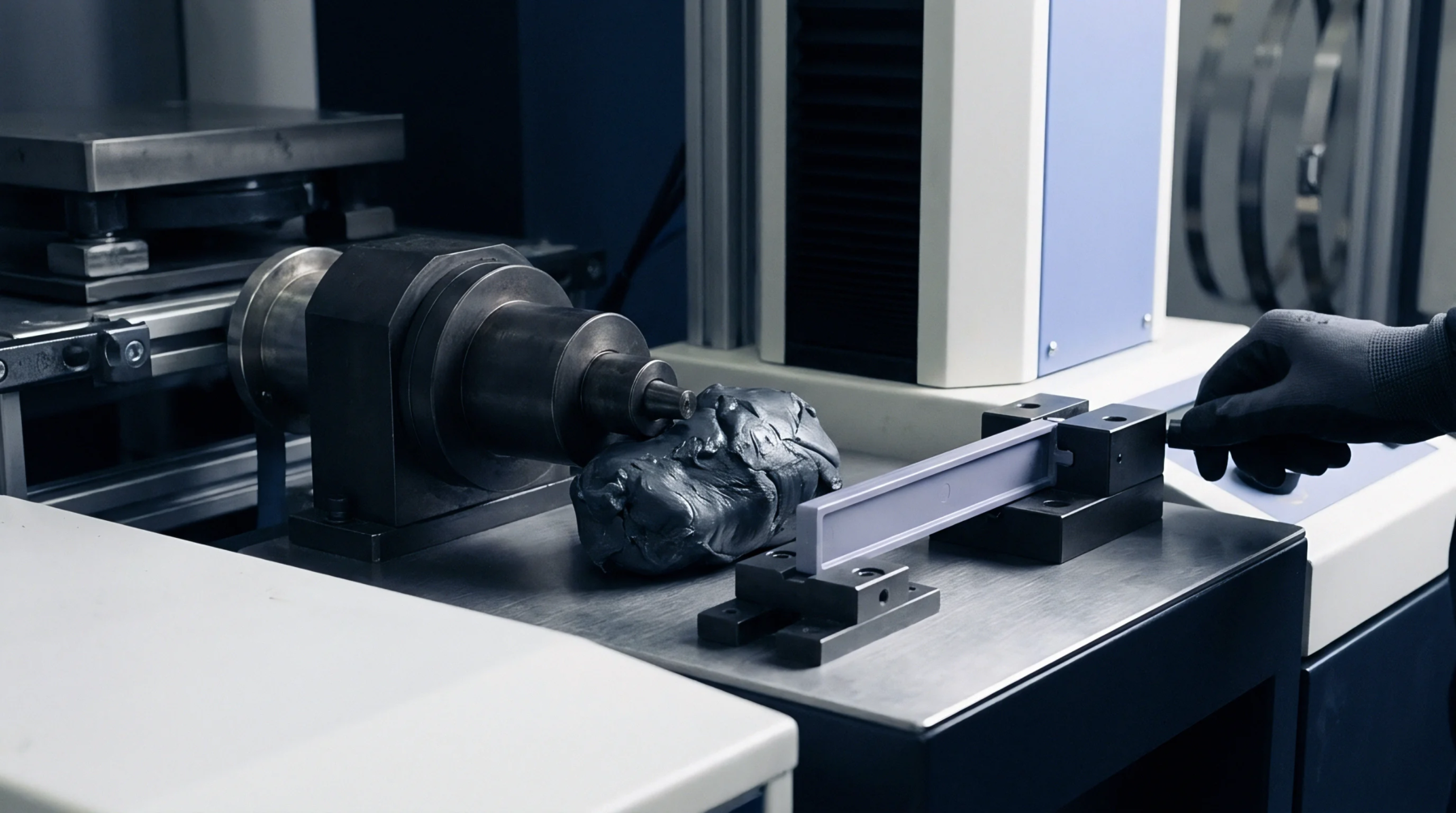
Co-extracted polymer matrix components suppress electrospray ionization signals, requiring isotopologue compensation to prevent false migration compliance.

Validating post-consumer polyolefin decontamination requires LC-HRMS screening of non-volatile oligomers paired with high-molecular-weight surrogate challenge testing.

High shear compounding degrades ultra-high molecular weight tails through mechanochemical scission, best quantified by zero-shear viscosity and Mz tracking.

Low frequency storage modulus G prime below 0.1 rad/s isolates high molecular weight elastic recovery to predict bimodal pipe swell and prevent over-extrusion.
Expertise is a utility, not a secret. sentiention™ publishes its working knowledge as open reference: intelligence layer covering the materials it sources, the markets it enters, and the reference that serves both.