Meaning
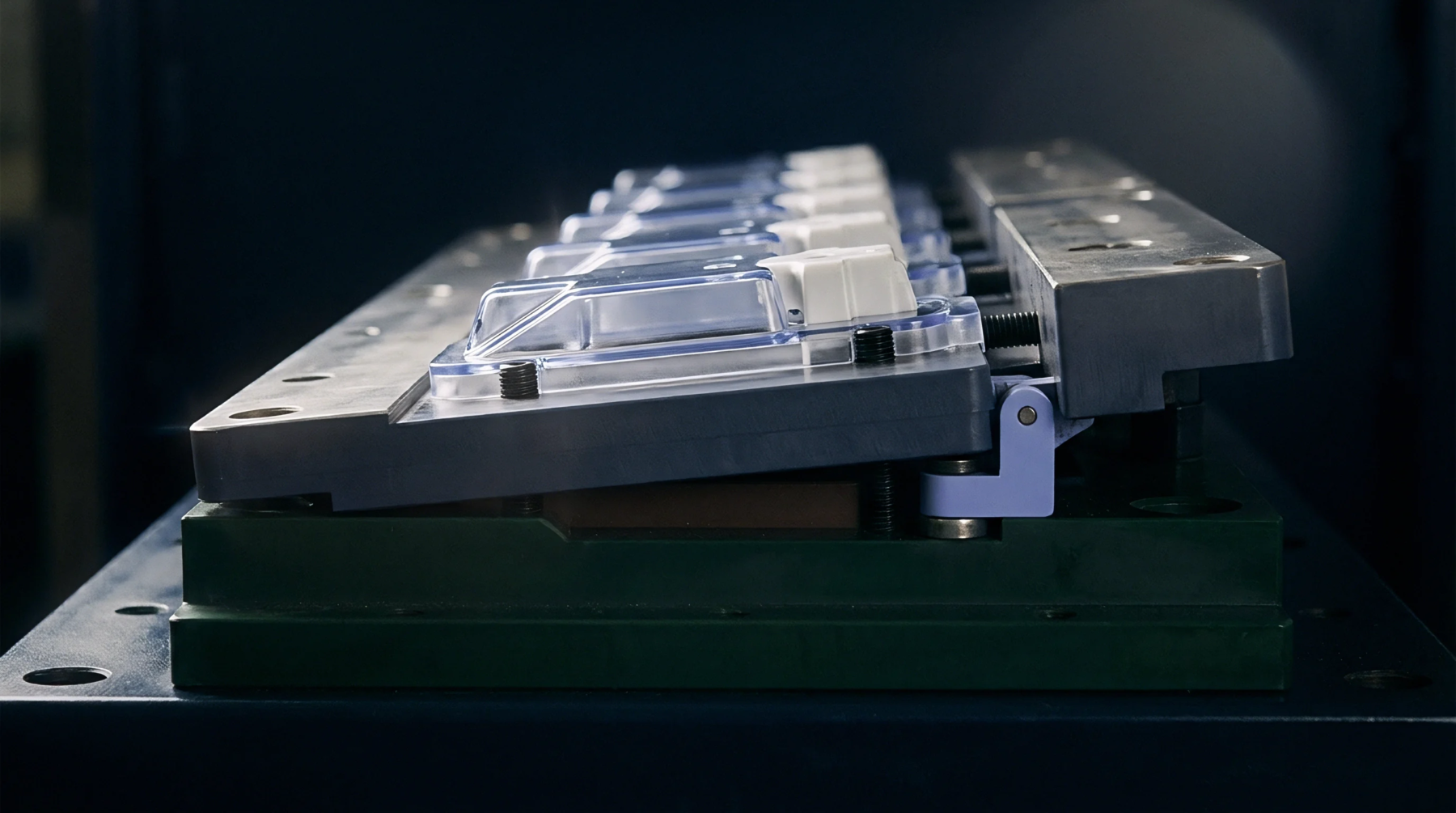
A statistical framework provides a method for partitioning variance in data collected from hierarchical structures where factors exist within other factors. Nested analysis of variance isolates the contribution of each layer in a multi-stage production sequence, such as multiple cavities within a single injection mould. This technique distinguishes between systematic variance attributable to specific levels and random error inherent in the measurement process.
Moulding Variance
Polymer processors use this approach to identify if dimensional instability originates from machine settings, cooling line circuits or cavity specific geometry. Melt temperature settings define the first layer of variability while individual runner balancing constitutes the secondary nested layer. Technicians observe that variation between cavities often masks the fluctuation caused by the injection press.
Accurate quantification of these components prevents the unnecessary adjustment of primary machine parameters when the actual source of the defect lies within the tooling layout.
Production Economics
Regrind integration into virgin resin streams introduces additional hierarchical layers that require careful decomposition during quality audits. Variability in the percentage of recycled material across different batches adds a component that analysts must separate from the inherent viscosity drift of the base polymer. High levels of unexplained variance often correlate with inconsistent material mixing rather than mechanical wear.
Operations managers monitor the variance ratio to determine if incoming material specifications require tighter control or if the moulding cycle needs stabilization.
Tooling Calibration
Dimensional output depends on the interaction between mould steel thermal expansion and the pressure drop across the entire delivery system. Cavity mismatch manifests when the nested model shows a high percentage of variance attributable to the lowest tier of the hierarchy. Adjustments made at the press level fail to correct such geometry gaps.
Tooling engineers rely on this data to justify the replacement of worn inserts or the modification of gate dimensions in specific sectors of the tool.