
Detecting Post Industrial Additions in Branded Engineering Resins
Detecting post-industrial additions relies on combining differential scanning calorimetry, high-shear viscosity sweeps, and oxidative induction testing on arrival.

Detecting post-industrial additions relies on combining differential scanning calorimetry, high-shear viscosity sweeps, and oxidative induction testing on arrival.

Ionization efficiency matrix corrections convert high-resolution mass spectrometry peak areas into accurate migrant concentrations, preventing false compliant packaging declarations.

Non-uniform tool steel thermal expansion creates spatial cavity temperature deltas that drive measurable dimensional drift across multi-cavity molds.

Press-side verification requires dynamic fill balance testing, telemetry pressure mapping, and individual cavity Cpk qualification before tool release.

Challenge testing verifies recycled polymer decontamination by measuring surrogate contaminant removal across reactors to prove secondary packaging conformity.

Determining cavitation count and cycle time requires balancing thermal cooling physics against clamping limits, runner shear, and capital amortisation curves.

Mandatory upstream disclosure of dual-use additive identities and migration potential enables downstream food packers to verify total food additive compliance.

ISO 1183 density testing determines customs tariff lines under Chapter 39; accurate classification demands exact fluid temperature control and plaque molding.

High-resolution mass spectrometry non-target screening identifies toxicologically uncharacterized polyolefin migrants down to sub-10 ppb compliance thresholds.

Position reference targets on flexible plastic parts at high-stiffness rib intersections using explicit 3-2-1 restraint forces to eliminate gravity sag and inspection disputes.

Altering tool steel to eliminate heavy wall sections cuts cycle time and unit cost far more reliably than forcing process windows past physical thermal limits.

Verify cross-border tooling ownership using deep steel engraving and bailment filings, amortizing secondary CNC capital via contractually guaranteed unit schedules.

Cross-border polymer migration compliance requires testing finished articles under verified worst-case simulants, contact times, and surface-to-volume ratios.

Polyethylene terephthalate ester bonds hydrolyze rapidly in melt above 270 °C, requiring drying below 30 ppm moisture to prevent intrinsic viscosity collapse.

Matching resin melt stability and wall thickness to regional waste facility residence times prevents unexpected landed part cost escalation.

Structure cross-border packaging contracts with statutory compliance warranties, lot-matched testing dossiers, and letter-of-credit clearance milestones.

Polypropylene impact copolymers containing disperse ethylene propylene rubber phases maintain cold drop impact strength down to minus 40 degrees Celsius where homopolymers shatter.

High-temperature non-aqueous volatile extraction and titration quantifies acidic degradation products in recycled polymers to prevent processing corrosion.

Statutory plastic packaging tax directives require site-specific physical attribution of recycled resin mass, invalidating multi-site mass balance credit transfers.
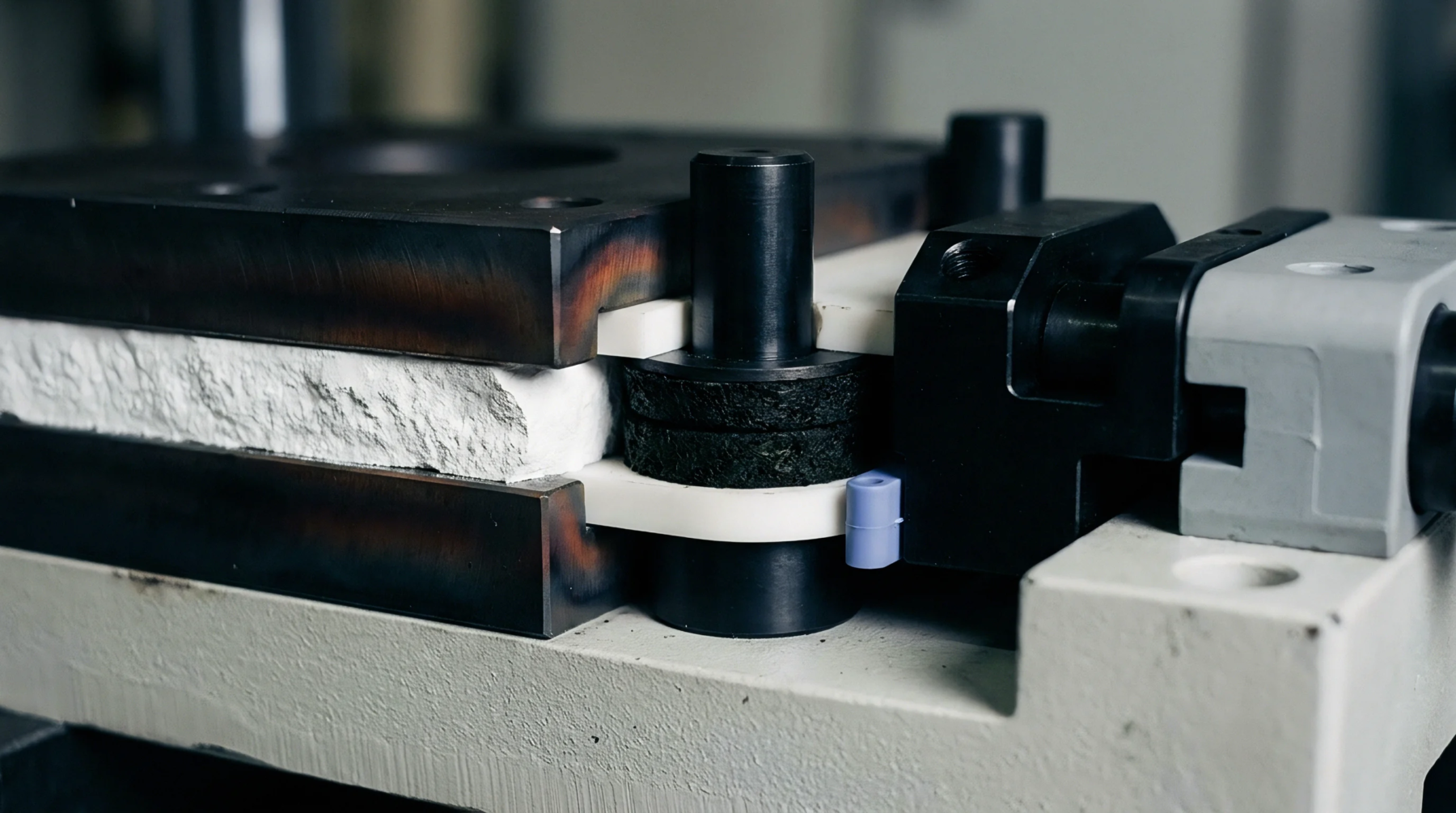
Cavity telemetry degrades in PEEK moulds as 200°C heat collapses sensor insulation resistance, demanding gallium phosphate crystals and cooled preamplifiers.
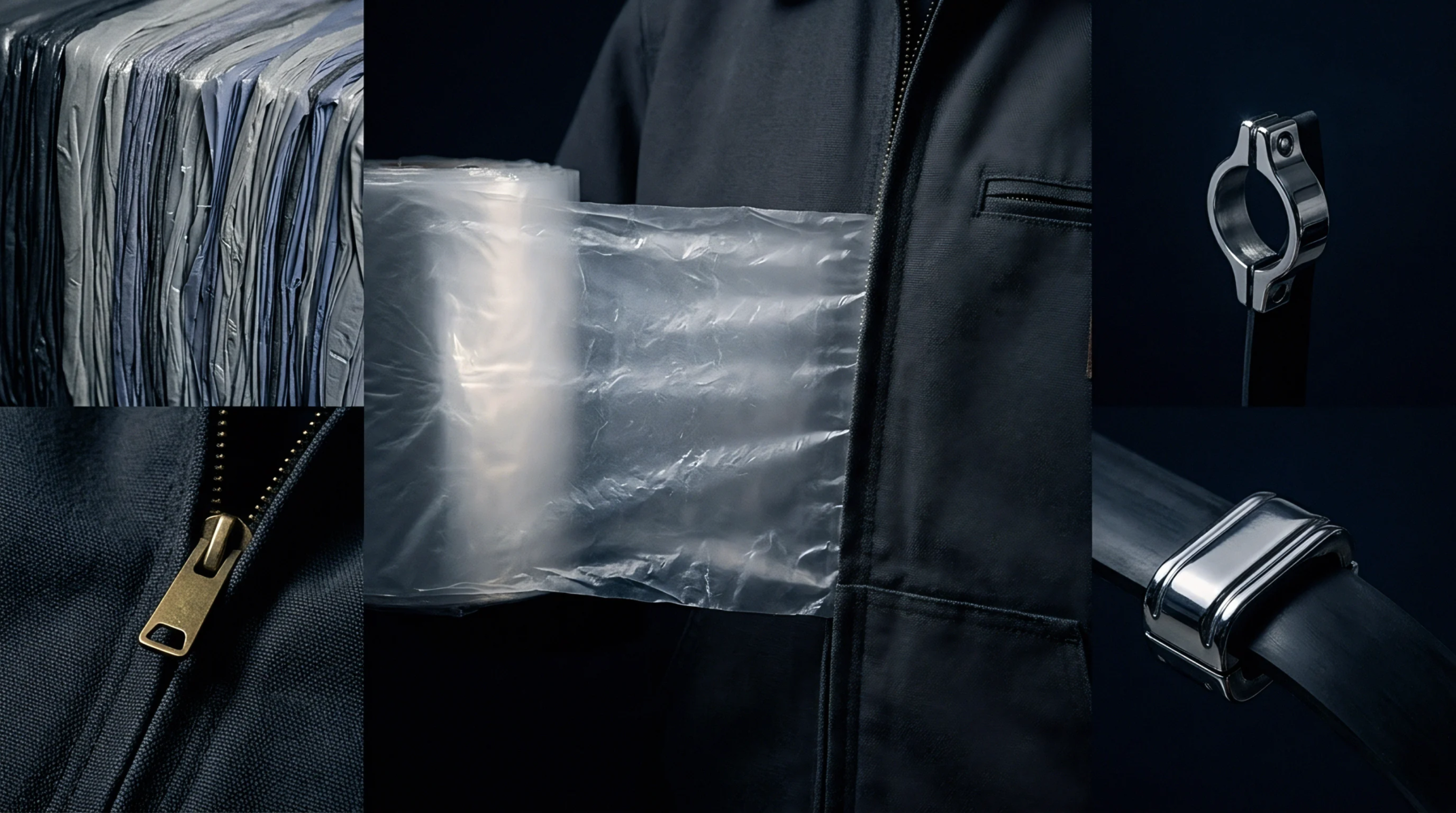
Non-aqueous volatile desorption kinetics in post-consumer polyester depend on flake thickness, Arrhenius diffusion limits, and sweep gas partial pressures.

Verifying chemical recycled polymer mass balance ledgers requires physical boundary mass-loss accounting, yield deductions, and batch-level credit transfer documentation.

Toxicological threshold scoring maps unidentified polymer migrates to Cramer exposure limits, mandating genotoxic screening below 0.00015 mg/kg food.

Extracting offshore tooling during plant insolvency requires perfected bailment paperwork, deep steel serialization markings, and immediate bankruptcy court bond filings.

Determining food simulants for recycled polyolefin migration requires matching contaminant polarity to lipophilic or aqueous media while preventing solvent swelling distortion.

Quantifying semi-volatile photoinitiators in recycled polyolefins requires matrix-matched standard addition to counter 40% measurement uncertainty.

Thermal desorption titration quantifies non-aqueous volatiles in rPET down to 2.5 ppm when cryogenic milling eliminates diffusion limits and baseline drift is corrected.

Quantifying non-isothermal entanglement slip rates prevents localized wall thinning and thermal rupture during rapid plug assisted thermoforming pre stretch.

Coulometric baseline correction eliminates volatile organic interference in recycled resin moisture analysis to prevent over-drying energy waste and hydrolytic chain scission.

Accurate moisture testing below 50 ppm via Karl Fischer oven titration prevents hydrolytic intrinsic viscosity degradation in recycled PET during melt processing.
Expertise is a utility, not a secret. sentiention™ publishes its working knowledge as open reference: intelligence layer covering the materials it sources, the markets it enters, and the reference that serves both.