Meaning
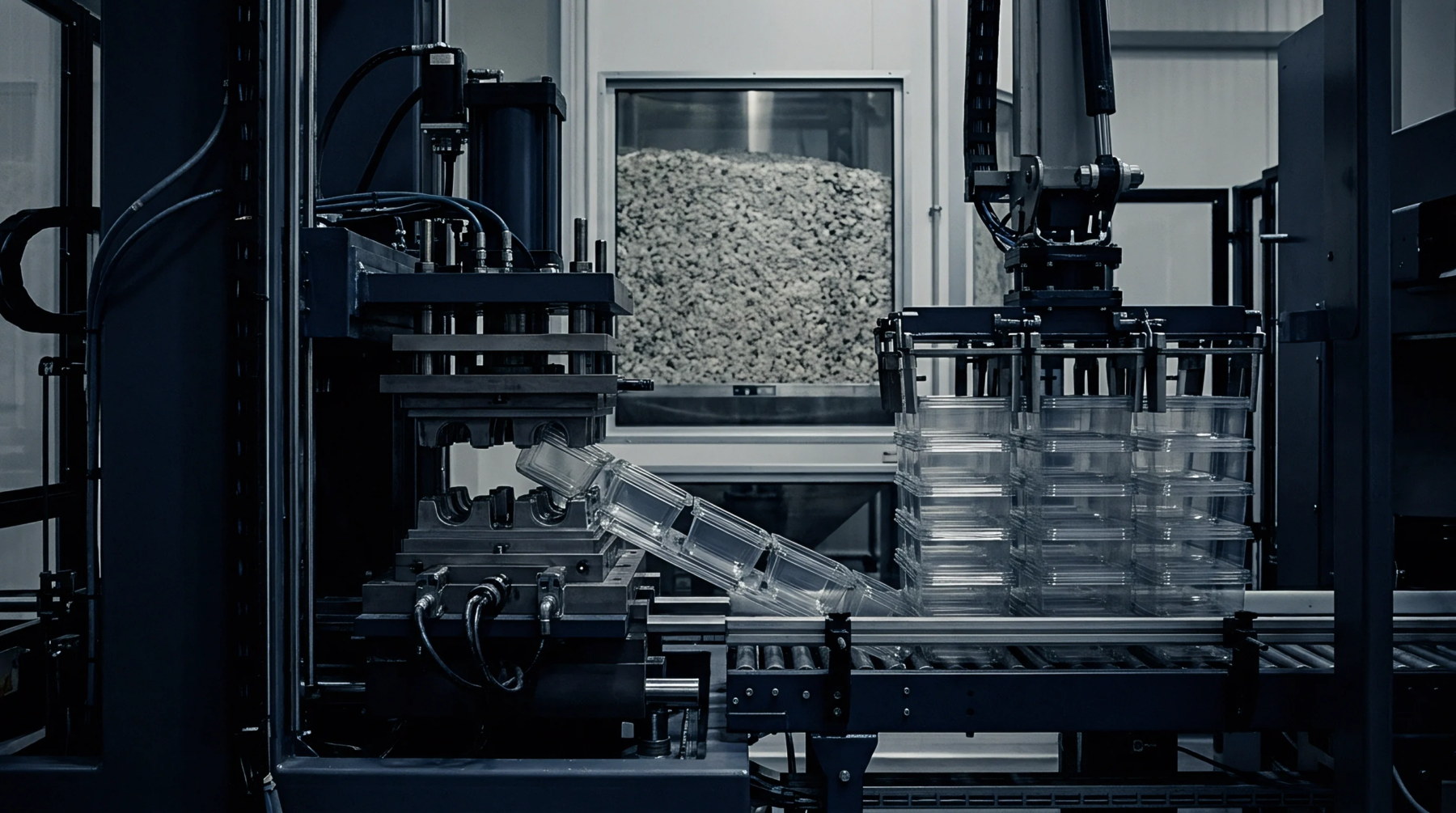
Physical processes causing the reduction of local part thickness during stretch blow moulding or thermoforming are governed by polymer melt stretching and thermal distribution. Wall thinning mechanisms are driven by the localized high-strain stretching of the polymer sheet or parison before it freezes against the cold mould cavity surface. This reduction in thickness can create structural weak points and reduce the barrier properties of the container.
Stretch Dynamics
Material distribution during forming depends heavily on the temperature profile of the polymer preform. Areas that are hotter stretch more easily and therefore thin more rapidly than cooler regions. Processors must control the heating profile to ensure uniform wall thickness across the finished article.
Resin Properties
Molecular weight distribution and melt strength influence the resistance of the polymer to excessive thinning during the stretch phase. Resins with higher melt strength exhibit strain hardening, which helps to distribute the stretch forces more evenly and prevents localized failure. Sourcing high-performance resin grades can significantly reduce thin spots in deep-draw parts, which is essential when downgauging to save on material costs.
Structural Impact
Inadequate thickness in critical areas like the base or corners of a container compromises the top-load strength and impact resistance. This can lead to collapse during filling, capping, or transit. To avoid these failures, moulders must continuously monitor part weight and thickness distribution using automated measuring systems.