
Untargeted Mass Spectrometry Screening Protocols for Recycled Polyolefins
Untargeted mass spectrometry screening de-risks recycled polyolefin resins by detecting non-intentionally added substances before food contact batch release.

Untargeted mass spectrometry screening de-risks recycled polyolefin resins by detecting non-intentionally added substances before food contact batch release.

Thermal cracking isotopic shifts alter mass allocation balances; raw IRMS ratios require kinetic fractionation adjustments in conformity dossiers.

Resolving PPC density disputes requires gas pycnometry over liquid immersion to separate interfacial voids from true mineral under-dosing.

Analytical verification of chemically recycled polyolefins combines bulk isotope ratios with compound-specific pyrolysis markers to audit import declarations.

Mass balance integrity in polymer supply chains demands batch-level yield deductions, site-boundary credit reconciliation, and physical shipping proof.
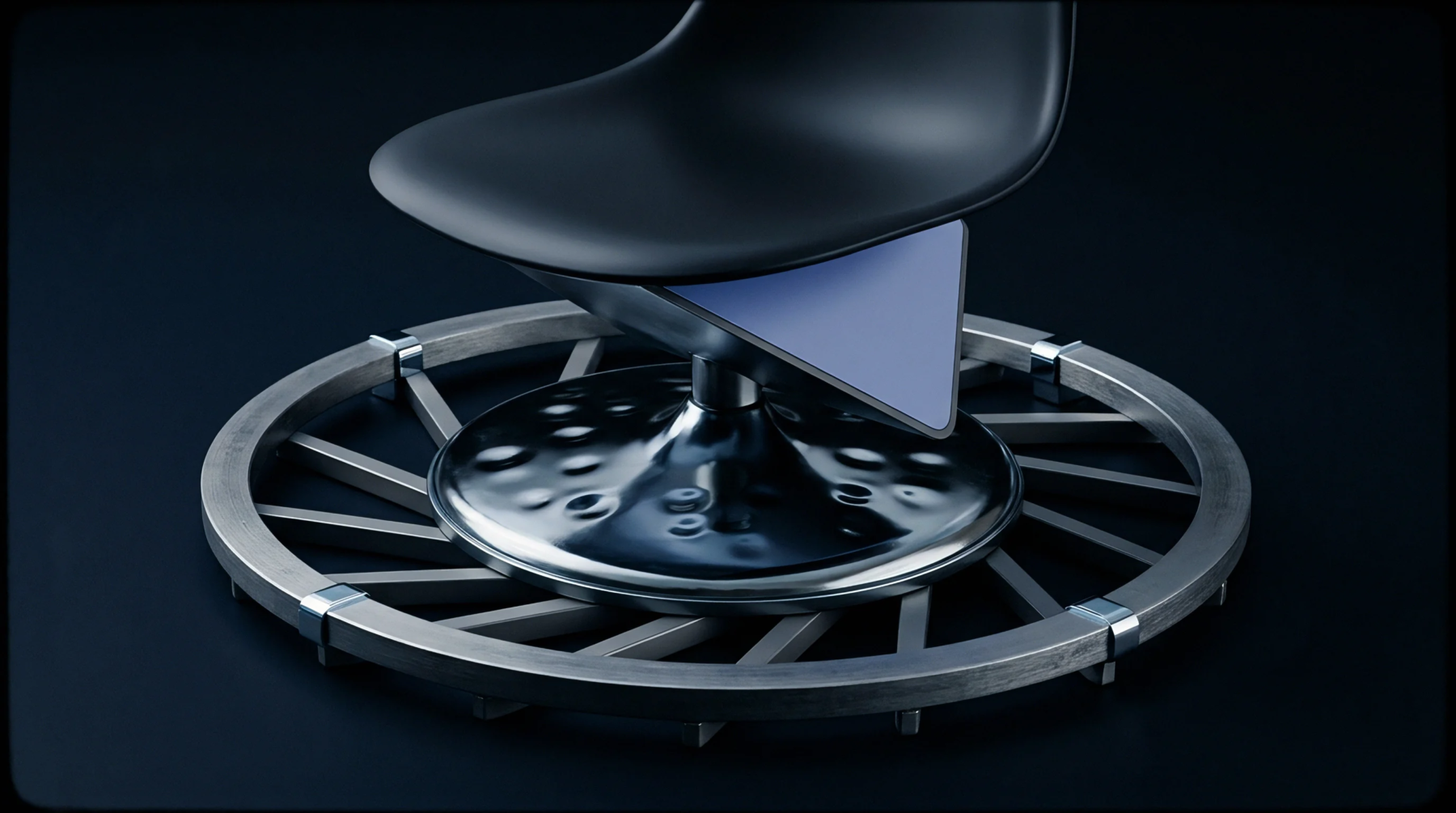
DSC annealing isolates true polymer density from processing thermal history by separating secondary crystalline growth from baseline backbone morphology.

Calcination isolates inorganic fillers by combustion, matching furnace setpoints to mineral ignition loss factors to verify delivered compound composition.

Multivariant cavity pressure curve area control locks optical lens center thickness within three micrometers by compensating dynamic resin viscosity shifts.

Spectroscopic identification of base resin requires sequential solvent extraction and calcination to isolate pure polymer matrices for tariff audit compliance.

Immersion density tests on filled resins fail when liquid thermal drift, suspension wire meniscus drag, and surface air micro-bubbles distort Archimedes buoyancy.

Real-time melt viscosity tracking decouples machine stroke from cavity dynamics, holding DIN 16742 tolerances across raw material batch shifts.

Cavity pressure integration stabilizes moulded part dimensions by decoupling packing phase transfer from machine variation and verifying cycle-by-cycle density.

Polyolefin tariff subheading classification requires verifying monomer weight ratios above fifty percent and measuring density at twenty three degrees.

Excess shear in wet PET orifices sparks localized thermal dissipation, accelerating ester scission and dropping intrinsic viscosity past acceptable limits.

Quantifying unknown photoinitiator degradants in recycled laminates requires high-resolution mass spectrometry with response-factor-corrected surrogate calibration.

Coupled CHT-FSI modeling resolves dynamic core pin bending and thermal disparity to lock wall thickness tolerances across high-cavitation tooling.

Calibrate solver thermal conductance against in-tool pressure and temperature telemetry to prevent costly mold re-cutting loops and secure tight tolerances.

Controlling twin screw extruder shear energy density and peak melt temperature prevents non-isothermal chain scission and protects part mechanical performance.
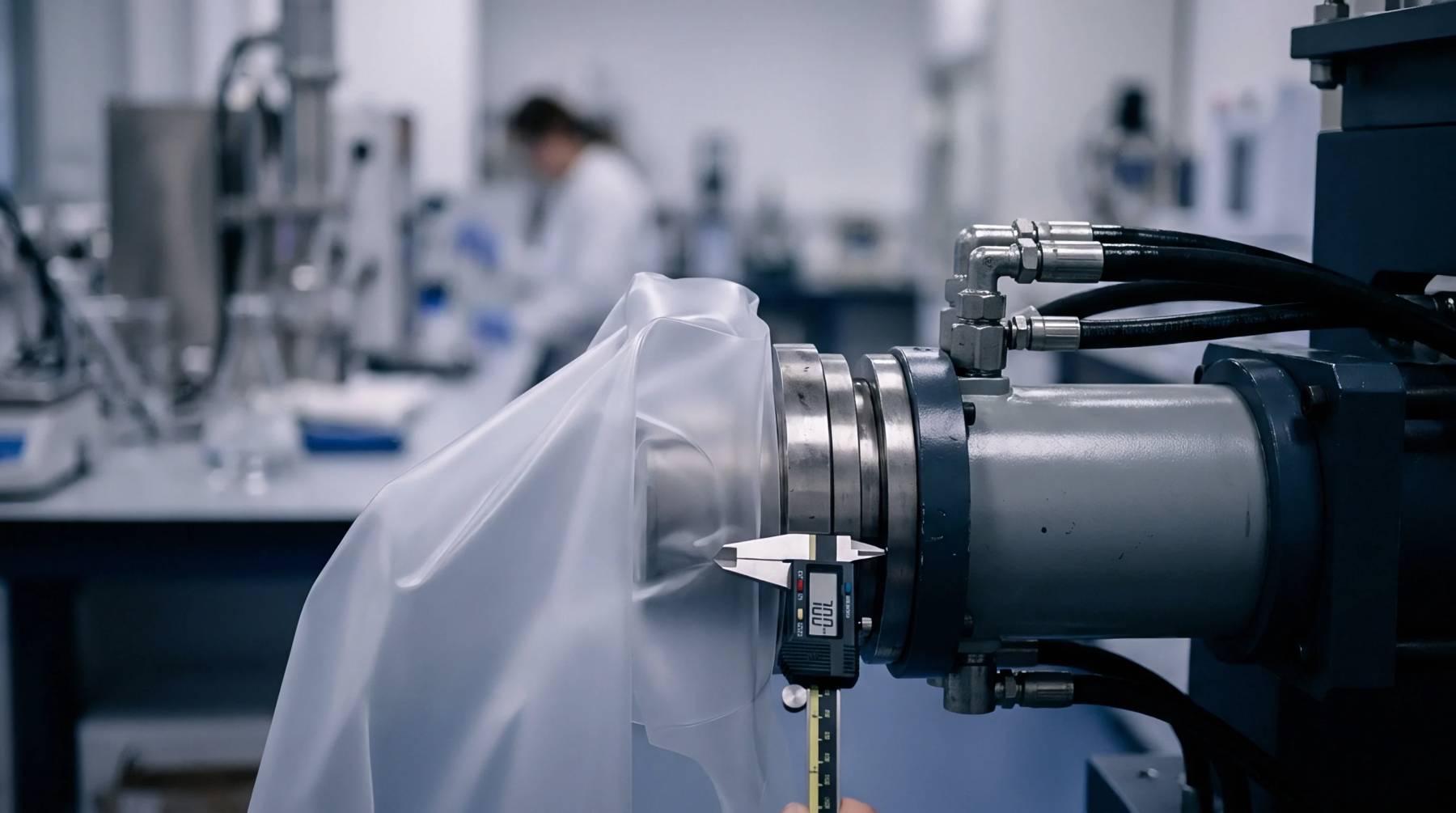
Polyethylene terephthalate requires desiccant drying to under 50 ppm at minus 40 dewpoint to prevent hydrolytic chain scission verified by ISO 15512 Karl Fischer.

Calculate polyester molecular weight loss by summing hydrolytic and thermal scission rates across barrel residence time to verify intrinsic viscosity retention.

Solid state polycondensation restores hydrolyzed scrap by driving forward transesterification under dry inert flux, bounded by flake core condensate diffusion.

High-cavitation transient thermal balance requires turbulent coolant flow, conductive insert alloys, and equalized circuit pressure drops across every cavity.

Verification of photoinitiator migration limits in recycled polyolefins requires chromatographic testing against specific migration limits using appropriate food simulants.

Predict microstructural fatigue initiation in thermally cyclic short fiber polymers by mapping injection fiber orientation tensors to 3D viscoplastic RVE models.
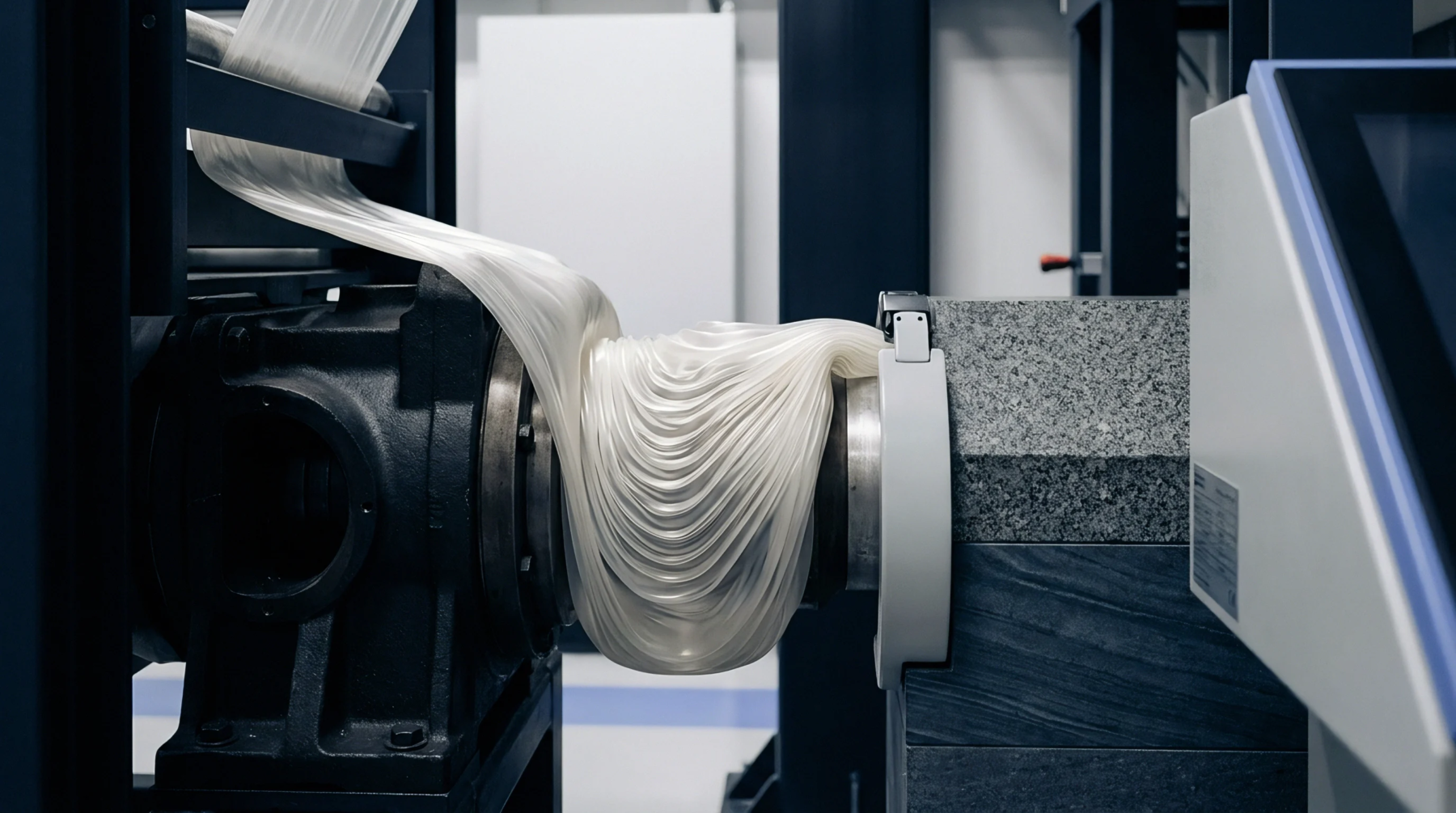
Polyester drying parameters demand minus forty degree dew point air to limit intrinsic viscosity drop below zero point zero four deciliters per gram.

Drying post-consumer PET regrind below 50 ppm moisture at minus 40 degrees dew point prevents acid-catalyzed hydrolytic scission and catastrophic viscosity collapse during melt processing.

Mapping injection molded fiber tensors into non linear FEA models yields accurate stress relaxation predictions and prevents costly tooling modifications.
Glass-reinforced thread flank relaxation depends on fiber orientation mapping and viscoelastic Prony models to prevent clamp load decay in molded bosses.
Melt flow rate increases nonlinearly as intrinsic viscosity drops; establishing zero-shear viscosity calibrations converts high-shear extrusion data reliably.

Coupled nonisothermal viscoelastic models predict residual stress and thermal contraction by integrating temperature histories with time-dependent modulus relaxation.
Expertise is a utility, not a secret. sentiention™ publishes its working knowledge as open reference: intelligence layer covering the materials it sources, the markets it enters, and the reference that serves both.