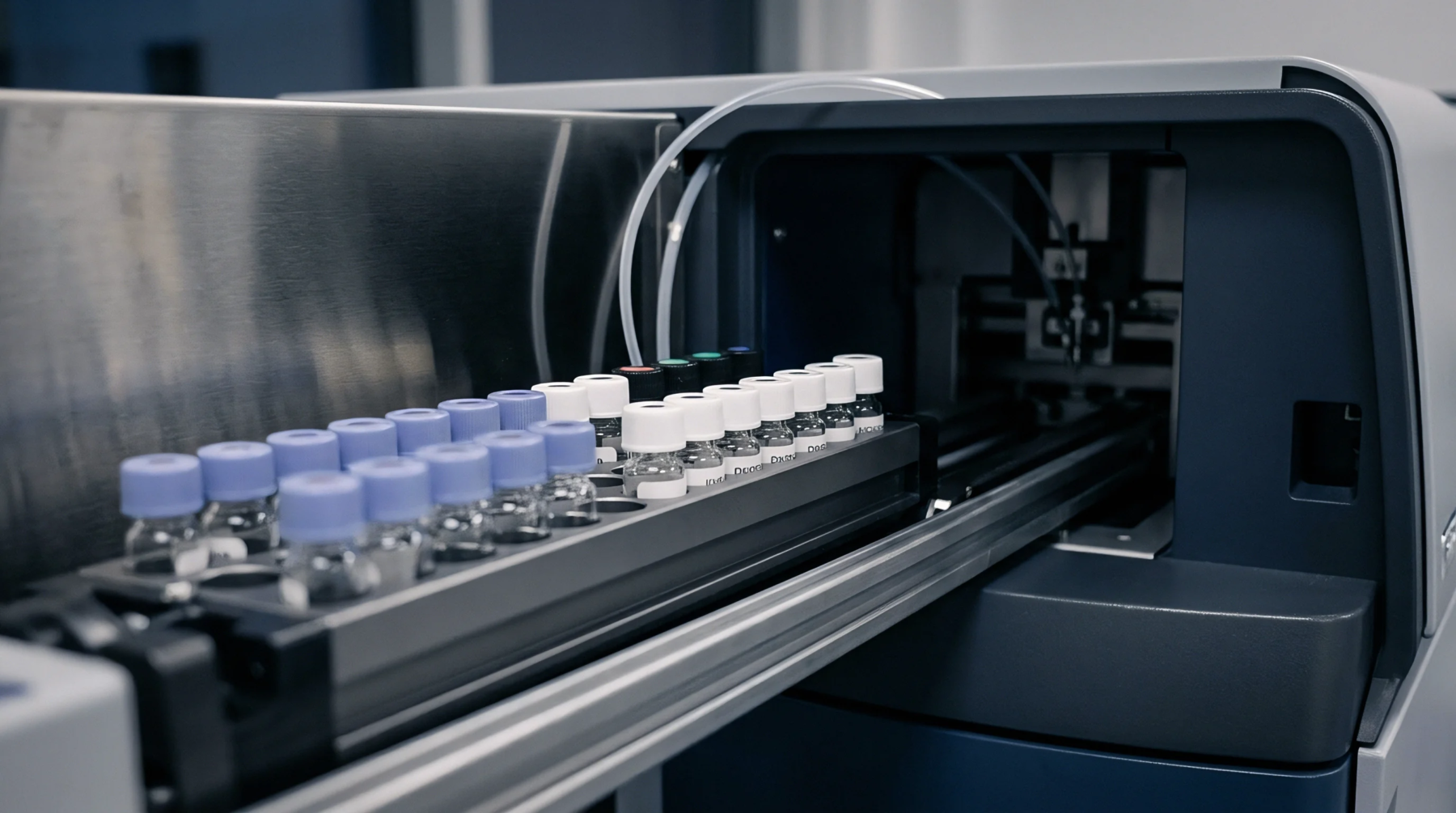
Analytical Limits in Verifying Chemical Recycling Content
Chemical recycling yields monomers identical to virgin fossil feedstocks, shifting compliance proof from chemical testing to mass balance auditing.

Chemical recycling yields monomers identical to virgin fossil feedstocks, shifting compliance proof from chemical testing to mass balance auditing.

Accurate contaminant diffusion modeling in recycled polymers replaces spherical radius assumptions with shape specific three dimensional finite element boundary formulations.
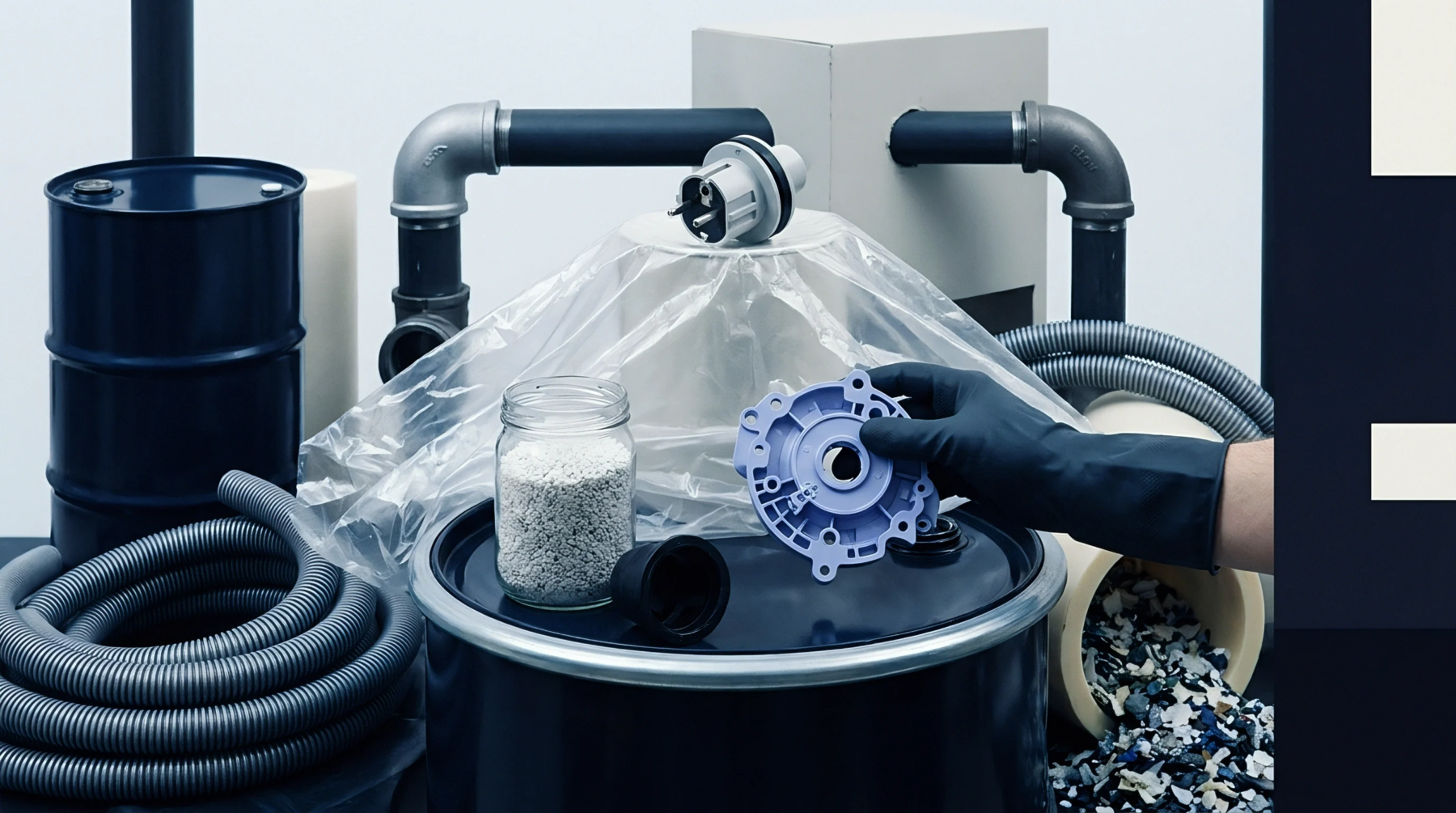
Intrinsic viscosity accumulation limits in rPET are governed by end-group stoichiometry, byproduct diffusion rates, and contaminant-induced chain scission.

Severe low-mass elastomer baseline humps elevate GC-MS screening limits, masking toxic migrants and rendering standard compliance declarations legally invalid.

Tune quartz platens to 2.7 microns to equalize sheet interior heat, triggering tool advance through optical sag triangulation before catenary runaway begins.

Entrapped organic volatiles lower solid state polymerization equilibrium intrinsic viscosity limits by generating reactive acid groups and shifting esterification thermodynamics

SVHC thresholds apply to each individual article within a subassembly, requiring mass calculations based on discrete components rather than total unit weight.

Predictive hydroabrasive modeling matches PM insert wear rates to local temperature gradients and particle momentum, securing tool life and gate accuracy.

Static headspace GC-MS verifies post-consumer rPET decontamination by quantifying volatile NIAS and clearing challenge surrogates below regulatory migration limits.

Exceeding 50 ppm moisture in PET extrusion triggers rapid hydrolytic cleavage, collapsing intrinsic viscosity, ruining melt strength, and causing brittle parts.

Determining component article thresholds demands isolating discrete plastic subparts before calculating substance weight percentages against individual component mass.
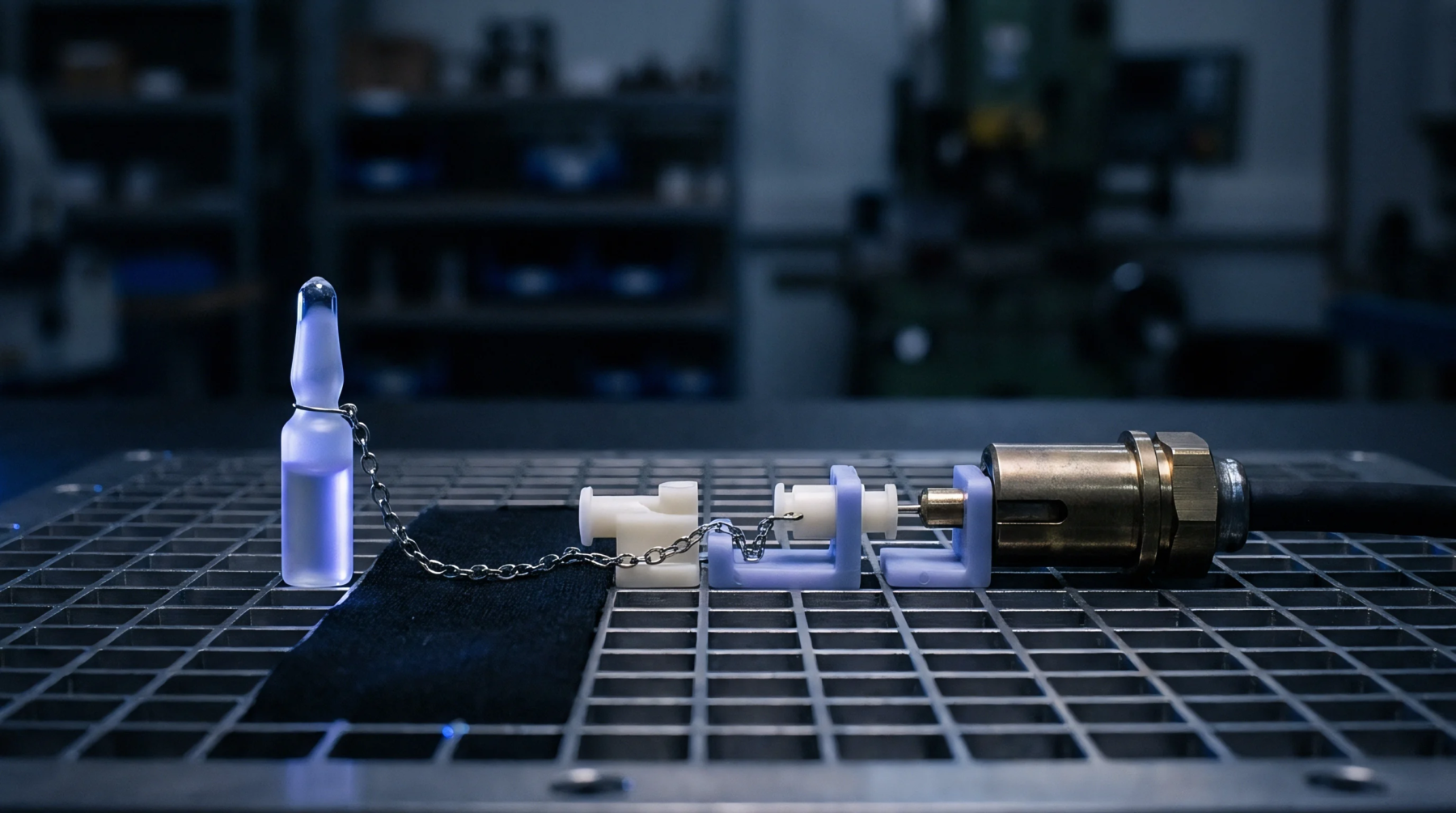
High glass filler loading causes severe matrix wash-out and gate land expansion, requiring powder metallurgy steels or carbide inserts to maintain tolerances.

Auditing Chinese GB polypropylene migration reports demands matching lot paperwork, verifying CMA seals, and confirming simulant parameters under GB 31604.1.

Standardize non-aqueous PET scrap titration at 135 C in benzyl alcohol-chloroform to isolate true carboxyl counts from PVC and nylon contamination.

Non-compliant food packaging detentions in China escalate financial exposure through progressive demurrage, mandatory testing fees, and cargo destruction costs.

Polymer melt abrasion erodes gates and cavities through high-shear filler scour, demanding powder-metallurgy tool steels with dense carbide fractions over 54 HRC.

Chinese food contact compliance requires verified laboratory migration reports matching exact resin lots and explicit declarations of restricted substances.
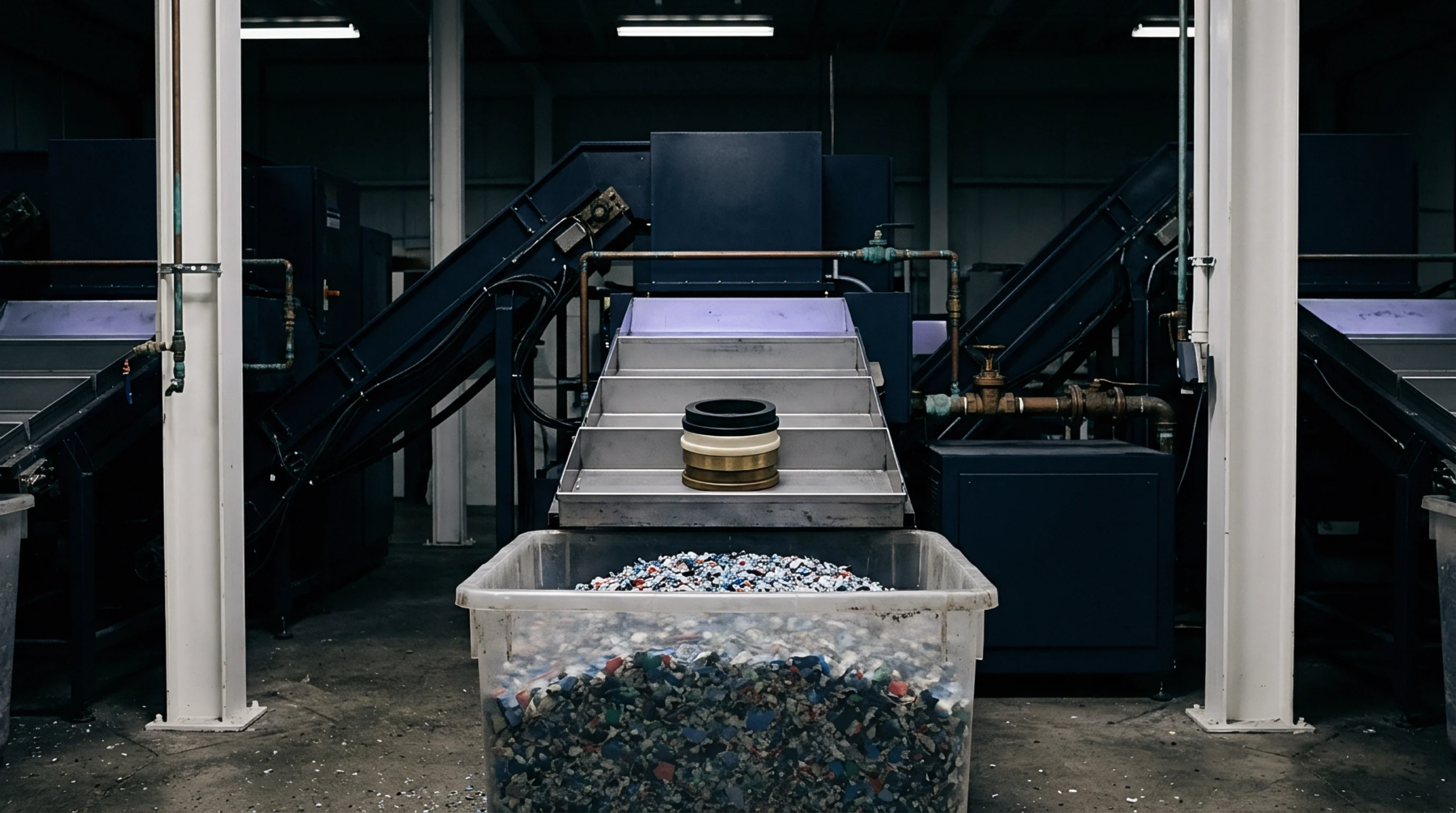
Automated real-time scrap containment pairs in-cavity piezoelectric pressure monitoring with sub-twenty-millisecond drop diverters to eliminate batch lot scrap.

Optimize oven extraction to 175 C using aldehyde-free reagents to stop parasitic water generation and prevent false positive moisture reads in recycled PET.

Ruggedized raceways, continuous isolation barriers, and single-point grounding eliminate thermal noise and ground loops in high-cavitation tooling.

Coulometric Karl Fischer with oven desorption at 170°C isolates true flake moisture from volatiles to prevent hydrolytic intrinsic viscosity loss.

Nonlinear electrochemical baseline drift requires combined Arrhenius thermal modeling and creep-resistant housing resins to maintain zero-point stability.

Select direct quartz sensors for cosmetic-free dynamic packing control; use indirect pin transducers where surface markings are forbidden by drawing tolerances.

Fickian core diffusion coupled with boundary desorption governs high-temperature volatile mass loss, demanding resin limits below 0.10% condensable content.
In-line solid-phase trapping at 85 C strips terpene and fatty acid volatiles, preventing false coulometric moisture spikes in post-consumer polyolefin analysis.

Micro-scale thermal volatile analysis identifies trace polymer contaminants and degradation pathways to prevent costly batch failures and regulatory non-compliance.

Foreign possessory injection tool liens resist US Chapter 11 automatic stays until the debtor posts cash collateral via local Chapter 15 recognition.

Moulders prime senior bank liens under UCC 9-333 by holding continuous custody, isolating maintenance from part debt, and serving formal statutory notices.

Chromatographically coupled coulometry separates true polymer moisture from volatile organic contaminants, eliminating false titration readings in recycled resin.

Cross-border tooling retention requires registered bailment deeds, permanent plate engraving, and immediate emergency replevin filings before liens attach.
Expertise is a utility, not a secret. sentiention™ publishes its working knowledge as open reference: intelligence layer covering the materials it sources, the markets it enters, and the reference that serves both.