
Standard Karl Fischer Oven Desorption Limits for Polyolefin Flakes
Oven Karl Fischer testing at 180°C to 200°C verifies polyolefin flake moisture against the 300 to 500 ppm operational processing ceiling.

Oven Karl Fischer testing at 180°C to 200°C verifies polyolefin flake moisture against the 300 to 500 ppm operational processing ceiling.

Volatile organic contamination fouls synthetic zeolites through competitive adsorption and binder coking, collapsing drying dew point and degrading recycled PET.
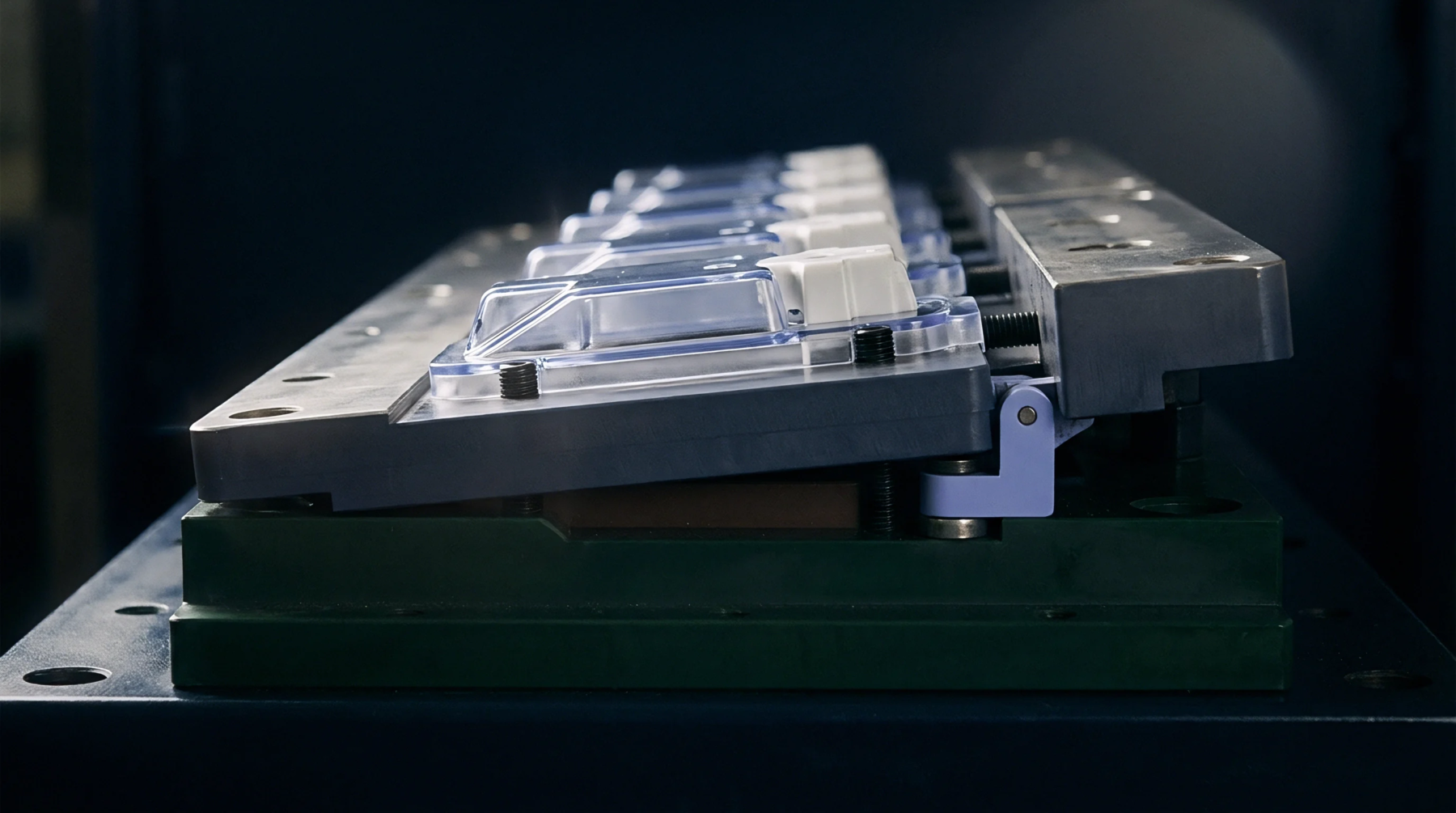
Asymmetric platen deflection drives localized shutoff contact stress beyond tool steel compressive yield, accelerating Weibull B10 spalling failure.
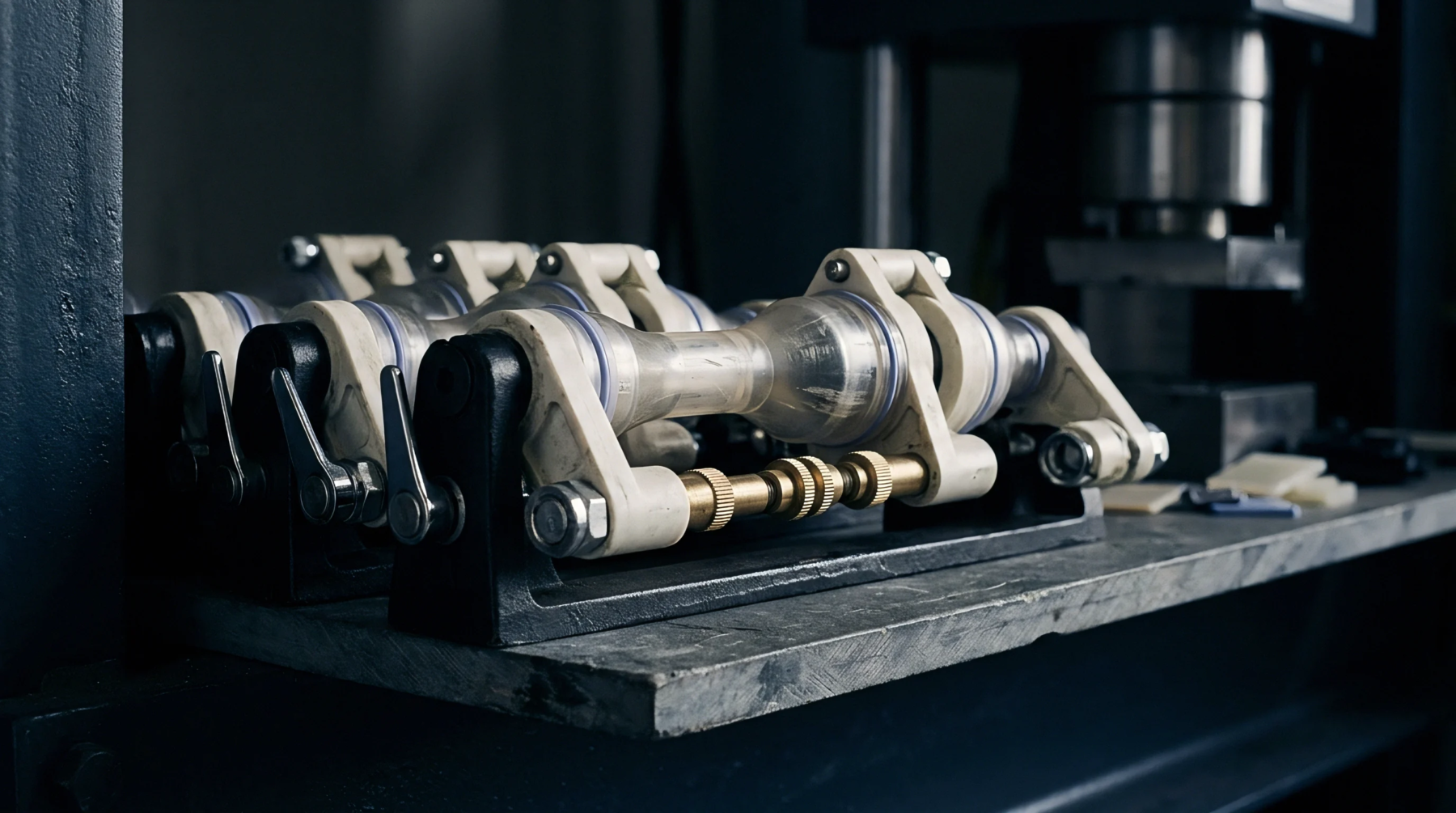
Dynamic press breathing accelerates injection shutoff fatigue, demanding statistical Weibull modeling to set insert replacement intervals before flash occurs.

Processing post-consumer polyester flake demands moisture levels below 50 ppm for single screws or under 300 ppm with high-vacuum twin-screw devolatilization.

Tool title depends on stamped asset plates, perfected local filings, and cash reserves to discharge builder liens before cross-border stays lock the press.

Balanced shutoff land life in multi-cavity molds requires rigid taper interlocking, tight platen deflection control, and a two-point Rockwell hardness offset.

Engineers optimize flake drying by scaling hopper air volume to bulk density, holding dew points below minus forty degrees, and controlling thermal sintering.

Dynamic nitrogen purge gradients accelerate high-temperature transesterification by lowering interfacial ethylene glycol partial pressure and suppressing degradation.

Relative response factors in LC-HRMS recyclate screening vary by up to two orders of magnitude, requiring calibrated multi-surrogate matrices for batch release.
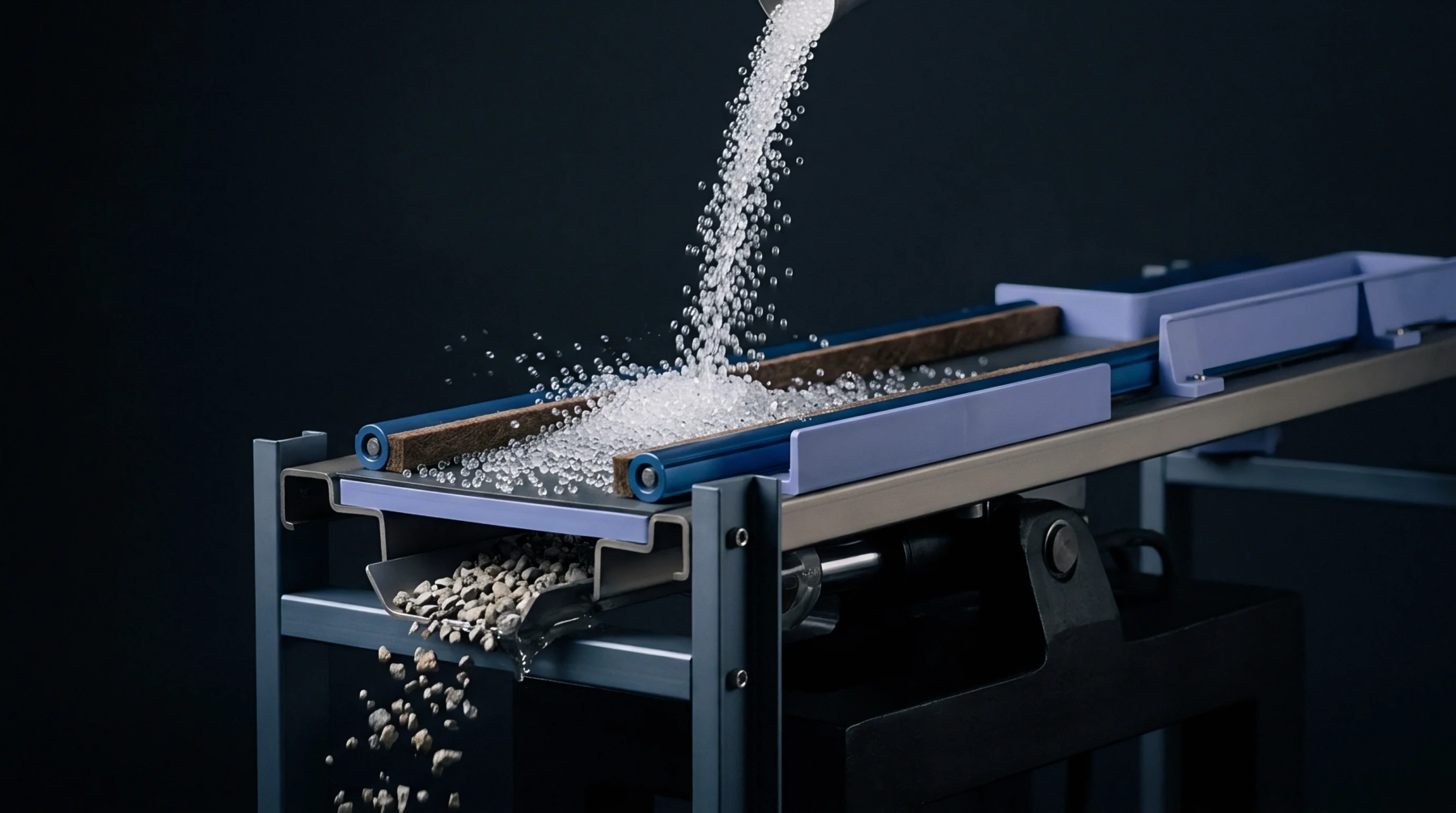
Lower bound relative response factors prevent toxic migrant under-reporting by applying fifth-percentile sensitivity divisors to polyolefin screening limits.

Modular tooling with valve gates cuts changeovers to 30 minutes and trims cycle times, amortising higher initial tooling capital across program variants.

Non-targeted screening of polyolefins requires multi-surrogate relative response calibration to prevent order-of-magnitude underreporting of migrants.

Molded micro-elastomer screening demands simulant testing matched to high surface-to-volume ratios to detect shear-driven degradation and blooming risks.

Thermal desorption eliminates active metal coordination through phosphorus quenching, preventing analytical ester scission from generating false aldehyde peaks.

Untargeted mass spectrometry screening of recycled polymer degradation requires 0.4 Da isolation windows and toxicological cutoffs down to 0.01 µg/g.

Micro-scale polymer additive isolation requires microtomed extraction and high-resolution chromatography to verify declarations and prevent border seizures.

Mitigate volatile part demand by selecting lower cavitation modular tools across standard press tonnages to avoid idle capital and startup scrap penalties.

Solid state polycondensation of PEF stalls when water vapor pressure exceeds five Pascals or carboxyl end groups drop below forty equivalents per tonne.

High resolution mass spectrometry screening for non-intentionally added substances suffers from response factor errors and variable ionization suppression.

EU packaging rules accept mass-balanced chemical recycling only under strict site boundaries with fuel-use deductions and complete documentary audit trails.

Predicting gate loss in contaminated PCR demands combining particulate kinetic energy equations with cavity pressure drift to schedule insert swaps.
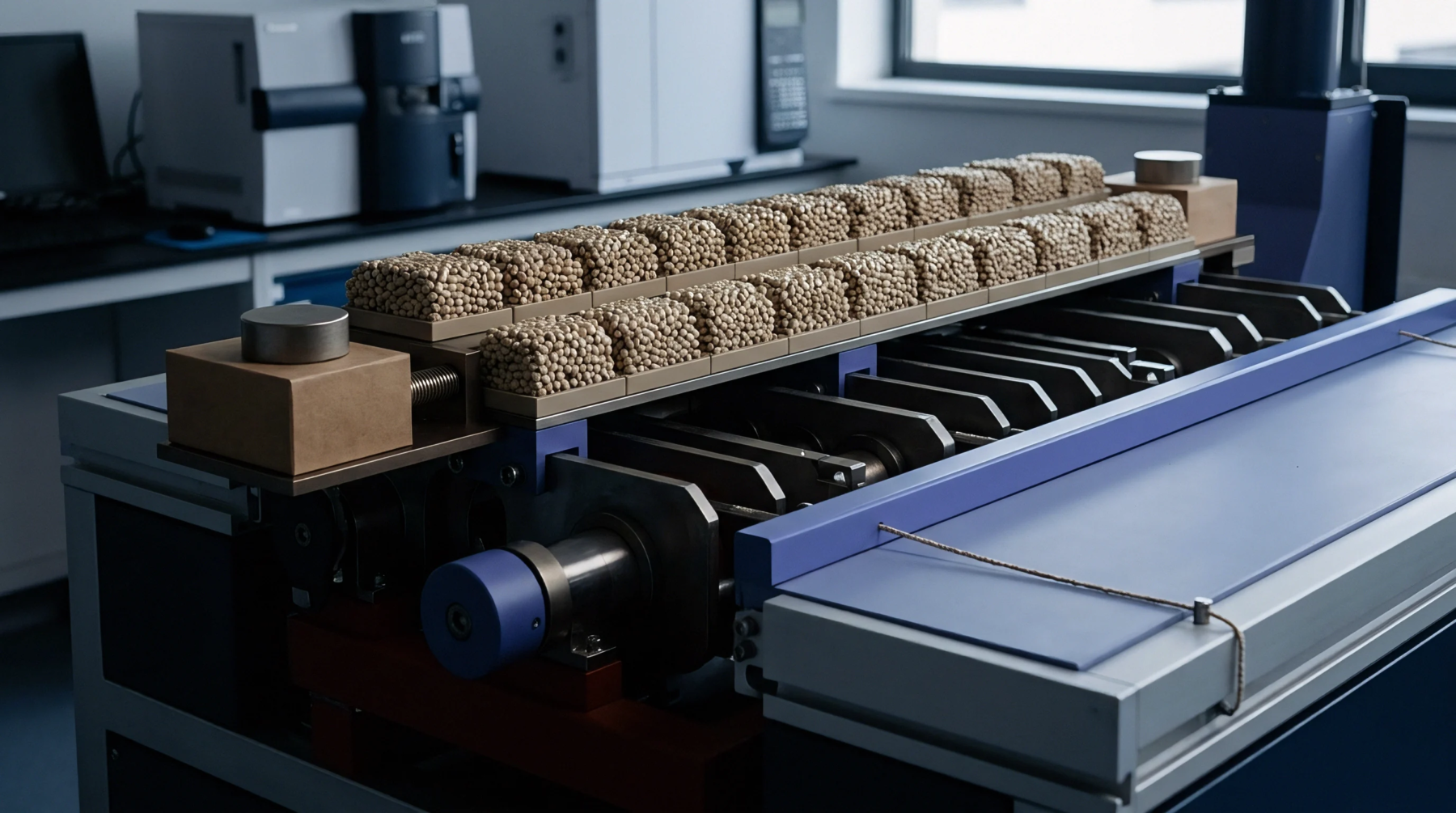
Verify chemically recycled polymers via mass balance audit files, as steam cracking renders circular and virgin fossil hydrocarbons analytically identical.

High-resolution GC and LC workflows detect and semi-quantify unknown migrants in recycled polyolefins against toxicological thresholds to ensure food-contact compliance.

Selecting cavity alloys for abrasive resins requires matching filler Mohs hardness and loading against steel carbide structure and toughness.

Matrix ion suppression masks unknown oligomeric migrants in fatty simulants, inflating true quantification limits and invalidating conformity declarations.

Coulometric Karl Fischer titration with thermal vaporization quantifies micro-ppm moisture in polyesters to prevent hydrolytic chain scission during processing.

Prehardened 28 to 34 HRC tool steel delivers 50,000 cycles for non-abrasive resins, bypassing heat treatment while securing parting line integrity.

Mass transport limits in amorphous polyester solid state transesterification dictate conversion rates, requiring thin flakes to prevent severe sintering.

Uncertainty in non-rigid inspection fixtures stems from viscoelastic relaxation and thermal gradients, requiring regulated clamping and strict timing controls.
Expertise is a utility, not a secret. sentiention™ publishes its working knowledge as open reference: intelligence layer covering the materials it sources, the markets it enters, and the reference that serves both.