Meaning
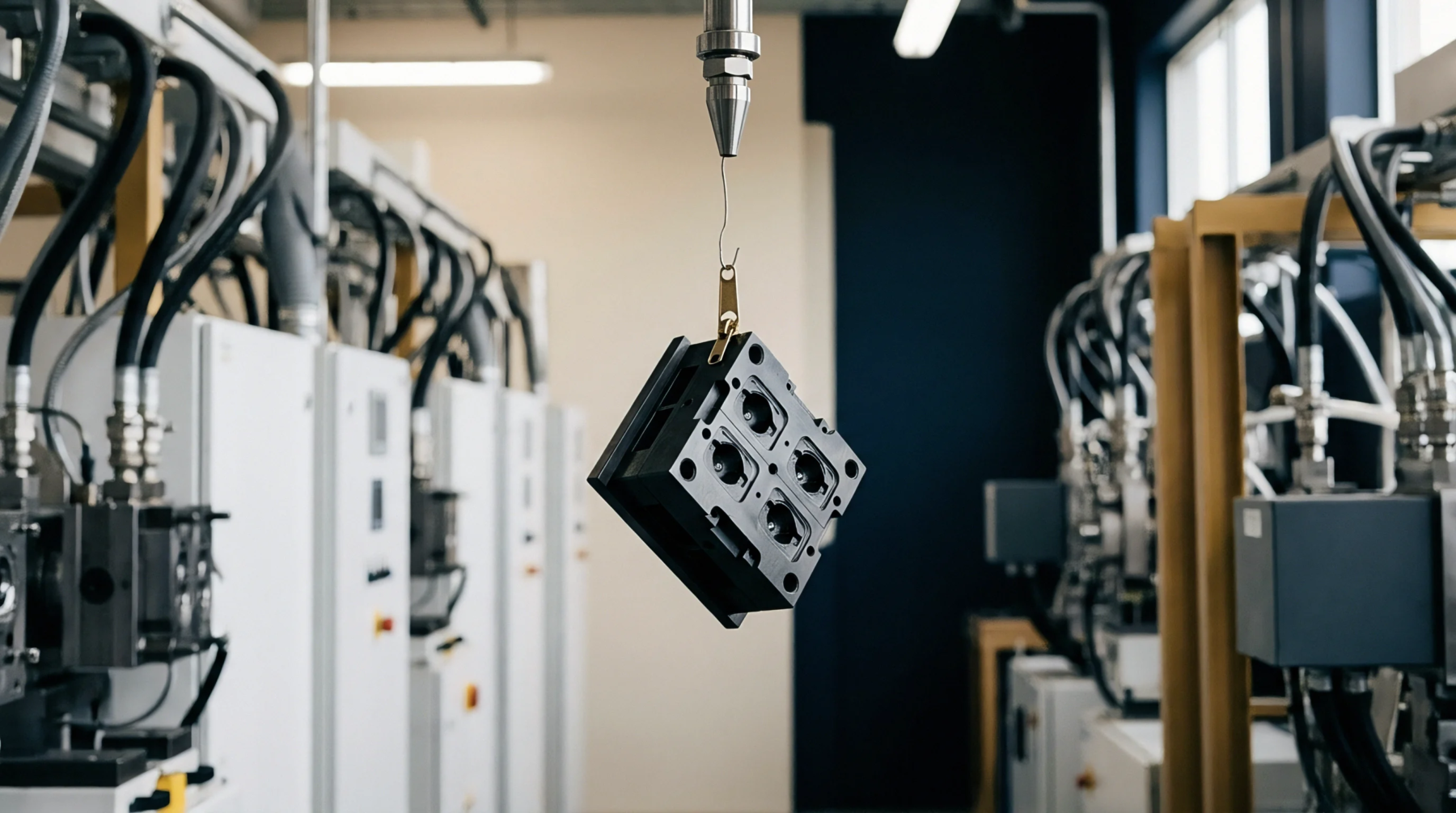
Machined recess on the mating faces of an injection mold reduces the contact area along the parting line to concentrate the clamping force where it is needed most. This geometry, termed parting relief, leaves a narrow land around the cavity while relieving the remaining plate surface by a fraction of a millimeter. Mold makers use this technique to ensure a tight seal without requiring excessive press tonnage.
Clamping Efficiency
Concentrating the clamping force on a small land area maximizes the sealing pressure around the mold cavities. Applying parting relief prevents the mold plates from bowing or flexing under the high injection pressures of the molten plastic. Without this relief, the clamping force is distributed over the entire surface of the mold plates, which reduces the effective pressure at the cavity edges.
This reduction can allow the plates to separate slightly during the high-pressure packing phase. When the plates separate, the melt fills the gap and creates thick flash that requires post-mold trimming. Maintaining this high contact pressure ensures the mold remains closed and rigid throughout the injection cycle.
Mold Venting
Relieving the non-mating sections of the mold plates creates a natural path for trapped air to escape from the cavities. When parting relief is incorporated, air from the vents can flow freely out of the mold to the atmosphere. This escape prevents air from being compressed inside the cavity, which would cause burn marks on the molded part.
Efficient venting also allows the cavity to fill faster and at lower injection pressures.
Defect Suppression
Insufficient sealing at the parting line allows molten polymer to squeeze out and form flash on the finished parts. Using parting relief ensures the land area remains tightly sealed, which stops this leakage. Eliminating flash reduces the need for manual trimming and keeps the part dimensions within tight tolerances.
This control minimizes post-molding labor costs and lowers the overall scrap rate of the production run.