
Evaluating Antioxidant Retention in Recycled Polyethylene Pellet Lots
Verify antioxidant retention in recycled polyethylene lots using ASTM D3895 oxidation induction times and liquid chromatography to prevent field failures.

Verify antioxidant retention in recycled polyethylene lots using ASTM D3895 oxidation induction times and liquid chromatography to prevent field failures.

Predict post-consumer polyethylene thermal oxidation limits by tracking active phosphite depletion via high-pressure DSC and Arrhenius modeling under verified letdowns.

Accelerated contact testing induces polymer swelling and phase shifts that distort migration rates, demanding multi-temperature kinetic validation.

Auditing food contact declarations lacking simulant exposure parameters requires demanding EN 1186 test conditions, food type assignments, and surface-to-volume proof.

Matching carrier melt flow rate within twenty percent of the recycled matrix prevents masterbatch pinning and surface defects in high density polyethylene.

Non-target HRMS screening identifies photoinitiator cleavage products in recycled polyolefins to prevent toxic unlisted migrants from exceeding food-contact limits.

Incomplete migration reports invalidate food-contact packaging compliance; recalculate true exposure from geometry, simulant selection, and detection limits.

Polyolefin functional barriers qualify when numerical diffusion models and challenge tests confirm non-authorized migrant transfer stays below 0.01 mg/kg.

Masterbatch let-down rates for post-consumer polyethylene compounds require mass-balance adjustments offsetting baseline additives, ash, and carrier viscosity.

Verify High Load Melt Index across both 190 C and 220 C to identify thermal activation shifts that cause parison instability in regrind polyethylene compounds.

Quantifying photoinitiator set-off requires single-side cell extraction to isolate tension-driven surface contact transfer from bulk polymer migration.

Factory test release requires applying statistical guard bands that absorb inter-laboratory reproducibility spreads before surveillance laboratories seize shipments.

Inline mass drift is resolved by closed-loop gravimetric control and downstream ultrasonic wall tracking adjusting haul-off speed in real time.

Establishing technical parity requires Bland-Altman limits of agreement, documented recovery corrections, and verified ISO 17025 split-sample validation runs.

Lock extrusion sourcing contracts to per-meter pricing tied to nominal linear weight bands, barring supplier invoices from billing unapproved mass creep.

Flow rate ratio analysis of high-load over standard melt index isolates bimodal resin molecular distribution shifts to prevent extrusion failures before silo unloading.
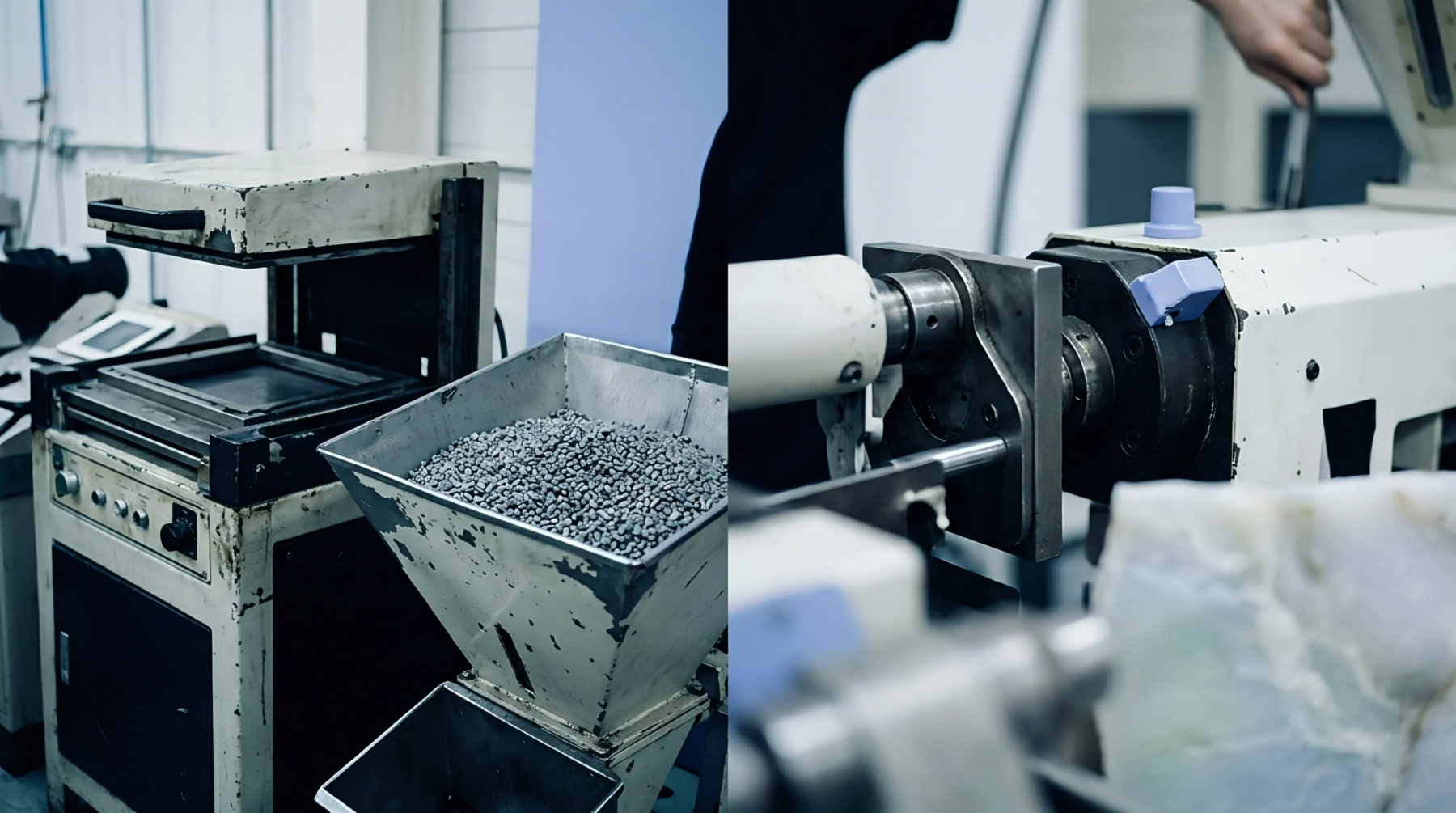
Extrusion conversion minimums exist to dilute non-negotiable startup purge and calibration scrap across enough linear footage to stabilize part piece price.
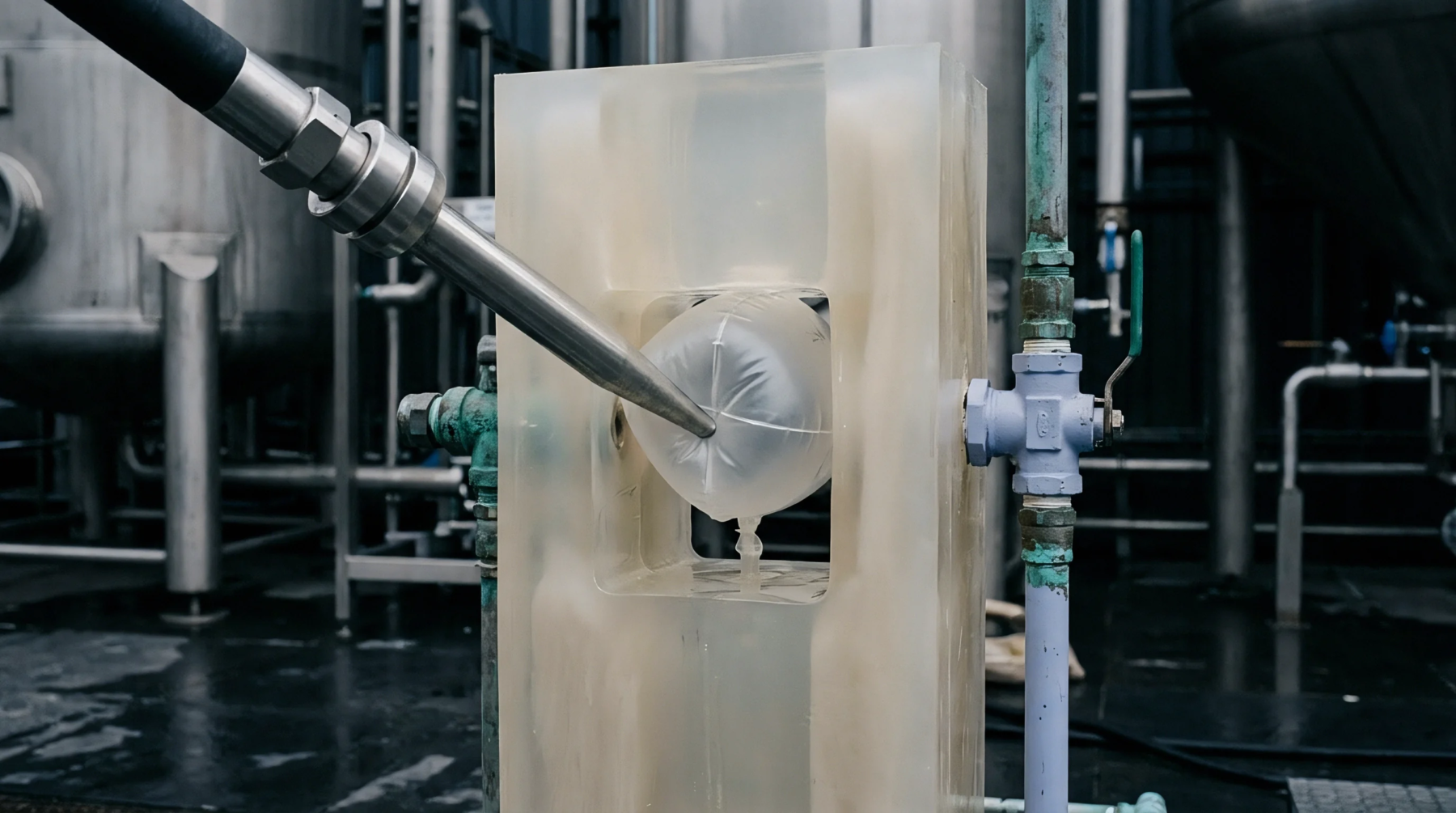
Replacing accredited food contact test reports with internal bench screening invalidates declarations of conformity and exposes importers to customs seizures.

Secure cross-border tooling by affixing engraved bilingual asset plates, filing local precautionary registry liens, and utilizing judicial release bonds.

Select polyethylene melt flow test loads based on expected viscosity, using 2.16 kg for standard resins and 21.6 kg for high molecular weight grades.

Cross-border tooling title fails without local public registry perfection, exposing unbonded moulds to customs seizure and automatic supplier insolvency liens.

Cross-site chemical mass balance credits fail European packaging tax audits that demand batch-level physical traceability and national standard accreditation.

Thermal extraction coulometric titration of PEF requires isothermal holds between 140°C and 150°C to prevent thermal condensation water from skewing moisture data.

A mould bailment agreement secures unencumbered tool title, blocks statutory processor liens via UCC-1 filings, and mandates physical asset plaque tracking.

Chemical recycling yields in polyolefin packaging require strict mass balance audits deducting fuel losses to prevent tax liabilities and compliance failures.

Bottom pinch seam stress crack resistance depends on bimodal molecular mass distribution, steep mold relief angles, and controlled melt fusion.

Thermal desorption coulometry parameters for bio resins balance moisture diffusion against matrix pyrolysis via tight temperature and carrier controls.

Coulometric Karl Fischer titration with thermal desorption oven extraction measures true ppm moisture in bio-polyesters without volatile loss interference.

Polyethylene container mass reduction lowers base pinch weld volume and chime thickness, shifting drop failure from ductile buckling to rapid brittle rupture.

Dynamic die gap programming aligns parison mass with mould draw ratios, stripping container resin weight while locking required structural wall minimums.
Expertise is a utility, not a secret. sentiention™ publishes its working knowledge as open reference: intelligence layer covering the materials it sources, the markets it enters, and the reference that serves both.