
Capillary Rheometry Entrance Correction Methods for Multi-Modal Pipe Resin Specifications
Uncorrected capillary rheometry overstates bimodal pipe resin shear stress; multi-die Bagley corrections isolate entrance losses to protect line throughput.

Uncorrected capillary rheometry overstates bimodal pipe resin shear stress; multi-die Bagley corrections isolate entrance losses to protect line throughput.
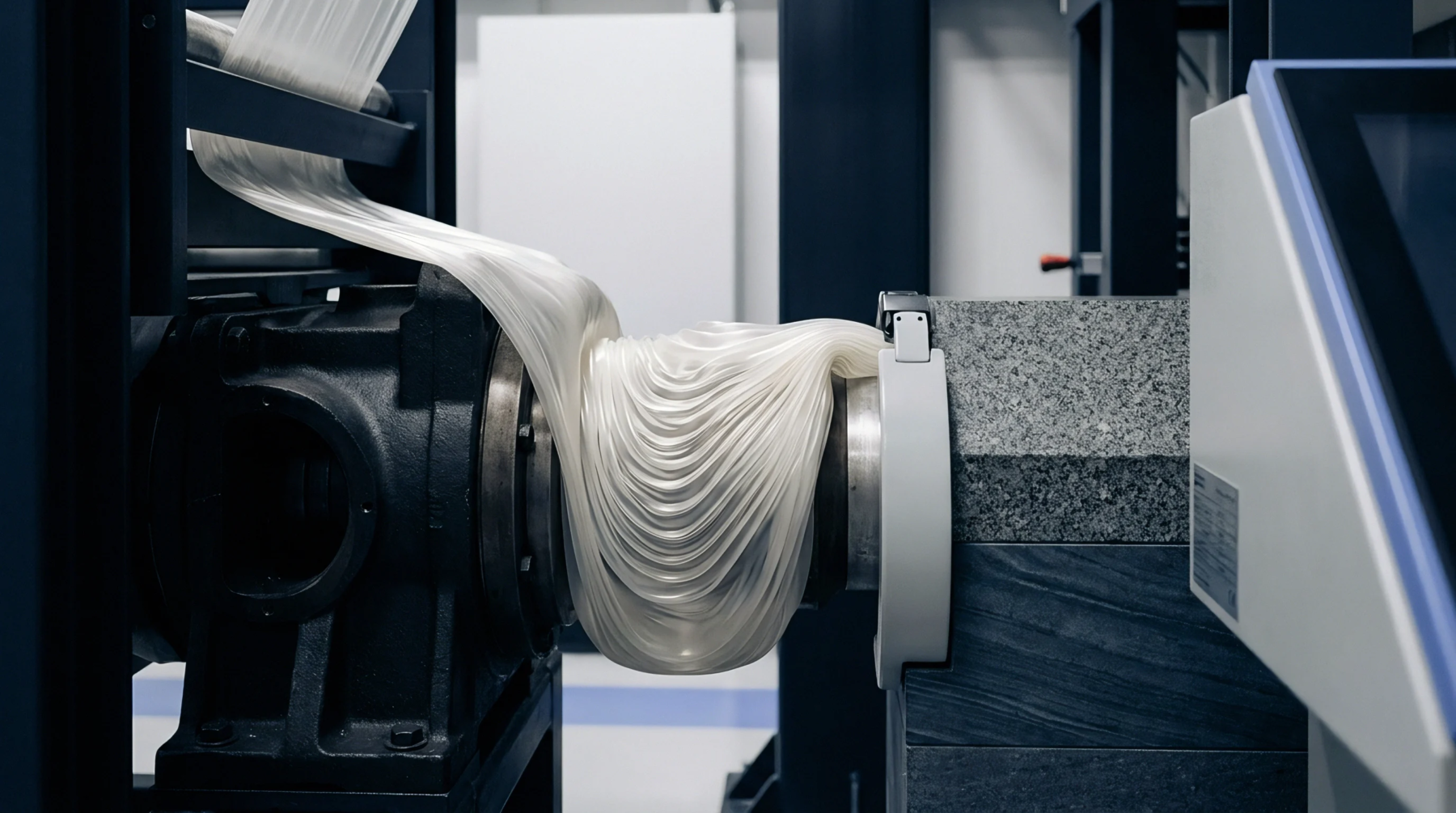
Single-point melt index misses bimodal high-molecular-weight fractions, requiring high-load flow ratio and dynamic shear rheometry for extrusion control.

ISO 22095 mass balance validity requires strict physical system boundaries, temporal reconciliation windows, and stoichiometric fuel-loss deductions.

Reconciling inline telemetry with coulometric titration requires temperature-corrected dielectric calibration and nitrogen-purged vial sampling to resolve drifts.

Calculate water diffusion in hygroscopic polymers using Crank's spherical solution with Arrhenius-derived diffusivity to establish minimum hopper drying times.
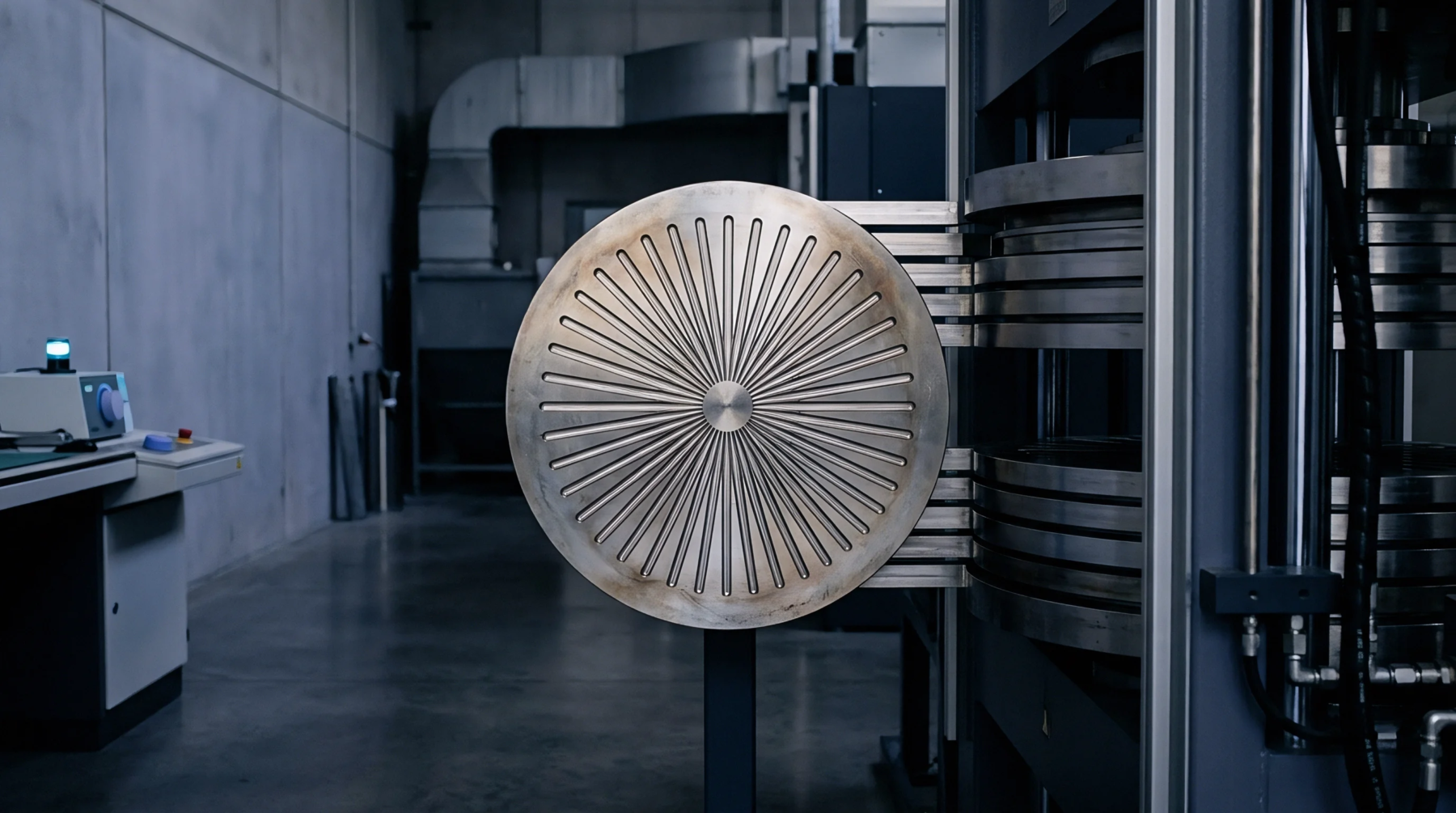
Establishing baseline moisture limits prevents hidden hydrolytic chain scission in condensation resins and eliminates costly cosmetic splay during molding.

HRMS screening without authentic standards creates up to thirtyfold quantification errors for unknown degradation products, risking immediate border detention.
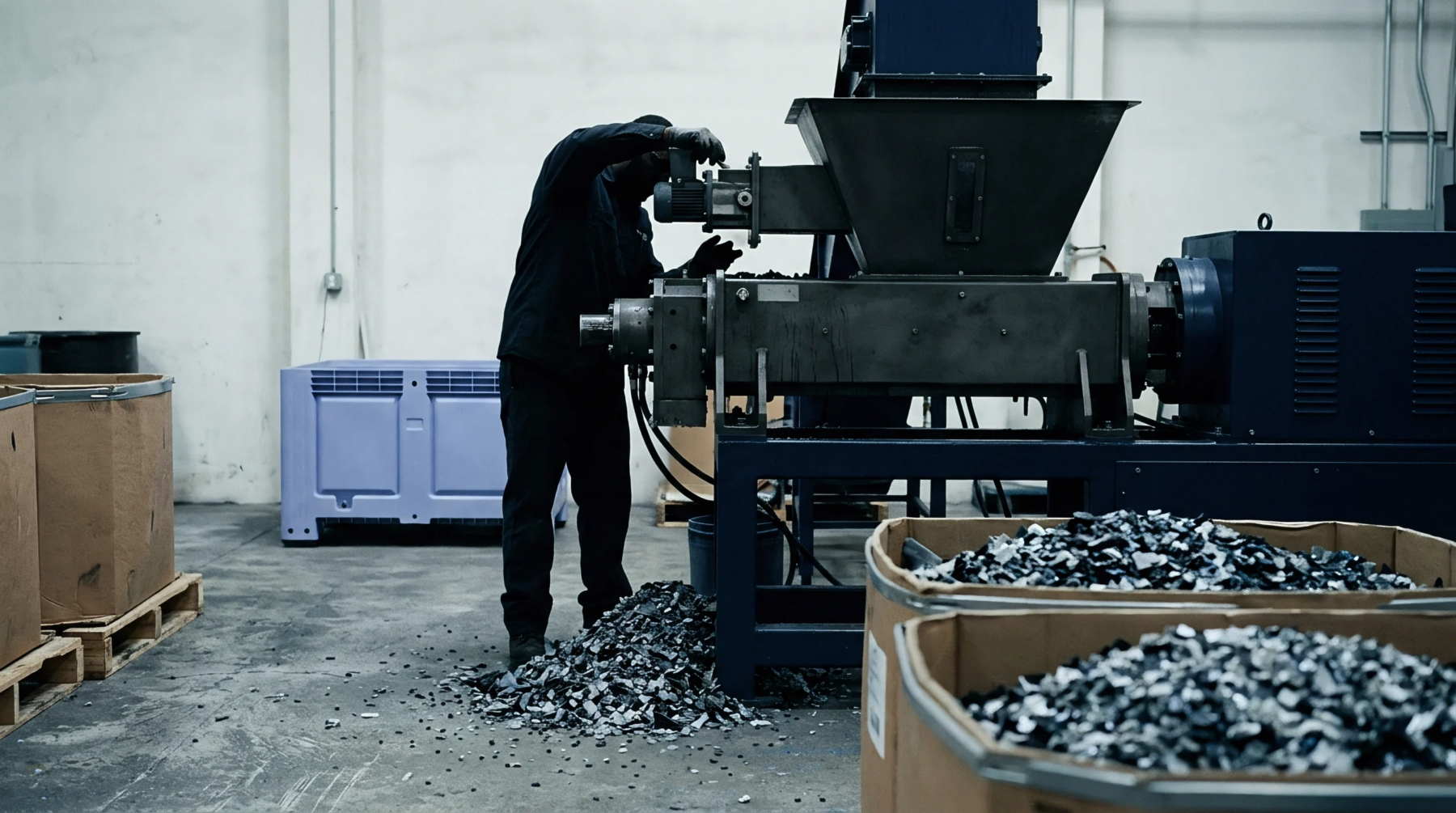
Small-amplitude oscillatory shear and Palierne modeling quantify compatibilizer saturation, preventing phase separation and scrap in recycled polyolefin compounding.

Cavity pressure decay progression in cooling governs volumetric shrinkage and dimensional tolerance, establishing process capability before tool opening occurs.
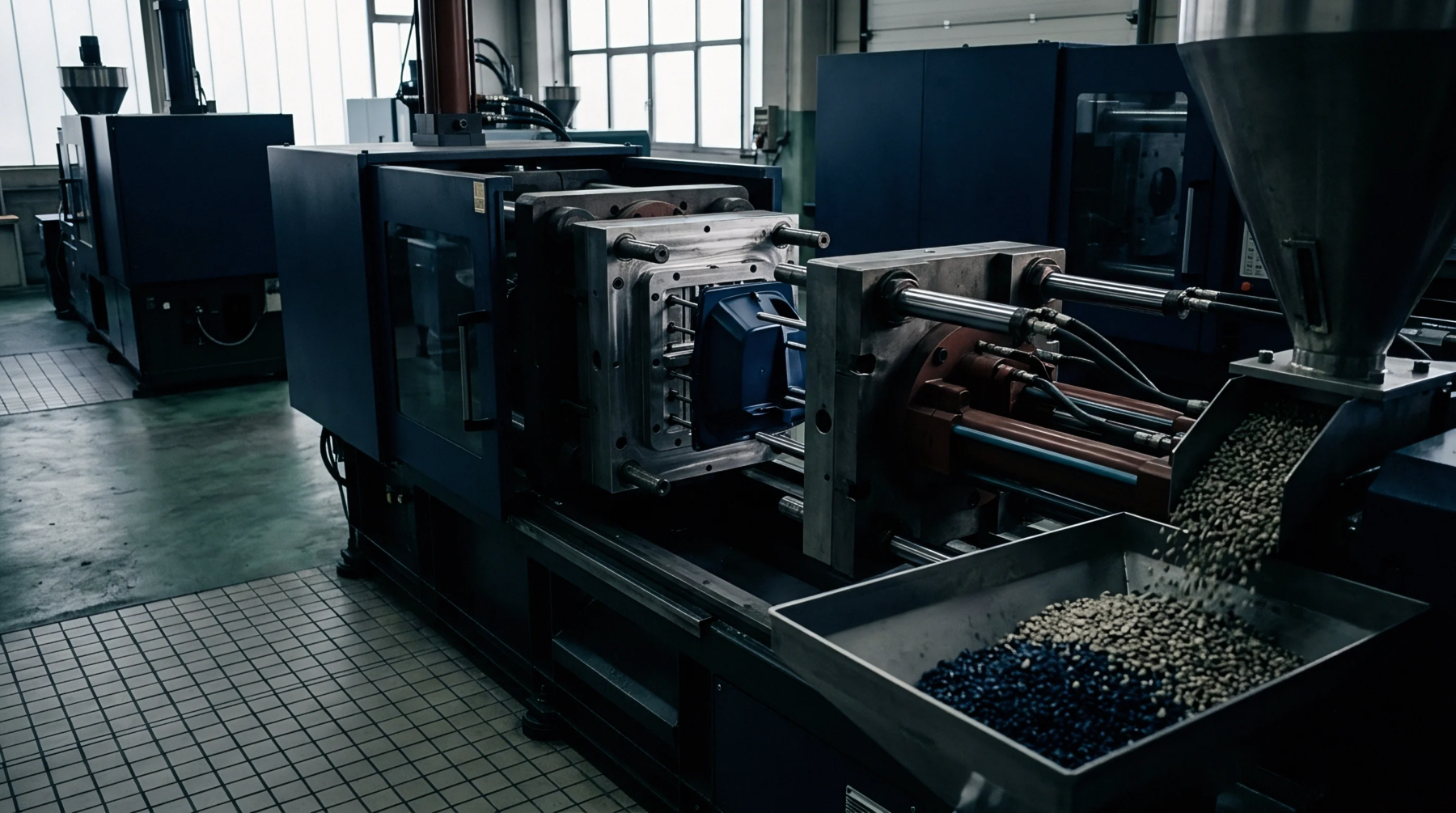
Dynamic cavity pressure integral analysis detects transient viscoelastic flow drift across high-cavity tooling, isolating hydraulic press valve instability.
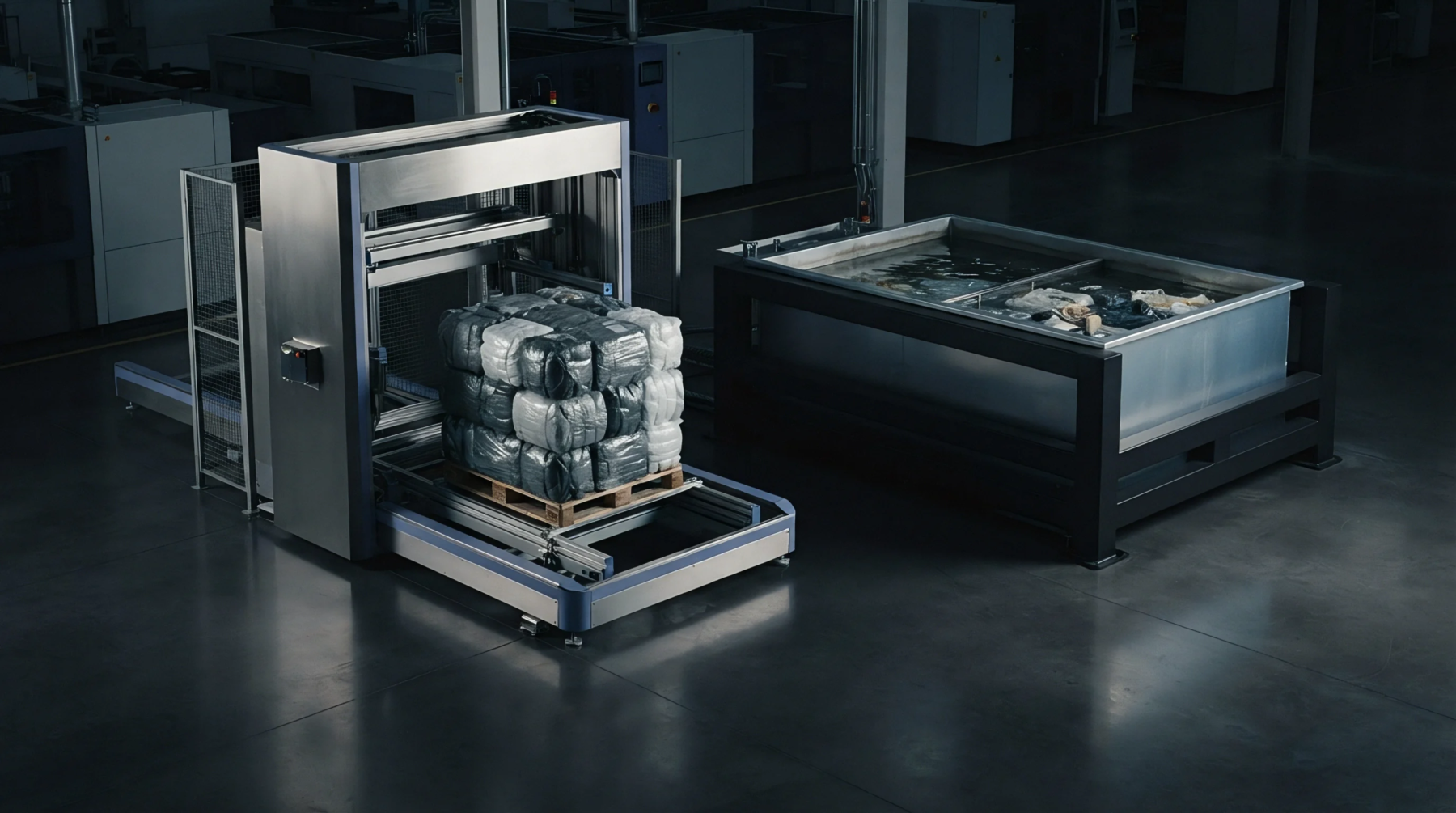
Dynamic cavity pressure integration enables real-time verification of part density and triggers millisecond-response scrap gates before mould opening.

Chromatographic impurity screening of polymer pigment concentrates isolates synthesis carryovers and degradation products to ensure compliance with food contact migration limits.

Masterbatch additions introduce unlisted degradation products and carrier oligomers that migrate above European regulatory limits if thermal stress is unmanaged.

High-resolution GC-QTOF and Orbitrap workflows quantify non-intentionally added substances down to toxicological thresholds to clear recycled plastics for food contact.

Real-time cavity pressure monitoring directly senses melt compression to decouple filling stages, stabilize part weight, and automate scrap sorting at the press.
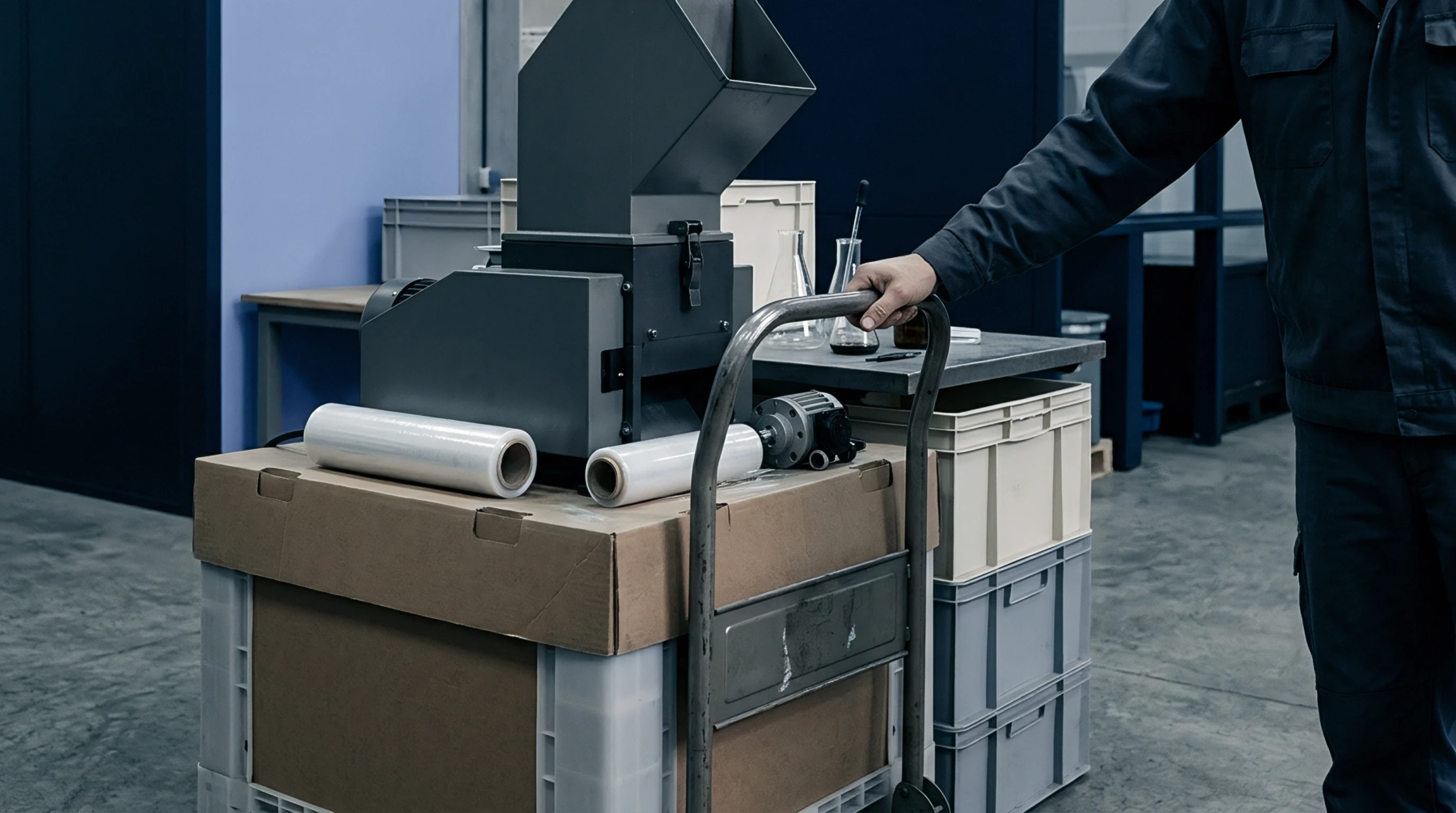
Volatile migrant screening demands matrix-matched headspace gas chromatography to catch monomers, degradation products, and unlisted NIAS before customs entry.
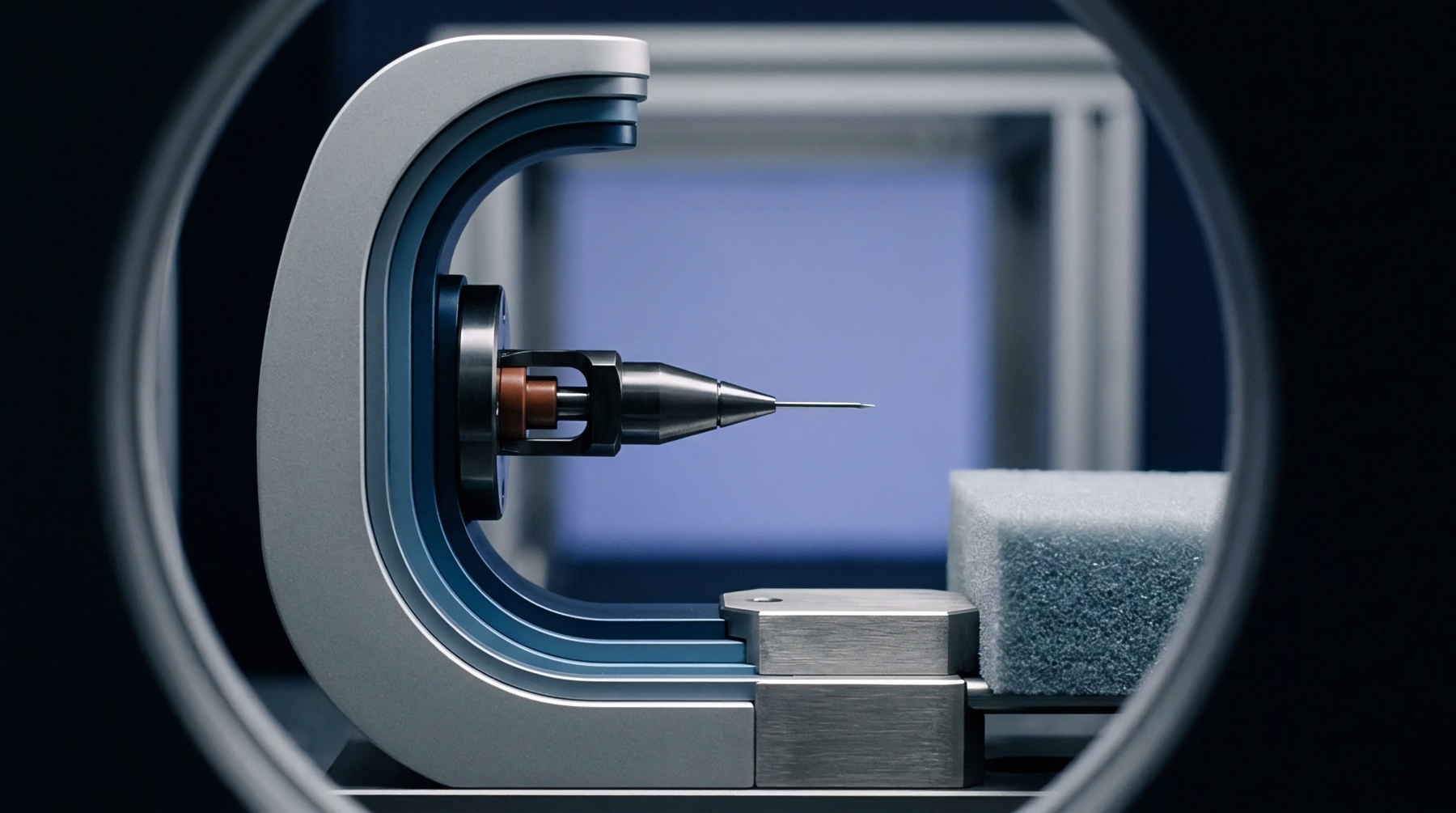
High-energy synchrotron diffraction maps subsurface residual tensile stress migration to prevent premature cavity fatigue failure in high-temperature production tooling.
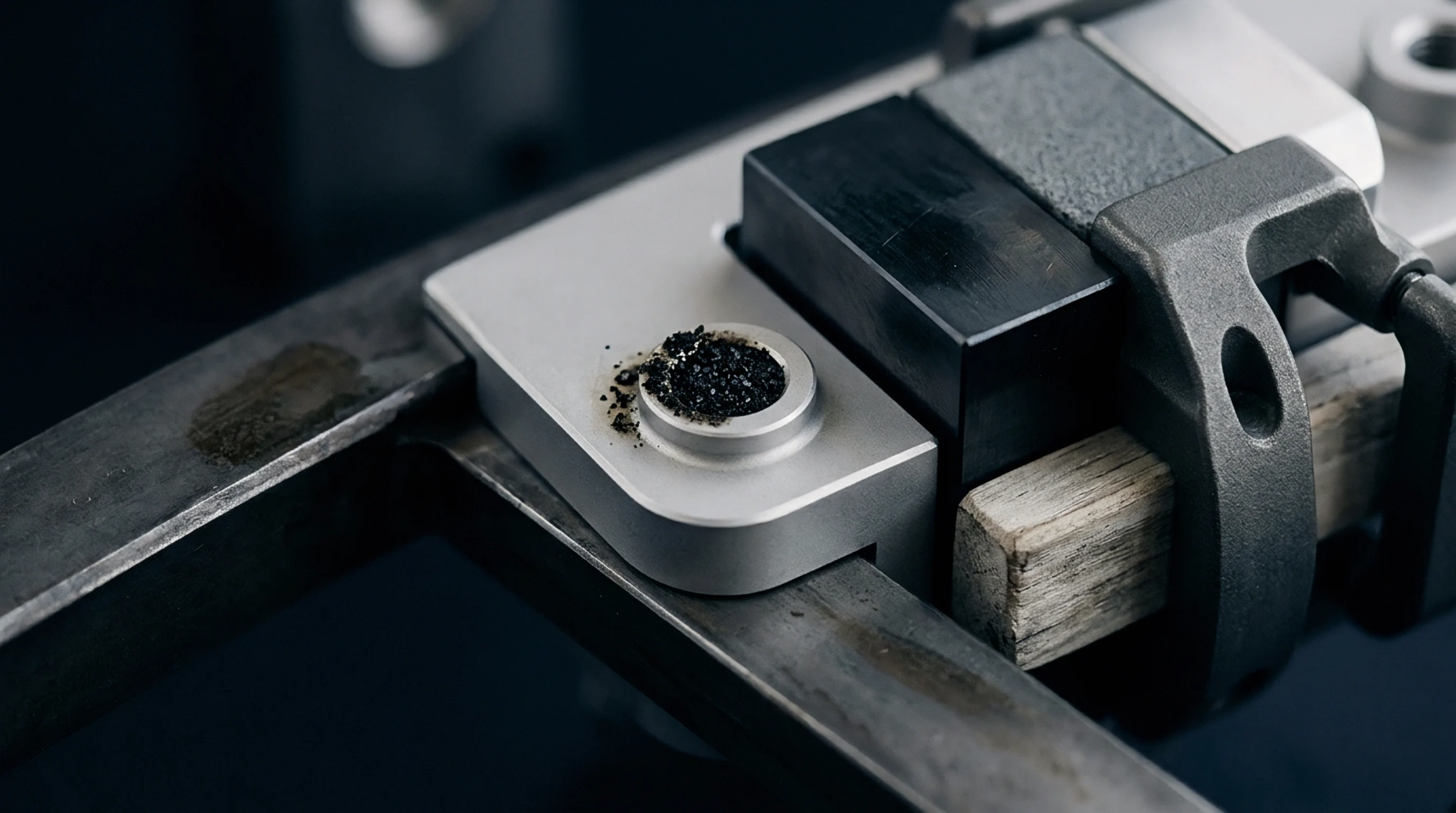
Non-target migrant screening requires spectral deconvolution and class-specific response factors to prevent false-negative toxicological safety evaluations.
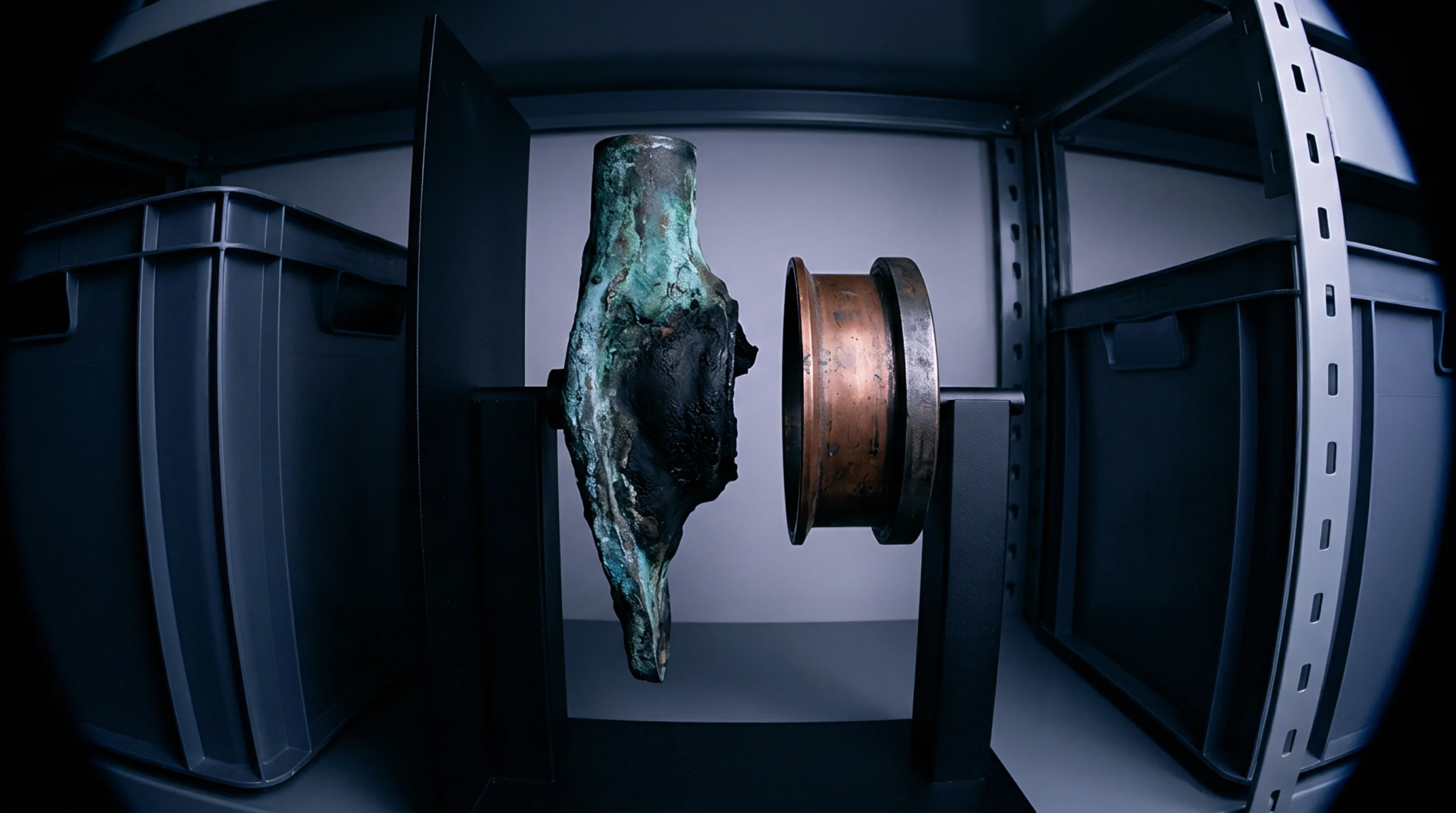
Post-weld heat treatment at 550°C for two hours per inch relieves 85% of peak residual stresses, preventing mandrel cracking and parting line flash.
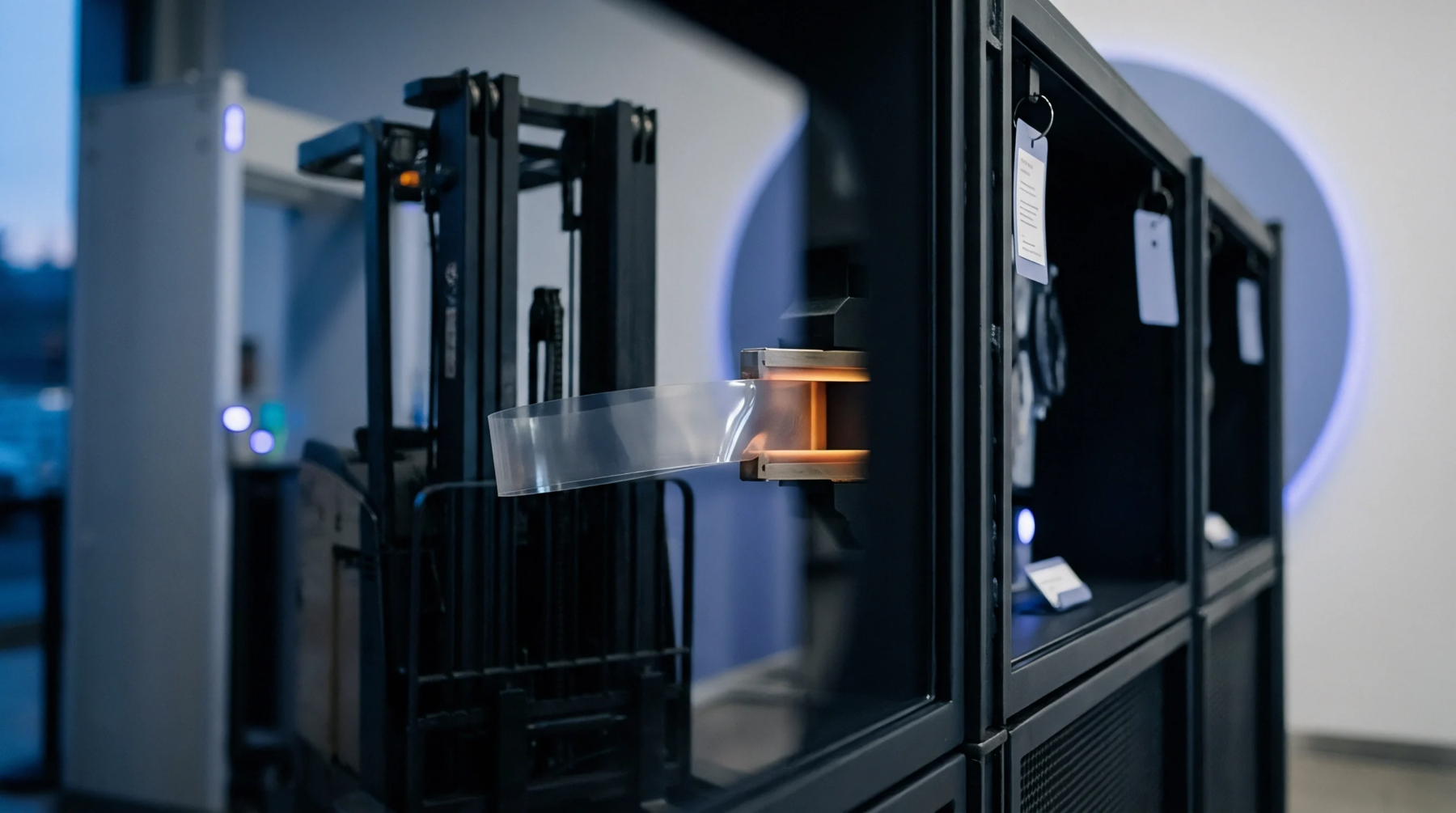
Polyolefin saturated hydrocarbons in HDPE film mimic mineral oils, requiring two-dimensional GC to separate native oligomers and confirm migration limits.

Chromatographic NIAS identification in polyolefins combines GC-MS, LC-HRMS, and TTC thresholds to verify that untargeted migrants remain below 0.010 mg/kg food.

Representative core sampling and thermal screening prevent off-spec polyethylene import seizures before containers leave the border terminal.
Machine learning ionization models extrapolate unreliably on polycyclic heteroatoms, underestimating toxic contaminants and invalidating compliance.

Mitigate core thermal fatigue by preheating substrates above 280°C, selecting maraging filler wires, and double tempering to eliminate tensile residual stress.

Single-point melt flow certificates mask concurrent chain scission and crosslinking, requiring high-temperature GPC, low-shear rheology, and solvent extraction.

Dynamic oscillatory melt rheology isolates polyolefin branching and molecular weight distributions that single-point melt flow index tests fail to capture.

Expanding polydispersity in reprocessed polyolefins depletes tie molecules between crystallites, accelerating environmental stress cracking under chemical stress.
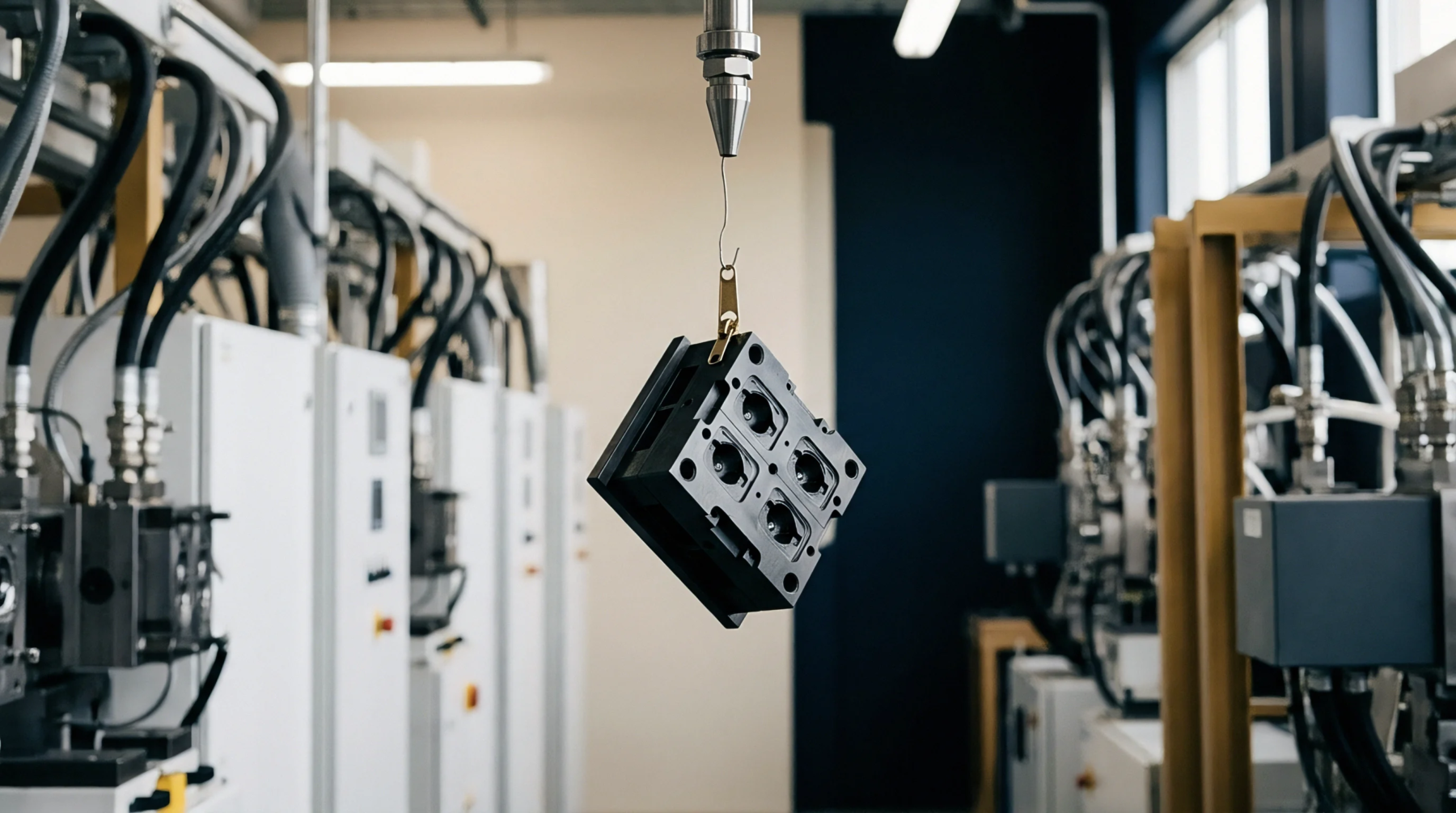
Resolve foreign moulder liens by perfecting local bailment registrations, permanently riveting asset tags to the steel, and utilizing third-party escrow.

Structure cross-border injection tooling contracts with separate bailment terms, local movable registry filings, and engraved tags to prevent possessory liens.
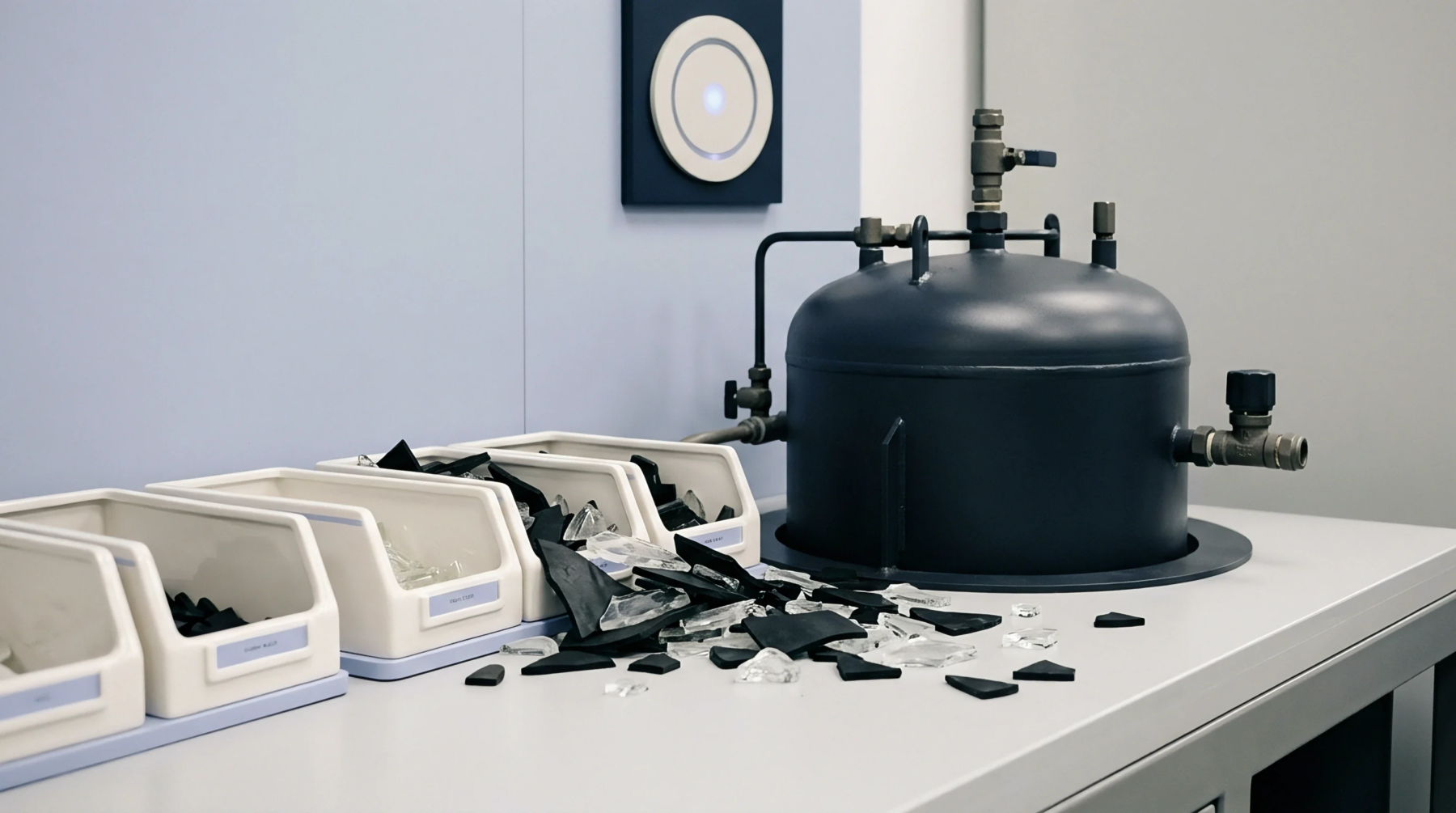
Differential thermal analysis detects recycled polymer adulteration by identifying secondary melting endotherms and quantifying oxidation induction time shifts.
Expertise is a utility, not a secret. sentiention™ publishes its working knowledge as open reference: intelligence layer covering the materials it sources, the markets it enters, and the reference that serves both.