
Solid State Polymerization Kinetics and Equilibrium in PET
Solid state polymerization elevates PET intrinsic viscosity above melt limits by driving byproduct removal below the polymer melting point under inert flow.

Solid state polymerization elevates PET intrinsic viscosity above melt limits by driving byproduct removal below the polymer melting point under inert flow.
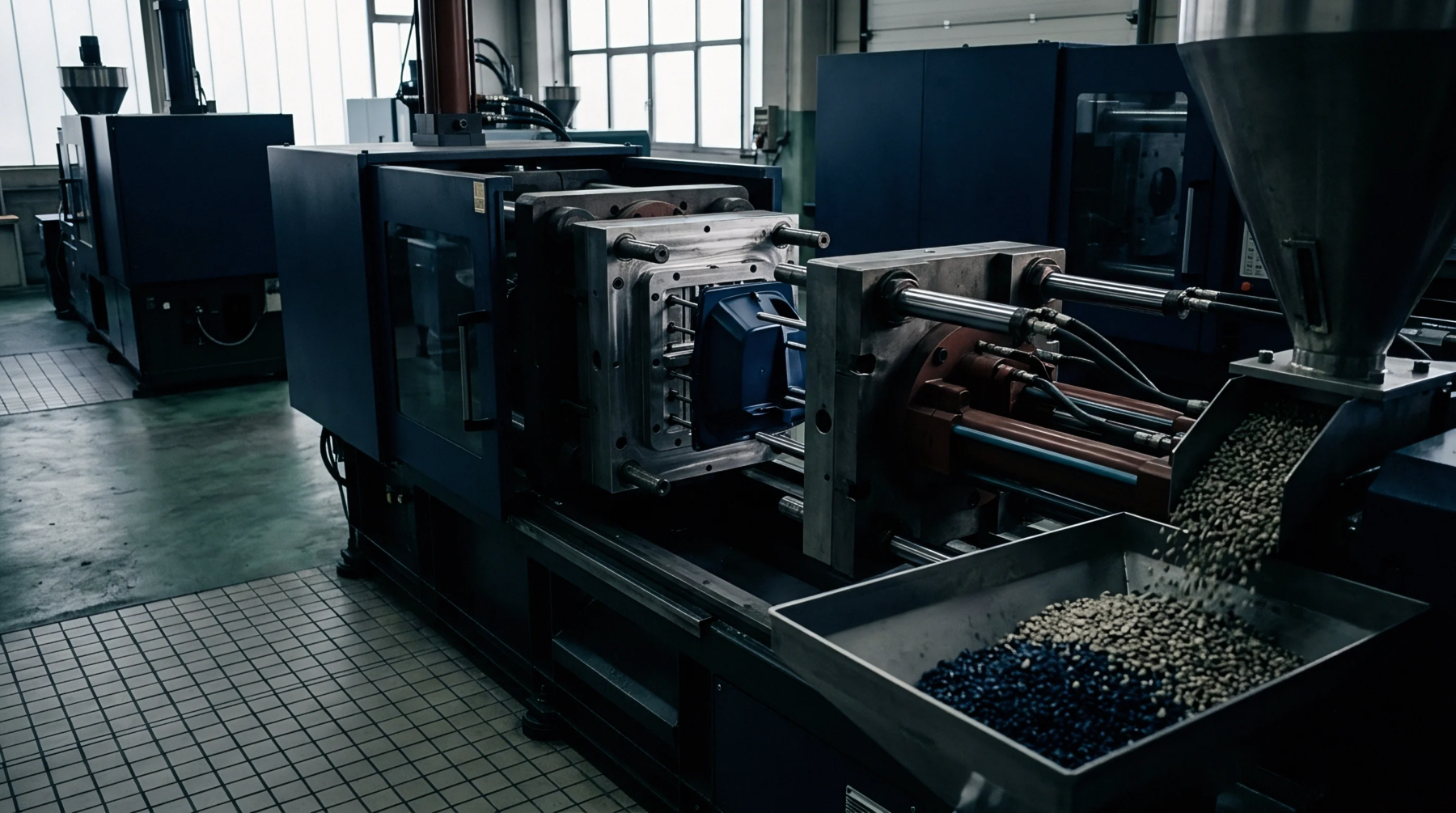
Dynamic clamping calibration uses closed-loop load feedback to prevent viscoelastic creep and contact deflection during non-rigid thermoplastic inspection.

Nonisothermal diffusion models match hopper thermal lag to flake thickness distributions, securing food-grade decontamination at high mass throughput.

Polymer pellet moisture absorption drives catastrophic melt-phase chain scission; rigorous sourcing specifications mandate precise coulometric water caps.

Structural identification of recycled packaging NIAS requires high-resolution mass spectrometry, accurate mass matching, and TTC risk characterization.
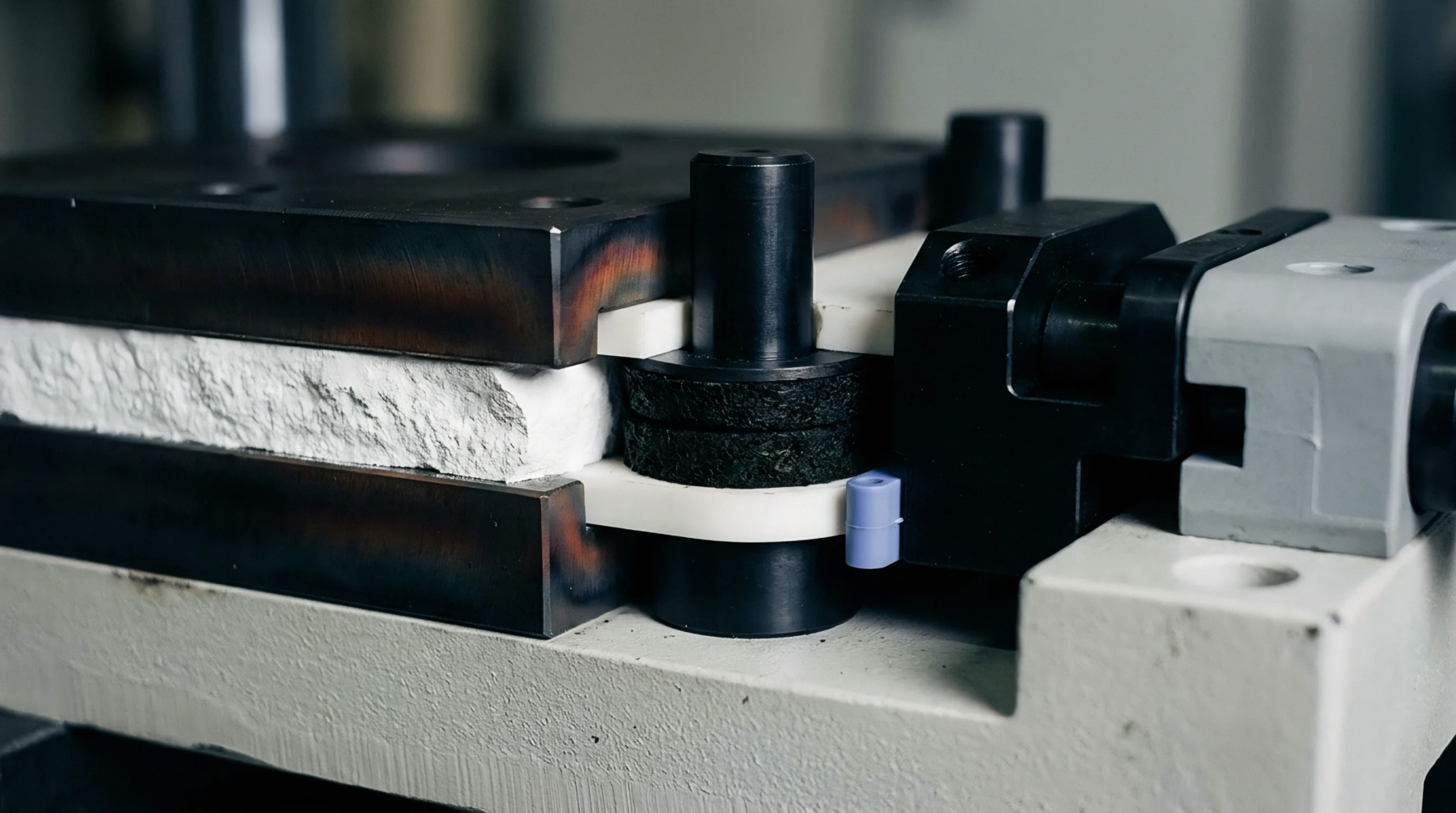
Restraint fixture calibration certifies datum pad coordinates, pin locations, and clamp forces to isolate true part warpage from tooling fixture deflection.

PET cyclic oligomer compliance requires finished article LC-MS testing in Simulant D1 and a verified toxicological defense below 0.05 mg/kg food migration.

Mathematical extrapolation of high-temperature partitioning parameters breaks down above polymer phase transition thresholds, requiring direct porous simulant empirical validation.

Anisotropic fiber alignment dictates local part compliance, requiring cavity-matched machining nests with controlled clamp forces to prevent post-release distortion.
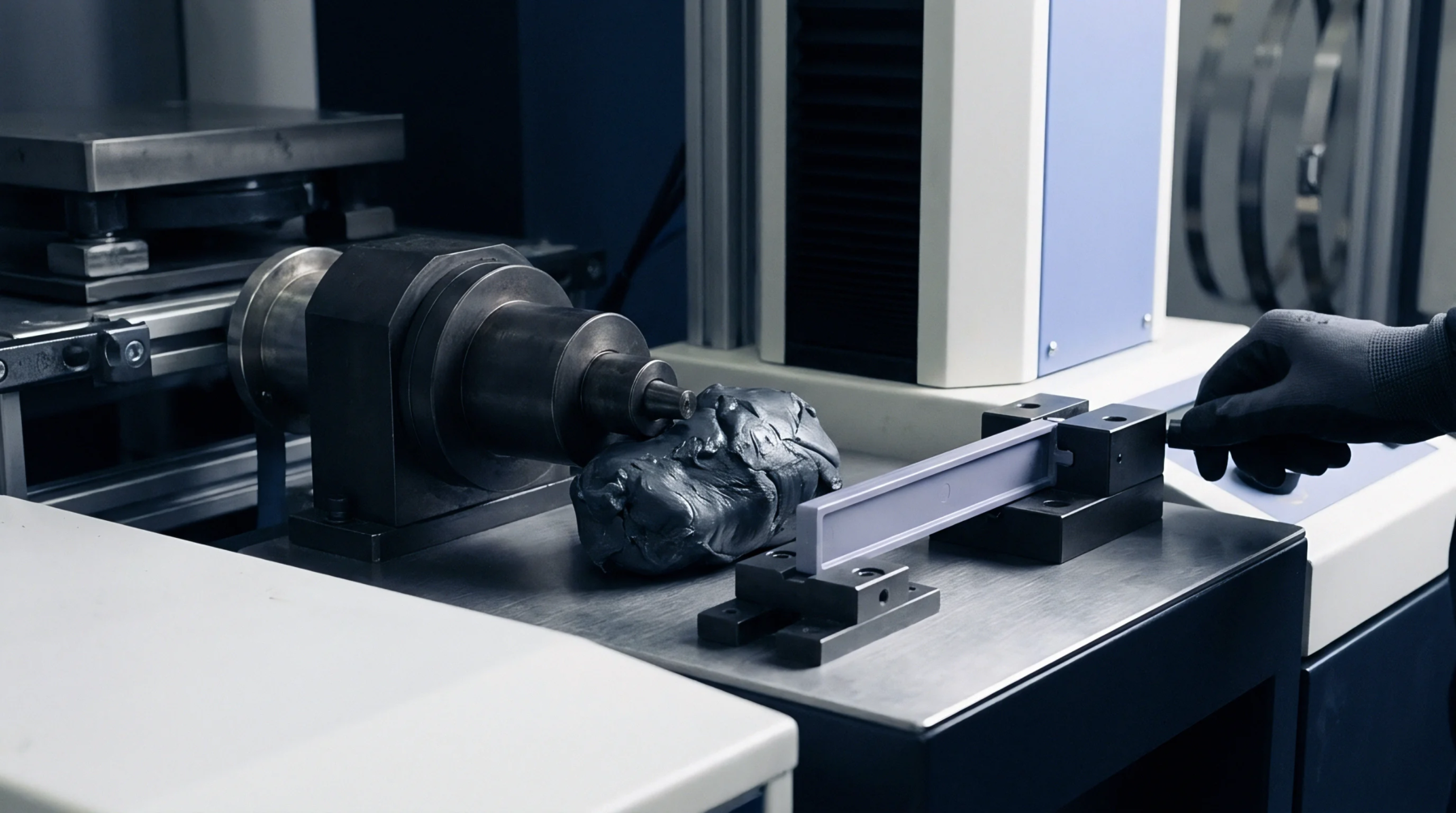
Mathematical diffusion modeling provides legally accepted migration screening for polyolefins when conservative Piringer parameters exceed real-world release.
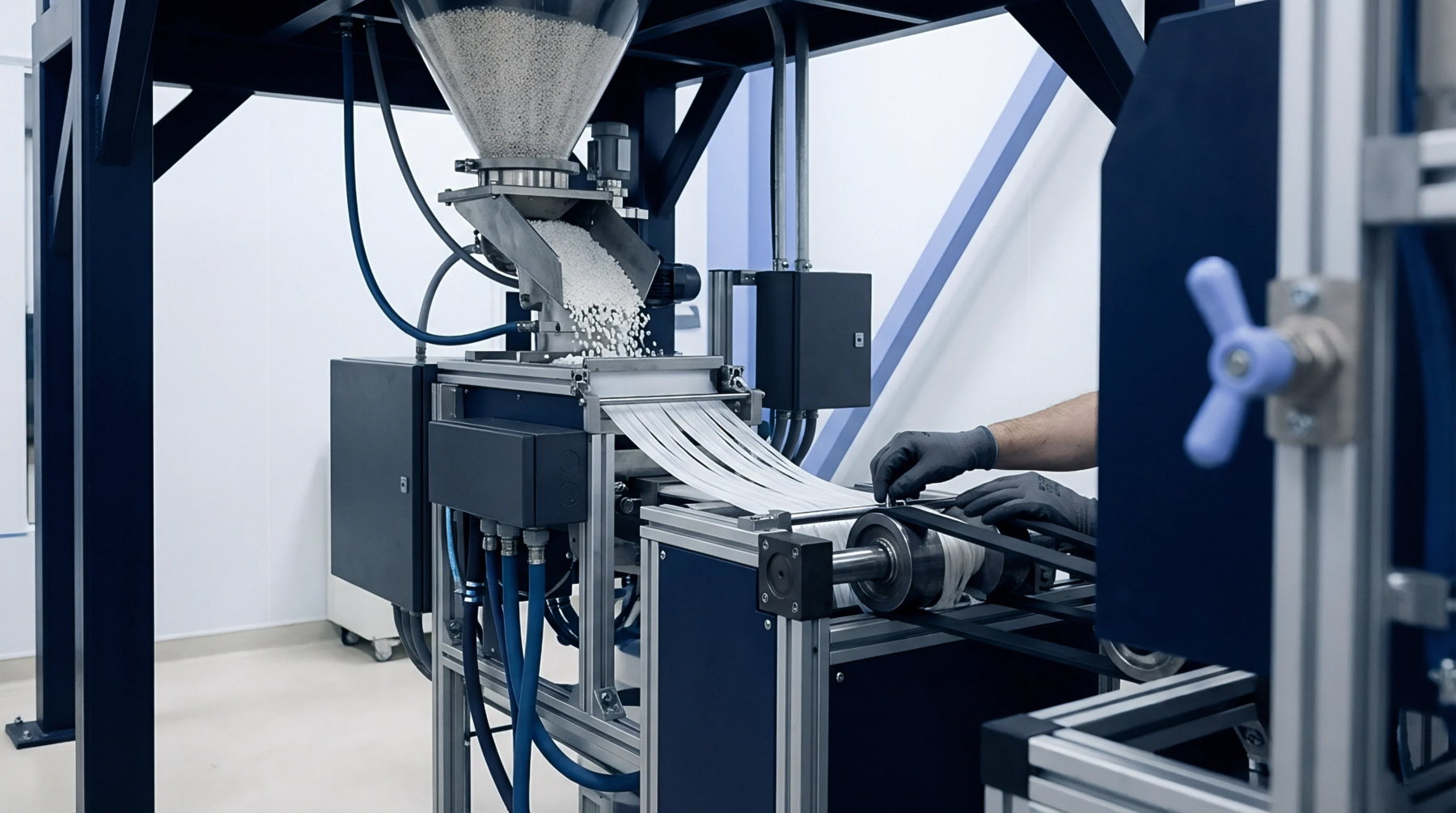
Residence time variance in non-ideal mass flow hoppers leaves high moisture pellet fractions that cause severe hydrolytic IV drop during melt processing.

Secondary tooling nests require anisotropic clearance offsets that account for post-mould crystallization and moisture-induced expansion across polyamide grades.

Dynamic mass balance optimization matches additive letdown to real-time spectral contamination levels, reducing masterbatch costs and stabilizing melt quality.

Calibrating high-temperature food contact requires pressure-cell extraction in vegetable oil or Tenax to prevent phase-change model invalidation.

Coupling simulated fiber orientation tensors into tooling nest datum layouts prevents pin binding and unearned part rejections caused by orthotropic shrinkage.

Feed throat near-infrared calibration resolves recycled polyethylene density and polypropylene contamination before pellets reach the extruder melting zone.
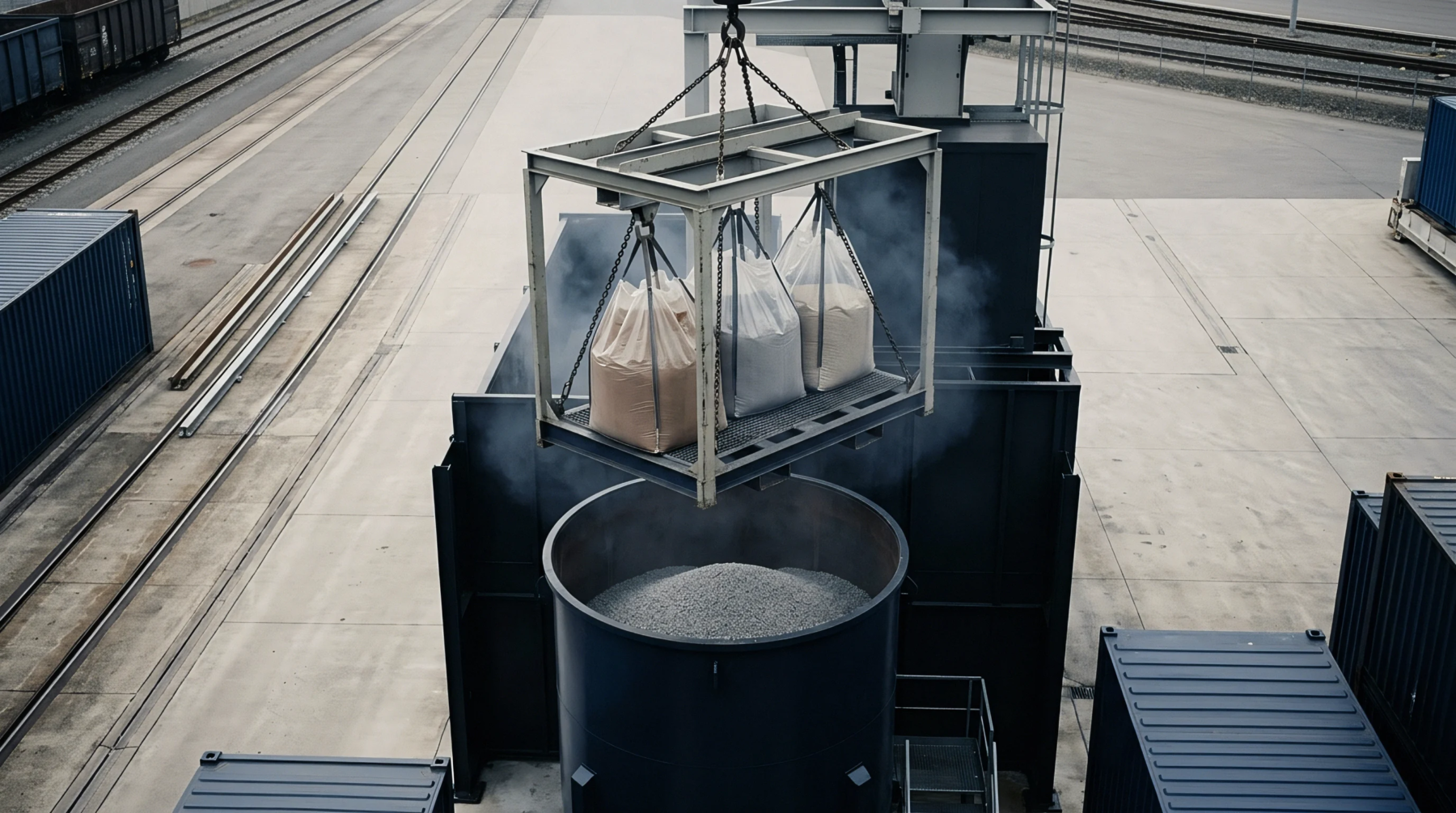
Quantifying cyclic PET oligomers in food simulants demands LC-MS/MS or HRMS to measure specific migration against toxicological threshold limits.

Free state coordinate metrology requires gravity-compensated optical scanning after forty-eight hours of conditioned rest to isolate true viscoelastic warpage.
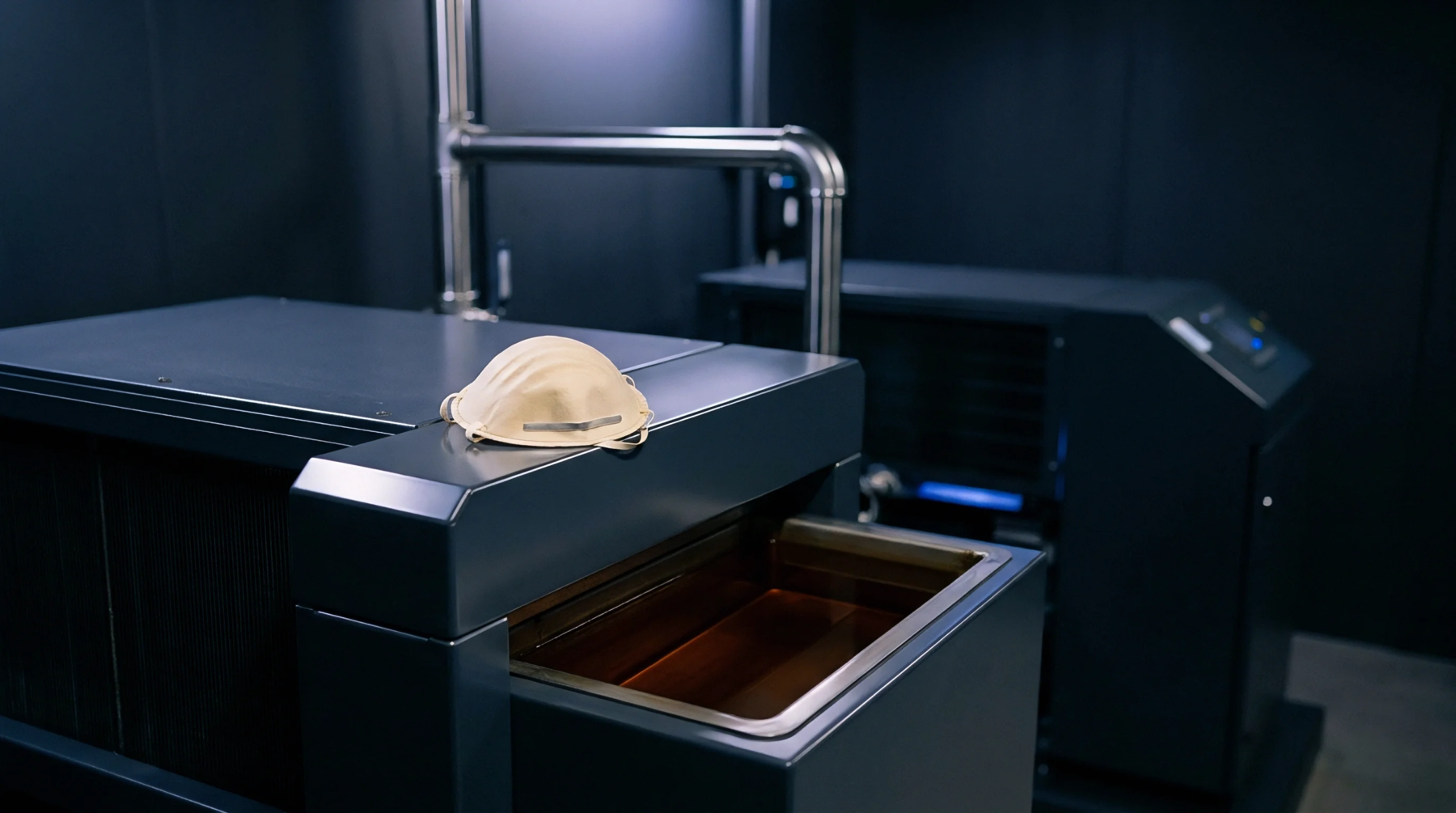
Charged aerosol detection method validation requires power-law calibration models and volatile mobile phases to ensure accurate migrant quantification.

Dynamic freight heat spikes reaching 60 °C accelerate high weight oligomer diffusion, requiring LC-QTOF-MS testing beyond standard OM2 compliance conditions.

Finite element stiffness inversion back-calculates local anisotropic moduli from physical test deflections, eliminating costly tool re-cuts and wall thickening.

In-line slit rheometry paired with spectroscopic letdown control dynamically counters recyclate viscosity shifts and prevents costly masterbatch over-dosing.

Vacuum decontamination strips challenge surrogates, but thermal reformation during conversion releases volatile NIAS that accumulate dangerously in sealed packaging.

Virtual fixture algorithms eliminate physical checking gauges by mapping free-state optical scans to nominal CAD models via structural compliance calculations.

Recycled polyolefin food contact compliance demands verified decontamination challenge testing, targeted specific migration analysis, and lot-specific declarations.

Equatorial container shipping elevates internal hold temperatures to 65°C, accelerating plasticizer diffusion coefficients up to 74-fold and demanding high-temperature migration testing to prevent border rejections.

Standardizing oxidative induction in postconsumer polyolefins demands composite plaque preparation and aluminum pans to eliminate specimen variance.

High pressure DSC suppresses additive evaporation at elevated oxygen pressures, measuring true antioxidant consumption in volatile polyethylene compounds.

Analytical verification demands testing finished containers against true fill ratios with validated simulants to prove overall and specific limits under law.
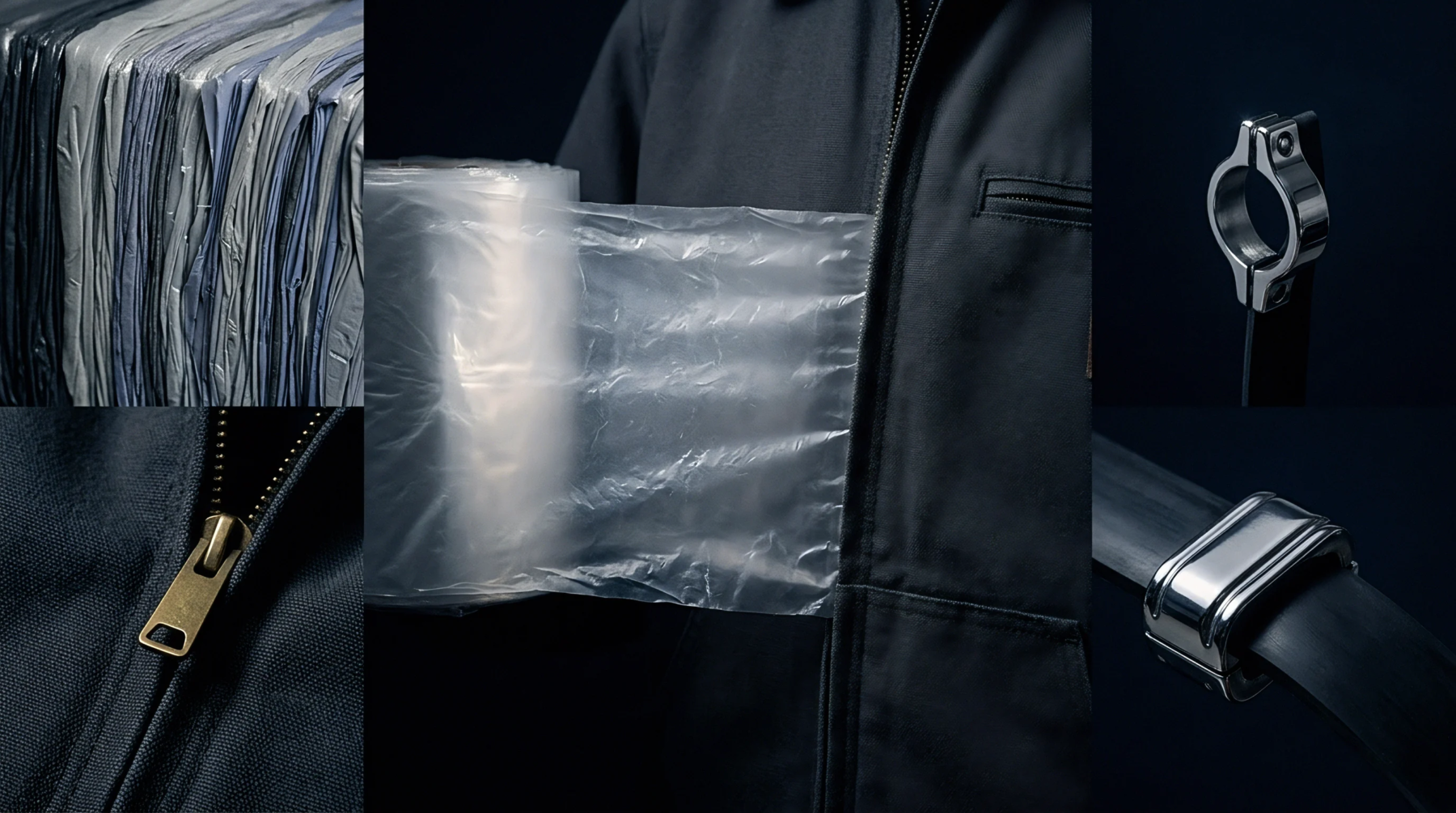
Polyolefin liner compliance requires establishing specific migration limits, screening for non-intentionally added substances, and maintaining full dossier traceability.
Expertise is a utility, not a secret. sentiention™ publishes its working knowledge as open reference: intelligence layer covering the materials it sources, the markets it enters, and the reference that serves both.