Meaning
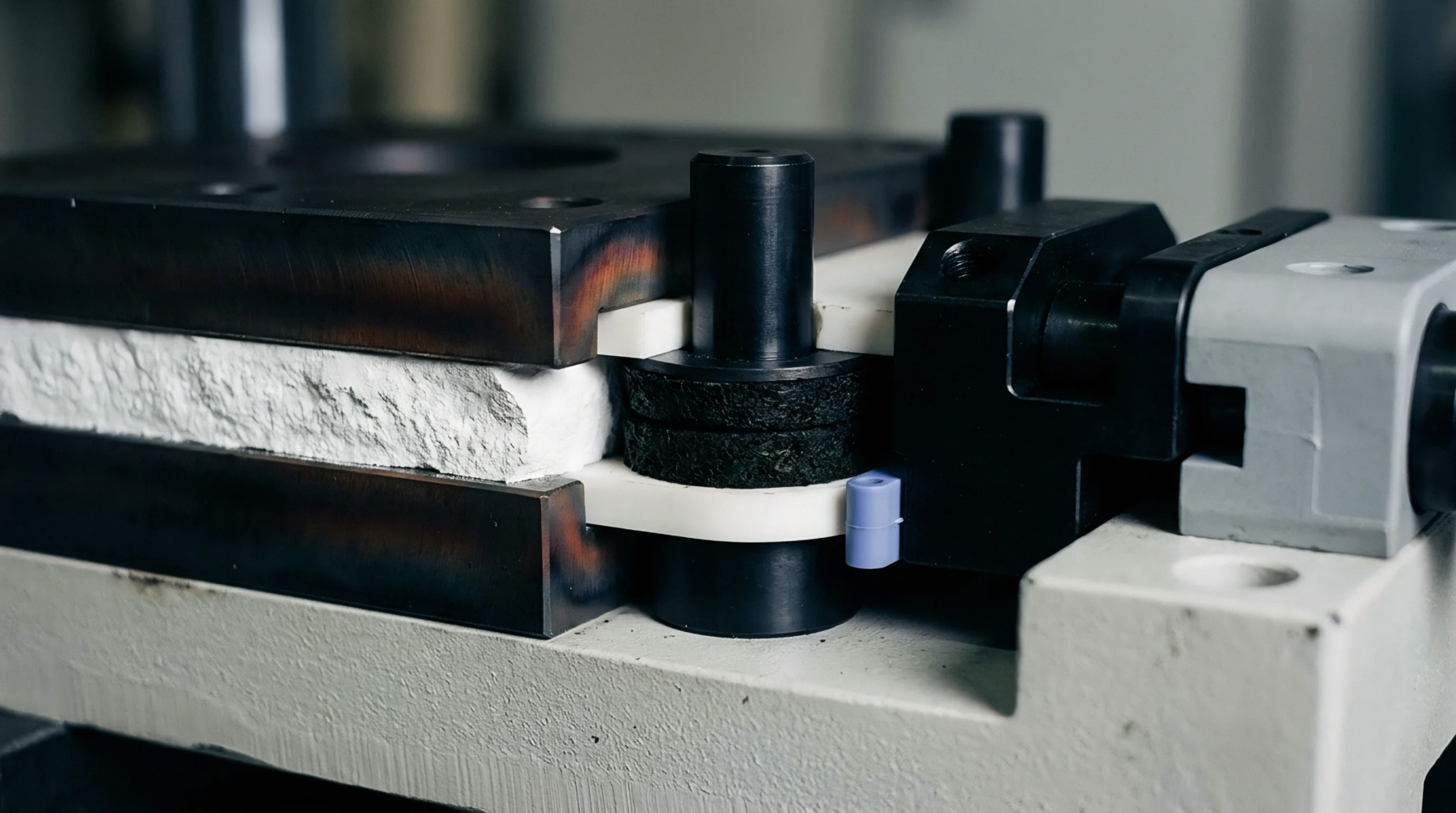
Parting line retention systems located on the rear platen of injection moulding machines lock mold halves together against internal plastic injection pressure. Toggle clamp force represents total compressive tonnage exerted across tool parting lines when mechanical linkages extend into their fully locked geometry. Moulding setup technicians calibrate this force to match cavity surface area and expected peak injection pressure inside the tool cavity.
Application scope covers mechanical toggle-linkage clamping systems, excluding pure direct-hydraulic or magnetic mold clamping mechanisms.
Linkage Motion
Mechanical arms leverage geometric advantage to build extreme holding force as the mechanism reaches full straight-line extension. Achieving target toggle clamp force requires precise platen position adjustment via die-height gear systems to ensure linkages fully lock without over-straining steel components. Clamping force rises exponentially during the final millimeters of stroke, multiplying hydraulic cylinder effort into hundreds of tons of holding force.
Under-adjusting die height prevents linkages from locking straight, allowing mold opening forces to push parting lines apart during injection. Over-adjusting die height overloads toggle pins and bushings, causing premature mechanical failure and tie bar breakage.
Platen Deflection
High tonnage applied across mold base plates causes elastic deformation that alters cavity sealing uniformity. Excessive toggle clamp force concentrates compressive loads around mold edges, bowing platen centers away from the tool base. Bending strain creates flash in central tool cavities while crushing parting line surfaces near outer edges.
Molders balance clamp tonnage to maintain effective parting line seal without causing platen bowing across large mold bases.
Tie Bar Stress
Strain gauges attached to machine tie bars measure individual corner loading to verify equal force distribution. Unequal toggle clamp force across four tie bars indicates platen misalignment or uneven mold base thickness. Asymmetric loading accelerates tie bar bushing wear and damages delicate mold core pins.
Electronic monitoring systems automatically halt machine operation when tie bar strain differentials exceed five percent.