
Evaluating Thermal and Oxidative Polyolefin Flake Degradation
Thermal and oxidative degradation alters polyolefin flake viscosity and residual stability, demanding MFR, OIT, and Carbonyl Index verification before processing.
Thermal and oxidative degradation alters polyolefin flake viscosity and residual stability, demanding MFR, OIT, and Carbonyl Index verification before processing.

Incoming resin qualification mandates physical sampling, melt rheology auditing, and CoA validation to prevent off-spec polymer from entering production.

Customs polyolefin entry relies on spectroscopic quantification of monomer mass fractions after deducting non-polymeric additive mass from the total matrix.

Verify polymer monomer ratios via NMR before entry to prevent retroactive antidumping cash deposit assessments and customs continuous bond collateral inflation.

Deactivate metal catalysts and neutralize acid traces with targeted additives to stabilize viscosity drift and optimize landed cost per good recycled part.

Verify masterbatch ash content via ISO 3451 calcination at 600°C to protect duty lines, catch mineral substitution, and prevent process failures.

Masterbatch tariff classification depends on active payload function, carrier resin mass fractions, and legal chapter notes override rules.
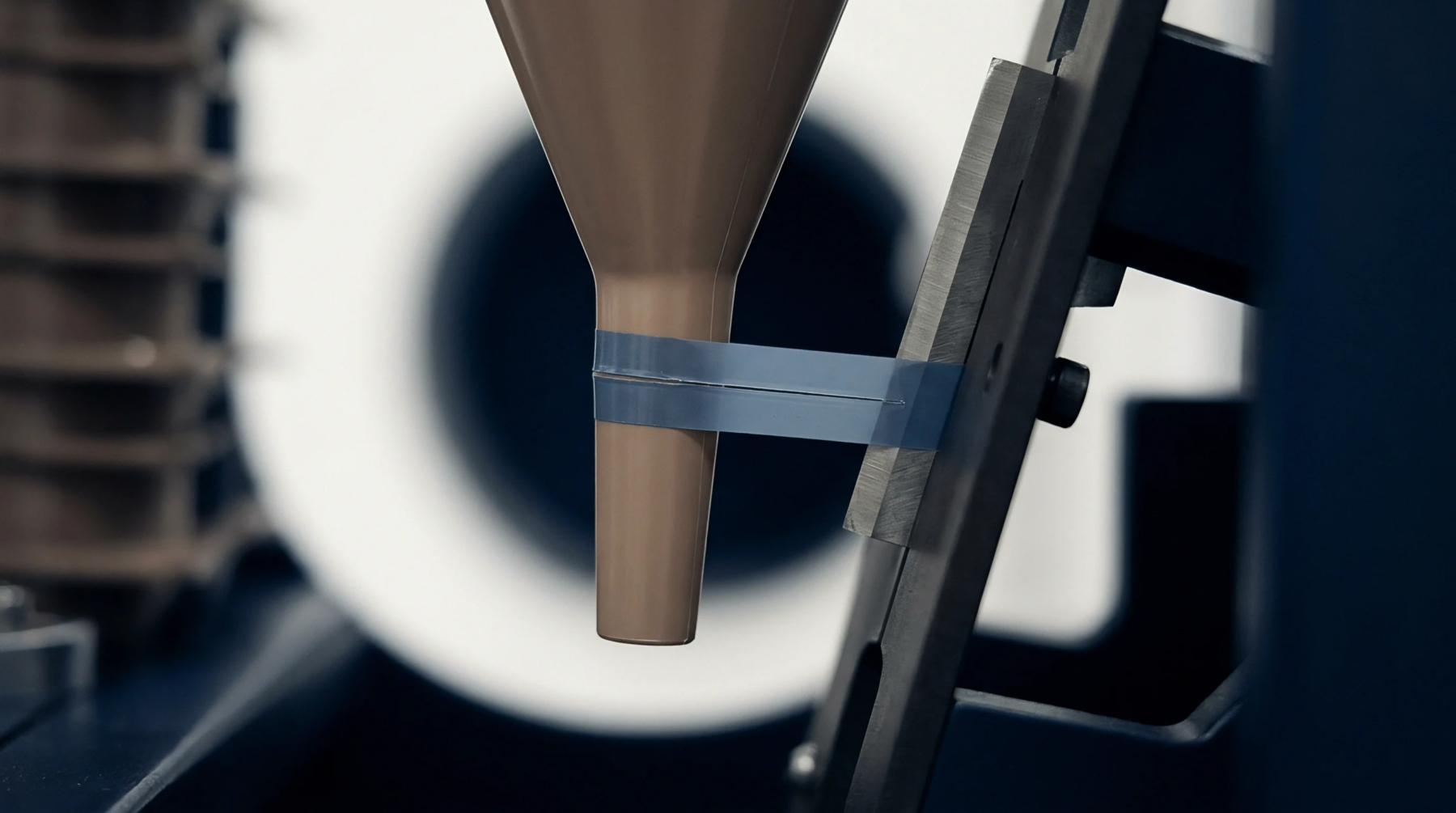
Melt flow index and density metrics must be verified together under exact standard loads to control polyolefin processability and field crack resistance.
Polyolefin customs classification relies on monomer weight ratios via 13C-NMR and density thresholds under ISO 1183-1 to fix accurate import duty lines.
Expertise is a utility, not a secret. sentiention™ publishes its working knowledge as open reference: intelligence layer covering the materials it sources, the markets it enters, and the reference that serves both.