Meaning
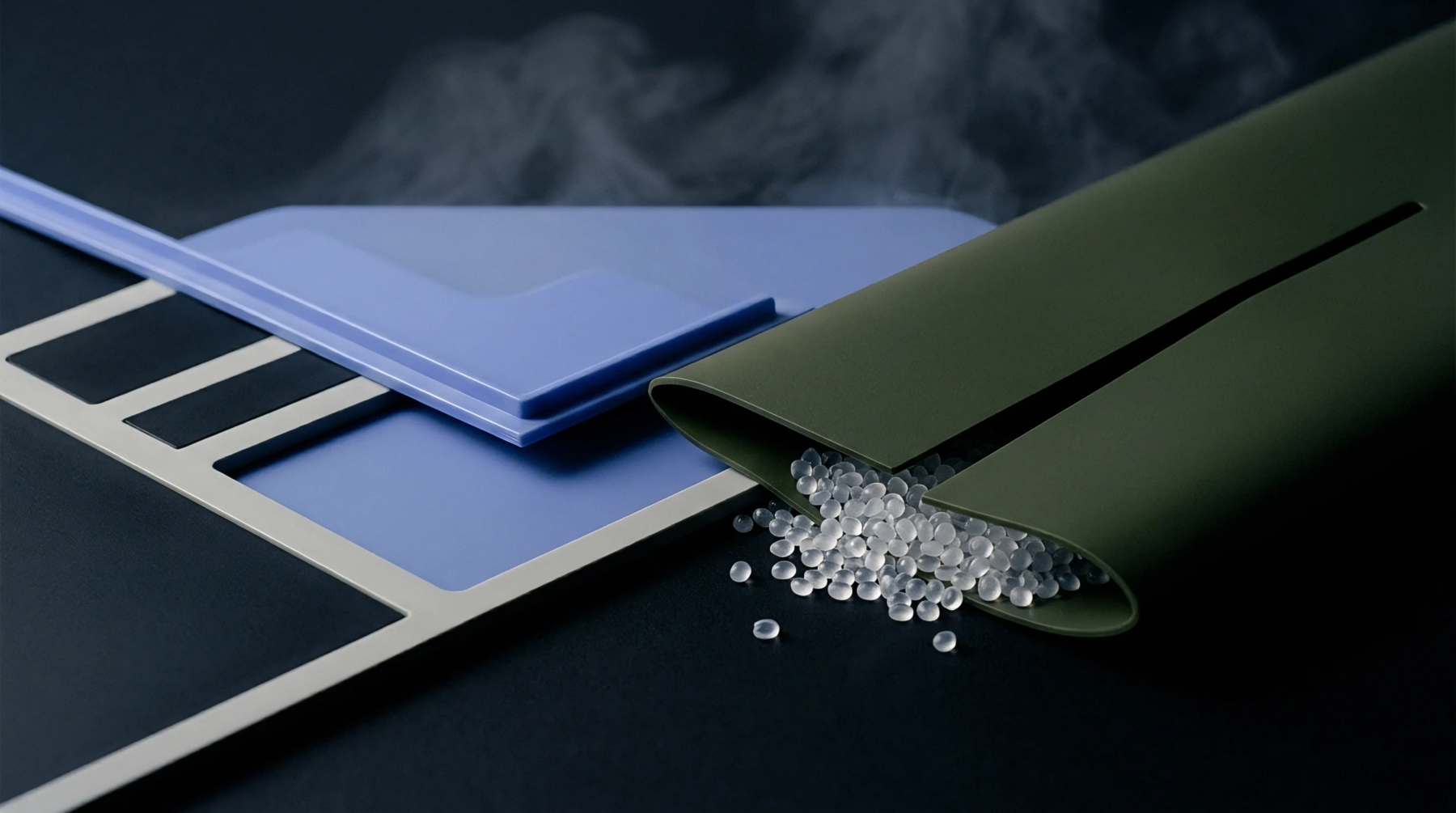
High-performance polyolefin plastomers and elastomers synthesized via metallocene single-site catalysis combine an ethylene backbone with 1-octene alpha-olefin comonomer branches. An ethylene-octene copolymer exhibits exceptional elasticity, low density, superior optical clarity and high impact toughness, particularly at low temperatures. The material bridges the performance gap between traditional linear low-density polyethylene and conventional crosslinked rubbers in thermoplastic compounding.
Its functional elastomeric properties diminish when processing temperatures exceed thermal degradation thresholds or when prolonged exposure to elevated operating temperatures induces excessive polymer softening.
Molecular Architecture
Single-site metallocene catalysts enable precise control over the incorporation and uniform distribution of octene comonomer units along the polyethylene chain. The inclusion of long eight-carbon branches disrupts the crystalline lattice, lowering the overall crystallinity of an ethylene-octene copolymer to between ten and twenty-five percent. This molecular structure yields a material with densities ranging from 0.860 to 0.910 grams per cubic centimeter and a narrow molecular weight distribution.
Low glass transition temperatures, typically below minus fifty degrees Celsius, give the resin remarkable low-temperature ductility, making it an ideal impact modifier for brittle polymers.
Moulding Integration
Compounding plants and injection moulders utilize these elastomeric resins both as neat moulding grades and as toughening additives in polymer blends. When dispersed into a polypropylene matrix, an ethylene-octene copolymer forms discrete sub-micron elastomeric domains that arrest crack propagation and dramatically enhance Izod impact strength in automotive bumper fascias and exterior trim. The narrow molecular weight distribution delivers clean processing behavior in injection moulds, though it exhibits lower shear thinning compared to standard Ziegler-Natta polyethylenes.
Processors must optimize barrel temperature profiles between one hundred and eighty and two hundred and twenty degrees Celsius to avoid melt fracture and maintain uniform melt flow during high-speed cavity filling.
Economic Tradeoffs
Procuring metallocene-catalyzed plastomers involves substantial material cost premiums over standard commodity polyolefins like linear low-density polyethylene or homo-polypropylene. Resin buyers justify this premium through scrap reduction, elimination of secondary impact modifiers and the ability to down-gauge wall thicknesses in moulded parts without sacrificing structural drop impact requirements. Regrind utilization containing these copolymers requires careful process monitoring, as repeated thermal cycles can cause chain scission and alter the phase morphology of elastomer-modified blends.
Proper specification of comonomer content and melt index remains essential to ensure compatible rheological matching during compounding.