Meaning
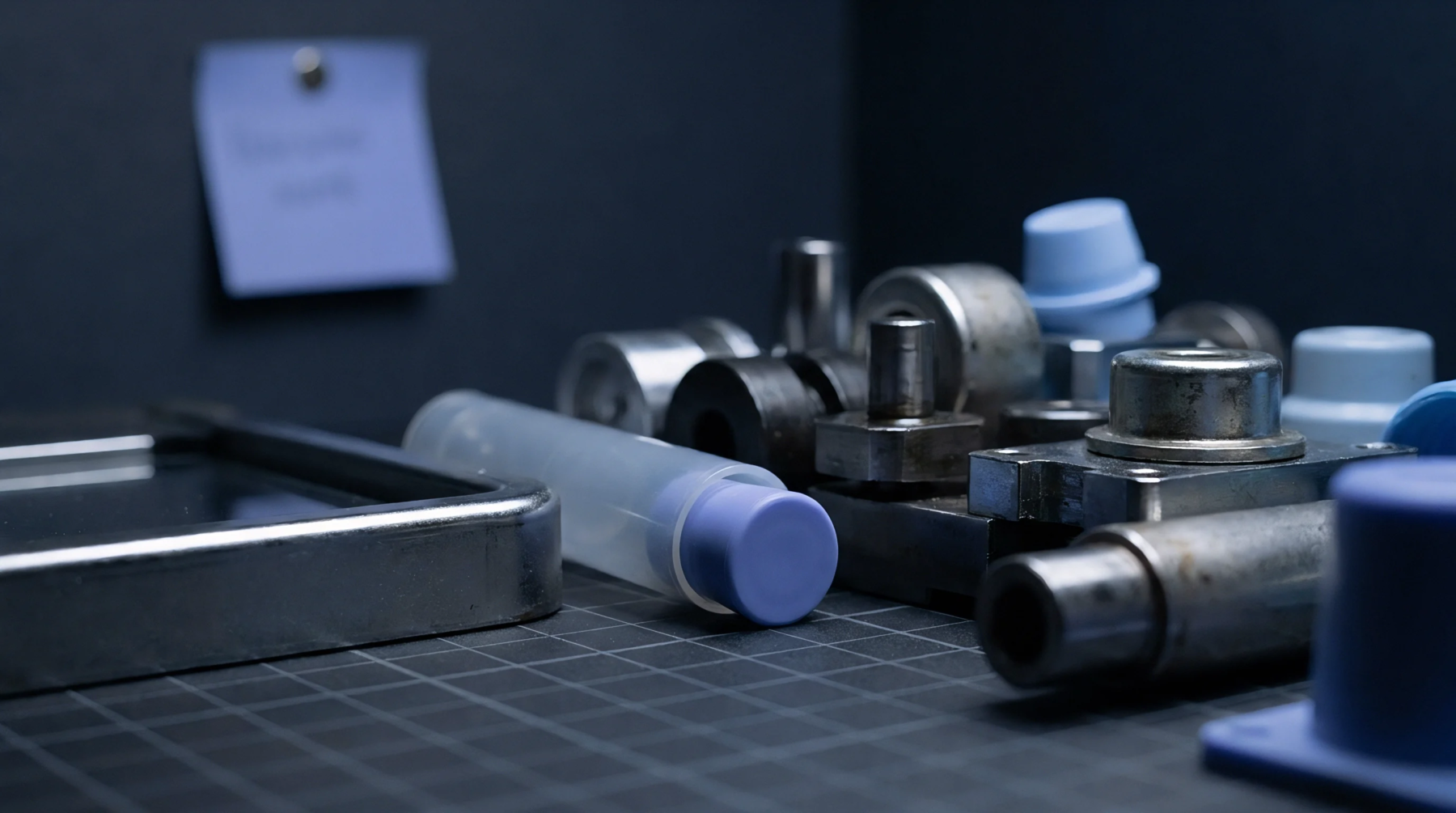
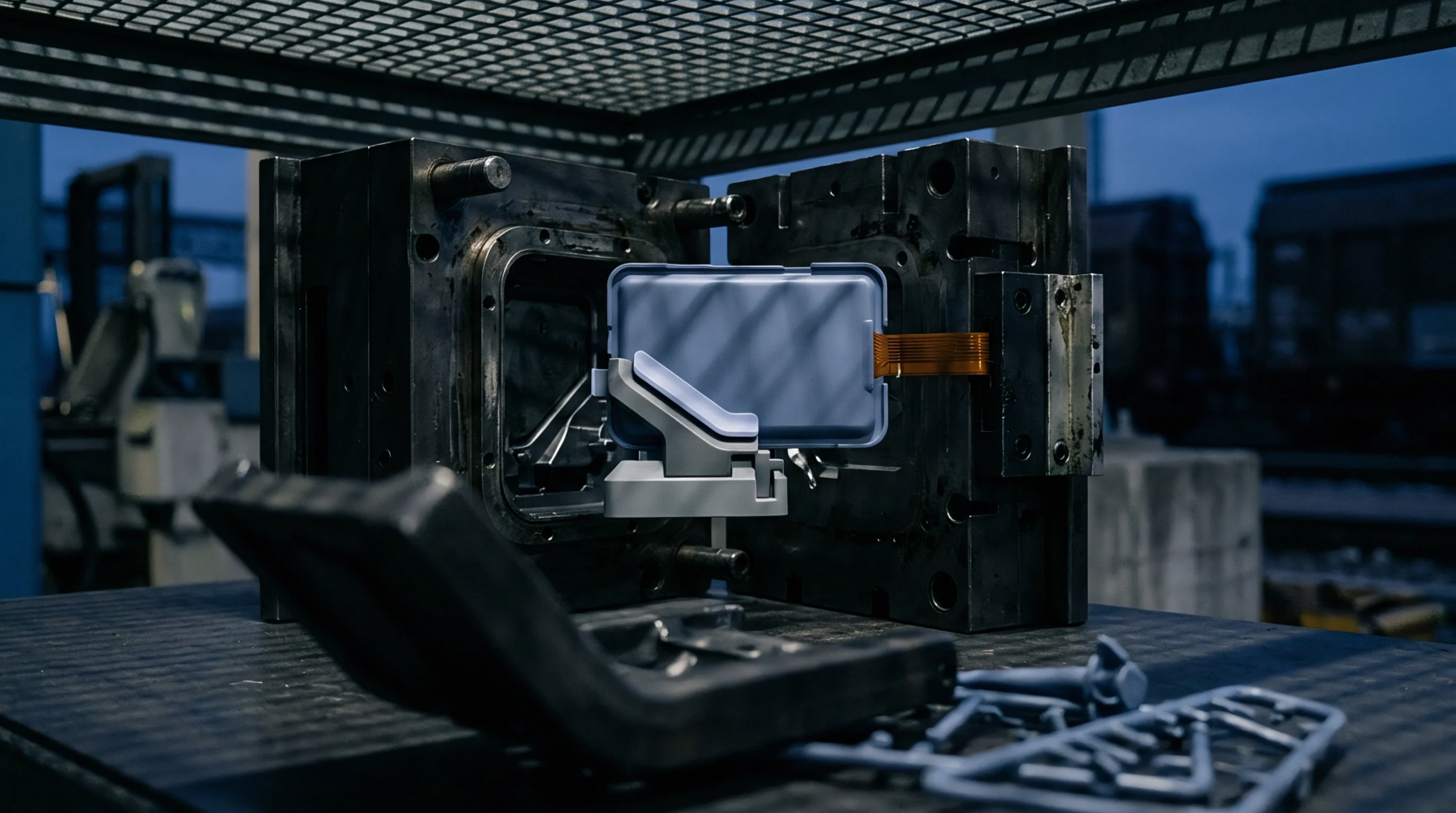
A beryllium free copper alloy provides high thermal conductivity and mechanical strength for components requiring efficient heat transfer within injection moulding tools. Copper components composed of ampcoloy 940 deliver the performance characteristics of beryllium copper alternatives without the associated toxicological hazards during machining or maintenance. Tooling designers specify this material for cooling pins, inserts, and nozzles to prevent hot spots that lead to warped parts.
Dimensional stability remains high at elevated temperatures because the copper matrix maintains hardness under prolonged cycling. The material resists softening at temperatures reaching four hundred degrees Celsius, which ensures that core pins remain straight despite high pressure injection loads.
Thermal Efficiency
Effective cooling cycles depend upon the rapid extraction of heat from molten resin into the surrounding metal mould. Ampcoloy 940 facilitates faster cycle times by moving energy away from the plastic interface into the coolant circuit. Engineers select this alloy when the geometry of a part restricts the size of water channels, as the high conductivity compensates for limited surface area.
Faster heat removal prevents crystalline resin degradation by keeping the melt profile within the specified processing window. Reduced temperature gradients across the mould cavity decrease internal stress and shrinkage variation.
Moulding Integrity
Mechanical durability defines the operational life of an insert during high volume production runs. Ampcoloy 940 withstands the compressive forces exerted by high pressure injection without deformation. Virgin alloys yield consistent physical properties, whereas regrind materials often introduce contaminants that degrade the conductivity or mechanical density of the final tool.
Datasheet values represent a laboratory maximum that moulders rarely achieve across an entire production shift due to coolant contamination or scale build up in water lines. Regular descaling of internal channels maintains the high heat transfer efficiency required for complex parts. A deviation in the material density shifts the thermal load balance, which causes the specific heat of the tool to drift.
This instability creates an inconsistent cooling rate that forces moulders to extend cycle times to avoid part defects.
Maintenance Protocol
Tooling life suffers when operators neglect the chemical treatment of cooling water. Ampcoloy 940 reacts with aggressive water chemistry if pH levels remain outside the neutral range. Corrosion layers act as a thermal barrier that blocks the intended cooling effect regardless of the underlying material properties.
Machine shops that employ proper filtering and water conditioning extend the intervals between insert replacement. Precision milling of these copper components requires sharp tools to prevent work hardening of the alloy surface. Workers must contain all metallic dust generated during finishing processes to keep the workspace clean.
Strict adherence to these maintenance schedules ensures the heat extraction rate stays constant throughout the working cycle of the mould.