Gas Chromatography Qualification for Food Contact Recycled Polyethylene Terephthalate Lots
Static headspace GC-MS verifies post-consumer rPET decontamination by quantifying volatile NIAS and clearing challenge surrogates below regulatory migration limits.
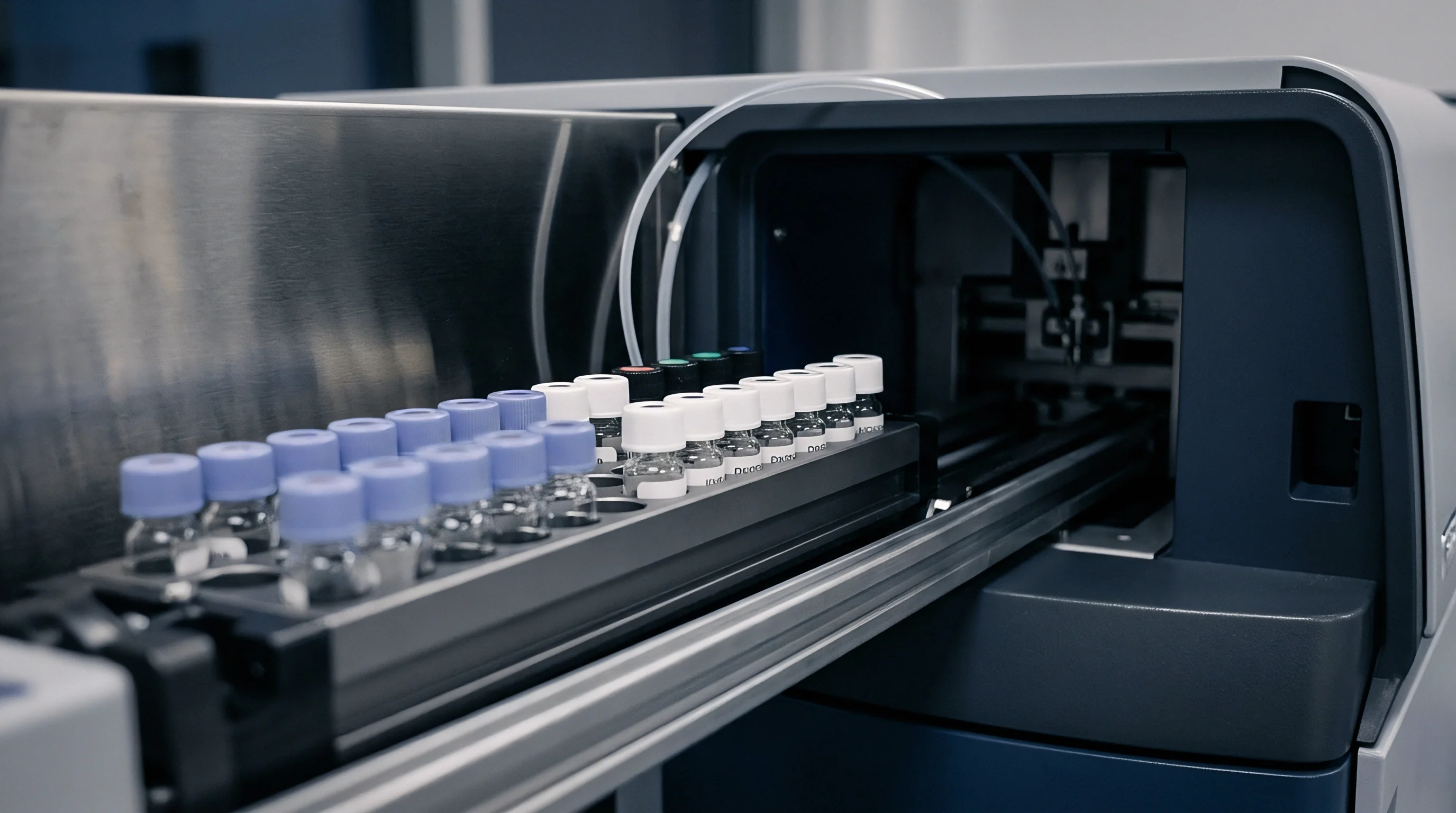

Vial
Incoming inspection of post-consumer polycondensates begins on the balance table. A testing technician measures two grams of cryo-milled pellets into a high-integrity borosilicate container before mechanical crimping. Sealed septum integrity determines whether fugitive aroma compounds and industrial cleaning solvents register on a flame ionization baseline.
Volatile trace contaminants migrate out of the solid polyester matrix when heated below the glass transition boundary, establishing equilibrium between the polymer free volume and the sealed overhead space.
Automated sampling needles pierce the fluoropolymer-faced butyl septum to extract gas volumes for direct chromatographic separation. Process control laboratories operating high-volume lines rely on static headspace gas chromatography coupled with mass spectrometry to qualify food contact flake before railcar unloading. Inadequate crimping torque vents volatile organic compounds to ambient air, producing false compliance readings on contaminated resin lots.
Inspection teams verify container seal compression using micrometer calipers to preserve sample integrity.
Acetaldehyde generation during reheat blow molding introduces unacceptable sensory taint to non-carbonated mineral waters at concentration thresholds below twenty micrograms per kilogram. Solid-state polycondensation removes moisture and strips volatile reaction products, yet thermal history inside the recovery extruder creates new degradation fractions. Gas chromatography coupled with flame ionization or mass spectrometry provides the analytical resolution needed to separate intrinsic degradation products from dangerous post-consumer chemical residues.
High surface area flake desorbs post-consumer cleaning residues faster than dense crystallized pellets during vacuum extraction.

Headspace Equilibrium in Solid Phase Microextraction
Partition coefficients dictate the movement of residual contaminants from solid chips into the surrounding vapor. Solid-phase microextraction uses a fused silica fiber coated with polydimethylsiloxane and divinylbenzene to adsorb volatile molecules from the vessel vapor space without liquid solvents. Fiber exposure times run between fifteen and forty minutes at eighty degrees Celsius to concentrate non-polar hydrocarbons and residual flavor compounds before injection split entry.
Hot pellets off-gas immediately.
Direct thermal desorption techniques avoid fiber saturation by sweeping cryogenic oven vessels with inert helium gas directly into a cold trap. The trap chills incoming gas to minus forty degrees Celsius using liquid nitrogen or Peltier chillers before rapid ballasting to three hundred degrees Celsius. This injection method concentrates parts-per-billion contaminants, enabling reliable quantitation of light aromatic solvents and cleaning detergents.
Contaminant recovery depends on polymer particle dimensions. Cryogenic grinding with liquid nitrogen increases the specific surface area, accelerating mass transfer across the polyester phase boundary. Pellets tested in whole form demonstrate incomplete volatile extraction, trapping heavy contaminants within the crystallized core during short heating intervals.
Recycled resin quality assurance manuals specify target analyte groups for incoming screening:
- Acetaldehyde originates from polyester thermal degradation and imparts an off-flavor to bottled water at five parts per billion.
- Limonene traces back to post-consumer citrus drink packaging and household detergent wash lines.
- Benzene arises from industrial chemical misuse or elevated pyrolysis reactions during aggressive melt filtration stages.
- Ethylene glycol cyclic trimer deposits as an oligomeric white powder on vacuum pump exhausts and injection mold tool vents.
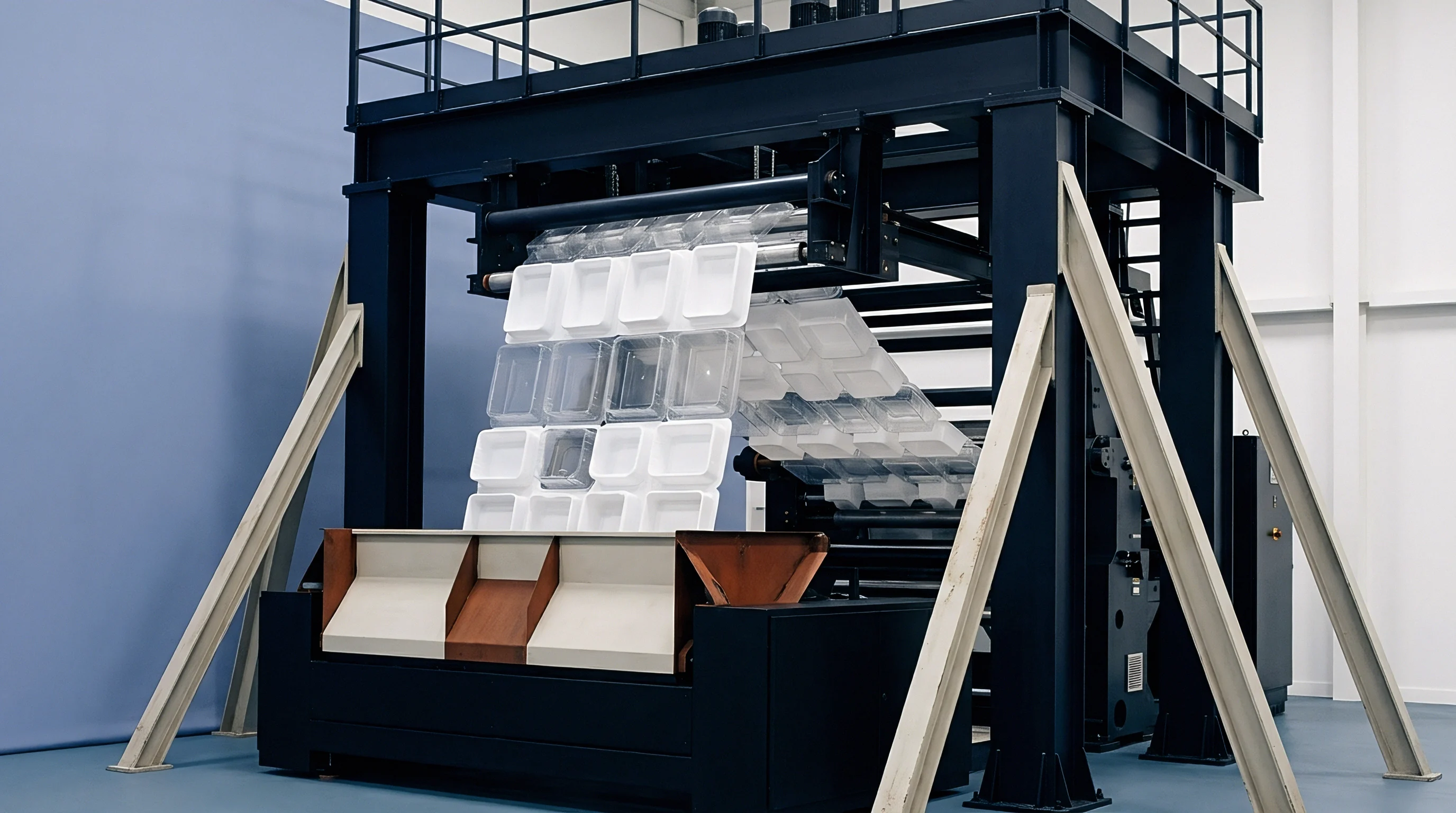
Thermal Desorption Profiles across Recycled Resin
Temperature selection during sample conditioning dictates whether the instrument measures existing volatile residues or generates secondary reaction products. Polyester chains undergo thermal scission at temperatures above two hundred degrees Celsius, releasing vinyl esters and cyclic oligomers that foul detector collectors. Conditioning ovens maintain sample temperatures between one hundred thirty and one hundred fifty degrees Celsius to maximize extraction velocity without cleaving ester bonds.
Moisture accelerates this reaction.
Water content inside incoming material must remain below fifty parts per million during thermal extraction. Ambient moisture induces hydrolytic chain cleavage inside sealed containers, liberating acetaldehyde and ethylene glycol monomers that corrupt chromatographic quantitation. Slower heating prevents core thermalization.
Laboratories quantify total volatile organic compounds by summing peak areas between n-hexane and n-hexadecane retention markers. Uncontaminated virgin bottle polymer produces a clean baseline showing trace acetaldehyde and standard processing additives. Post-consumer lots carry broad distributions of cyclic siloxanes, plasticizers, fragrance esters, and thermal oxidation fragments.


Column
Capillary gas tubes coated with crosslinked phenyl methylpolysiloxane separate volatile migrants by boiling point and molecular polarity. Carrier gas velocity, split ratio adjustments, and oven ramp programming establish chromatographic separation between critical analytical pairs. Helium gas flowing at one point two milliliters per minute maintains baseline separation between trace benzene and surrounding aliphatic hydrocarbons.
Baseline drift hides sub-ppm migrants.
Split-splitless inlet liners packed with silanized glass wool catch non-volatile polyester oligomers, preventing column head contamination. Non-volatile cyclic trimers build up inside injector liners over hundreds of runs, creating active acidic sites that decompose incoming polar analytes. Routine liner inspection and preventative trimming of the column inlet maintain calibration retention stability across extended production batches.
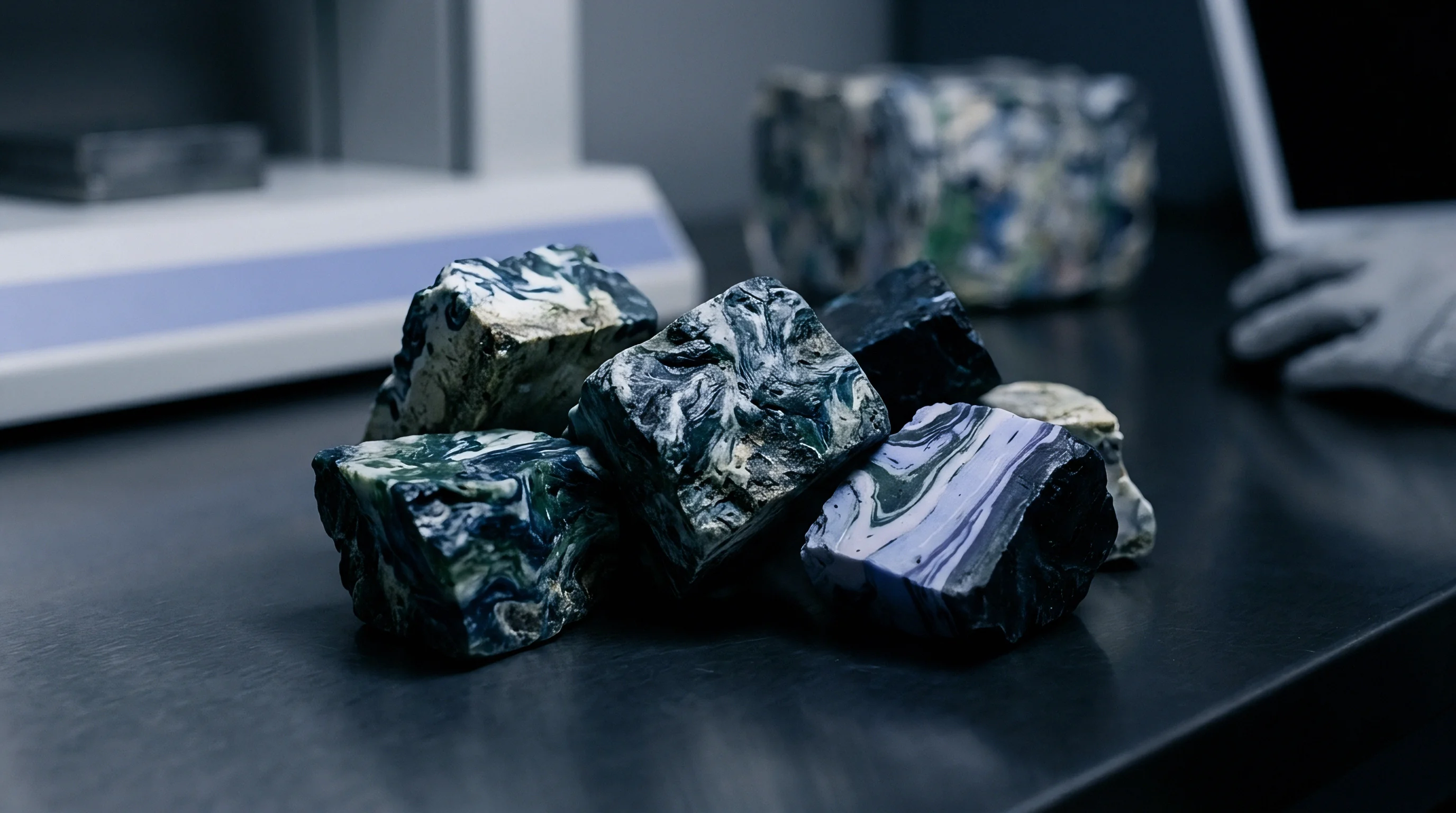
Gas Chromatographic Separation of Non-Intentionally Added Substances
Non-intentionally added substances present the most complex identification challenge in circular packaging conversion. Post-consumer flakes contain complex mixtures of printing ink degradation products, adhesive solvents, photoinitiators, and plasticizers. Flame ionization detection identifies carbon-bearing species across wide concentration bands, while tandem mass spectrometry operating in electron ionization mode supplies spectral fragmentation patterns for structural matching against commercial reference libraries.
Toluene elutes within eight minutes.
Quantification of unknown peaks proceeds by assigning the response factor of a known surrogate standard, typically d8-toluene or deuterated limonene. Semi-quantitative screening flags compounds exceeding the European Union migration screening threshold of ten parts per billion in food contact articles. High-resolution time-of-flight mass spectrometry resolves isobaric masses, distinguishing aliphatic oxidation products from toxic packaging additives.
- Dry twenty grams of cryogenically milled resin at fifty degrees Celsius under vacuum for twelve hours to remove external moisture.
- Weigh exactly two grams of milled polymer into a crimp-top glass container equipped with a polytetrafluoroethylene septa seal.
- Incubate the sealed vessel at one hundred fifty degrees Celsius for sixty minutes inside an automated agitation oven.
- Inject one milliliter of vapor space volume via a heated syringe kept ten degrees above oven temperature to avoid cold-spot condensation.
Pellet samples heated to 150 degrees Celsius for sixty minutes generate headspace pressures of 1.8 bar in standard twenty-milliliter containers.

Why Does Stationary Phase Bleed Distort Quantitation?
Elevated oven temperatures accelerate stationary phase degradation inside capillary coils, shedding siloxane ions that elevate detector noise floor levels. Mass spectrometers detect stationary phase bleed as recurring ion peaks at mass-to-charge ratios of 207, 281, and 355. These background ions mask trace migrants possessing similar structural motifs, complicating the library deconvolution of low-concentration alkyl phenols and plasticizers.
Helium carrier gas preserves resolution.
Low-bleed arylene-modified columns provide thermal stability up to three hundred fifty degrees Celsius, suppressing phase degradation during extended temperature ramp cycles. The baseline signal stabilizes across high-temperature bake-outs, preserving clear mass spectral identification of high-boiling contaminants such as benzophenone and ultraviolet absorbers. Polyethylene glycol stationary phases offer high selectivity for polar alcohols and aldehydes, but their lower thermal ceiling limits application to light volatile extraction.
| Detector System | Selectivity Profile | Detection Limit | Linear Dynamic Range | Operational Carrier |
|---|---|---|---|---|
| Flame Ionization (FID) | Universal organic carbon | 0.1 parts per million | 10 to the 7th power | Helium, Hydrogen, Air |
| Single Quadrupole MS | Mass structural fragments | 1.0 parts per billion | 10 to the 5th power | Ultra-pure Helium |
| Tandem Triple Quad MS/MS | Targeted multi-reaction MRM | 0.05 parts per billion | 10 to the 6th power | Helium with Argon cell |
| Time-of-Flight MS (HRMS) | Accurate mass non-target | 0.5 parts per billion | 10 to the 4th power | Ultra-pure Helium |
Carrier gas purity dictates baseline stability during ultra-trace scanning. Hydrocarbon traps, moisture filters, and oxygen scrubbing cartridges installed upstream of the split inlet prevent phase oxidation. A stationary phase exposed to ten parts per million of carrier oxygen at elevated temperatures degrades irreversibly within twelve hours of operation, shifting retention times and destroying peak symmetry.
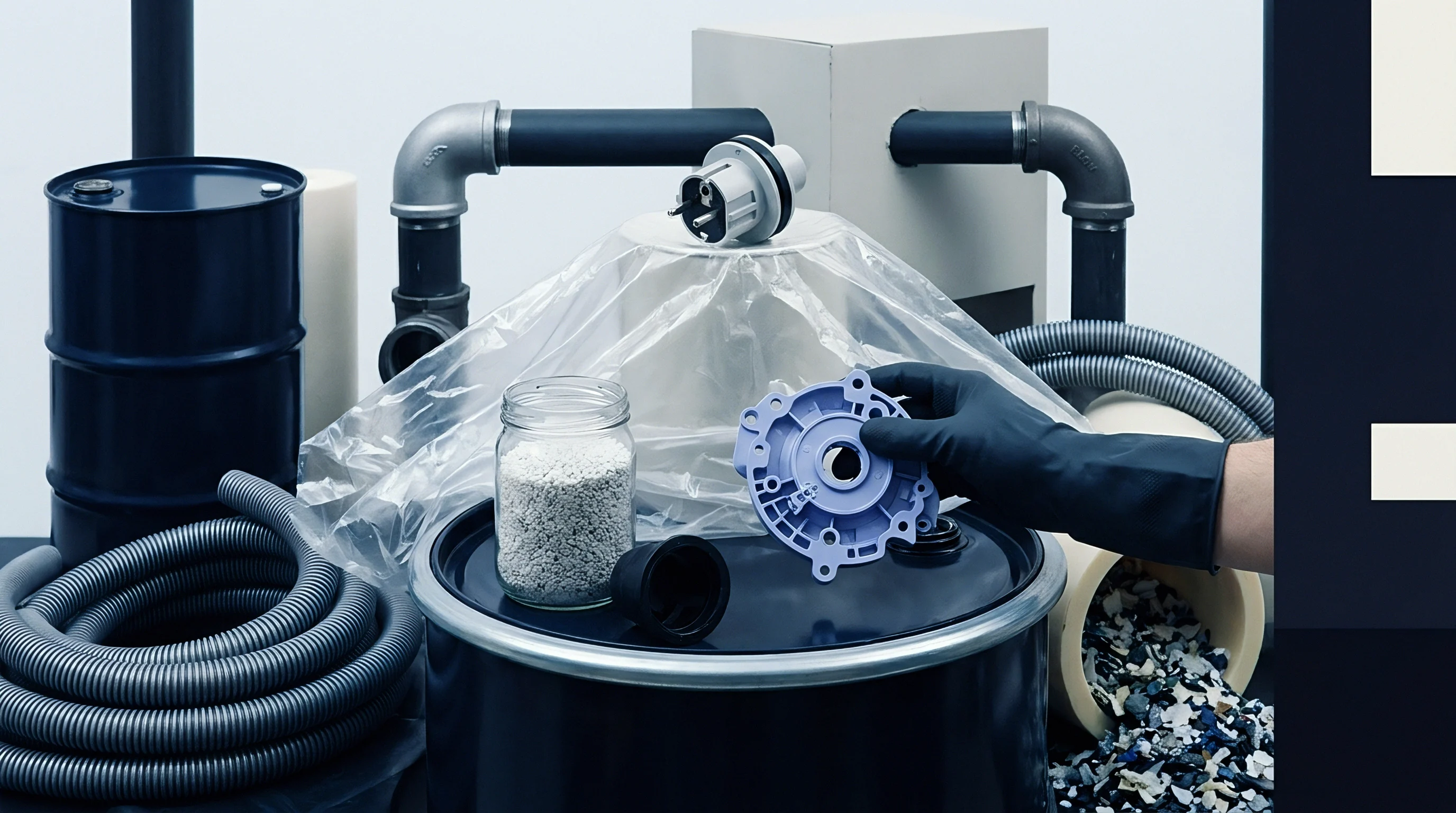
Surrogate
Decontamination technology validation relies on spiking intentional chemical surrogates into post-consumer flake batches prior to recycling reactor trials. Solid-state polycondensation systems undergo challenge tests to prove that thermal treatment, inert gas purging, and deep vacuum extract hazardous compounds across distinct volatility and polarity classes. Challenge protocols require decontamination efficiencies exceeding ninety-nine point nine percent for volatile organic markers.
Limonene marks detergent wash residues.
Challenge validation studies use model chemical surrogates spanning specific molecular weights, boiling points, and chemical functional groups. Spiking protocols saturate washed flakes with surrogate solutions, followed by conditioning periods that permit deep diffusion into the polyester matrix. The contaminated material runs through industrial decontamination reactors, after which gas chromatography quantifies remaining surrogate fractions inside the finished pellets.
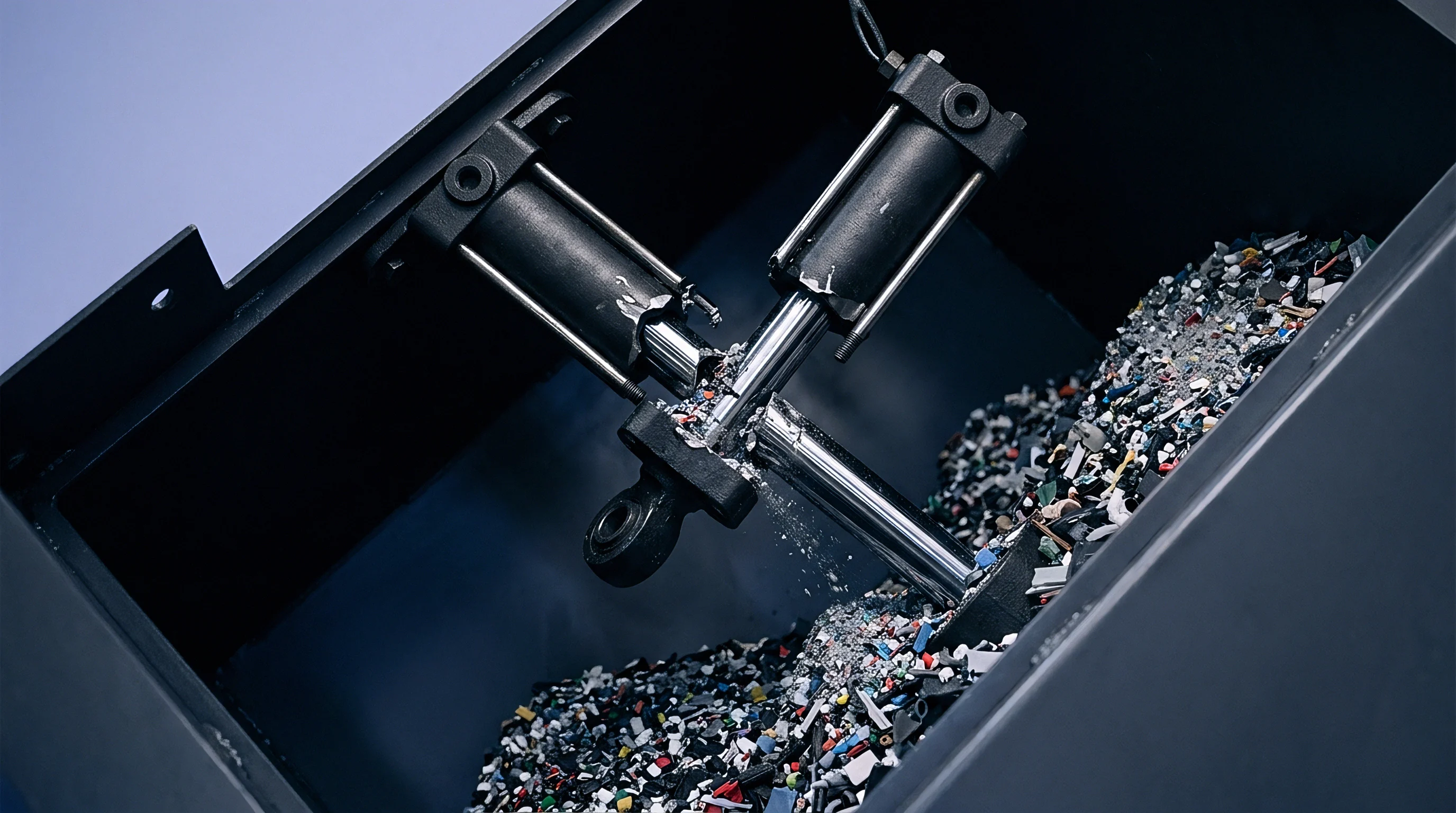
Challenge Testing Limits for Post-Consumer Decontamination
Regulatory authorities examine surrogate clearance data to grant non-objection letters for commercial bottle-to-bottle decontamination units. Solid-state polycondensation units operate between two hundred and two hundred twenty degrees Celsius under absolute pressures below one millibar for residence durations spanning four to sixteen hours. This rigorous thermal processing restores polymer intrinsic viscosity through transesterification while vaporizing volatile organic contaminants.
Benzophenone migrates through thin walls.
The United States Food and Drug Administration and the European Food Safety Authority evaluate challenge test results using mathematical exposure models. Testing laboratories establish the residual contaminant concentration in finished polymer lots, calculating dietary concentration values against toxicological concern boundaries. Solid flakes with low bulk density decontaminate faster than dense thick-walled preform regrinds due to shorter diffusion paths across the polymer matrix.
| Surrogate Compound | Model Chemical Class | Boiling Point | Initial Spike Level | Post-Reactor Target |
|---|---|---|---|---|
| Toluene | Volatile non-polar aromatic | 110.6 degrees Celsius | 500 mg/kg | Below 0.10 mg/kg |
| Chlorobenzene | Volatile polar halogenated | 131.7 degrees Celsius | 450 mg/kg | Below 0.10 mg/kg |
| Phenylcyclohexane | Semi-volatile non-polar cyclic | 239.0 degrees Celsius | 380 mg/kg | Below 0.25 mg/kg |
| Benzophenone | Non-volatile polar aromatic | 305.4 degrees Celsius | 420 mg/kg | Below 0.50 mg/kg |
| Methyl stearate | Heavy fatty acid ester | 443.0 degrees Celsius | 350 mg/kg | Below 1.00 mg/kg |
How Do Volatile Surrogates Predict Decontamination Depth?
Diffusion kinetics follow Fickian transport mechanics through amorphous and semi-crystalline polyester domains. Small volatile molecules such as toluene and chlorobenzene possess high diffusion coefficients, desorbing rapidly during vacuum conditioning stages. Heavy polycyclic molecules and polar species encounter higher activation energy barriers, demanding longer reaction times and elevated temperatures to achieve complete removal.
Split ratios alter peak symmetry.
Polymer crystallinity directly retards surrogate desorption. Post-consumer flakes crystallize rapidly upon exposure to temperatures above one hundred twenty degrees Celsius, trapping embedded surrogates within rigid amorphous zones adjacent to crystalline lamellae. Challenge studies that bypass pre-crystallization overestimate extraction efficiency, leading to over-optimistic decontamination ratings on commercial plants.
- Toluene represents volatile non-polar industrial solvents with an extraction recovery threshold verified by flame ionization detection.
- Chlorobenzene serves as a moderately volatile polar halogenated model compound challenging the solid-state polycondensation vacuum cycle.
- Phenylcyclohexane mimics heavier non-volatile industrial grease fractions resisting low-temperature thermal desorption.
- Benzophenone tests the vacuum stripper against persistent photoinitiators common to decorated printed film collections.
Failure to demonstrate five-log reduction efficiency across challenging surrogates invalidates reactor qualification dossiers. Packaging converters using unvalidated flake risk delivering tainted food packaging, resulting in extensive product recalls, regulatory enforcement actions, and mandatory destruction of finished packaging inventories.


Bale
Incoming compressed post-consumer collections arrive at recycling facilities carrying variable fractions of non-packaging refuse, pigmented plastics, and hazardous consumer containers. Automated optical sorters separate transparent polyester drink bottles from colored containers, polyolefins, and polyamides using near-infrared spectroscopic sensors. Cross-contamination within raw collections introduces non-polymeric volatile compounds that persist through wash plants into the extrusion melt stream.
Contaminated flake fouls extruder screws.
Bale composition directly influences the chemical background noise observed on gas chromatograms. Collections gathered through automated deposit return systems show low background contamination, typically displaying clean chromatographic baselines dominated by trace limonene and beverage flavoring esters. Curbside household waste collections introduce automotive fluids, agrochemical containers, personal care fragrances, and plasticized polyvinyl chloride fragments.
Polymer processors routinely reject shipments showing unidentified gas chromatographic peaks within the migration retention index window.

Feedstock Sorting and Chemical Background Burdens
Contaminant concentrations in post-consumer materials vary widely depending on collection logistics. Flakes derived from deposit return streams typically register total volatile organic compound concentrations below thirty milligrams per kilogram. Curbside collection flakes frequently exhibit volatile contamination exceeding two hundred milligrams per kilogram before vacuum processing.
Clean rPET shows flat baselines.
Mechanical recycling facilities process post-consumer collections through mechanical size reduction, aqueous wash cycles, and sink-float separation tanks. Caustic wash solutions containing potassium hydroxide dissolve paper labels and adhesive residues, yet alkaline wash water carry-over can induce chemical degradation during melt processing. Hydroxide ions accelerate chain scission in the extruder, liberating ethylene glycol and acetaldehyde monomers.
- Optical color sorting rejects non-clear container fragments before the washing tunnel to minimize polyolefin label drag-in.
- Flotation separation strips polyolefin cap closures based on a water density differential below 1.00 gram per cubic centimeter.
- Caustic hot washing dissolves external polyacrylic adhesives and surface dirt at eighty-five degrees Celsius.
- Pre-drying moisture control drops polymer moisture below fifty parts per million before extruder entry to halt intrinsic viscosity collapse.
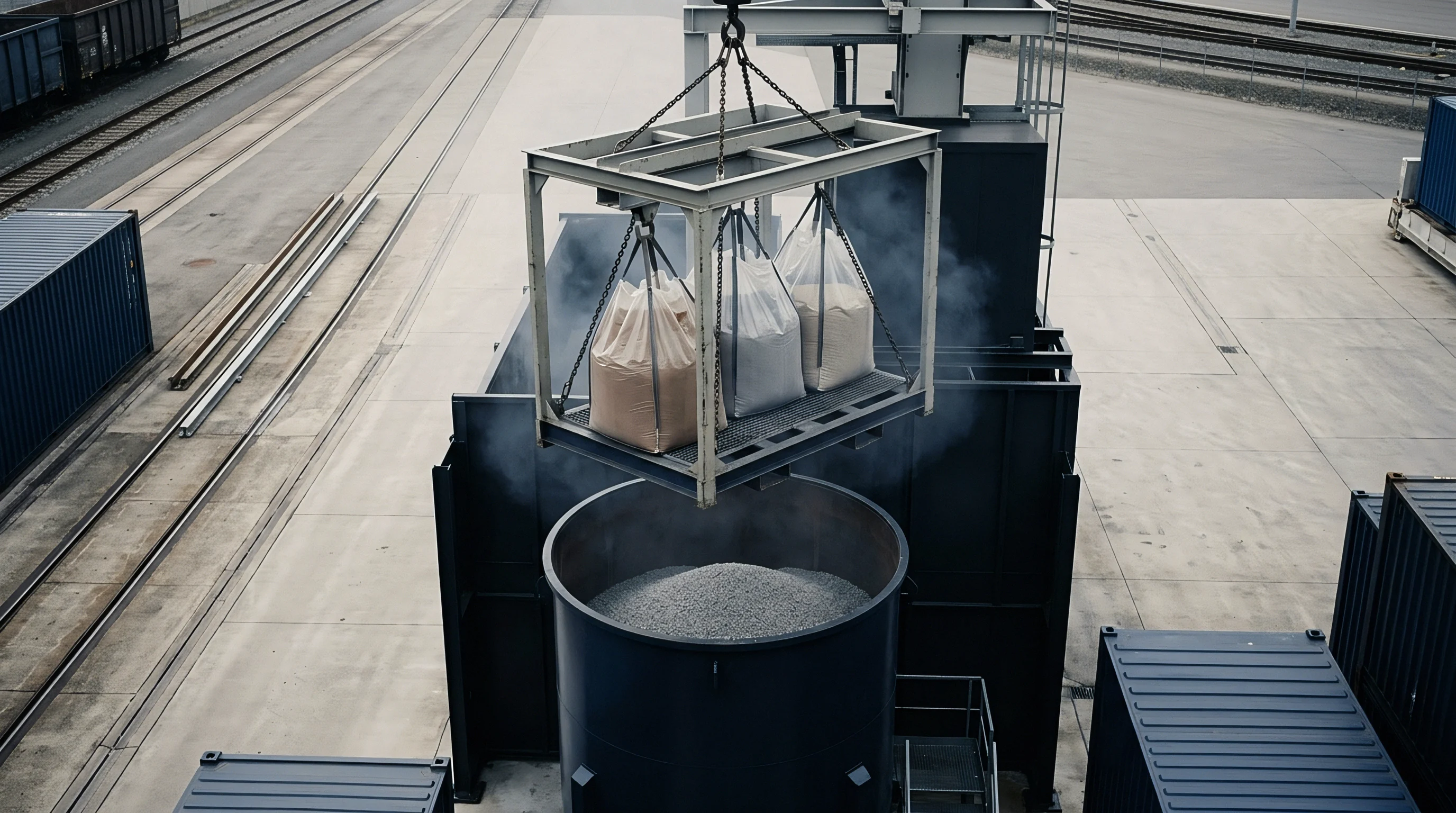
Inlet Contamination across Multiple Extrusion Passes
Repeated thermo-mechanical reprocessing generates degradation fractions that accumulate across successive circular lifecycles. Extrusion temperatures of two hundred eighty degrees Celsius shear molecular chains, producing vinyl end groups that react to form secondary cyclic oligomers and aromatic hydrocarbons. Gas chromatographic screening of multiple-generation material reveals escalating concentrations of 2-methyl-1,3-dioxolane and diethylene glycol.
Solvent extraction strips the matrix.
Melt degassing zones fitted with high-vacuum liquid ring pumps pull volatile decomposition products out of the flowing melt. Ineffective vacuum venting leaves volatile residues in the molten polymer strand, which condense inside pelletizer cooling waters and re-deposit onto pellet surfaces. Laboratory staff track degassing efficiency by comparing pre-extrusion flake headspace peaks against post-pelletizing chromatograms.
When questioned regarding irregular aromatic peaks on delivery certificates, compounders frequently argue that post-consumer feedstocks naturally vary across seasonal municipal collection cycles and that downstream drying hoppers will purge remaining light volatiles before preform injection molding.

Release
Lot disposition for commercial food-grade recycled polyester demands strict concordance between chromatographic purity data and statutory migration limits. Quality control technicians draw composite samples across bulk railcars and octabins, pulling representative cores from top, middle, and bottom discharge gates. Composite samples undergo cryogenic milling and static headspace gas chromatography to confirm that volatile non-intentionally added substances remain within validated safety boundaries.
Pellet mass dictates equilibration time.
A shipping lot failing acetaldehyde or total volatile organic criteria cannot enter the food packaging conversion hall. Material holding lots must remain physically locked in holding silos until analytical laboratories complete sixty-minute headspace screening and sign the certificate of analysis. Rejection protocols divert out-of-specification lots toward non-food strapping, thermoforming sheet, or textile fiber compounding lines.

Threshold Toxicological Values and Migration Modeling
Toxicological qualification relies on Cramer structural classifications and the threshold of toxicological concern concept developed for dietary exposures. Chromatographic software compares migrant mass spectra against databases containing known toxicological boundaries. Chemical species classified as Cramer Class III demand analytical detection limits down to ninety micrograms per person per day, translating to finished article migration limits of one point five parts per billion.
Acetaldehyde forms through ester degradation.
Mathematical migration modeling correlates residual volatile concentrations in raw pellets with anticipated mass transfer into aqueous, acidic, and fatty food simulants. Fickian diffusion models calculate chemical migration through container walls over six-month storage trials at room temperature. A pellet lot carrying two milligrams per kilogram of limonene remains compliant for short-shelf-life soft drinks but exceeds migration action limits for long-shelf-life bottled infant water.
| Analyte Substance | Primary Origin | Pellet Action Level | Specific Migration Limit | Analytical Baseline Method |
|---|---|---|---|---|
| Acetaldehyde | Polyester degradation | 1.00 mg/kg | 6.00 mg/kg (organoleptic) | HS-GC-FID (ASTM F2013) |
| Limonene | Juice packaging residue | 0.50 mg/kg | Not specified (sensory) | HS-GC-MS (EN 13130) |
| Benzene | Industrial contamination | 0.01 mg/kg | Non-detectable (0.01 mg/kg) | Static Headspace GC-MS |
| Ethylene Glycol | Hydrolysis reaction | 5.00 mg/kg | 30.00 mg/kg SML | Direct Injection GC-FID |
| Total Unknown NIAS | Mixed post-consumer | 5.00 mg/kg | 0.01 mg/kg per compound | Thermal Desorption GC-MS |

Commercial Exposure under Finished Pellet Lot Acceptance
Finished packaging molders face substantial warranty liabilities when filling lines process unverified recycled resin lots. Off-taste customer complaints against bottled water brands trigger rapid inventory quarantines and product destructions costing millions of euros in commercial damage. Converters shift legal and financial accountability onto resin compounders by mandating batch-specific gas chromatography testing certificates alongside every bulk shipment.
Purchase contracts establish tight analytical variance bands for delivered raw material. Commercial terms specify that gas chromatography certificates of analysis must verify that residual total volatiles remain below five milligrams per kilogram, with zero detectable benzene at a ten parts per billion detection limit. The delivery contract specifies that shipments presenting undocumented chromatographic peaks exceeding twenty micrograms per kilogram allow the buyer to reject the railcar immediately, charge demurrage to the seller account, and debit the compounder for all associated third-party confirmation testing.