Spectroscopic Base Polymer Composition Extraction Protocols for Filled Compound Tariff Audit Verification
Spectroscopic identification of base resin requires sequential solvent extraction and calcination to isolate pure polymer matrices for tariff audit compliance.
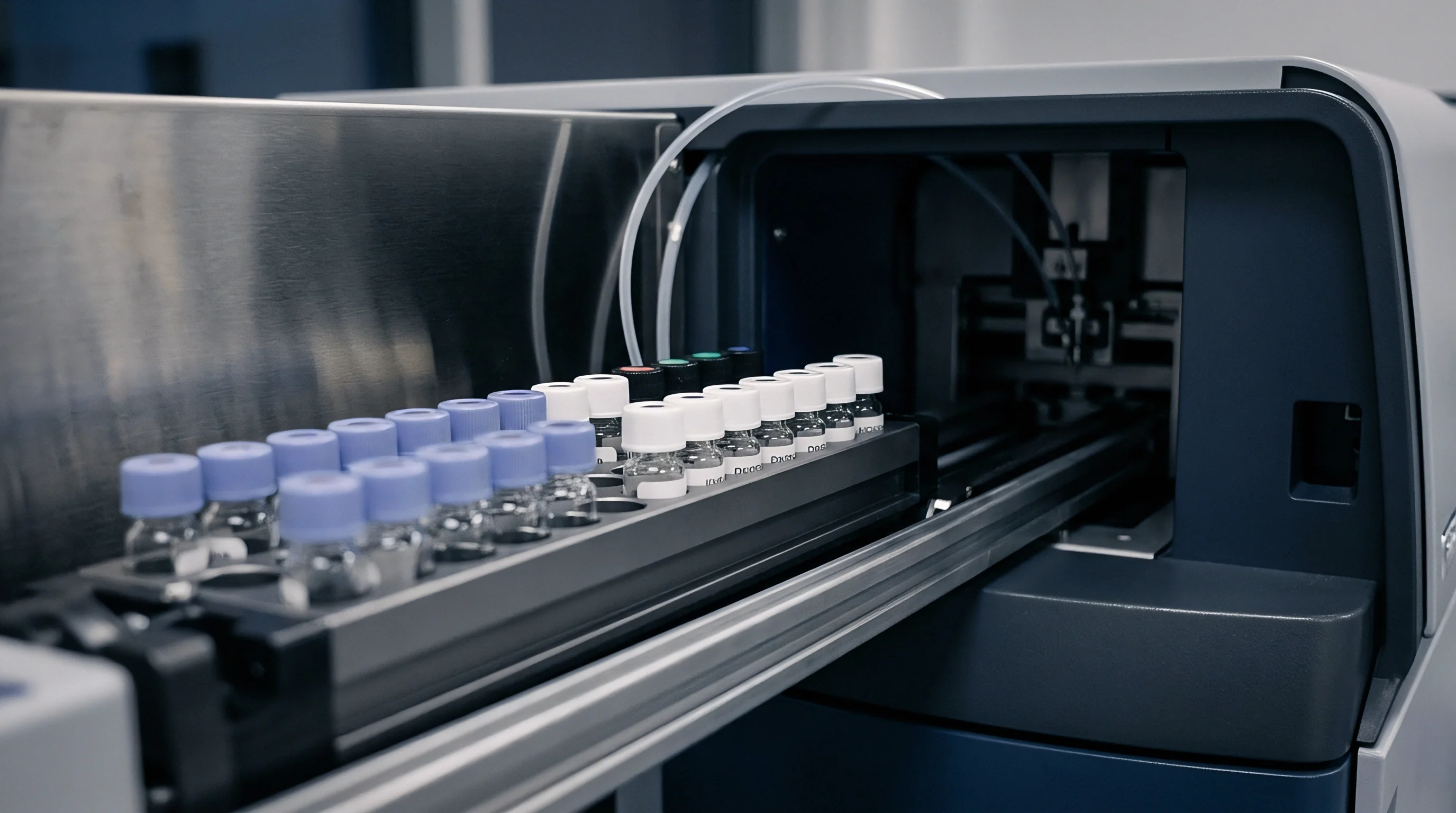
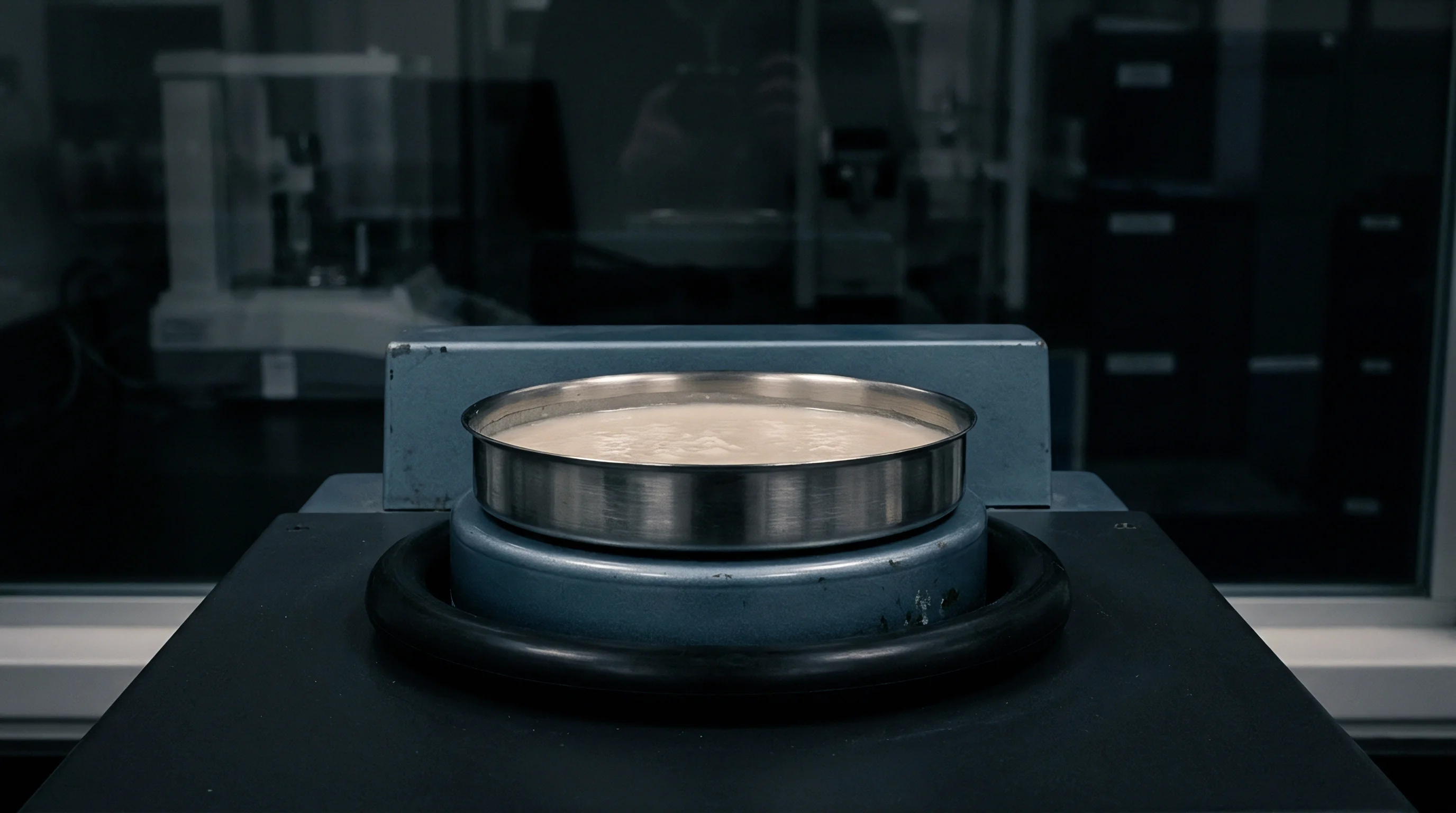
Ash
Thermal gravimetric decomposition isolates inorganic mineral fractions from organic polymer binders at temperatures exceeding 600 °C under controlled nitrogen or atmosphere flows. Customs tariff audits rely on exact quantitative mass splits between base resin matrices and inorganic loading factors to assign six-digit Harmonized System codes. Standard laboratory procedures under ISO 3451-1 Method A and ASTM D5630 mandate muffle furnace calcination at 600 °C plus or minus 25 °C until constant mass is attained.
Inorganic fillers resist thermal breakdown.
Mineral components including talc, calcium carbonate, glass fibers, and titanium dioxide remain in the crucible as solid inorganic residue. Ash content dictates duty. When compound formulations carry mineral loading above specified thresholds, classification shifts from primary polyolefin tariffs under HS 3902 to filled mineral compound schedules carrying distinct duty rates.
Furnace residence times of 30 minutes at 600 °C eliminate organic hydrocarbon polymer backbones while leaving calcium carbonate calcination partially intact if temperatures stay strictly below 625 °C, avoiding the unwanted dissociation of calcium carbonate into calcium oxide and carbon dioxide.
| Filler Type | Standard Method | Furnace Temp (°C) | Atmosphere | Residue Identity |
|---|---|---|---|---|
| Calcium Carbonate | ISO 3451-1 Method A | 600 ± 25 | Air Flow | CaCO3 Solid residue |
| Talc / Magnesium Silicate | ASTM D5630 Protocol B | 750 ± 50 | Nitrogen Flush | Hydrated Silicate Sheet |
| E-Glass Fiber | ISO 3451-5 Method A | 625 ± 20 | Air Flow | Silicate Fiber Mesh |
| Carbon Black | ASTM D1603 / TGA | 550 to 900 | Nitrogen to Air | Elemental Carbon Residue |
Quantifying inorganic ash fraction provides the baseline divisor used to calculate original polymer mass ratios. Direct infrared scanning of raw filled pellets produces severe baseline distortion due to filler scattering and absorption interference. Removing the mineral phase leaves concentrated organic residues suitable for detailed chemical structural identification.
A high-temperature ash residue measured above 40.0 percent by mass under ISO 3451-1 Method A shifts polyolefin tariff classification from base polymer Chapter 3902 to filled compound subclassifications.
Analytical accuracy during muffle furnace calcination depends on maintaining tight temperature control. Furnace excursions above 650 °C convert calcium carbonate into calcium oxide, artificially suppressing measured inorganic residue mass by up to 44 percent of the filler weight. Importers relying on inaccurate calcination data face retroactive customs duty reclassifications and substantial administrative penalties when official customs laboratories retest shipments under strict isothermal controls.
- Temperature Control Limits ~ Muffle furnace zones hold 600 °C within 10 °C to prevent filler chemical decomposition during organic burn off.
- Crucible Desiccation Protocol ~ Heated porcelain crucibles cool inside sealed desiccators for 45 minutes prior to mass measurement on four-decimal balances.
- Specimen Mass Sizing ~ Sample weights between 2.0000 grams and 5.0000 grams ensure statistical representation of compound filler dispersion.
- Gravimetric Constant Mass ~ Successive weighings after re-heating cycles agree within 0.0005 grams before recording final inorganic ash percentages.
Failure to isolate the exact inorganic filler percentage invalidates downstream polymer mass percentage claims during customs tariff classification reviews.

Solvent
Separating organic additives from high-molecular-weight polymer backbones relies on selective dissolution kinetics in refluxing aromatic or chlorinated liquid media. Base resins must be recovered cleanly without chemical degradation to permit precise spectroscopic fingerprinting. Solvent selection governs recovery yields.
Soxhlet extraction using xylene or decalin at elevated boiling temperatures dissolves polyolefin fractions while leaving insoluble cross-linked networks, pigments, and inorganic reinforcing agents behind.
Dissolution of semi-crystalline polyolefins requires thermal energy sufficient to disrupt intermolecular crystalline domains. Isotactic polypropylene dissolves in xylene at 138 °C, whereas high-density polyethylene dissolves readily at 120 °C in toluene or decalin. Extracting low-molecular-weight waxes, plasticizers, primary antioxidants, and light stabilizers precedes base resin precipitation.
Dissolved base resin is subsequently precipitated by pouring the hot polymer solution into a five-fold volumetric excess of cold methanol or acetone under rapid agitation.
- Pulverize raw compound pellets to particle diameters below 500 micrometers using cryogenic grinding with liquid nitrogen to accelerate dissolution kinetics.
- Extract low-molecular-weight additives inside a Soxhlet apparatus using n-hexane at 68 °C for 6 hours to clean the compound surface.
- Transfer the washed polymer residue into a reflux flask containing o-xylene held at 140 °C for 4 hours until the resin matrix dissolves fully.
- Filter the hot polymer solution through a pre-heated medium-porosity sintered glass filter to capture remaining inorganic fillers and pigments.
- Drip the clarified filtrate into cold stirred methanol at 4 °C to precipitate pure base polymer as fine white flocculent material.
- Filter the precipitated polymer precipitate under vacuum and dry the recovered powder in a vacuum oven at 60 °C for 12 hours.
Cold xylene selectively precipitates isotactic polypropylene. The precipitate yield represents the net base resin fraction available for definitive chemical identification. Extraction residues require thorough washing.
Removing plasticizers, phthalates, and process aids prevents contamination of characteristic polymer absorption bands during subsequent analytical steps.
| Base Resin System | Primary Dissolution Solvent | Dissolution Temp (°C) | Precipitation Non-Solvent | Target Extractables |
|---|---|---|---|---|
| Polypropylene (PP) | o-Xylene / Decalin | 138 to 142 | Cold Methanol | Atactic PP, Mineral Oil, Antioxidants |
| Polyethylene (HDPE/LLDPE) | Toluene / Xylene | 110 to 125 | Cold Acetone | PE Waxes, Low MW Fractions, Slip Agents |
| Polyamide 6,6 (PA66) | Formic Acid (88%) | 23 to 50 | Deionized Water | Caprolactam Monomer, Plasticizers |
| Polycarbonate (PC) | Dichloromethane | 35 to 40 | n-Heptane | Residual Monomer, UV Absorbers |
Compliance with ASTM E1252 solvent extraction criteria dictates that complete removal of plasticizer additives precedes any transmission FTIR spectrum baseline comparison for customs duty determinations.
Compound suppliers frequently submit extraction reports claiming complete polymer recovery while omitting details on low-molecular-weight wax fractions removed during washing. Customs audit officers re-extract imported samples using standardized solvent sequences to verify whether reported polymer ratios reflect true high-polymer fractions or include low-cost monomeric additives.


Infrared
Fourier-transform absorption analysis and pyrolytic gas chromatography yield primary chemical signatures for isolated polymer precipitates. Base polymer identification relies on matching specific vibrational transmission frequencies against certified reference standards per ASTM E1252. Spectral libraries require manual verification.
Infrared signals decay rapidly. Characterizing clean, precipitated polymer films avoids optical distortion caused by carbon black pigment scattering and inorganic filler absorptions.

Attenuated Total Reflectance versus Transmission Calibration
Internal reflection crystals constructed of diamond or germanium sample soft polymer surfaces directly, penetrating between 0.5 and 2.0 micrometers into the material. Transmission mode requires pressing dried, precipitated polymer powder into thin, transparent films with thicknesses between 10 and 20 micrometers using a heated hydraulic press at 180 °C under 10 megapascals of force. Transmission measurements yield quantitative absorption values obeying the Beer-Lambert law, providing superior accuracy when quantifying monomer ratios in copolymers.
Carbon black absorption suppression across the mid-infrared region mandates pyrolytic characterization over standard attenuate total reflectance techniques.

Which Spectroscopic Method Isolates the Primary Polymer Matrix?
Pyrolysis gas chromatography coupled with mass spectrometry decomposes non-volatile polymer chains at temperatures between 550 °C and 700 °C under inert helium flow. Thermal cleavage yields characteristic volatile fragment oligomers analyzed by mass spectrometers. Pyrolysis breaks complex polymer chains.
The resulting pyrogram reveals unique monomer sequence distributions, allowing distinct identification of ethylene-propylene block copolymers versus random copolymers or mechanical polyolefin blends.
| Polymer Matrix | Primary Infrared Bands (cm⁻¹) | Vibrational Assignment | Py-GC/MS Indicator Ions (m/z) |
|---|---|---|---|
| Isotactic PP | 2950, 1377, 1167, 998, 841 | CH3 bending, CH2 rocking | m/z 70, 84, 126 (Propene trimer/tetramer) |
| HDPE | 2916, 2848, 1472, 1462, 730, 719 | CH2 stretching, CH2 rocking split | m/z 55, 69, 83, 97 (Alkene series) |
| Polyamide 6 | 3300, 1640, 1540, 1264, 690 | N-H stretch, Amide I, Amide II | m/z 113 (Caprolactam monomer) |
| PET Resin | 1715, 1240, 1095, 722 | C=O ester, C-O-C stretching | m/z 105, 122, 149 (Benzoic acid/esters) |
| Analytical conditions: FTIR resolution set to 2.0 cm⁻¹ over 4000 to 400 cm⁻¹; Pyrolysis unit operated at 650 °C interface temperature. | |||
- Carbon Black Interference ~ High attenuation from dark pigments suppresses infrared absorption peaks across the mid-infrared region, requiring thermal pyrolysis alternatives.
- Ester Additive Overlap ~ Plasticizers carrying carbonyl groups absorb near 1735 cm⁻¹, obscuring ester linkages native to acrylic or polyurethane copolymer backbones.
- Copolymer Ratio Drift ~ Inadequate spectral baseline correction leads to miscalculating monomer ratios in ethylene-vinyl acetate compounds under custom tariffs.
- Moisture Peak Distortion ~ Absorbed atmospheric water produces broad hydroxyl bands around 3400 cm⁻¹, obscuring amide amine hydrogen bonding signals in polyamide matrix scans.
Interpreting vibrational spectra of extracted polymer residues requires isolating pure resin backbones from interfering additive signals.

Dossier
Customs compliance packages combine analytical extraction test reports, mill certificates, and precise tariff code classifications to substantiate origin duty filings. Base polymer purity drives classification. Importers must demonstrate that declared base resin content matches physical composition within narrow technical tolerances.
Tariff auditors compare submitted laboratory extraction curves against official reference profiles maintained by national customs customs agencies.
Document discrepancies trigger retroactive audits. Harmonized System Chapter 39 defines polymers based on monomeric weight fractions exceeding 95 percent pure single resin content or specific copolymer blends. Proving that an imported polypropylene compound contains greater than 50 percent total polymer mass requires a complete analytical chain of custody starting with incoming pellet sampling, progressing through thermal calcination, solvent extraction, and ending with transmission infrared spectroscopy audit reports.
- Sampling Traceability Certificate ~ Verified lot identification matching imported container seal numbers to physical sampling retention bags.
- Thermogravimetric Ash Record ~ Certified mass burn-off curves specifying exact inorganic filler content determined per ISO 3451-1.
- Solvent Extraction Audit Sheet ~ Gravimetric yields tracking additive removal and isolated base polymer powder masses.
- Infrared Transmission Spectra ~ High-resolution transmission spectral files including baseline-corrected peak integration data for base resin identification.
- Pyrogram Mass Spectra File ~ Pyrolysis fragment spectra verifying monomer sequence structures in complex copolymer matrix compounds.
Customs authorities retest disputed shipments. Submitting comprehensive technical audit documentation reduces classification disputes during customs entry audits.
Customs authorities inspect raw infrared spectral data files rather than supplier certificates of analysis when evaluating duty drawback claims.
Under international customs tariff compliance standards, contractual specification clauses requiring compliance with ISO 1043 polymer designation codes mandate that chemical verification protocols accompany all shipments exceeding 10 metric tons of custom-compounded polymer resin.
Margin
Discrepancies in base polymer classification alter tariff rate applicability from duty-free baseline regimes up to six point five percent ad valorem tariffs on compounded resins. Reclassification by customs authorities impacts landed financial cost models. Tariff reclassification alters margin structures.
Importing high-density polyethylene filled compounds under primary polymer codes when filler content exceeds limits results in unexpected tariff rate increases, retroactive penalty assessments, and delayed port clearances.
Incorrect codes generate severe penalties. Evaluating financial risks requires calculating total duty exposure across historical shipments subject to retroactive audit windows spanning three to five years. Sourcing practice engineers calculate landed costs by adding base pellet costs, compounding conversion fees, freight tariffs, and applicable ad valorem customs duties based on verified base resin purity fractions.
A compound purchased at 2,200 USD per metric ton with an declared import duty of 3.0 percent incurs 66 USD in base tariff fees per ton. If customs audits reclassify the compound under a filled polymer schedule carrying a 6.5 percent duty rate, the landed tariff cost increases to 143 USD per metric ton. Across a 500-ton annual procurement agreement, this classification shift generates an unbudgeted 38,500 USD direct tariff penalty, excluding administrative fines and interest charges levied during audit re-assessments.
Establishing standardized extraction, calcination, and spectroscopic verification workflows protects importers against financial exposure arising from inaccurate supplier classification claims.