
PET Drying Windows and the Hydrolysis a Moulder Absorbs
Excess residual moisture causes instant ester chain hydrolysis in molten PET, dropping intrinsic viscosity and destroying mechanical part strength.
Excess residual moisture causes instant ester chain hydrolysis in molten PET, dropping intrinsic viscosity and destroying mechanical part strength.
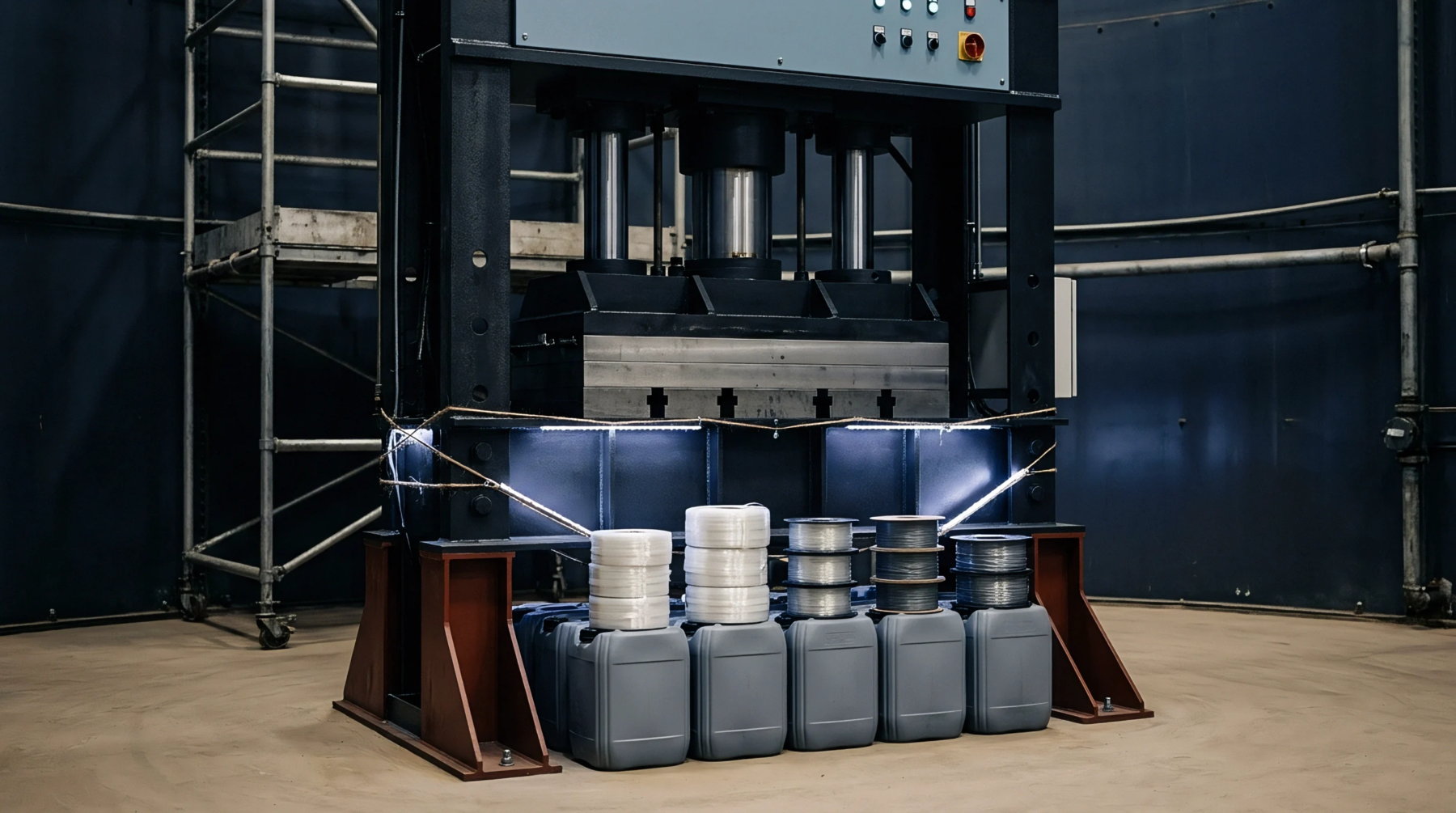
Polymer grade selection fixes mechanical properties, tool shrinkage, cycle time, compliance limits, and final landed part cost across production runs.
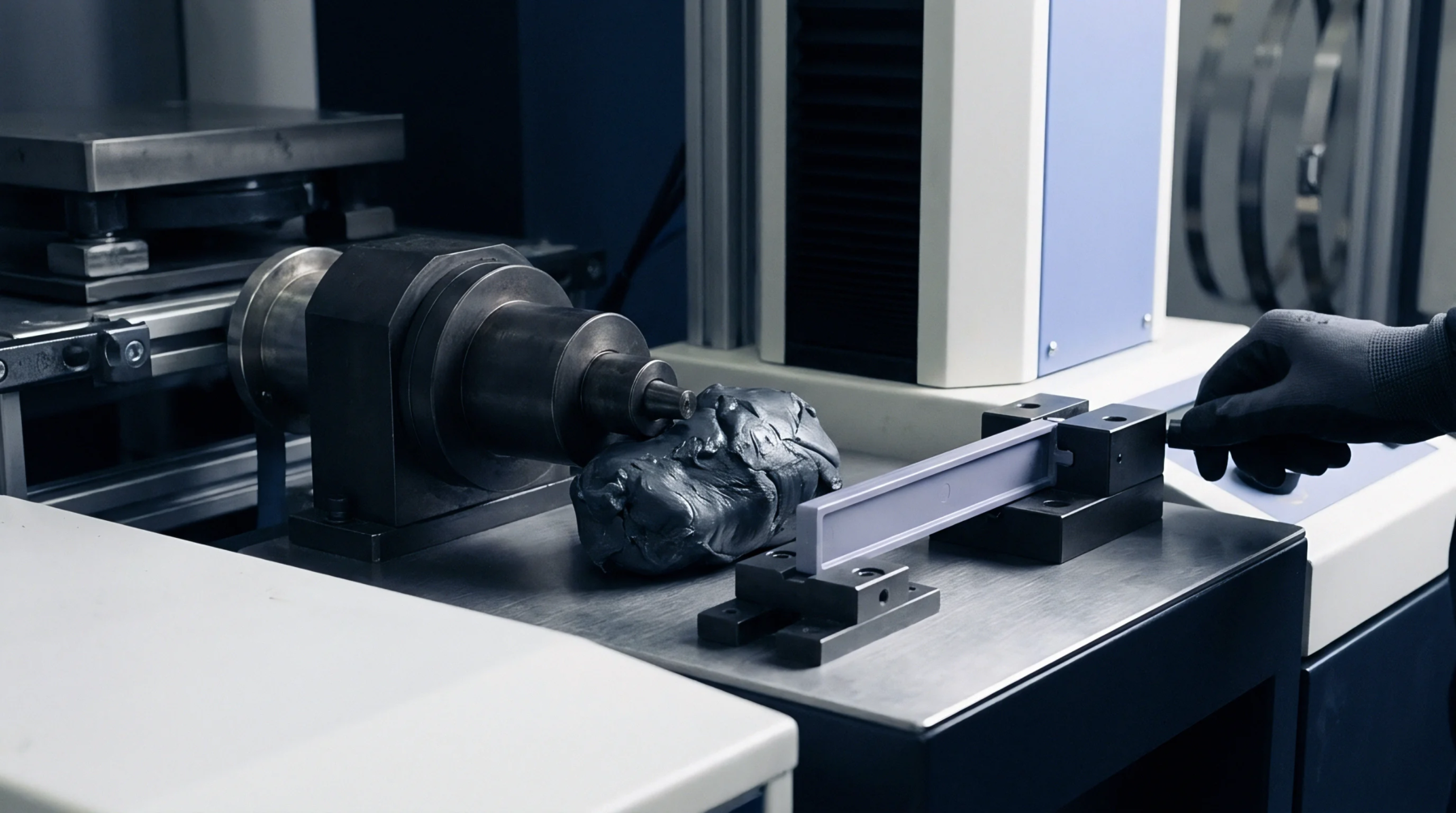
Post-consumer PP and PE compound performance is bounded by thermo-oxidative chain scission and phase separation requiring exact MFR and OIT intake limits.

Evidencing post-consumer recyclate requires batch-level physical mass balance audit trails, independent radiocarbon or DSC testing, and rigorous dock-side sampling before silos accept delivery.

Contract and spot naphtha spreads undermine fixed thirty-day resin quotes, requiring indexation formulas and dock MFR testing to prevent margin erosion.

Antidumping duties reorder polymer shortlists when cash deposits, scope rulings, and customs reclassifications destroy the landed cost advantage of imported resin.

Polyolefin property degradation stems from chain scission, oxidation, and contamination; managing property drift requires strict OIT, melt index, and blend controls.

Polyolefin customs classification relies on monomer weight ratios via 13C-NMR and density thresholds under ISO 1183-1 to fix accurate import duty lines.

House blends sold under branded grade names alter molecular weight distribution and melt rheology, requiring lot-level shear, thermal, and impact testing.

Excess primary amide migration depresses hot tack and seal peel strength; control with secondary amides or non-migrating siloxanes verified via ATR-FTIR.

Delivered resin moisture guarantees require coulometric Karl Fischer verification under ISO 15512 Method B1 paired with machine downtime chargeback clauses.

Determining commodity resin grades requires multi-point shear viscosity validation and strict Certificate of Analysis contract limits to secure part performance.

Naphtha price shifts pass through ethylene and propylene markets directly into polyolefin contract benchmarks with a thirty to sixty day indexation lag.

Custom masterbatch circumvention risks are identified through thermogravimetric analysis, density profiling, and tariff essential-character verification.

Tracking melt flow changes and oxidation time prevents part failure from degraded recycled polyolefin resins.

Undisclosed post-industrial polymer additions breach express resin specifications when melt stability and impact properties diverge from prime baselines.

Undeclared regrind degrades melt stability and impact strength; verify batch history using melt flow rate delta and oxidative induction time limits.

Dew point monitoring alone fails to guarantee dry resin; coulometric Karl Fischer titration per ISO 15512 Method B is mandatory to prevent hydrolytic scission.

Melt flow index and density metrics must be verified together under exact standard loads to control polyolefin processability and field crack resistance.

Accurate quantification of recycled polyolefins requires combining DSC thermal integration, high-temperature GPC, ICP-MS trace metals, and melt rheology sweeps.

Enforceable recyclate compliance claims demand silo quarantine protocols, ASTM D6866 chemical verification, and un-capped indemnity clauses offsetting regulatory fines.

Polyolefin recyclate degradation occurs via PP chain scission and PE crosslinking; verification requires dual-weight MFR sweeps and 30-minute OIT testing.

Coulometric KF titration overestimates bio-polyester moisture due to degradation side-reactions; kinetic baseline correction isolates physical moisture.

Polyethylene sourcing requires specifying exact test loads, temperatures, and standards to isolate molecular structure and enforce contractual lot consistency.
Optimal thermal oxidation stabilizer letdown ratios for post-consumer polyethylene balance melt shear degradation with active antioxidant dosing to minimize landed part cost.

Mathematical integration models decouple physical moisture from thermal ester cleavage off-gas water to ensure accurate resin quality control.

Coulometric baseline deconvolution separates true matrix moisture from organic volatile interference in rPET, preventing false lot rejections and IV degradation.

Solid-state transesterification generates parasitic water during thermal extraction; dynamic baseline deconvolution prevents false moisture rejections.

Accurate moisture testing below 50 ppm via Karl Fischer oven titration prevents hydrolytic intrinsic viscosity degradation in recycled PET during melt processing.

Coulometric baseline correction eliminates volatile organic interference in recycled resin moisture analysis to prevent over-drying energy waste and hydrolytic chain scission.
Expertise is a utility, not a secret. sentiention™ publishes its working knowledge as open reference: intelligence layer covering the materials it sources, the markets it enters, and the reference that serves both.