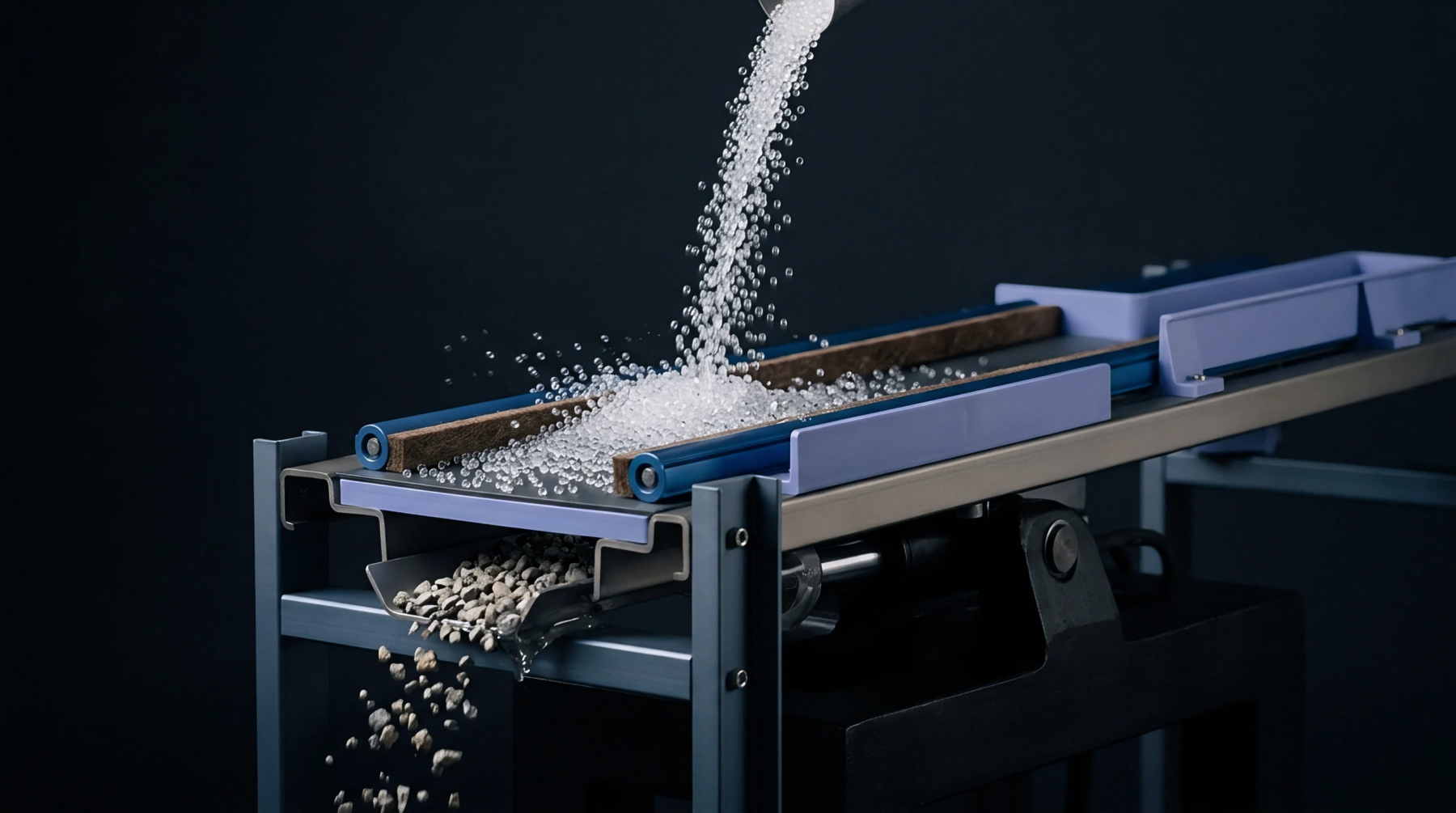
Radiant Furnace Thermal Absorption and Gravity Sag Calibration for Amorphous Polymer Sheet
Calibrating emitter wavelength to polymer absorption bands and setting optical sag triggers prevents core temperature deltas exceeding five degrees Celsius.
Calibrating emitter wavelength to polymer absorption bands and setting optical sag triggers prevents core temperature deltas exceeding five degrees Celsius.
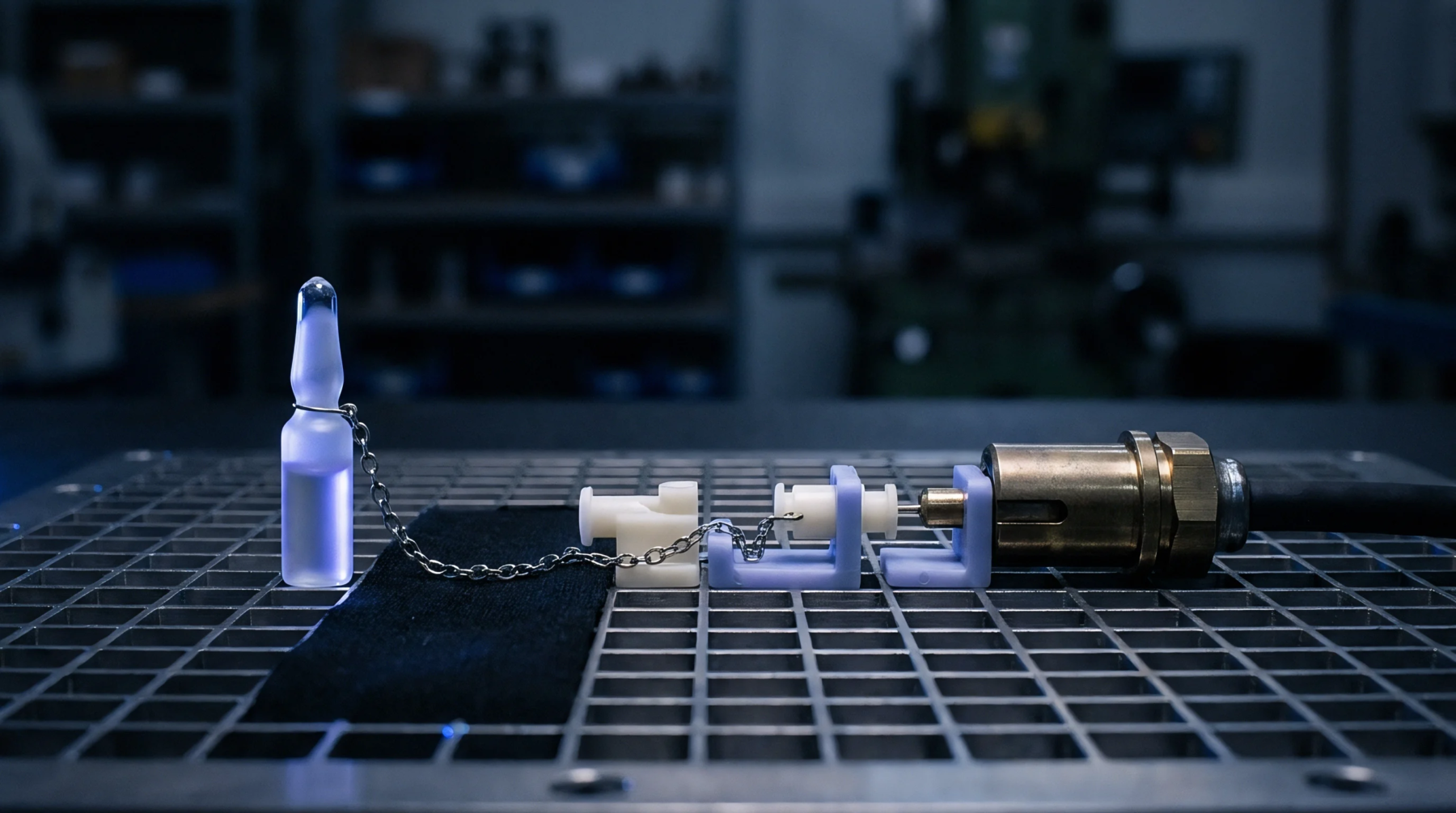
Quantifying polymer melt erosion across tool steels requires balancing matrix shear rate and substrate carbide fraction to extend insert operational life.

Predicting multi-cavity shutoff fatigue using Weibull B10 modeling prevents parting line flash by scheduling pre-load insert replacement before steel spalling occurs.

Structure high-cavitation tooling capital through modular inserts and explicit true-up clauses to eliminate unamortized debt exposure during demand swings.
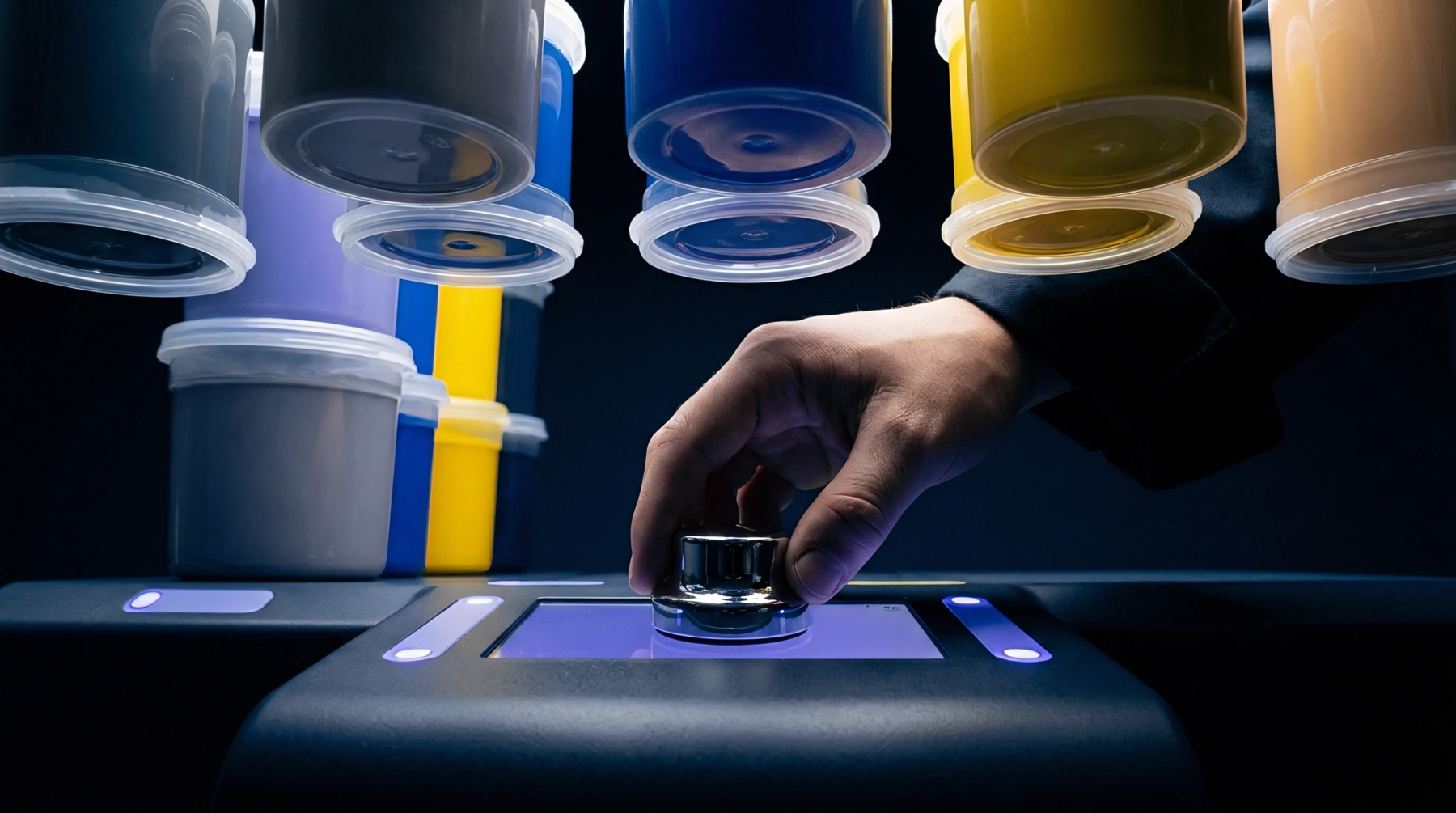
Match tool steel hardness and chemistry directly to committed shot counts and resin abrasiveness to prevent premature cavity failure and tooling cost overruns.

Calibrate CMM restraint fixtures by matching datum locators to nominal CAD and regulating clamping forces to eliminate non-rigid part deflection.

Secondary tooling nests for glass-filled polyamide accommodate anisotropic shrinkage through floating datum pins aligned with transverse contraction vectors.

Finite element strain energy compensation mathematically subtracts gravitational sag from unrestrained optical scans to verify true part warpage without fixtures.

Cross-border injection mould bailment requires progressive title vesting, registered public security filings, and explicit lien waivers before moving steel.
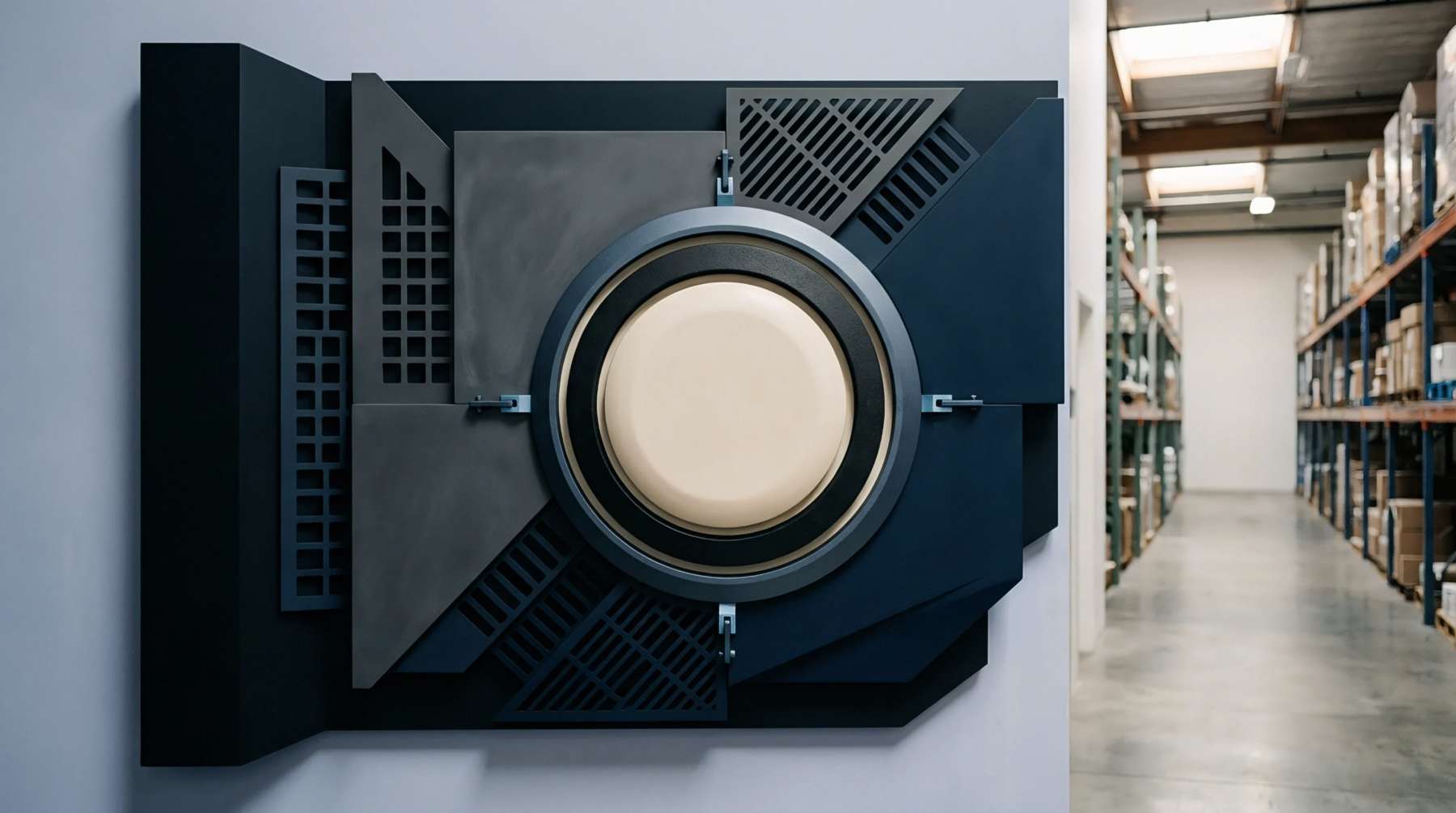
Plate flexure calculation and support pillar pre-charging prevent parting line flash by maintaining structural deformation below resin flow thresholds.
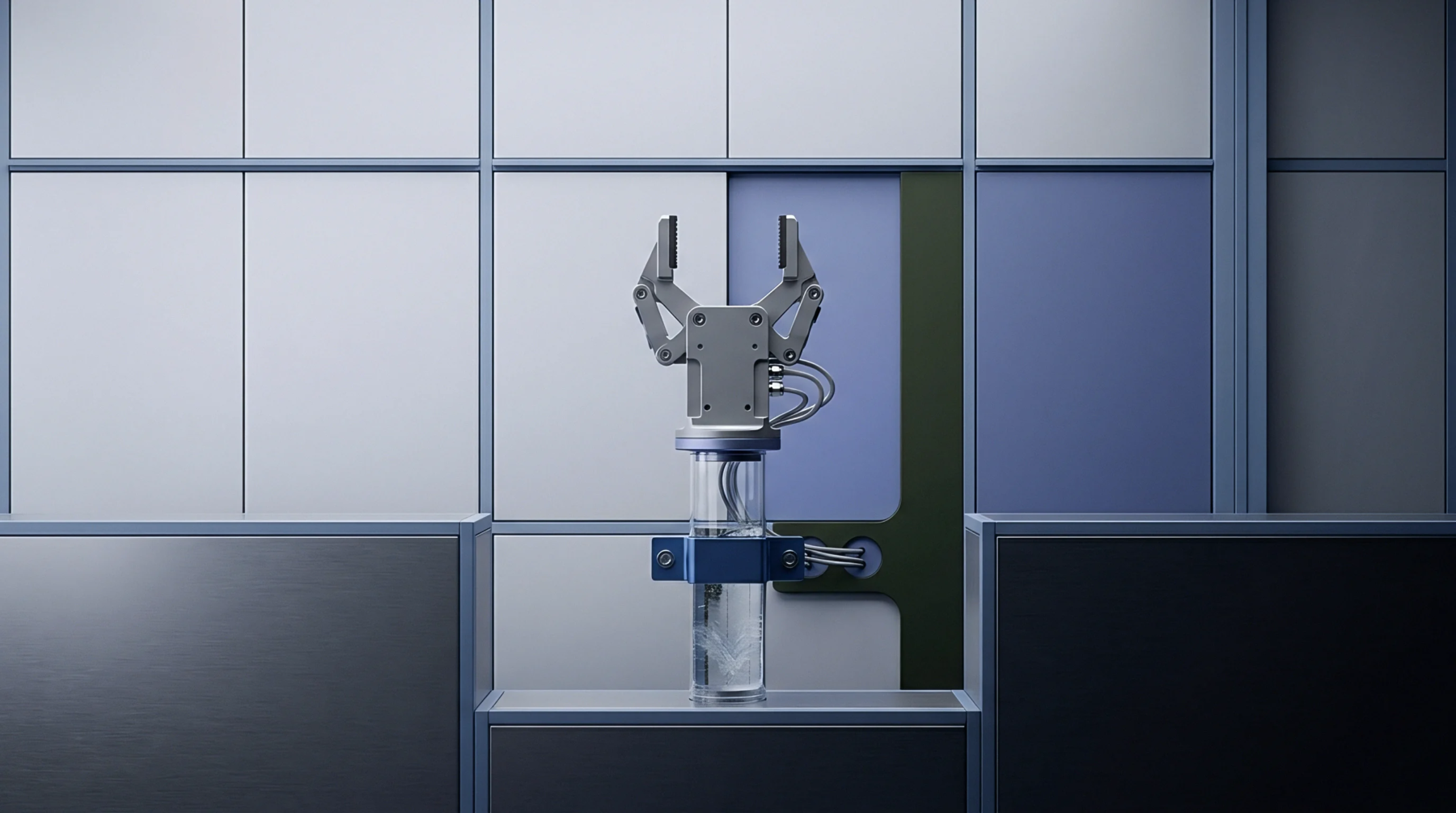
Real-time hydraulic and cavity pressure integral evaluation isolates sub-gram part variations within a 10-millisecond window to automate defect rejection before mold open.

Laser weld fatigue is resolved by stripping recast white layers via micro-abrasion and tempering residual tensile stresses into compression.
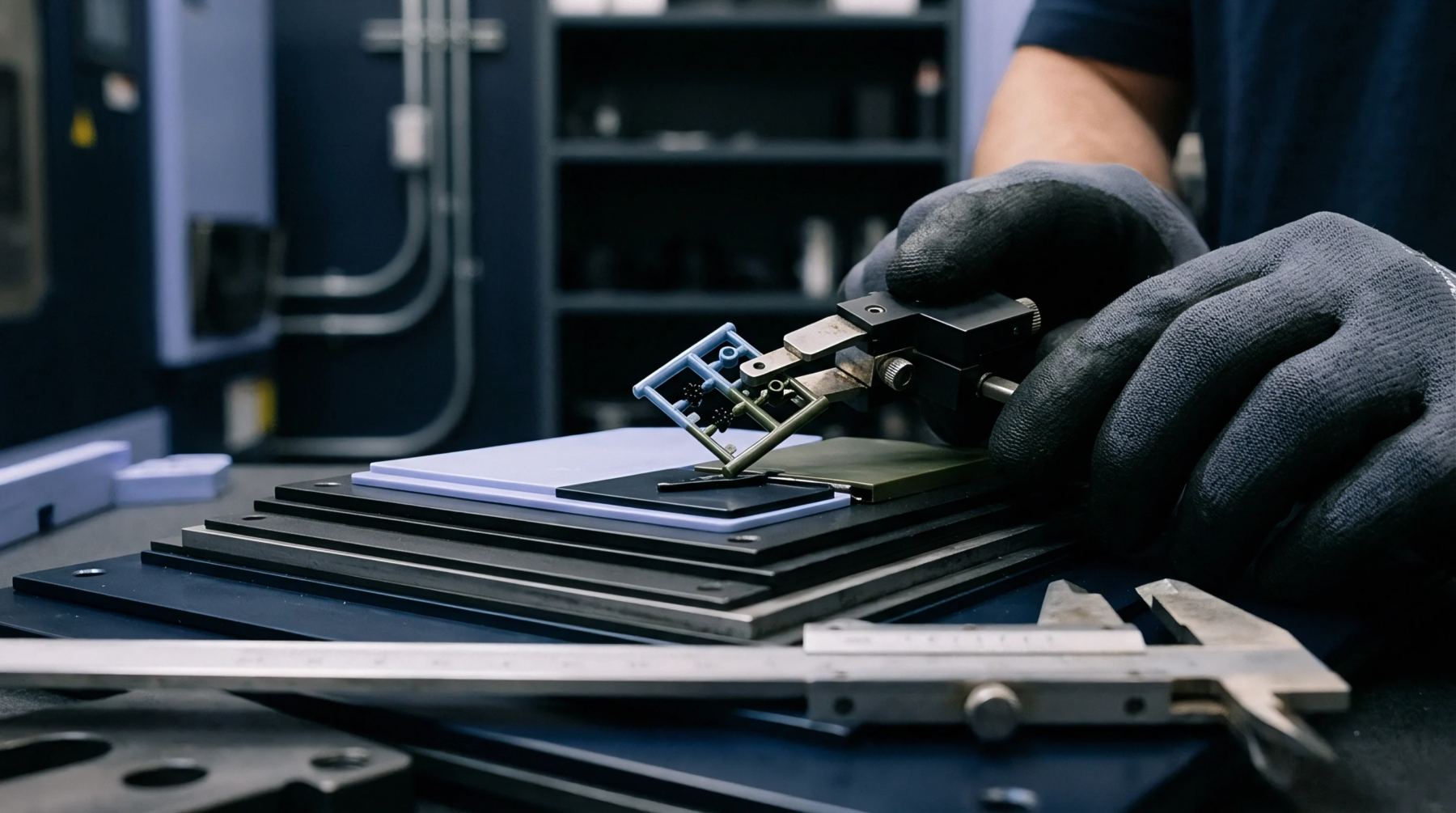
Cavity pressure measurement in micro-injection tooling decouples machine dynamics from cavity fill, eliminating part weight variance and micro-defects.
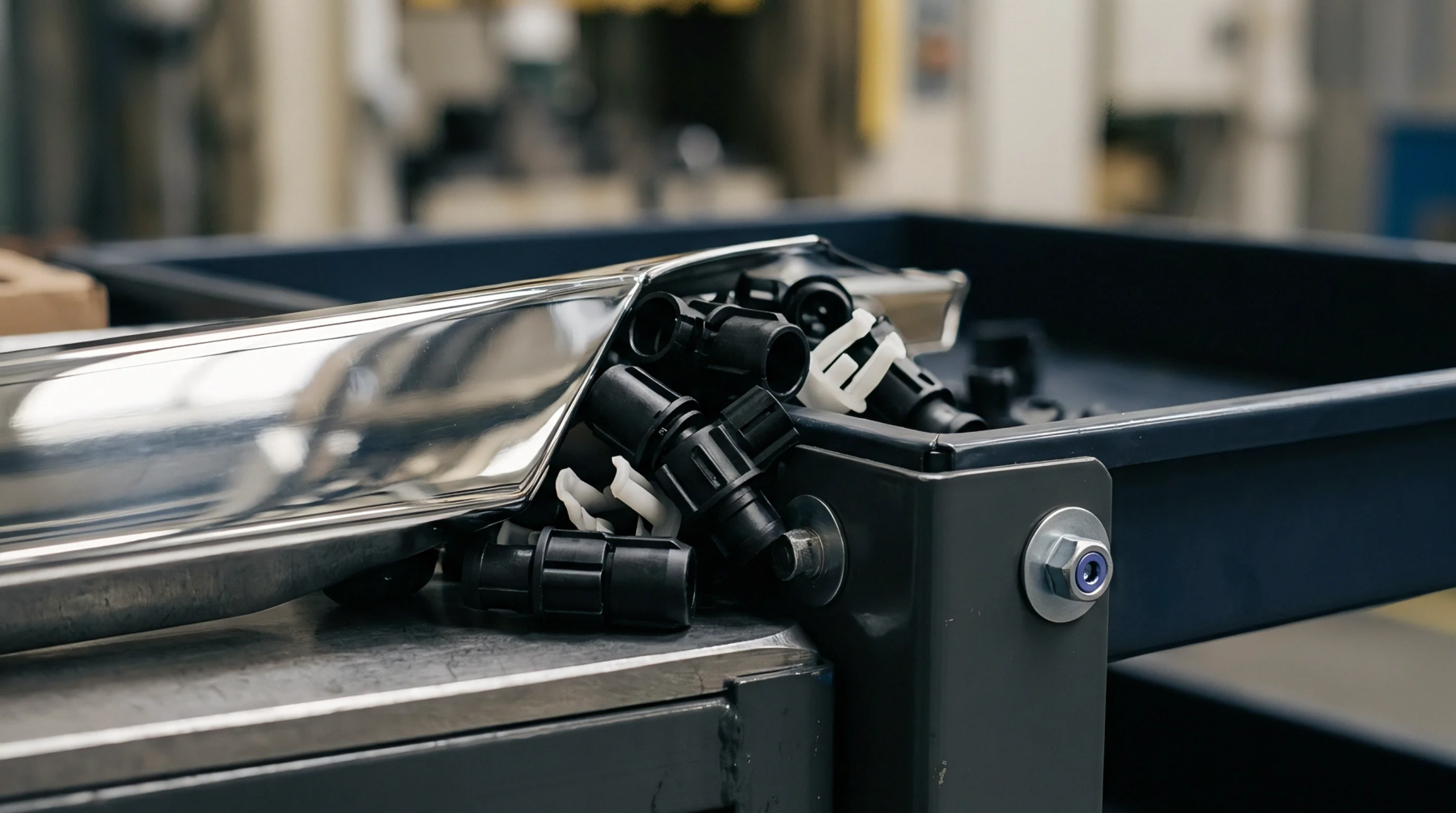
Differential thermal expansion on angled tool shut-offs demands precise cold-bench clearance relief to prevent parting line galling under clamp tonnage.
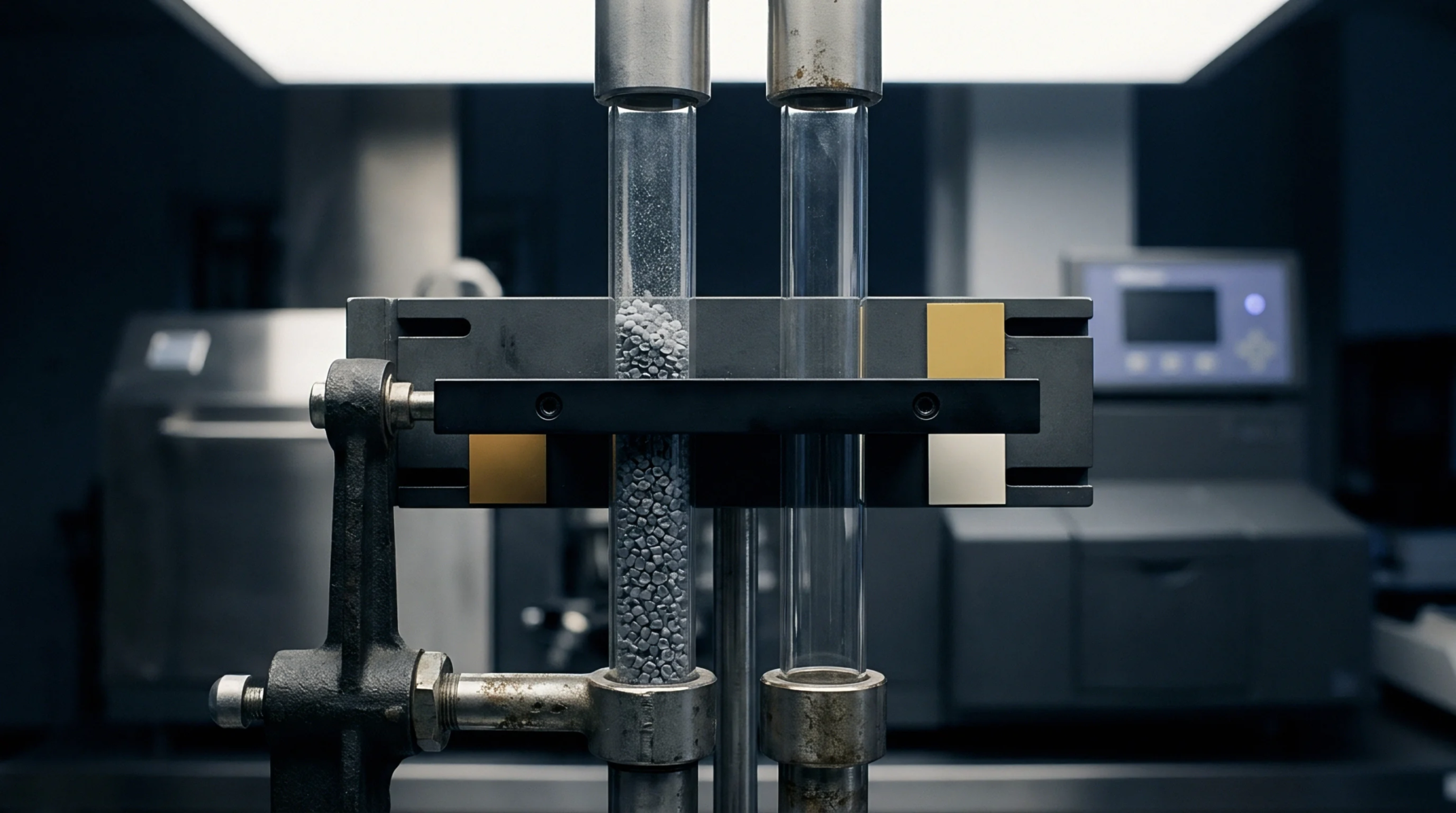
Mapping non-isothermal Moldflow orientation and thermal state variables to Abaqus structural meshes prevents structural failure prediction errors in short-fiber moulded components.

Wireless cavity pressure arrays quantify real-time rheological imbalance in multi-cavity molds to optimize tool steel tuning and eliminate scrap.
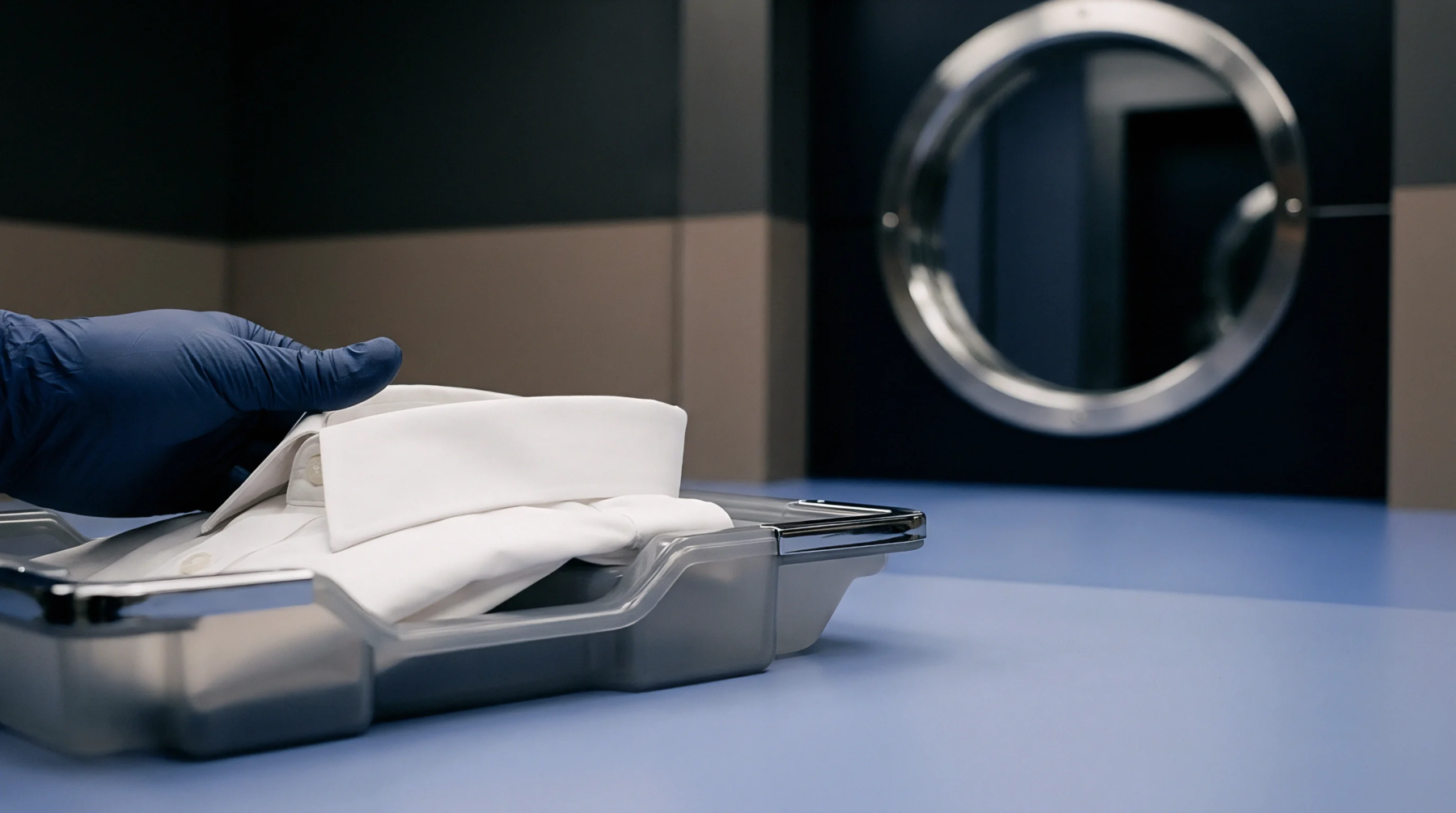
Cavity surface texture increases interfacial thermal contact resistance, delaying resin skin freeze and increasing semi-crystalline thermoplastic shrinkage.

Predicting long-term tensile creep modulus drop requires combining ISO 899-1 creep data with time-temperature superposition and fiber orientation tensor modeling.

Optimize wall transitions and gate freeze timing to control volumetric shrinkage, preventing skin collapse over thick thermal cores in non-uniform thermoplastic parts.

Uniform wall thickness design balances polymer flow, prevents shrink defects, cuts cycle times, and reduces landed part cost in injection moulding tools.

Implement press-side optical profilometry and statistical Cpk limits to track hardened shutoff land recession, triggering precision refurbishment before resin flash occurs.

Resolving rheological imbalance in high cavitation manifolds demands shear-decoupled runner geometry, active zone heating, and cavity pressure monitoring.
Subcontractor possessory liens and statutory insolvency stays lock down offsite injection tooling unless owners perfect security filings and enforce bailment waivers.

Standardizing cross-facility metrology on ultrasonic fixtures demands kinematic datum registration, thermal artifact scaling, and dynamic trigger force validation.
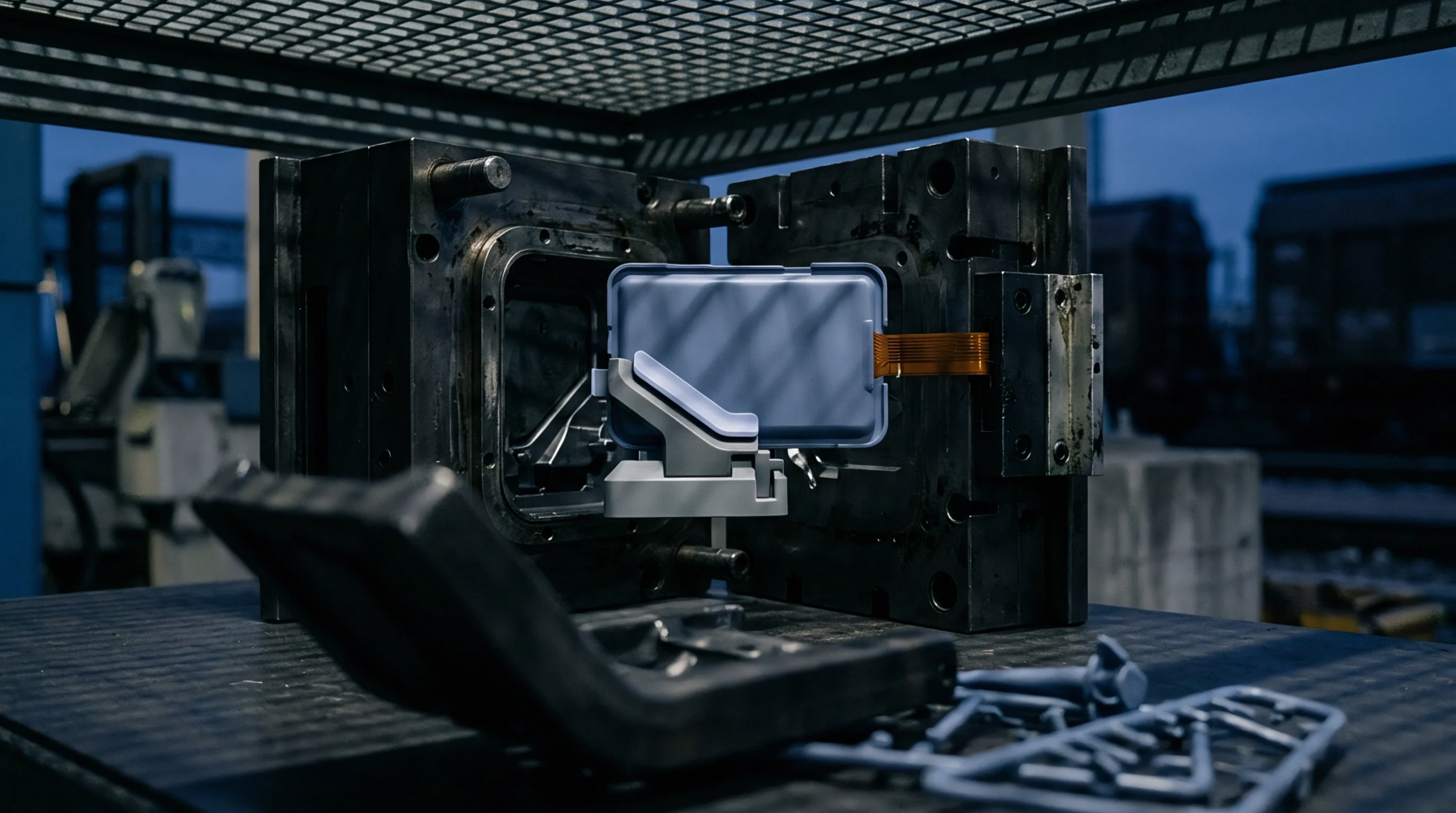
Cooling circuit design dictates actual injection cycle time; quotes assuming unrealistically fast cooling cause part warpage or forced piece-price increases.

DIN 16742 defines nine tolerance grades based on resin shrinkage variance, requiring toolmakers to split tool-bound and parting-line tolerances during sign-off.
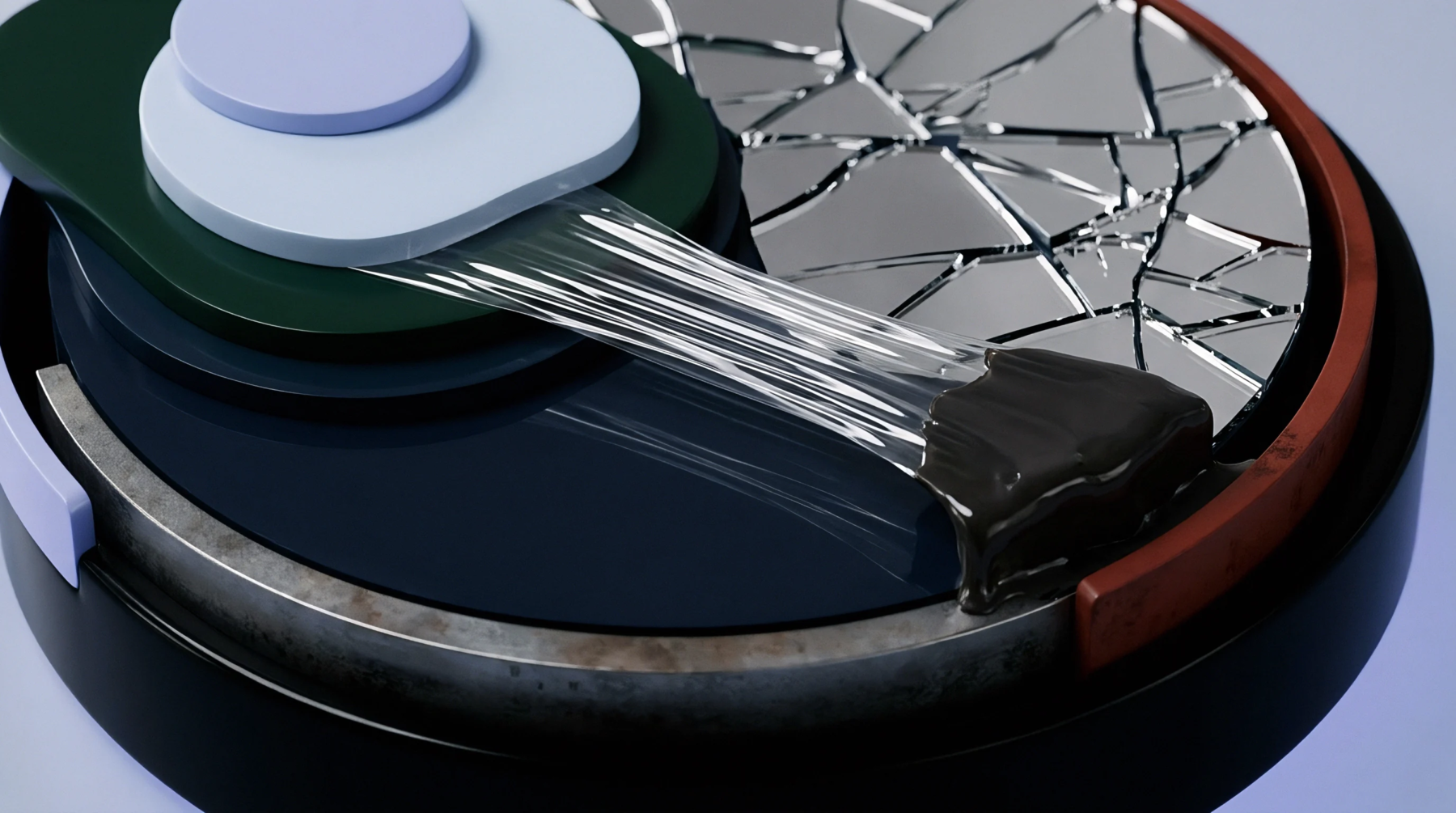
Predicting adiabatic shear banding during high-velocity preform inflation requires coupled thermomechanical models evaluating strain hardening against rate-dependent thermal dissipation.

Real-time telemetry latency compensation prevents micro-wall mould flash by adjusting press switchover commands for thermal and digital sensor delays.

Evaluate differential thermal growth and land area stress to set accurate cold preload gaps and prevent parting line compression yield in high-cavitation tools.
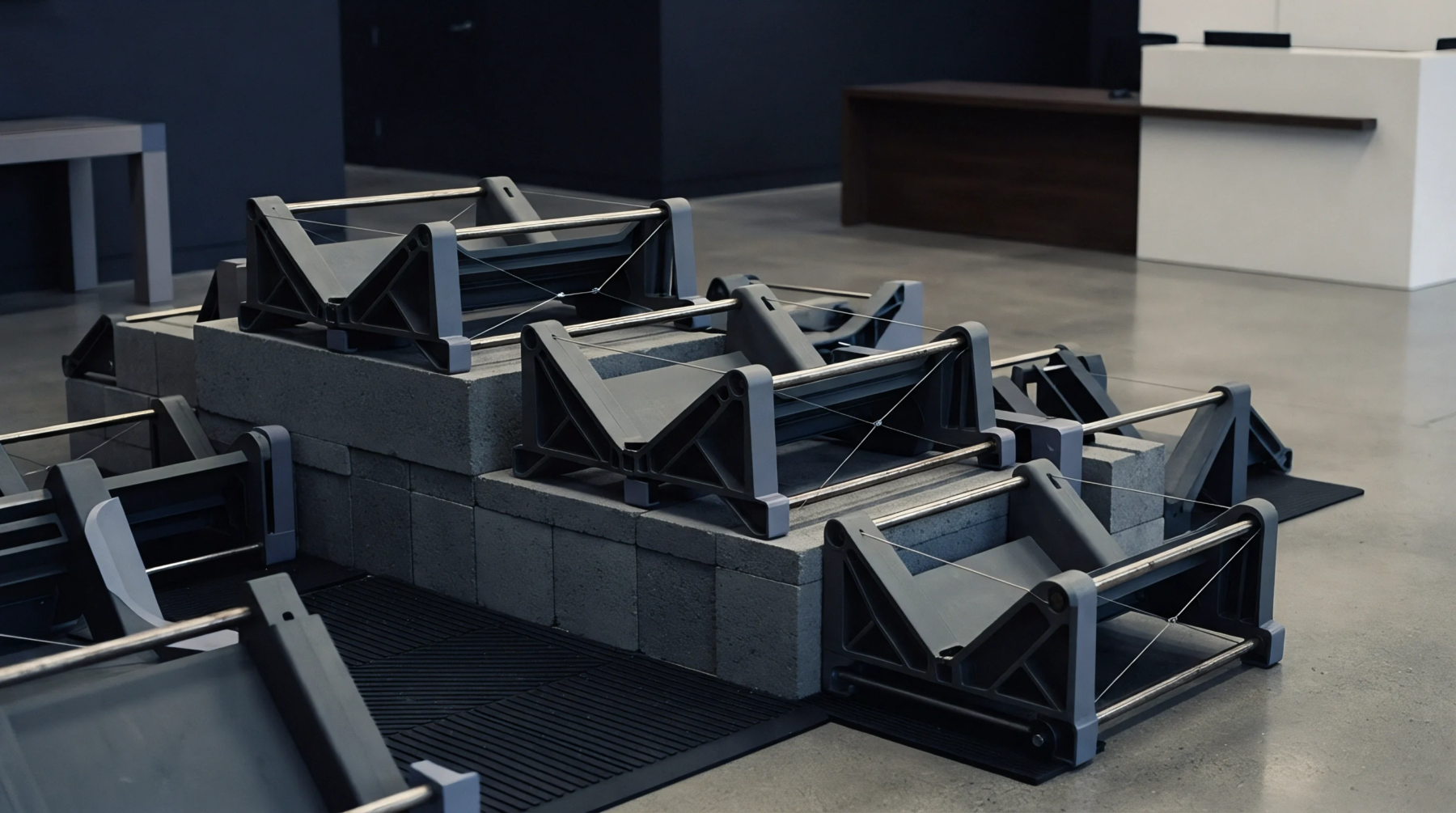
Dynamic multi-stage holding pressure profiles control core fiber relaxation, reducing transverse shrinkage differentials in glass-filled polyamide components.
Expertise is a utility, not a secret. sentiention™ publishes its working knowledge as open reference: intelligence layer covering the materials it sources, the markets it enters, and the reference that serves both.