
Uniaxial Tensile Test Limitations in Amorphous Polymer Engineering
Uniaxial tensile test data fails to predict brittle fracture in amorphous polymers where internal radii, weld lines, and packing stresses induce multiaxial loads.
Uniaxial tensile test data fails to predict brittle fracture in amorphous polymers where internal radii, weld lines, and packing stresses induce multiaxial loads.

Coupled thermo-mechanical plate deformation dictates parting breathing and cavity flash, requiring pre-loaded support columns and strict deflection limits.
Calculate support column interference to generate active pre-compression exceeding peak dynamic cavity separating forces before injection switchover occurs.
Plate deflection must remain under resin flash limits (typically 0.02 mm) by sizing plate thickness to the third power and preloading center support pillars.
Dynamic micro-gap formation drops interfacial heat transfer from 2800 to 240 W/(m²·K), adding unbudgeted cycle seconds unless checked by cavity pressure control.
Calibrating pressure-dependent interfacial heat transfer coefficients eliminates cooling simulation drift and stabilizes cycle times within tight tolerance limits.

Cavity pressure decay progression in cooling governs volumetric shrinkage and dimensional tolerance, establishing process capability before tool opening occurs.
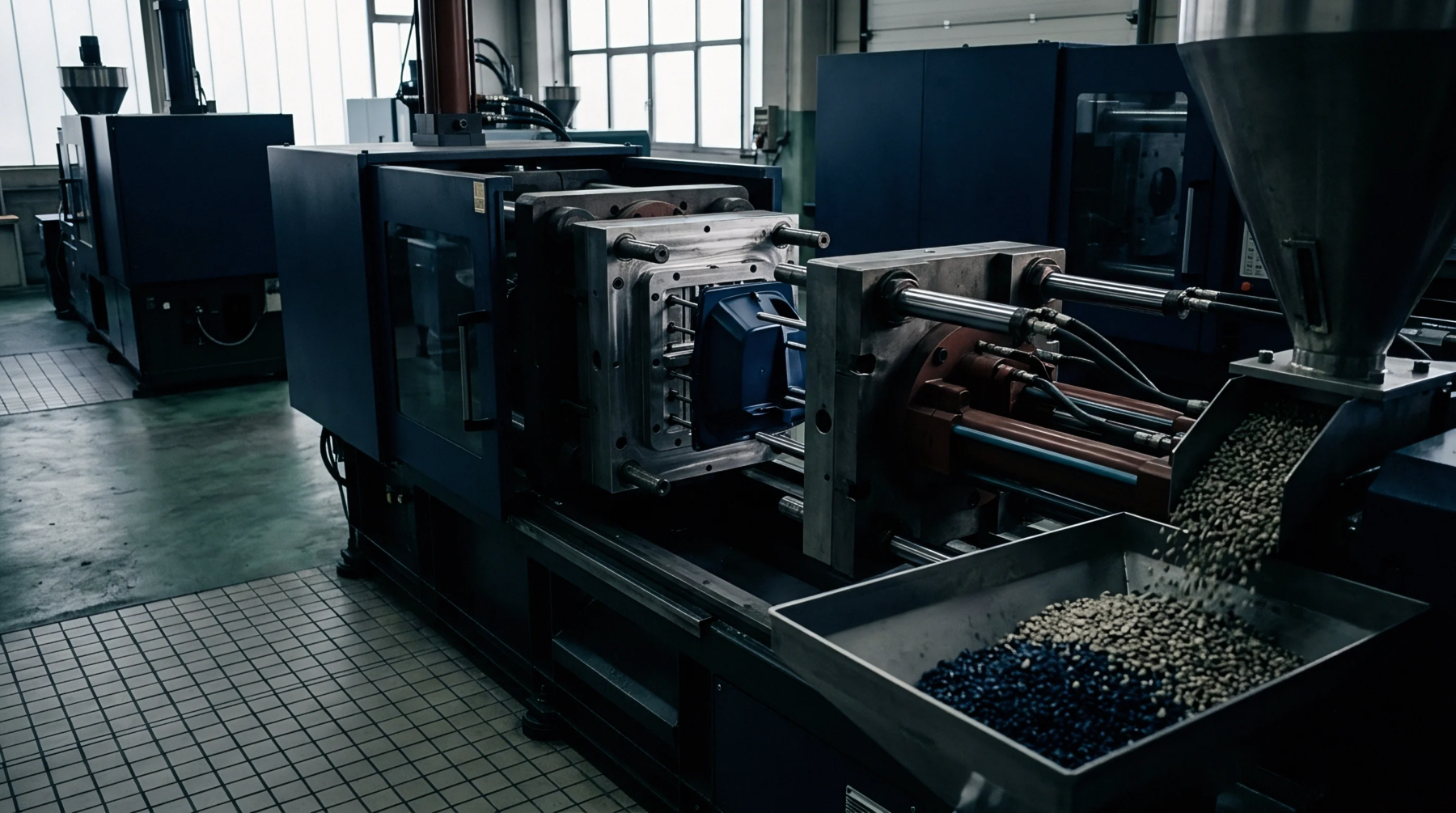
Dynamic cavity pressure integral analysis detects transient viscoelastic flow drift across high-cavity tooling, isolating hydraulic press valve instability.
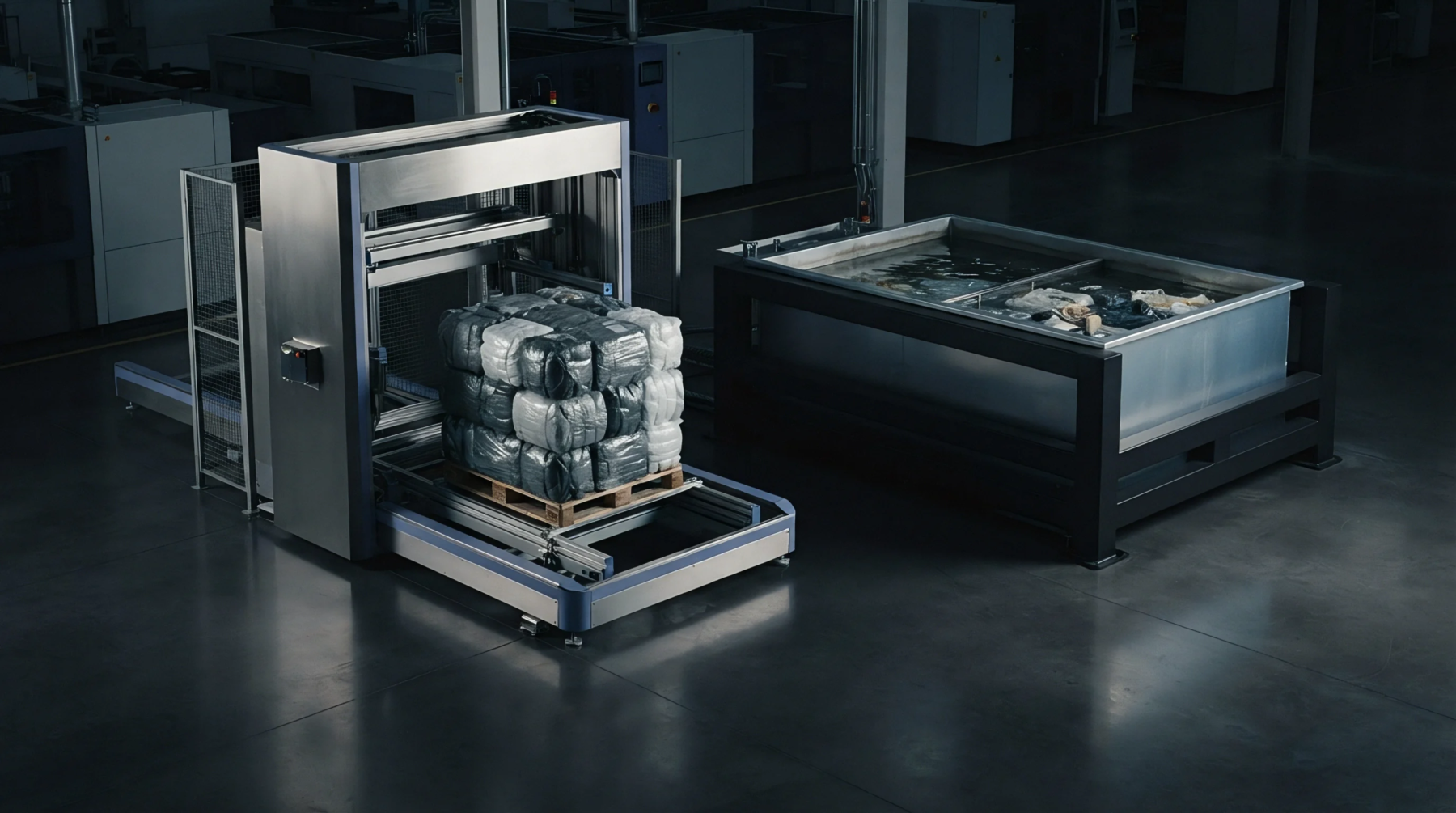
Dynamic cavity pressure integration enables real-time verification of part density and triggers millisecond-response scrap gates before mould opening.
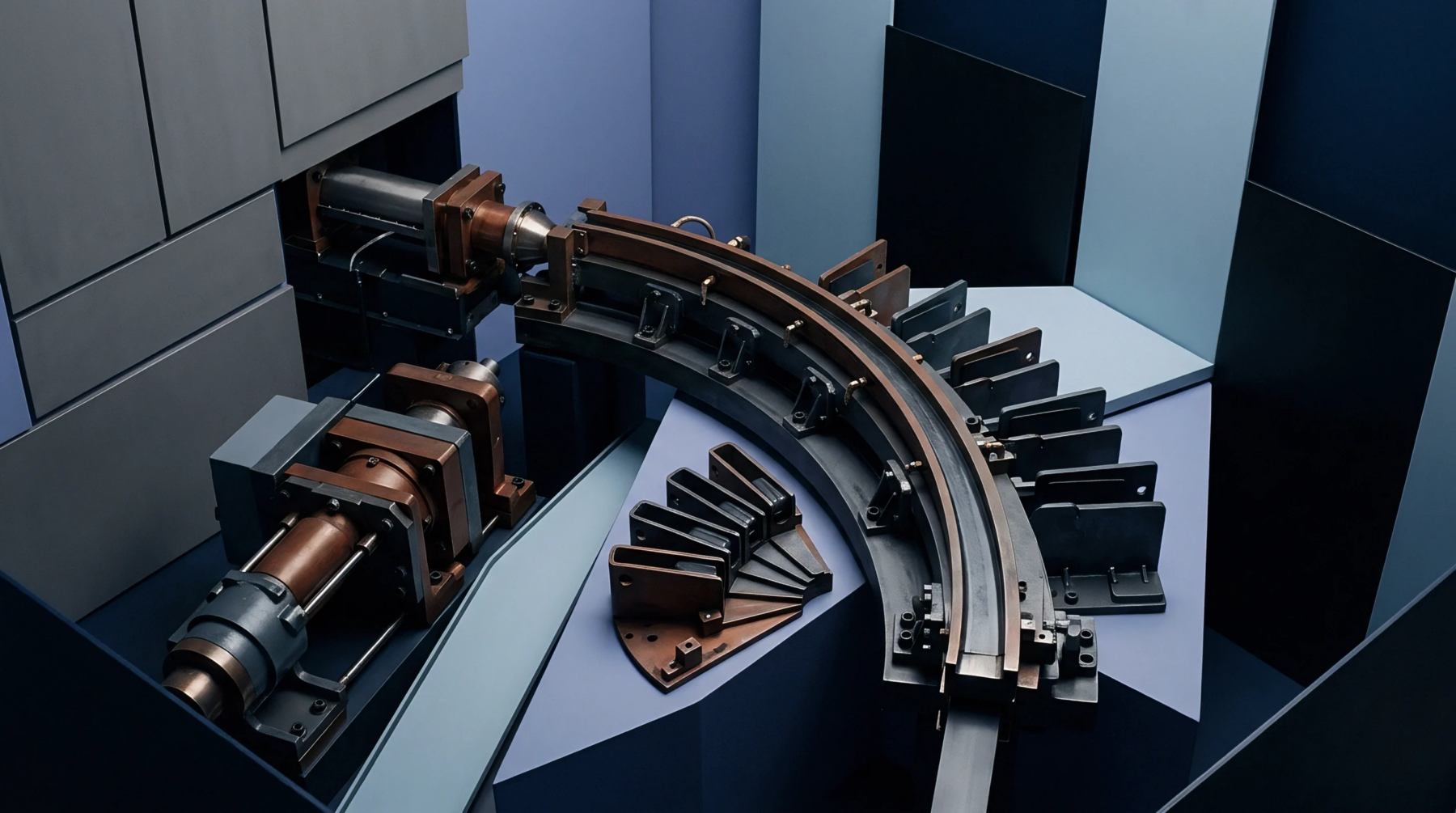
Real-time cavity pressure monitoring directly senses melt compression to decouple filling stages, stabilize part weight, and automate scrap sorting at the press.
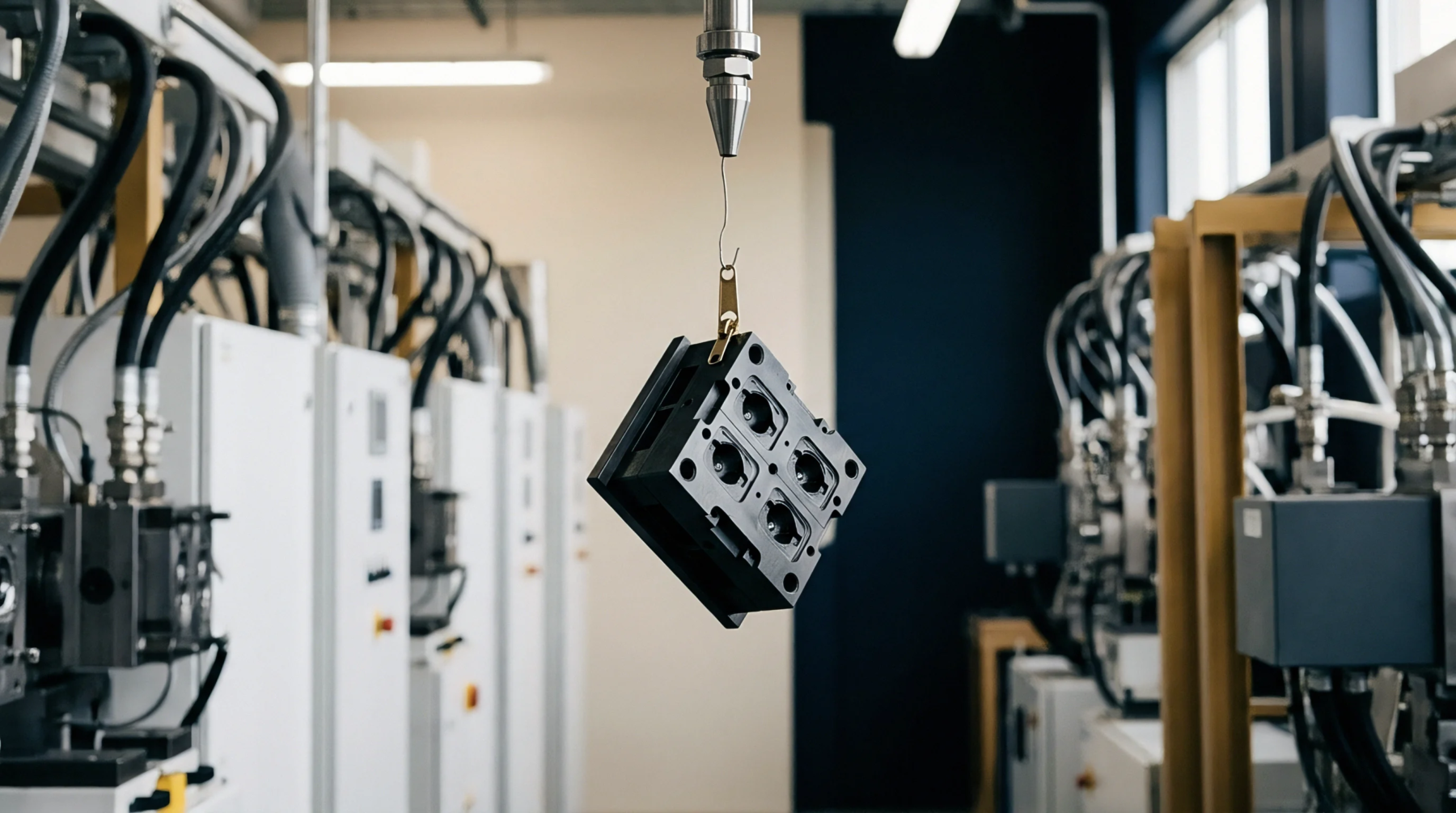
Resolve foreign moulder liens by perfecting local bailment registrations, permanently riveting asset tags to the steel, and utilizing third-party escrow.

Cross-border tool bailment demands public registry filings, deep steel mechanical engraving, milestone-based Capex title vesting, and encrypted cycle telemetry.
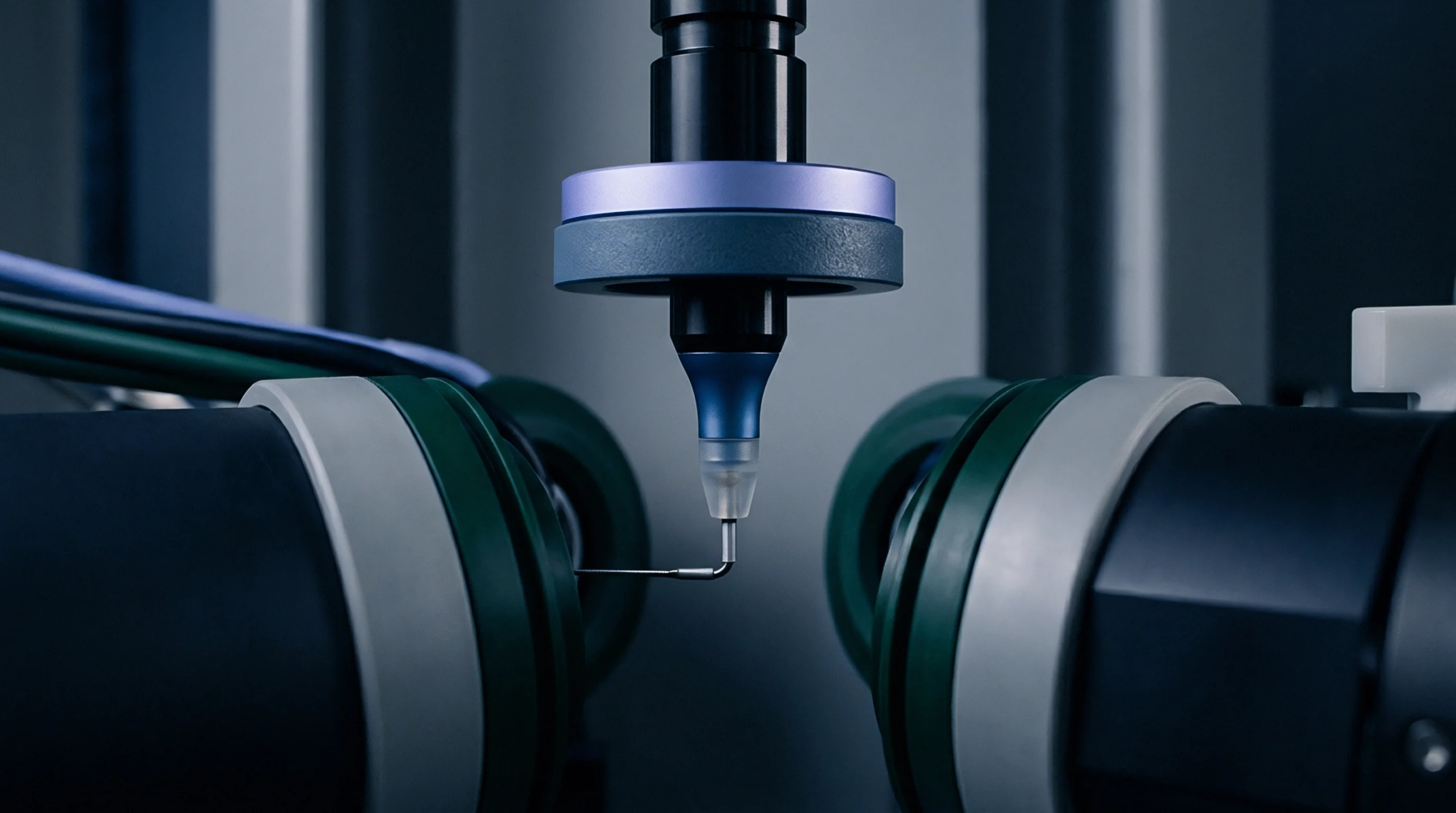
Dynamic thermal drift in micro-moulding cavity sensors is mitigated by optical dual-cavity decoupling and real-time Fiber Bragg Grating temperature subtraction.
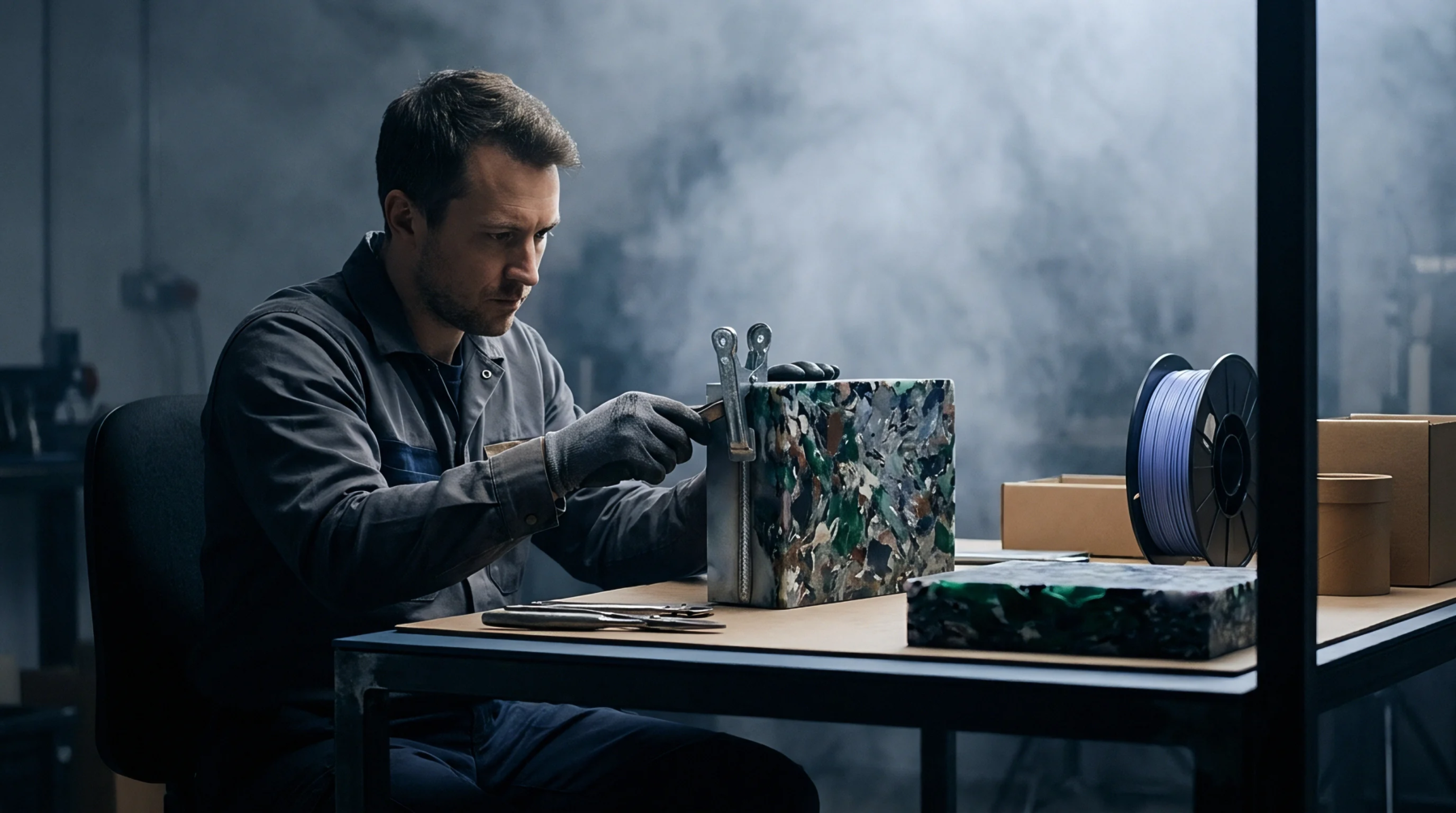
Integrating piezoelectric sensors into high cavitation micro tools requires precise pocket fits, shielded wiring, and 10 kHz logging to balance filling across pins.
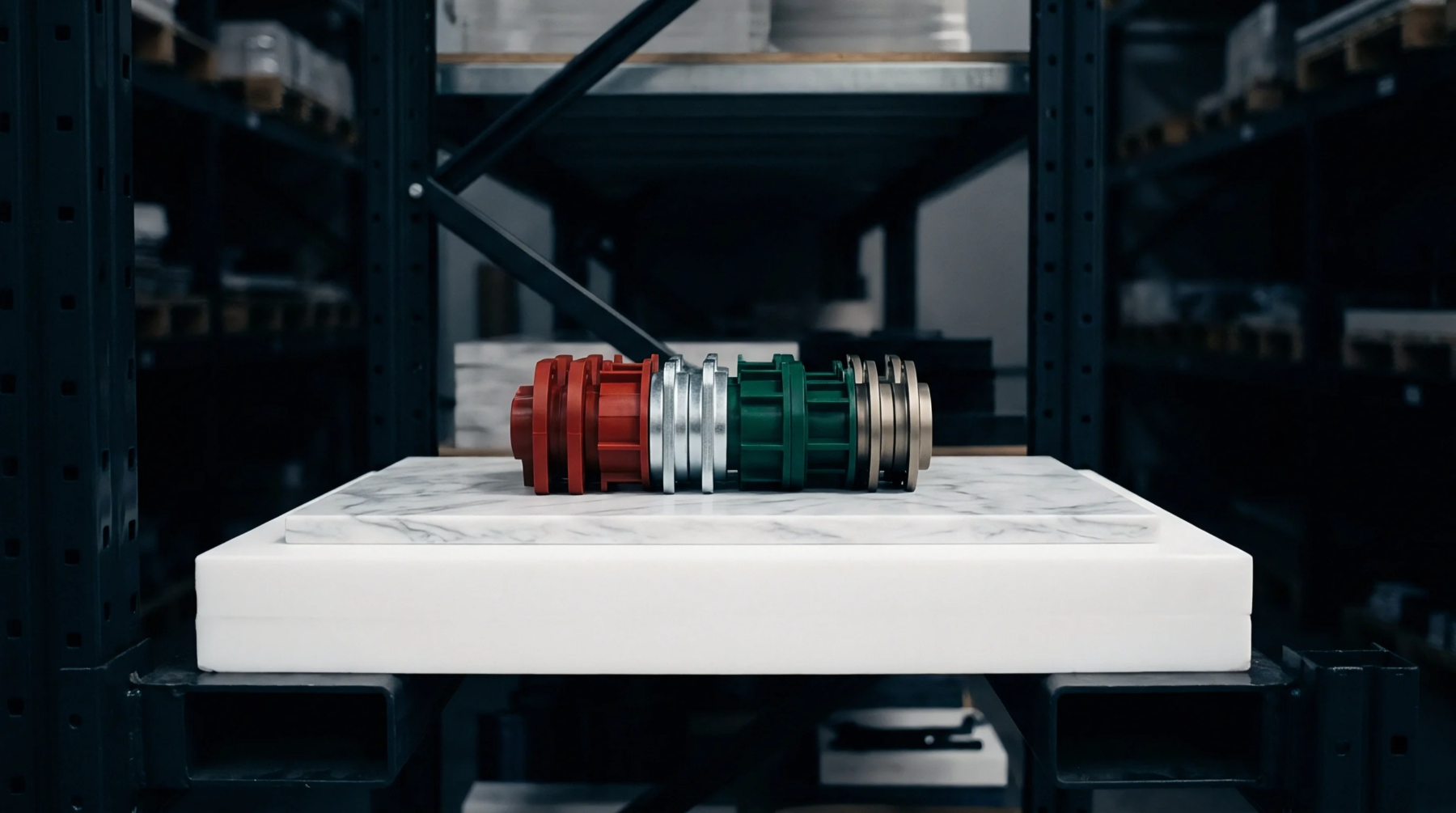
Micro injection mould tooling setup requires sub-micron bolster alignment, vacuum venting, balanced thermal profiles, and strict clamp tonnage limits.
Slide running clearance must absorb net thermal growth between carrier and bolster steel, calculated via length, expansion coefficients, and operating delta.
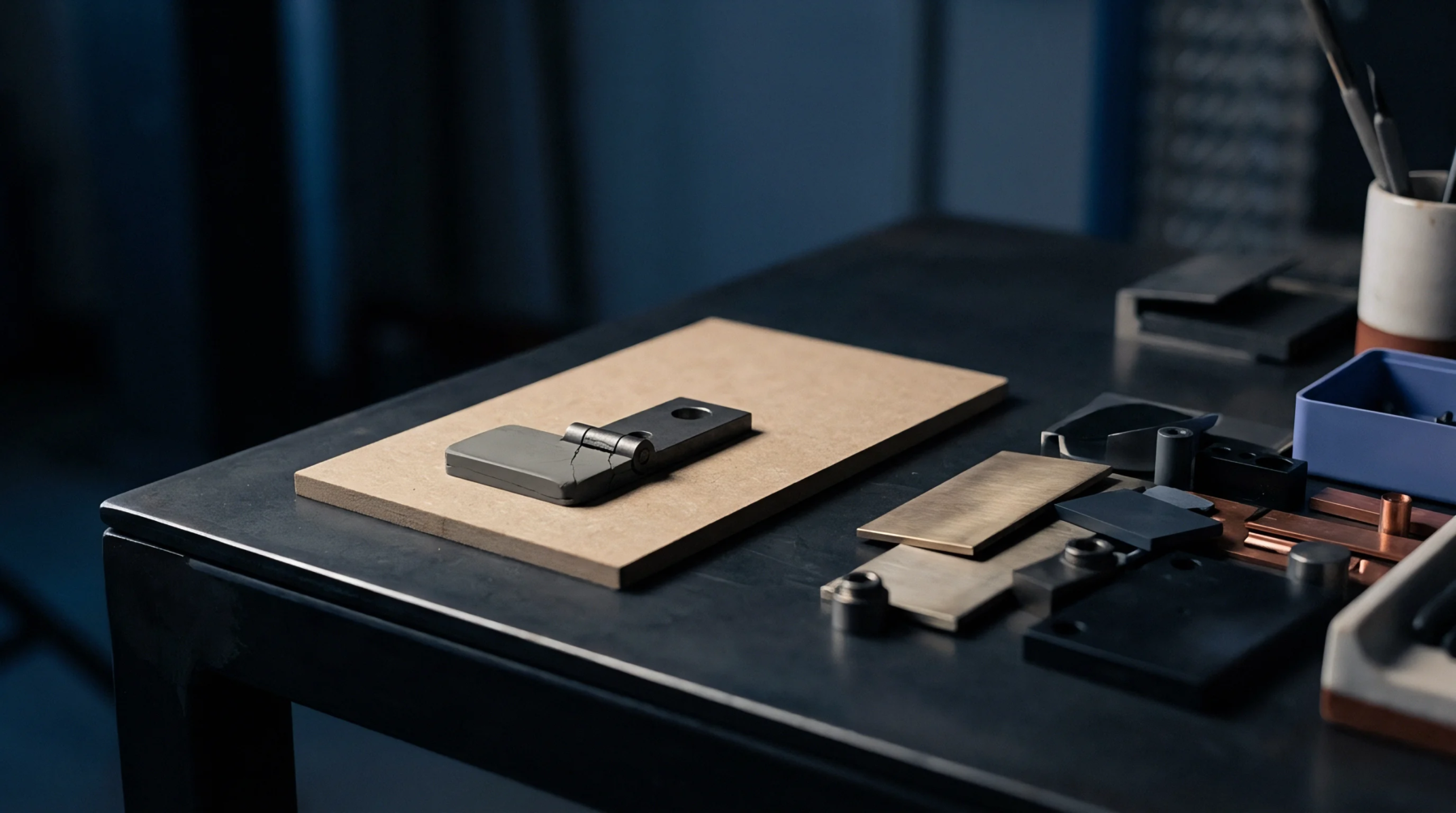
Angled shut-offs require minimum seven-degree draft, differential metallurgy, and stop-pad pre-loads to seal within eighty percent of resin flash thresholds.
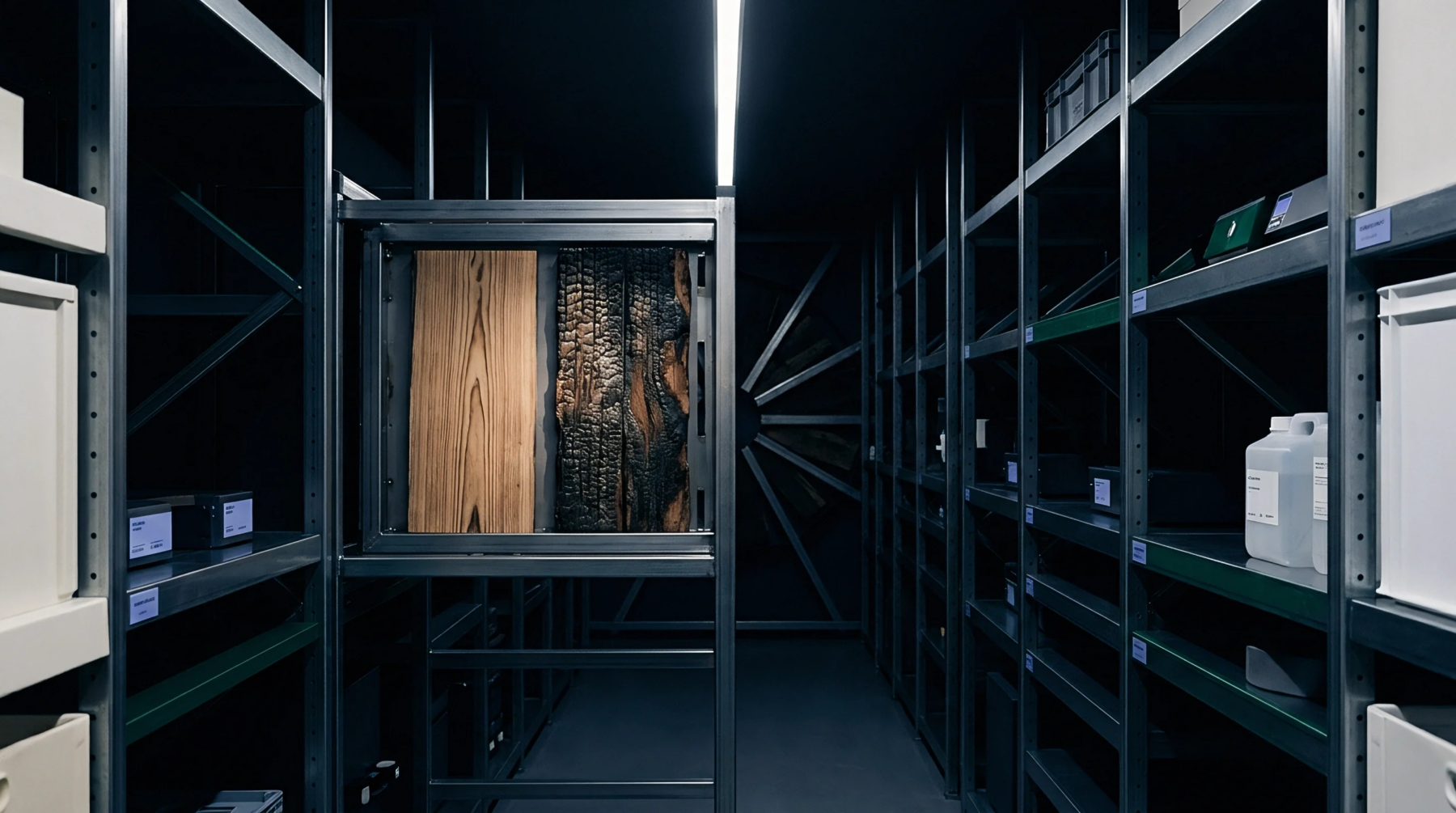
Weld line biaxial fatigue resistance requires sequential valve gating or variotherm tooling to eliminate severe matrix-dominated knockdown under cyclic thermal strain.
Map injection moulding flow tensors into Abaqus using Hill plasticity to resolve polypropylene anisotropy and prevent premature structural failure.
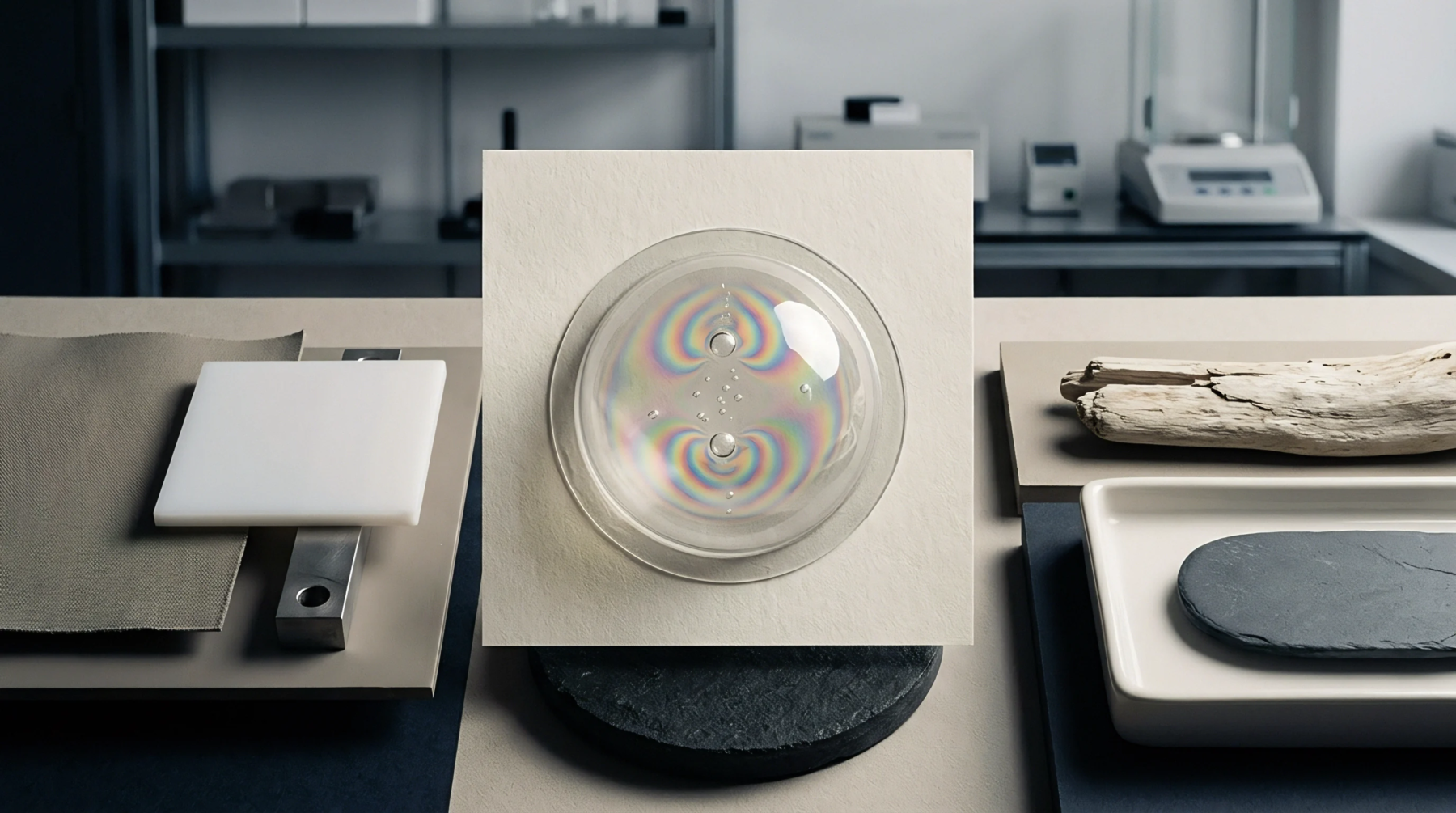
Optical scanning and calibrated pressure foil convert shutoff land inspection into digital metrics, securing flash-free runs on high-cavitation tools.
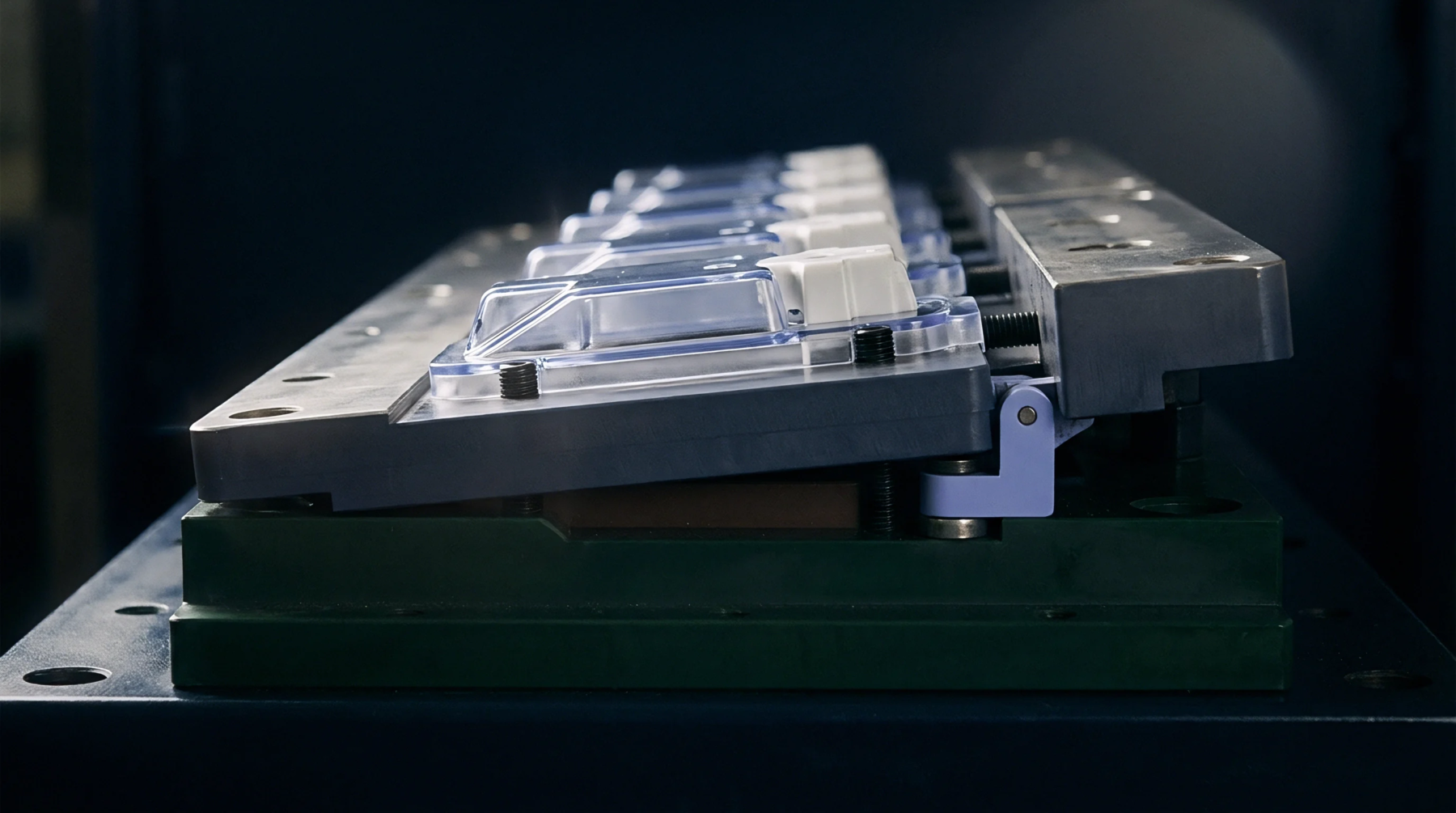
Angled hydraulic shutoffs demand deliberate cold clearances and mechanical preloads to balance thermal expansion against frame deflection and prevent flash.
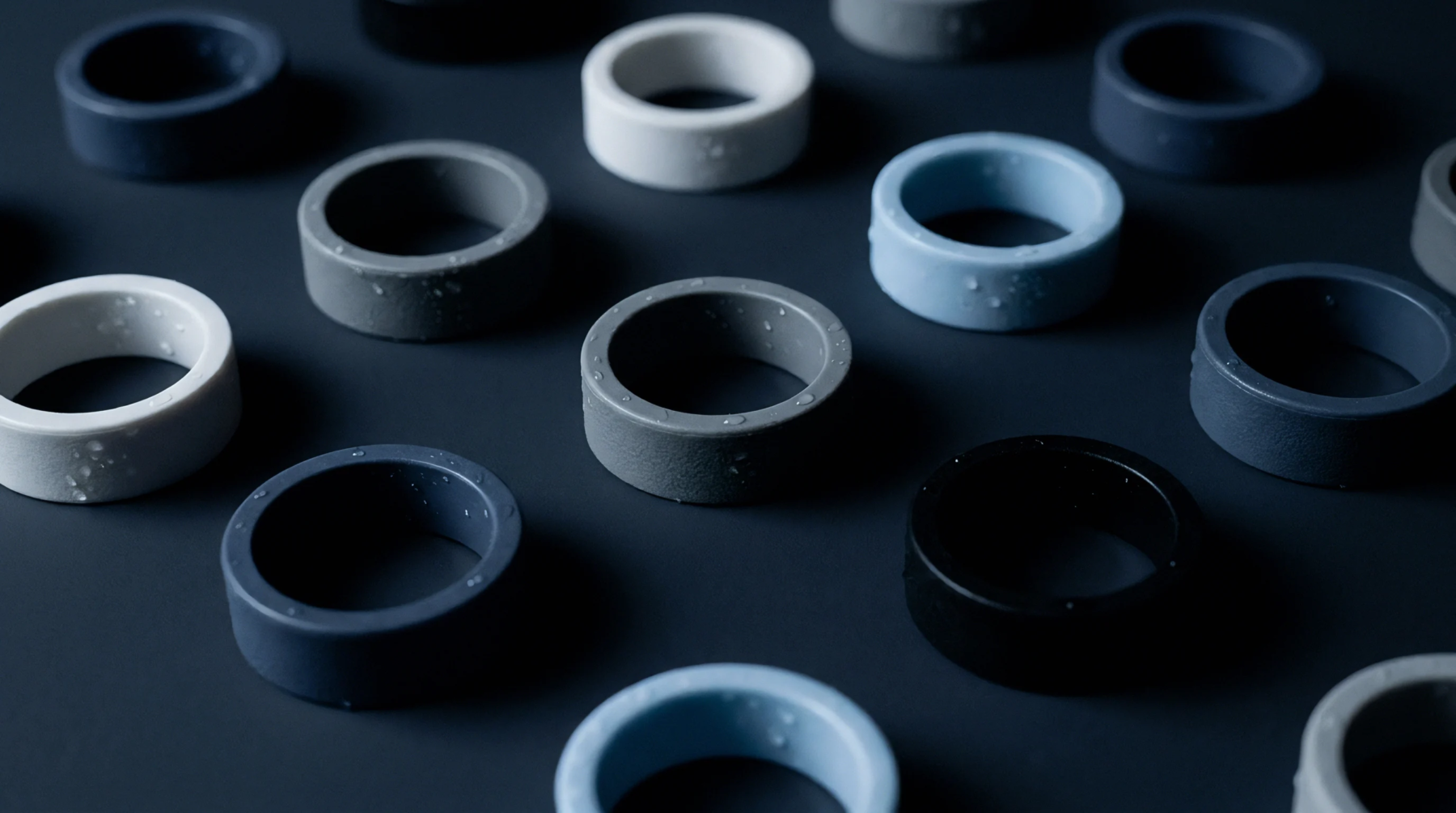
Verify shutoff lands by balancing land contact area to machine tonnage and confirming 85 percent contact via pressure film and hot-mold wire crush testing.
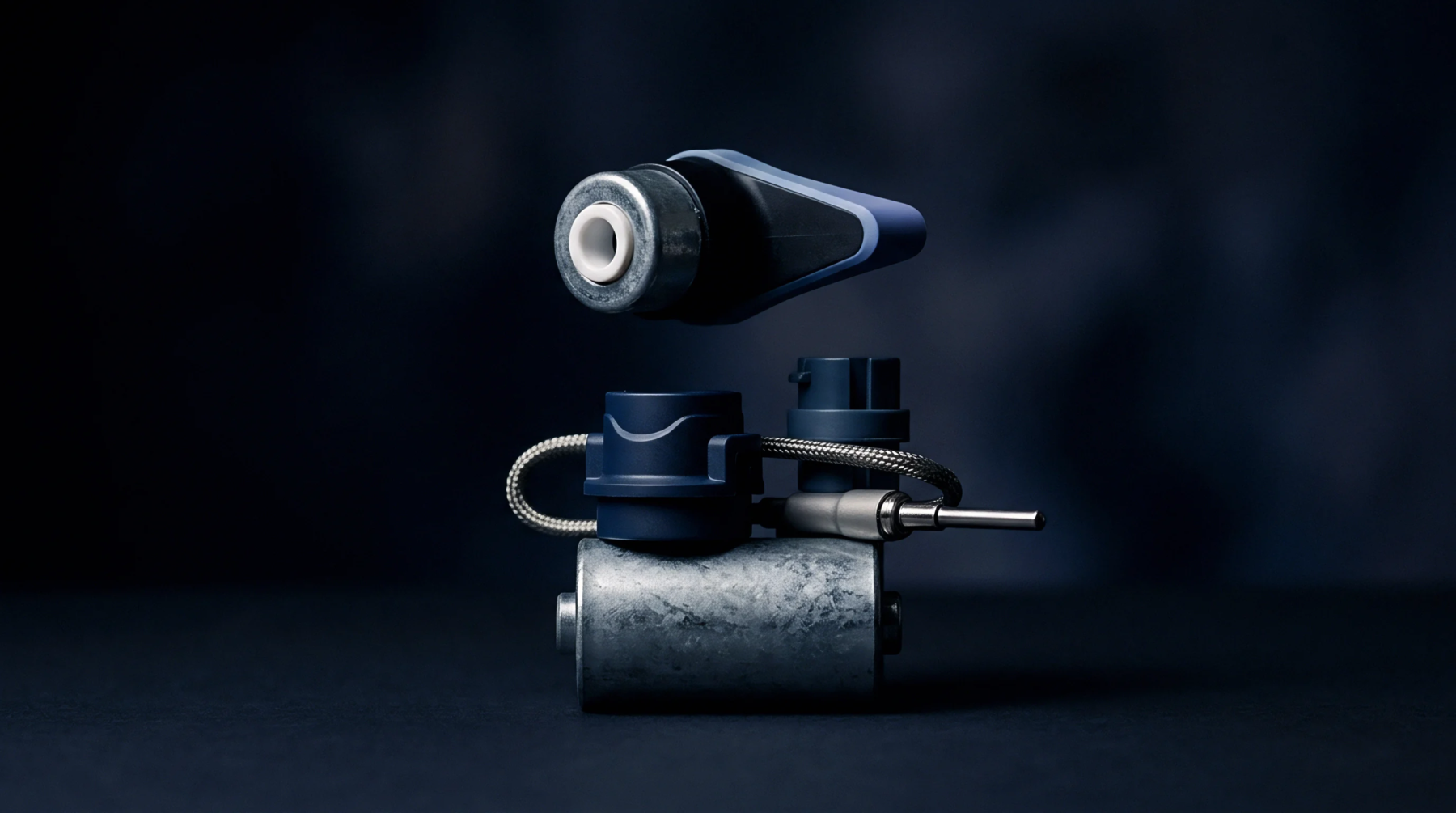
Trans-steel sensor arrays require dielectric waveguides or acoustic paths to bypass extreme RF loss, maintaining a 15 dB link margin under full clamp tonnage.
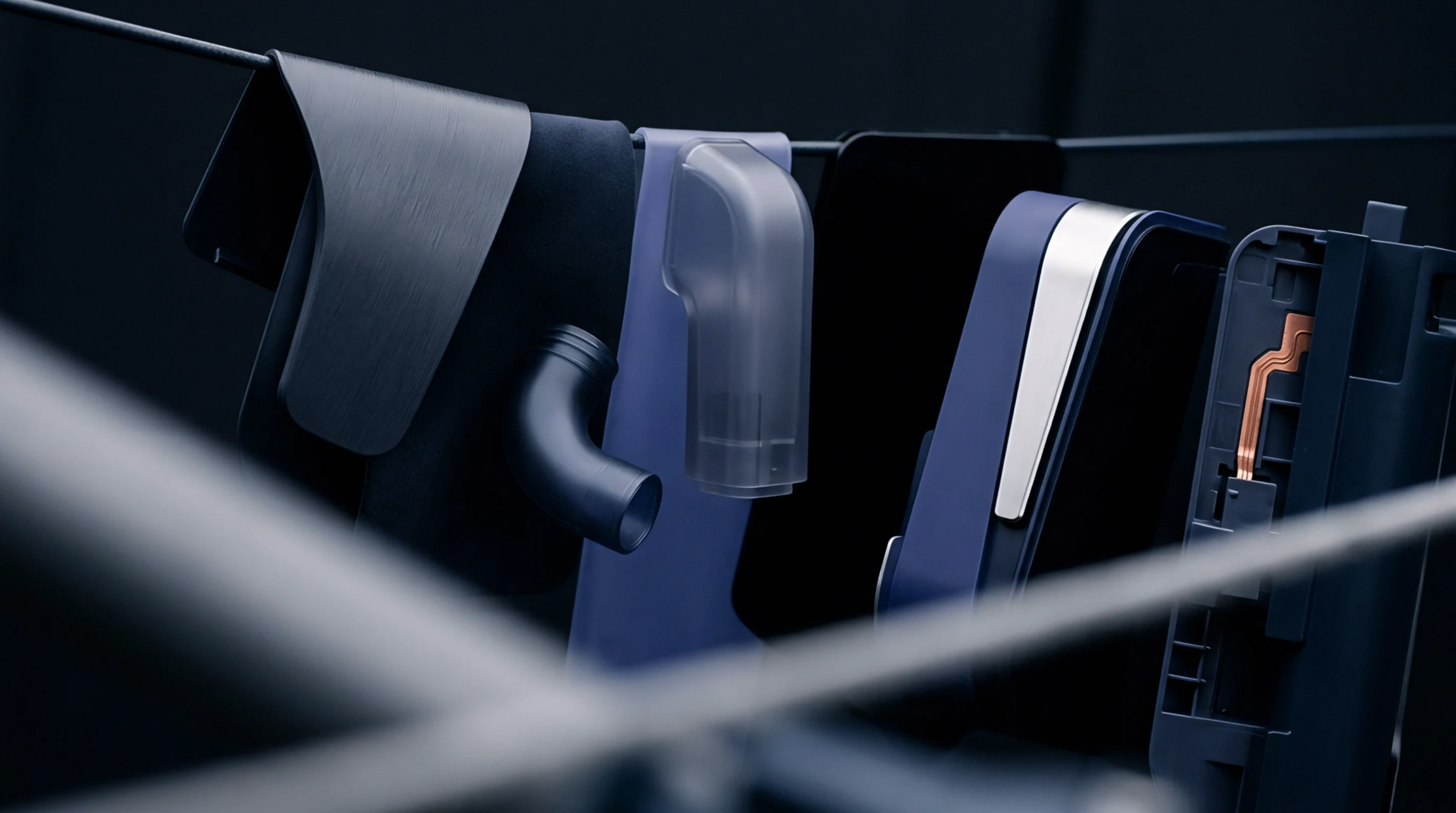
Rigid sensor pocket tolerances and in-press dynamic charge calibration isolate melt viscosity shifts from thermal pin deflection across multi-cavity tools.
Rheological runner balancing uses melt rotation inserts to equalize thermal shear layers across runner branches, preventing filling imbalances across cavities.

Dynamic interfacial thermal resistance models coupled with anisotropic shrinkage tensors prevent dimensional sizing errors in precision injection tooling.
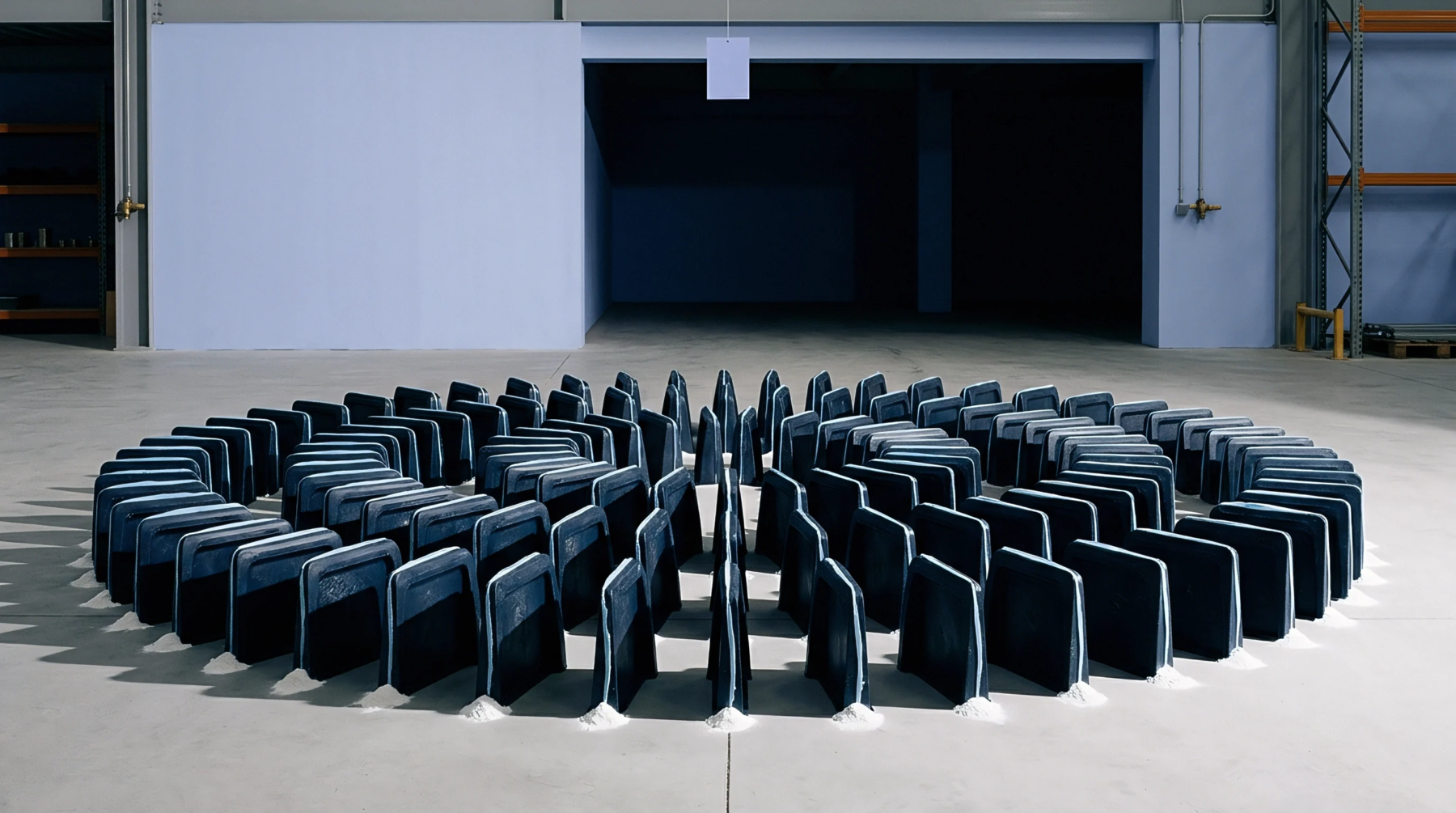
Interfacial air entrapment slashes local heat flux by eighty percent, triggering localized spherulitic expansion that drives severe dimensional warpage.

Cavity surface roughness traps micro-voids that raise interfacial thermal resistance, requiring higher packing pressure or finer polishing to prevent cycle drag.
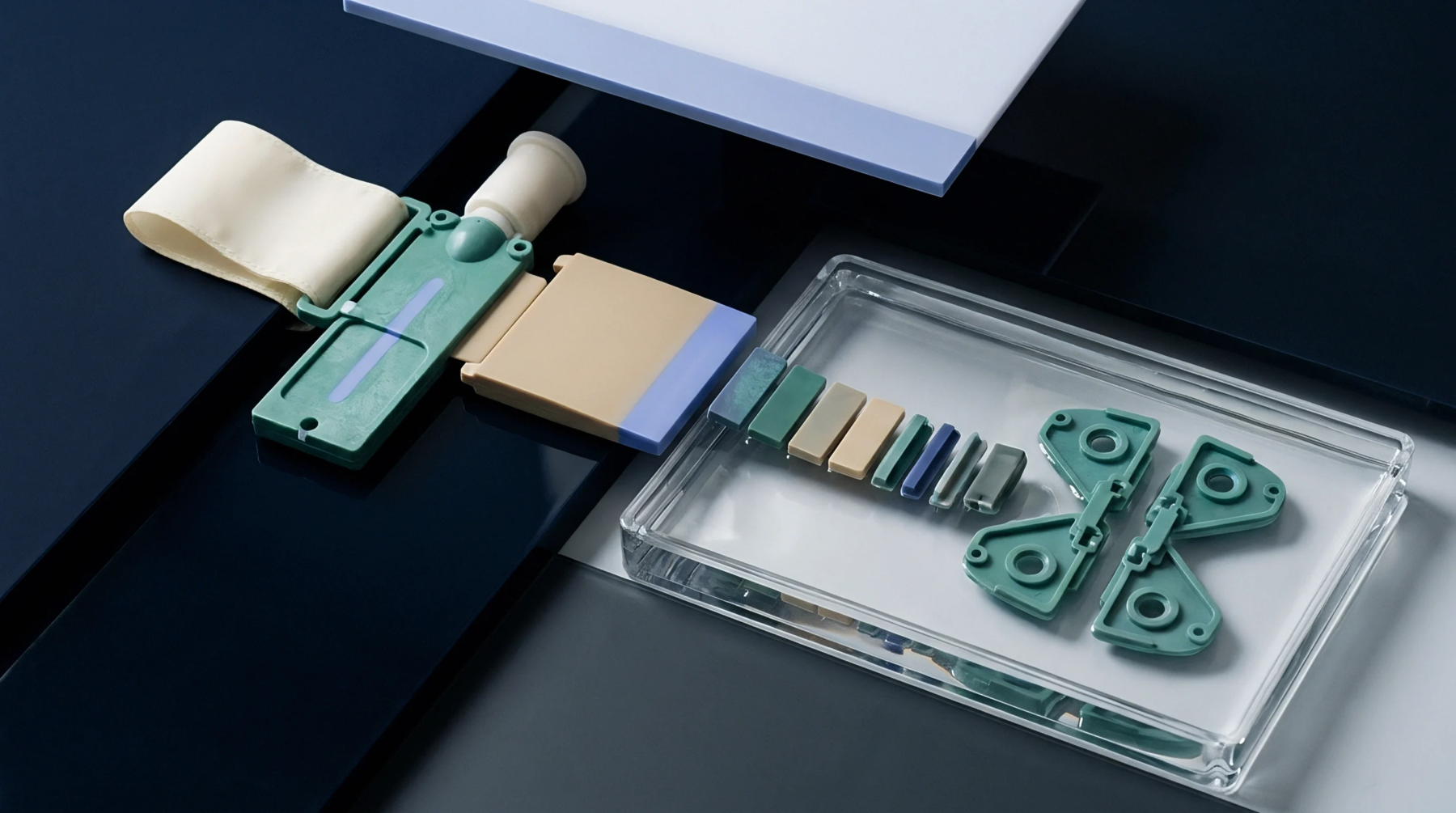
Anisotropic creep modulus decay in PA66-GF30 is governed by gate-induced fiber orientation, dropping transverse stiffness by 70% under thermal exposure.
Constructing master curves requires shifting short-term ISO 899-1 isothermal creep data via WLF or Arrhenius models within linear viscoelastic stress boundaries.
Expertise is a utility, not a secret. sentiention™ publishes its working knowledge as open reference: intelligence layer covering the materials it sources, the markets it enters, and the reference that serves both.