Meaning
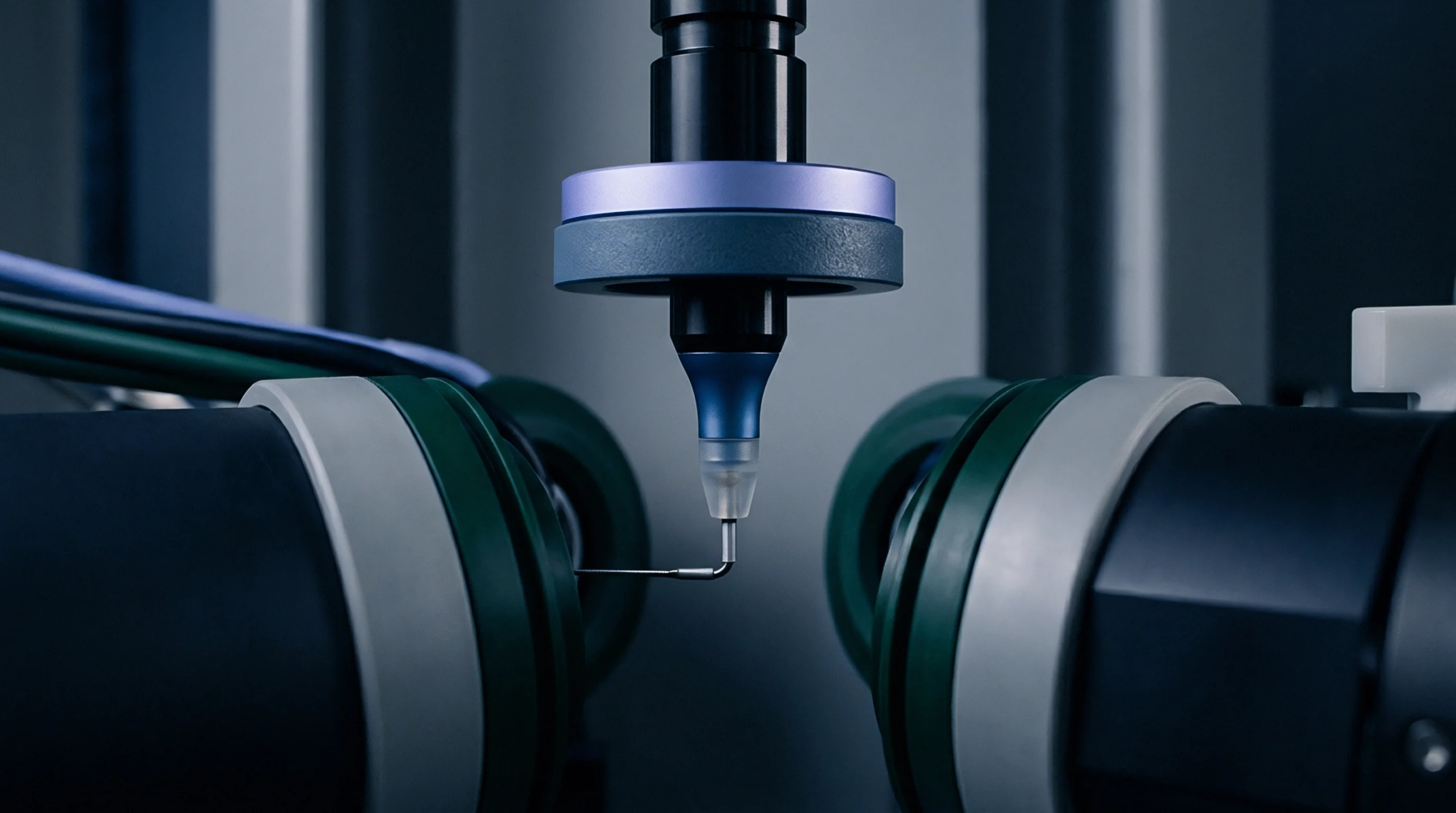
An optoelectronic device monitors dimensional stability by detecting thermal expansion through refractive indices of non-crystalline silicon dioxide. A fused silica sensor maintains alignment within injection tooling by tracking temperature gradients across high-heat resin injection cycles. Extreme purity allows this hardware to withstand cyclical thermal stress without structural degradation.
Thermal Calibration
Process control engineers define cavity conditions using these instruments to avoid short shots or flash in precision molding. Maintaining accurate heat data prevents the degradation of polymer chains that happens during uncontrolled viscosity shifts. Higher injection speeds require this level of sensitivity to ensure that pressure remains consistent during every millisecond of the packing phase.
Molding Economics
Purchasing managers evaluate the lifespan of these tools to reduce the overhead associated with frequent downtime or scrap production. Using virgin resin often creates less variability, but a fused silica sensor provides the feedback necessary to process regrind materials without compromising part dimensions. Investment in such hardware balances the cost of high-grade tooling against the reduction of rejected molded output over long production runs.
Operational Boundaries
Signal drift occurs when environmental contaminants coat the optical interface or block infrared transmission paths. Calibration protocols mandate periodic cleaning to ensure that the detected values remain tied to the actual resin state rather than the accumulation of processing debris. Consistent performance depends upon the isolation of the internal sensing element from the violent vibration found in high-pressure hydraulic molding machines.