
In Situ Optical Surface Profilometry for Narrow Injection Mold Cavities
In situ optical profilometry resolves sub-micron cavity wear in narrow tool ribs using fiber-coupled chromatic sensors sealed behind purged sapphire windows.
In situ optical profilometry resolves sub-micron cavity wear in narrow tool ribs using fiber-coupled chromatic sensors sealed behind purged sapphire windows.

Continuous piezo flexure sleeves require physical clearances below 0.5 micrometers and diamond-like carbon coatings to prevent micro-galling under thermal loads.
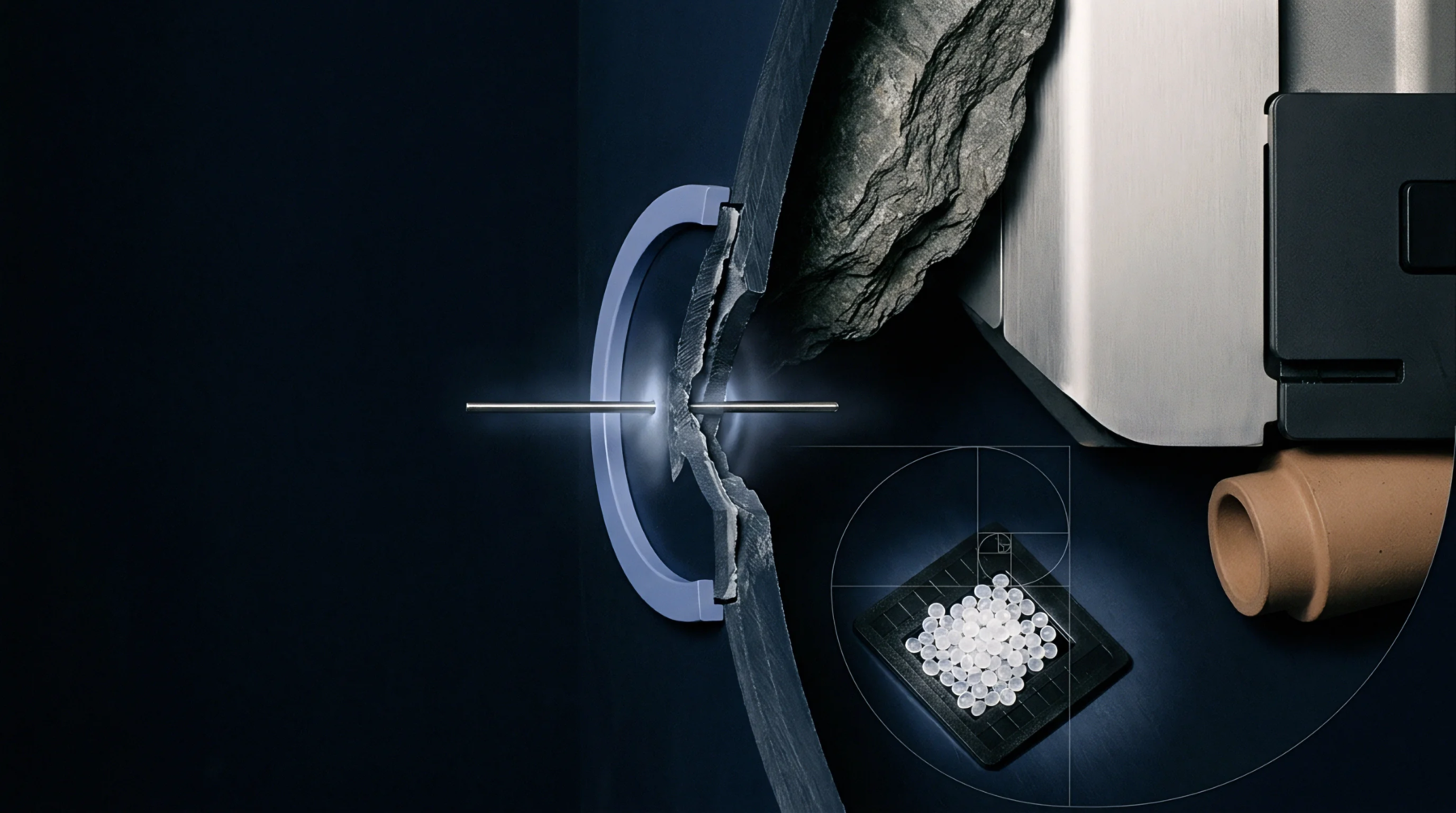
Dynamic piezoelectric core compensation applies localized physical packing during cooling to eliminate shrink voids and hold DIN 16742 TG3 tolerances.
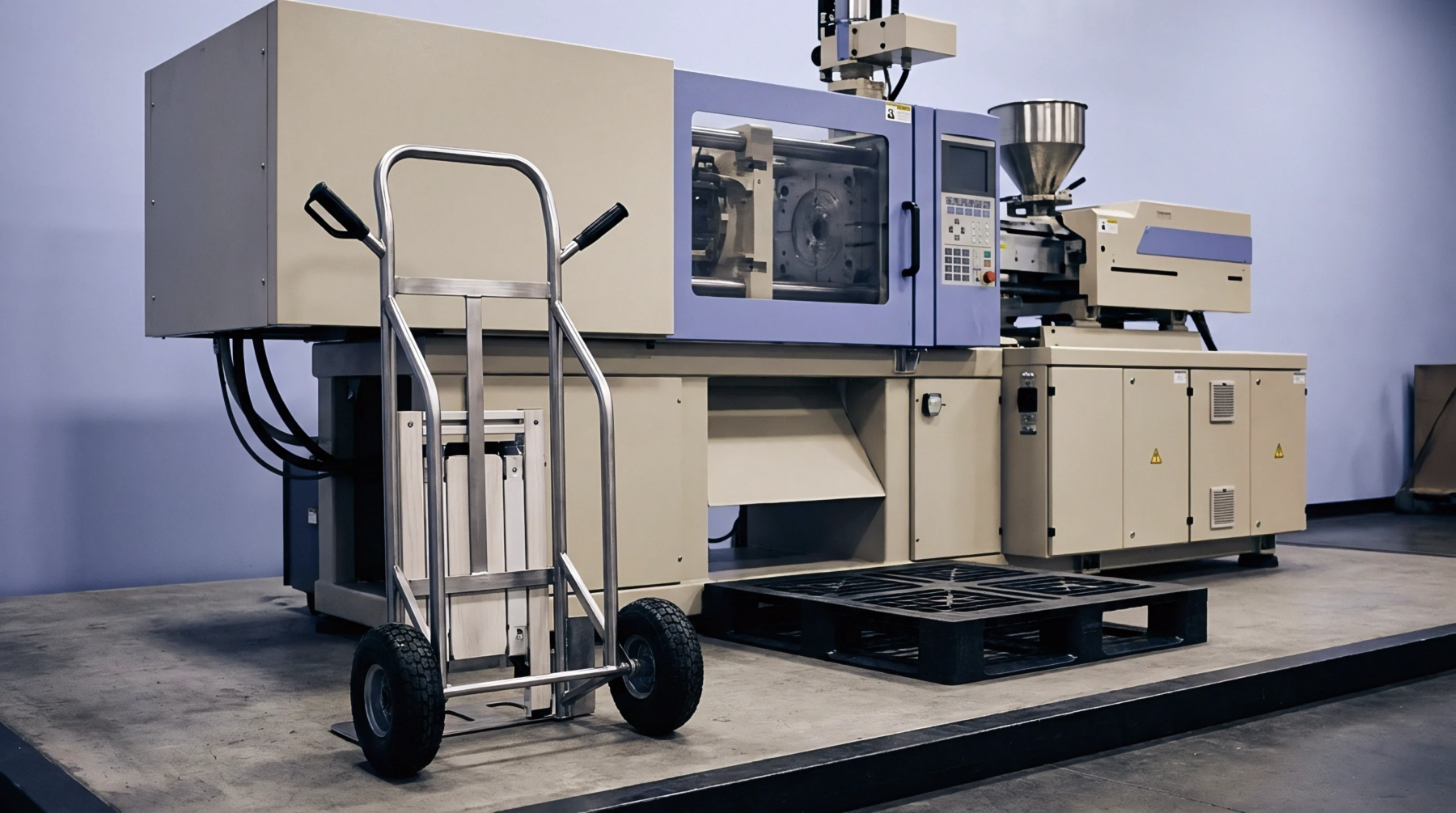
Active core micro moulding controls resonator dimensions by displacing sub-micron pins during fill, suppressing volumetric sink and frequency drift.
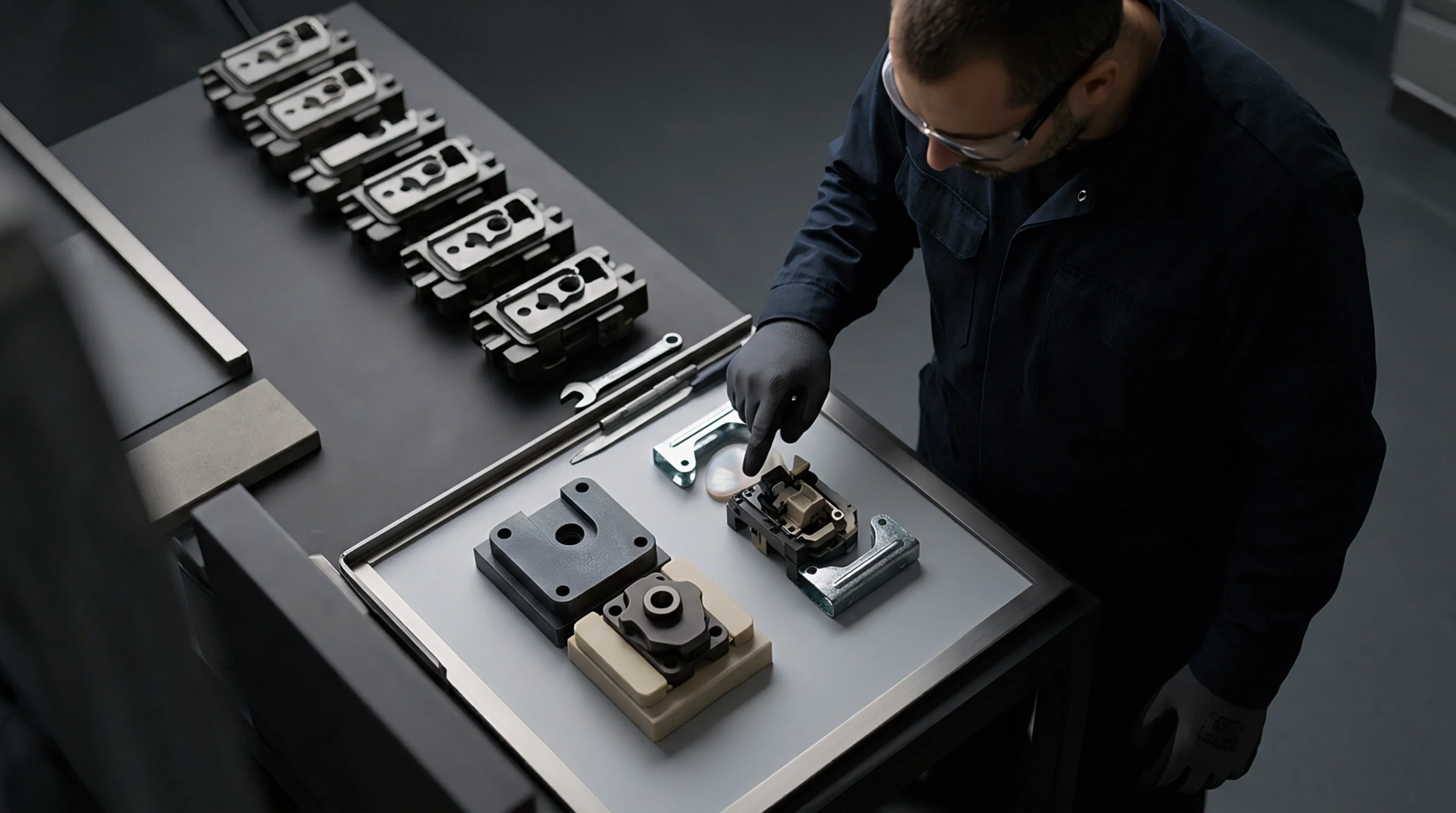
Polymer micro-structure transfer loss in laser-textured tooling stems from melt freezing kinetics and trapped gas counter-pressure, requiring variotherm control.
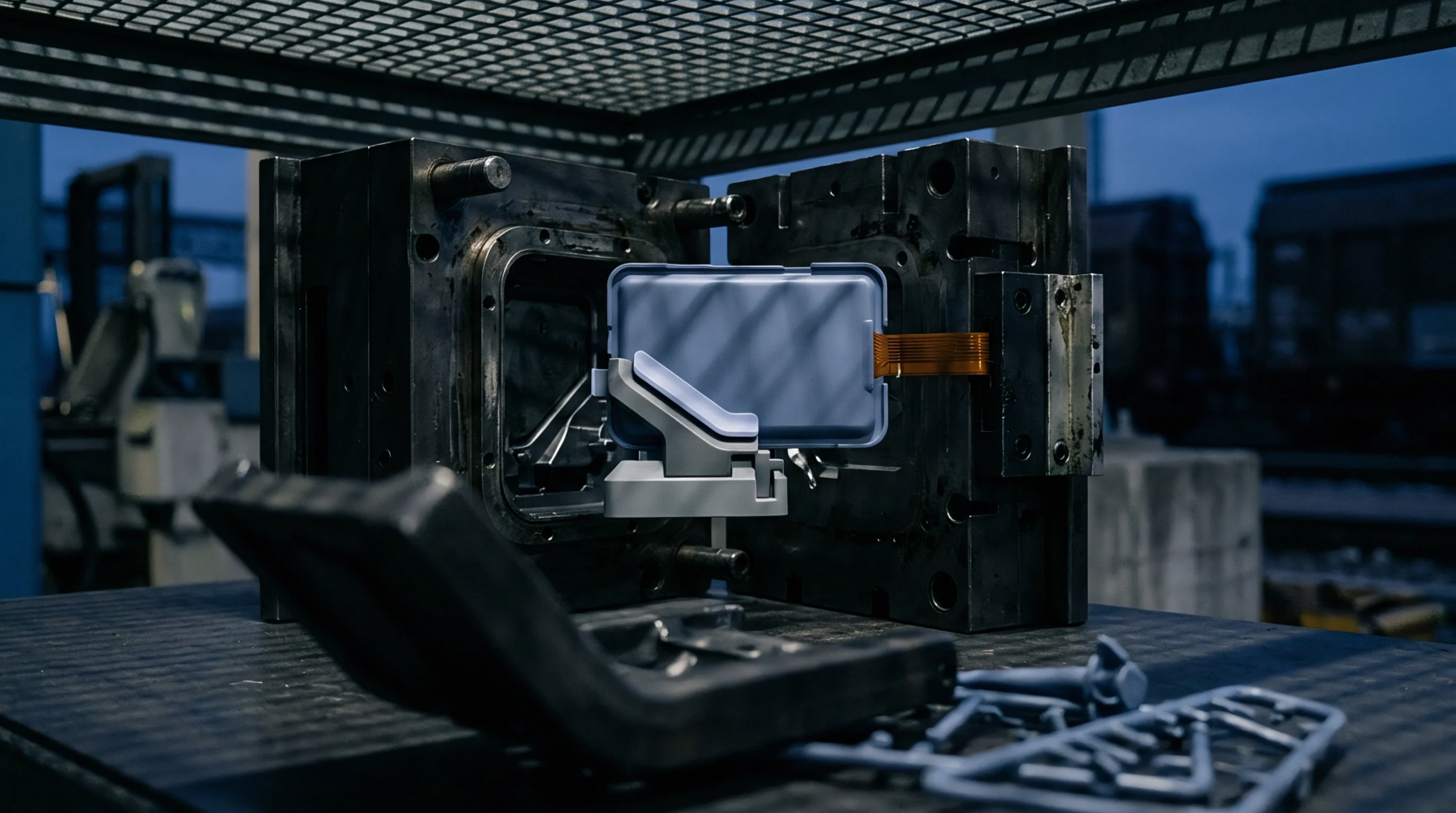
Inter-cavity thermal drift in high-cavitation steel tooling shifts part dimensions; turbulent coolant flow and conductive inserts eliminate temperature spreads.

Calculate multi-cavity dimension drift by subtracting thermal steel plate expansion profiles from localized polymer shrinkage values across operating temperature zones.
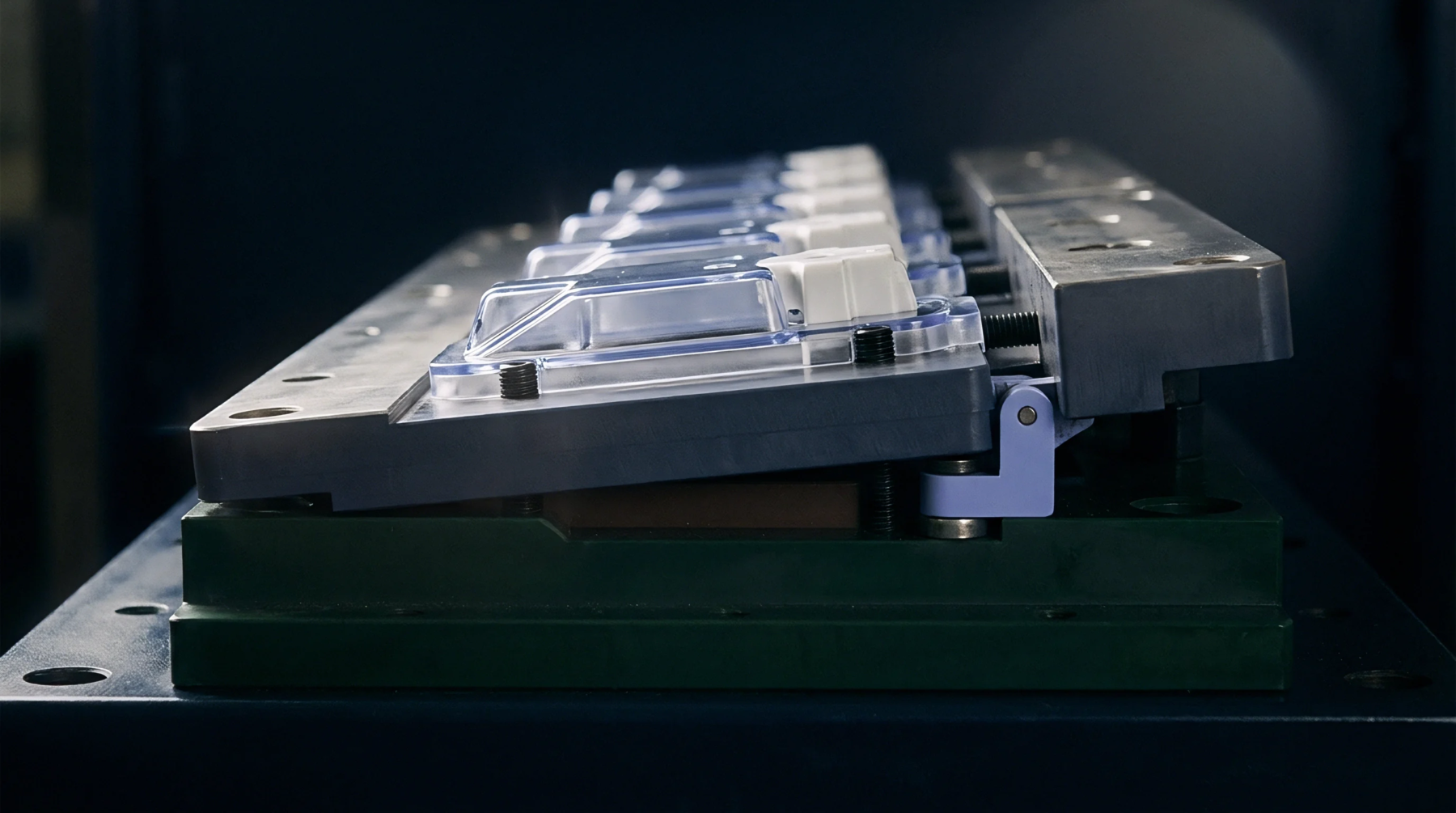
Multi-cavity tooling qualification requires isolating spatial cavity-to-cavity variance from temporal process drift before authorizing steel modifications.
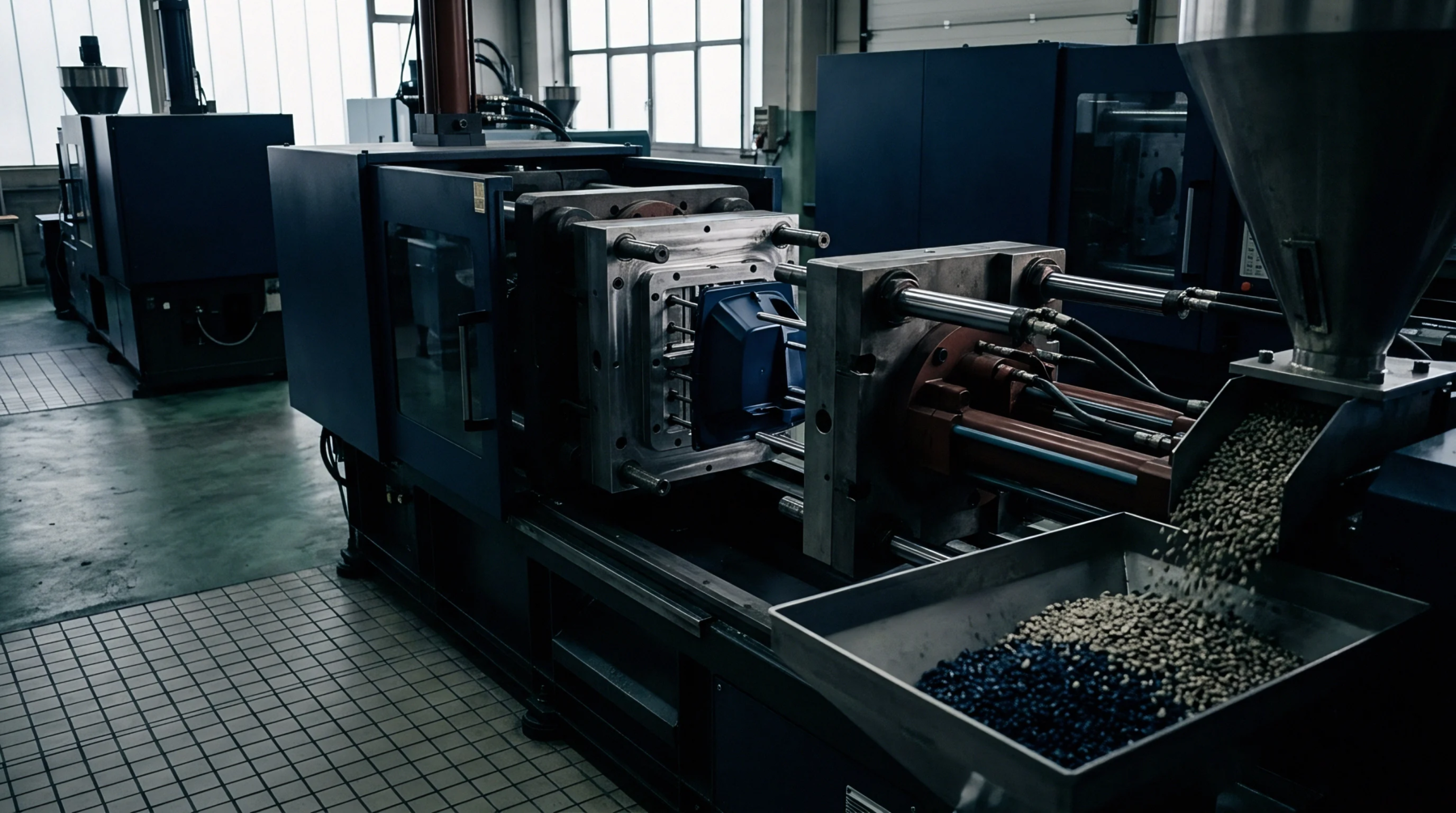
Press-side fill balance protocols decouple injection velocity from hold pressure using short shot weight analysis to equalize cavity fill within 5% balance.
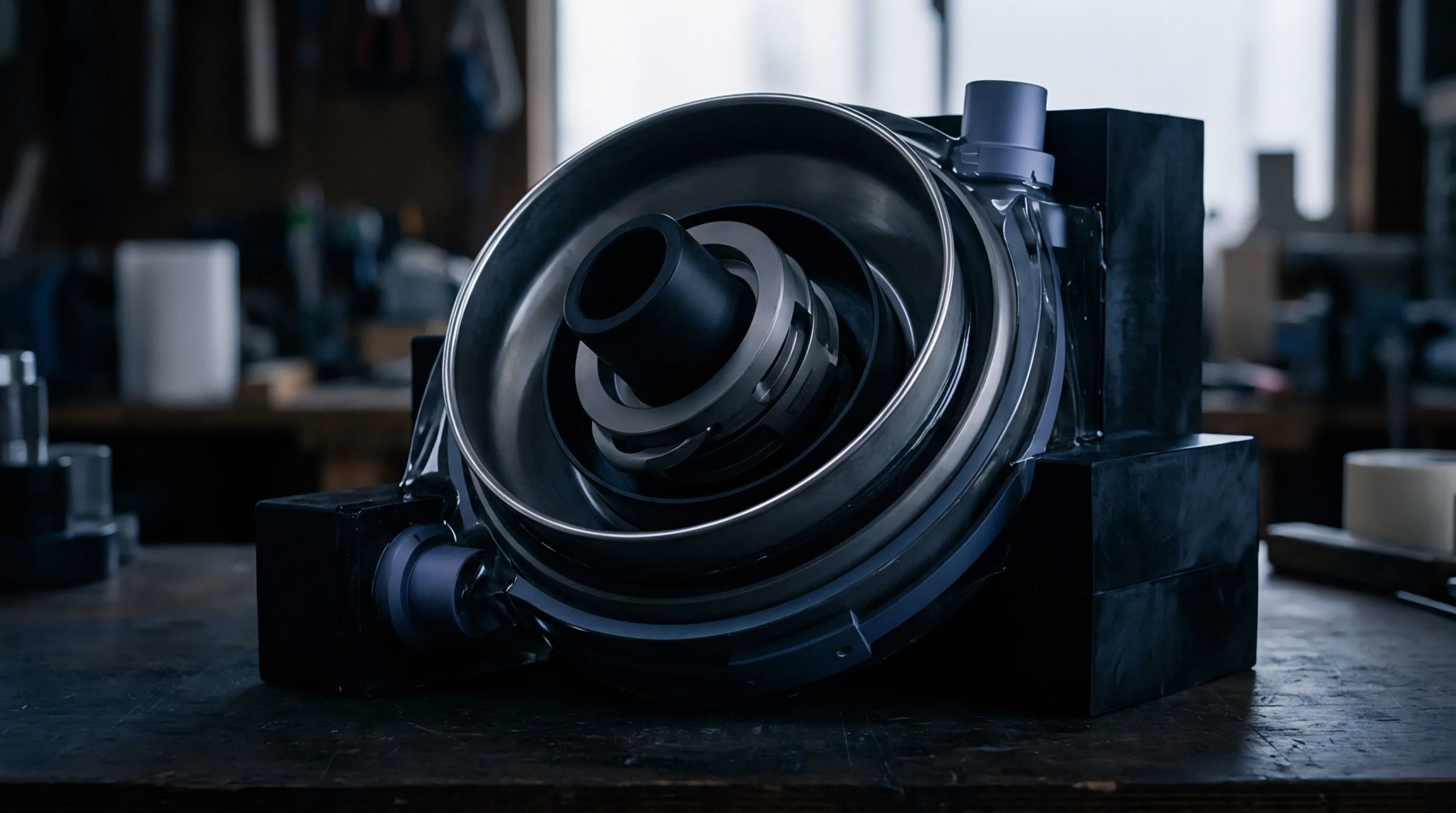
Real-time cavity pressure transducer feedback corrects shear-thinning thermal imbalances in multi-cavity tools by adjusting dynamic V/P crossover points.
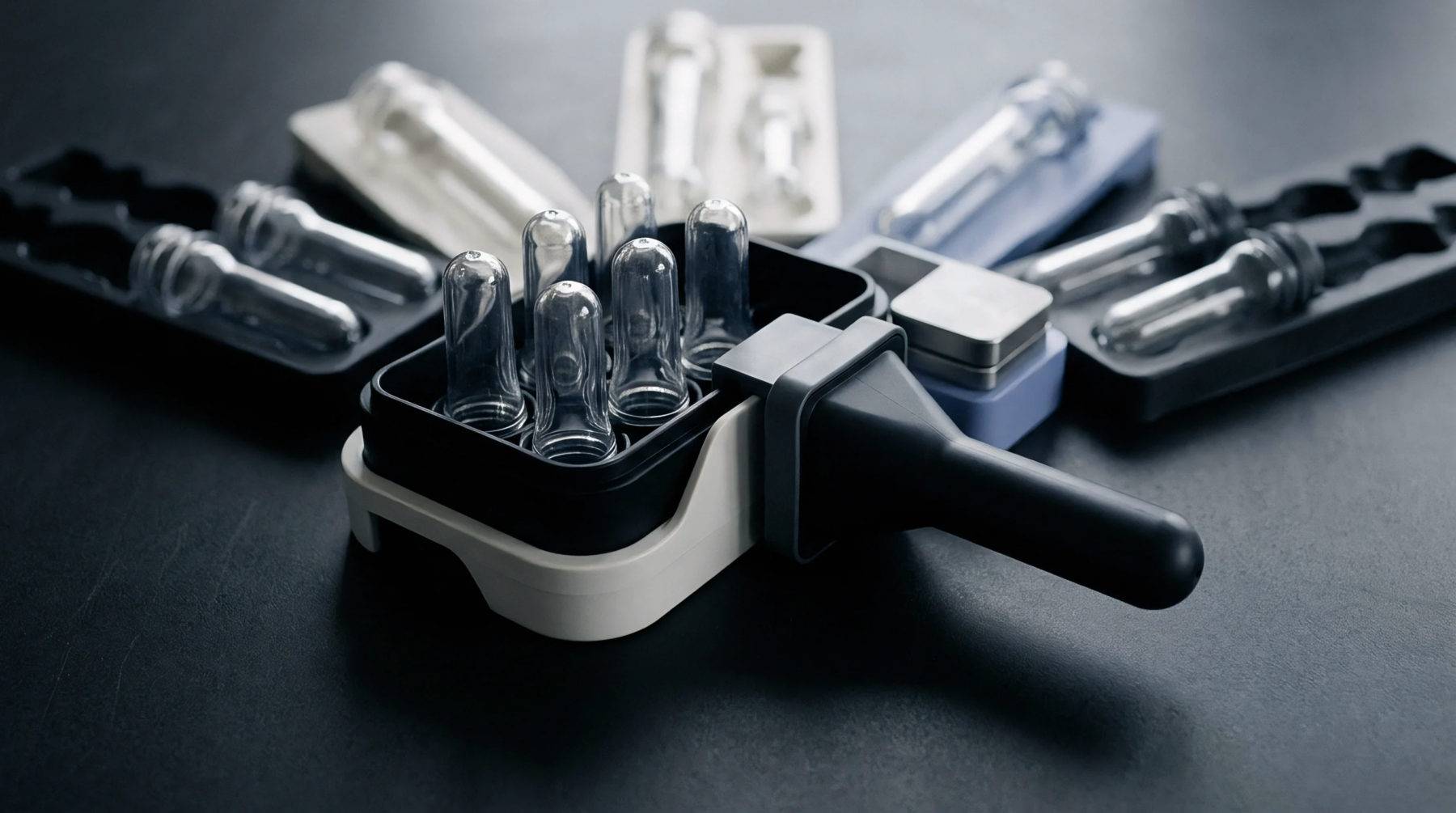
Optimal cavitation balances machine hourly rates, clamp tonnage, and shot capacity against thermal cooling limits and cross-cavity dimensional distribution.

Recutting tool steel establishes a stable process window that lowers long-term scrap costs and cycle times compared to forced parameter tuning.

Suppress heavy wall thermal defects by sizing gates to 80% wall thickness, holding pack pressure past core freeze, and deploying conformal high-conductivity chill circuits.
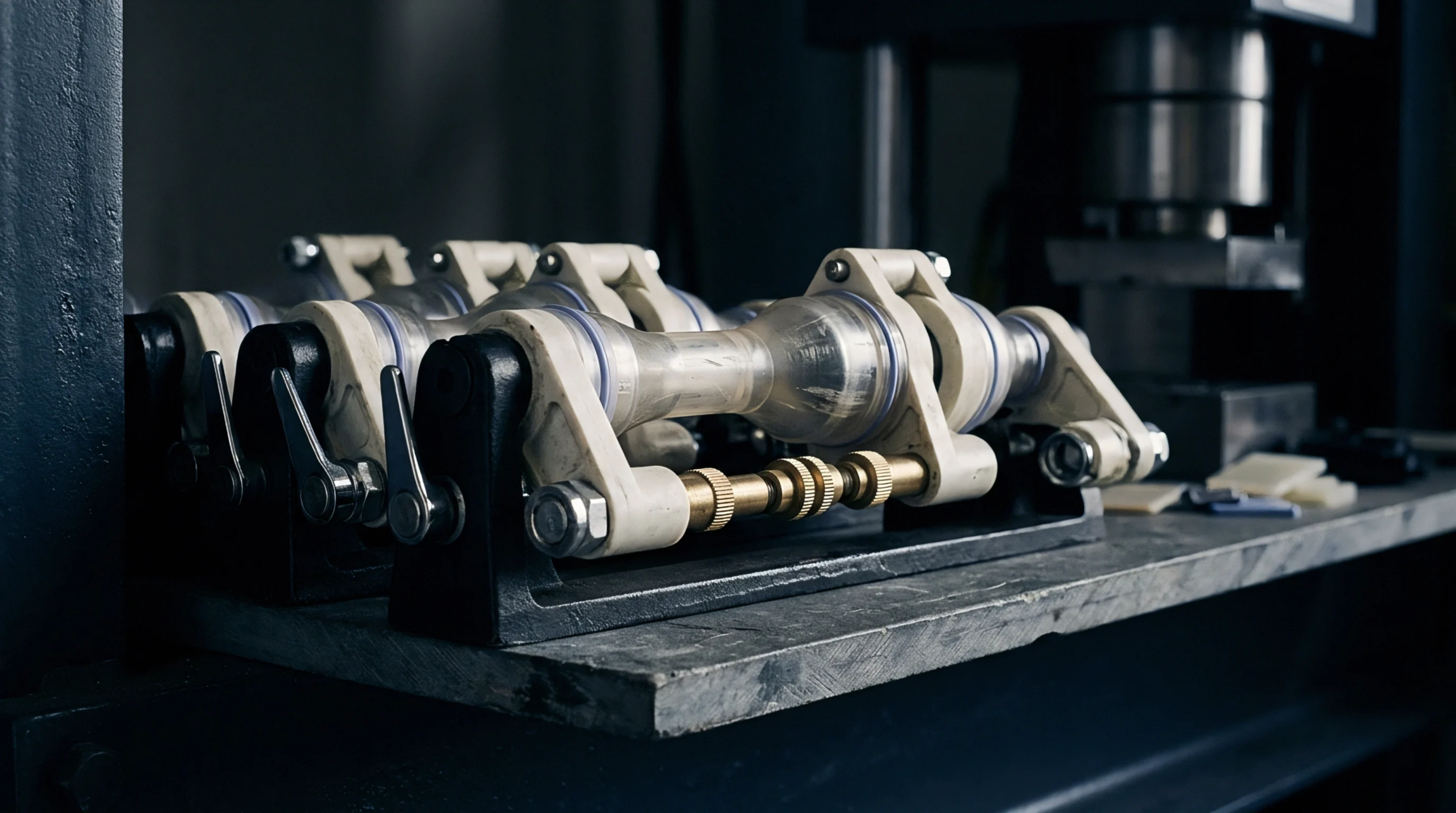
Cross-border bailment structures protect overseas injection tooling through explicit legal title separation, permanent asset marking, and enforceable repossession protocols.
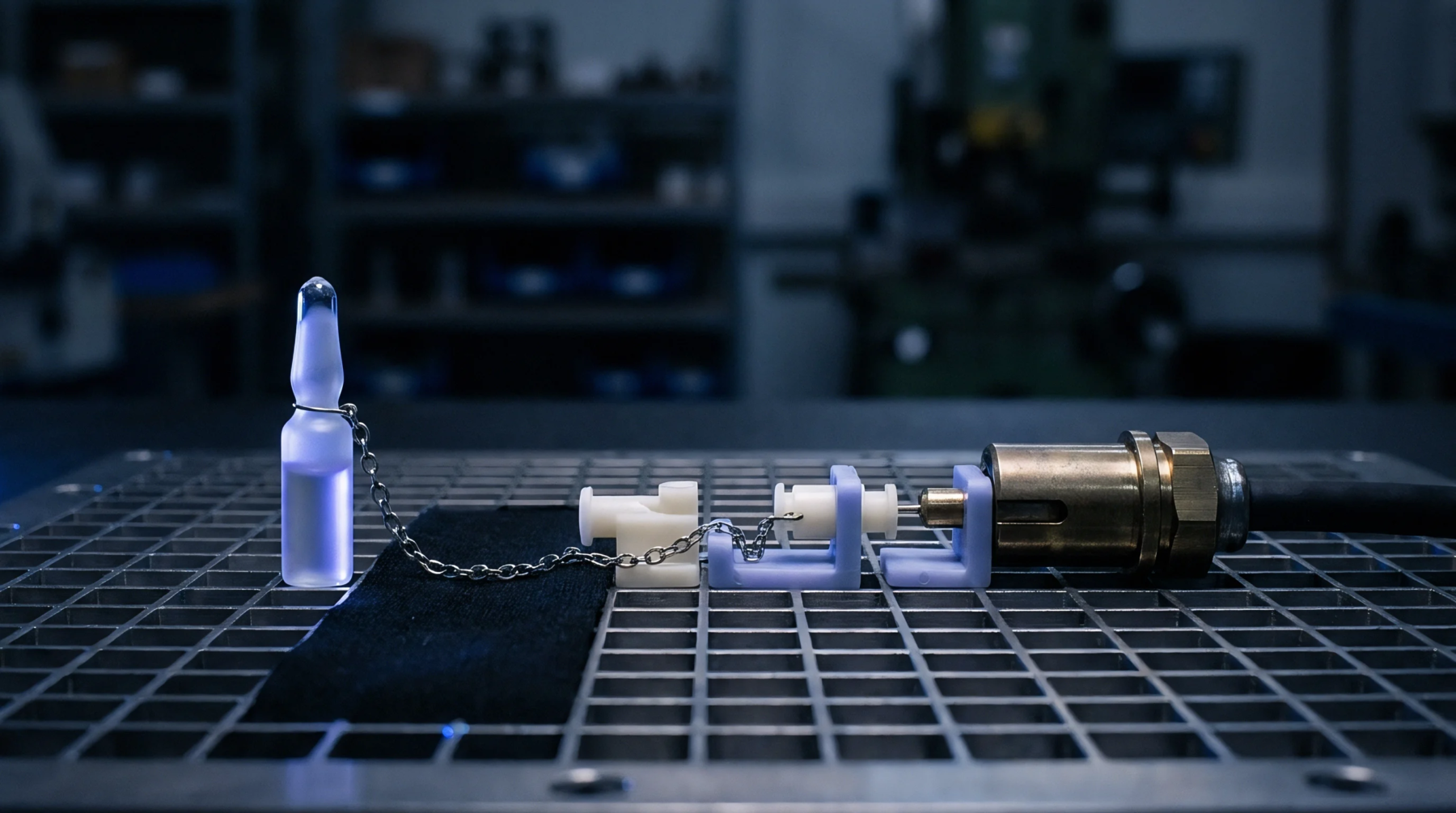
Foreign tooling assets used for production abroad demand accurate assist value declaration on part entry and permanent steel ownership plates on the mold.
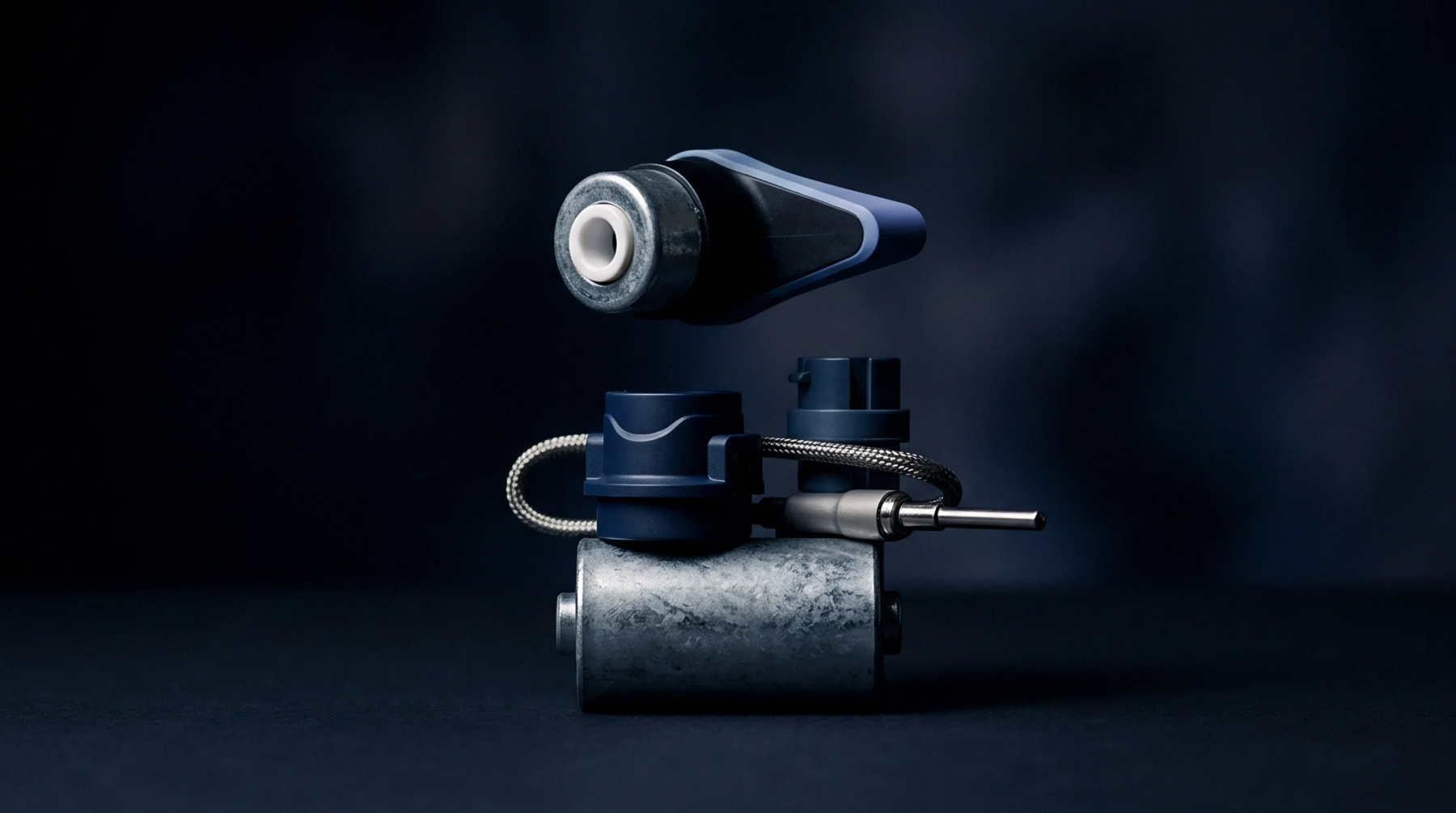
Recessed MI cable routing with thermal expansion loops prevents wire pinch, shields noise, and eliminates press downtime in high-temperature moulds.
Dynamic sensor drift in high-temperature tooling stems from insulation drop and thermal charge loss; manage via matched crystals, cabling, and reset timing.

Secure immediate repossession of bailment tooling from bankruptcy estates by proving true bailment through UCC-1 filings, asset tags, and lifting the stay.

Foreign tooling ownership relies on engraved asset tags, distinct bailment agreements, and prompt insolvency receiver filings to prevent asset liquidation.
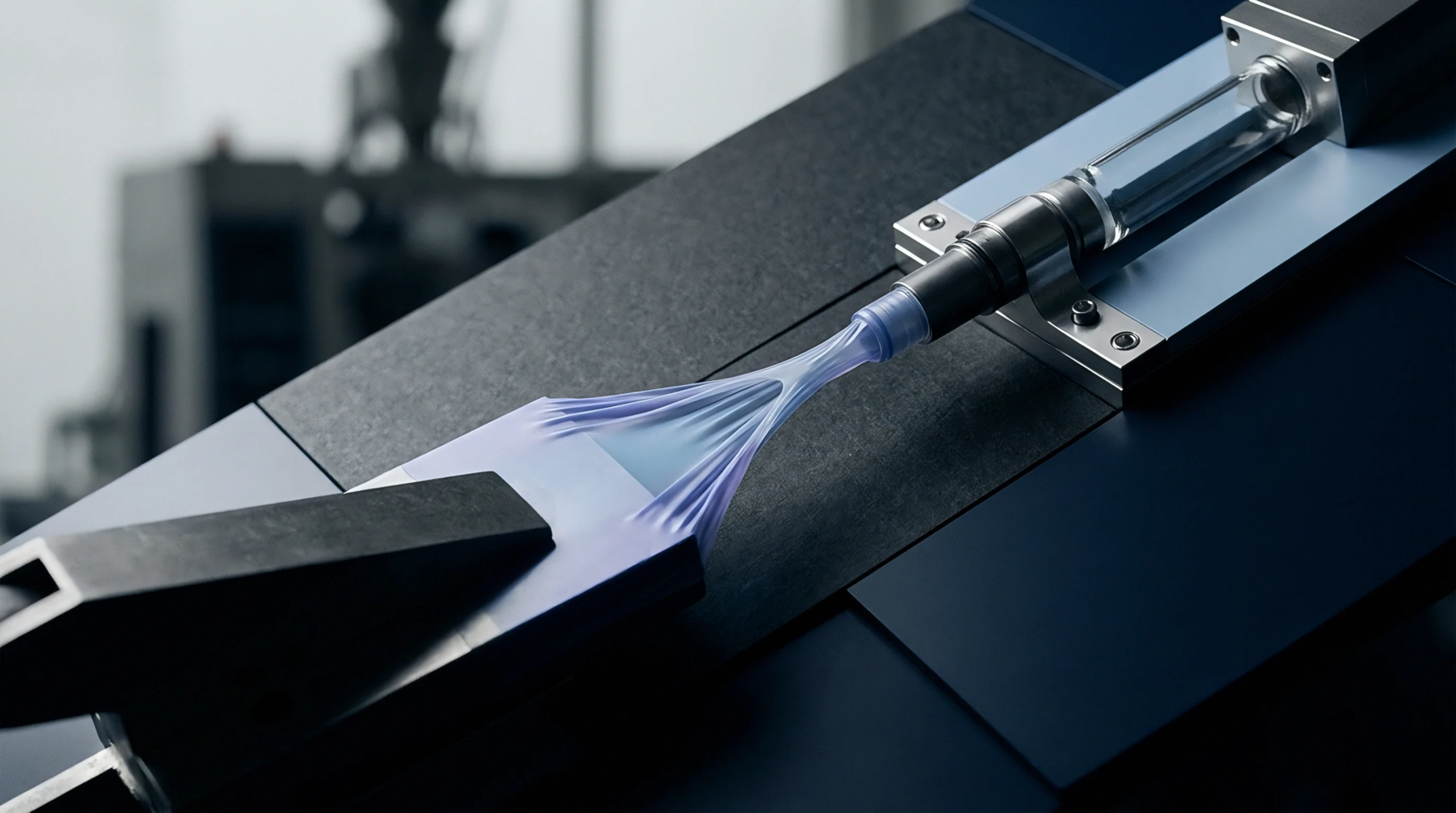
Matching plug speed to polymer disentanglement kinetics prevents corner thinning and optimizes wall thickness in deep draw thermoforming.
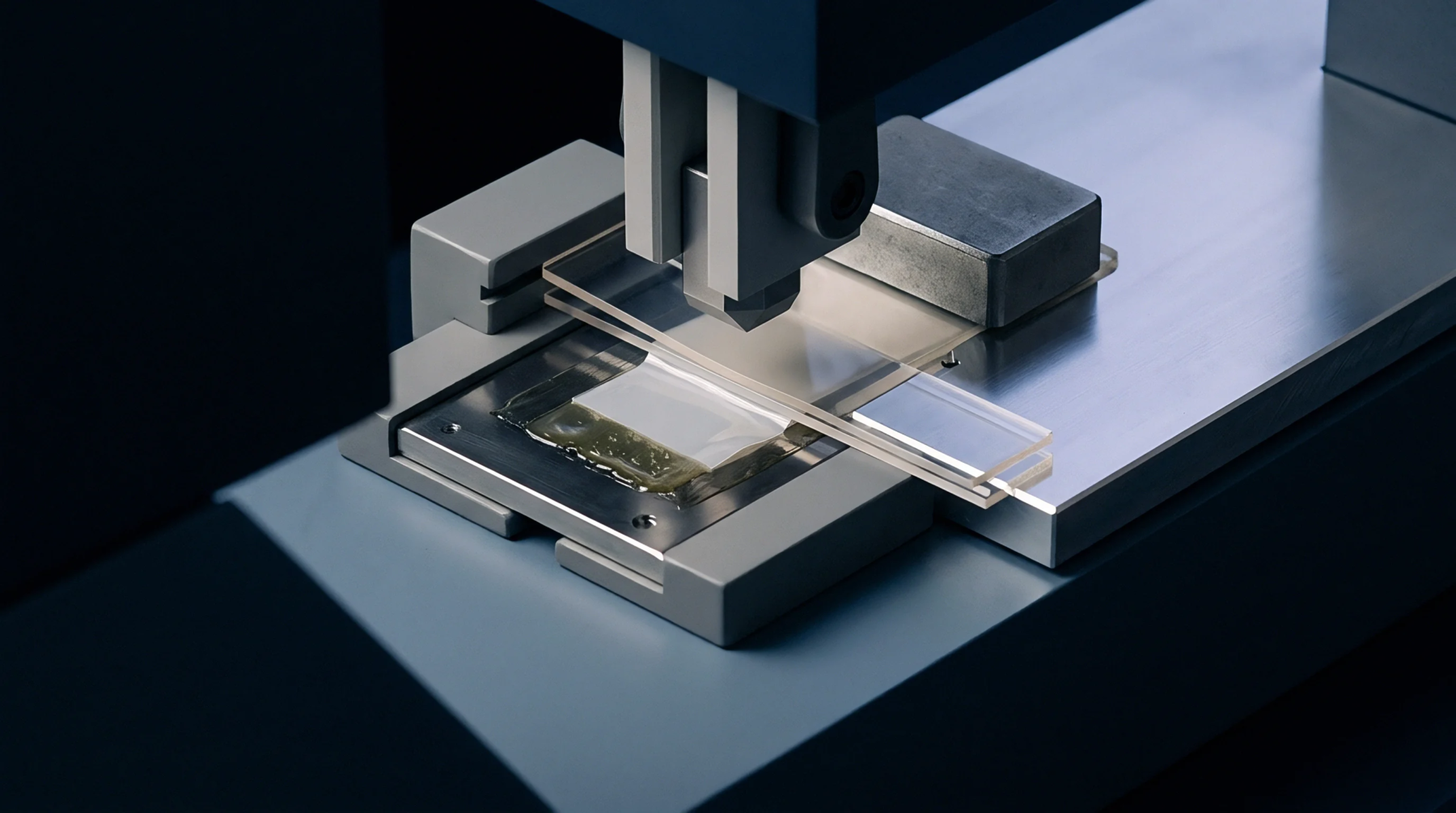
Biaxial extensional strain hardening controls sheet thinning, requiring precise melt strength, tool friction, and temperature tuning to set uniform container wall thickness.

Sub-millimetre telemetry cavity accuracy requires compensating for steel expansion and polymer dielectric drift via real-time press-side calibration.
Expertise is a utility, not a secret. sentiention™ publishes its working knowledge as open reference: intelligence layer covering the materials it sources, the markets it enters, and the reference that serves both.