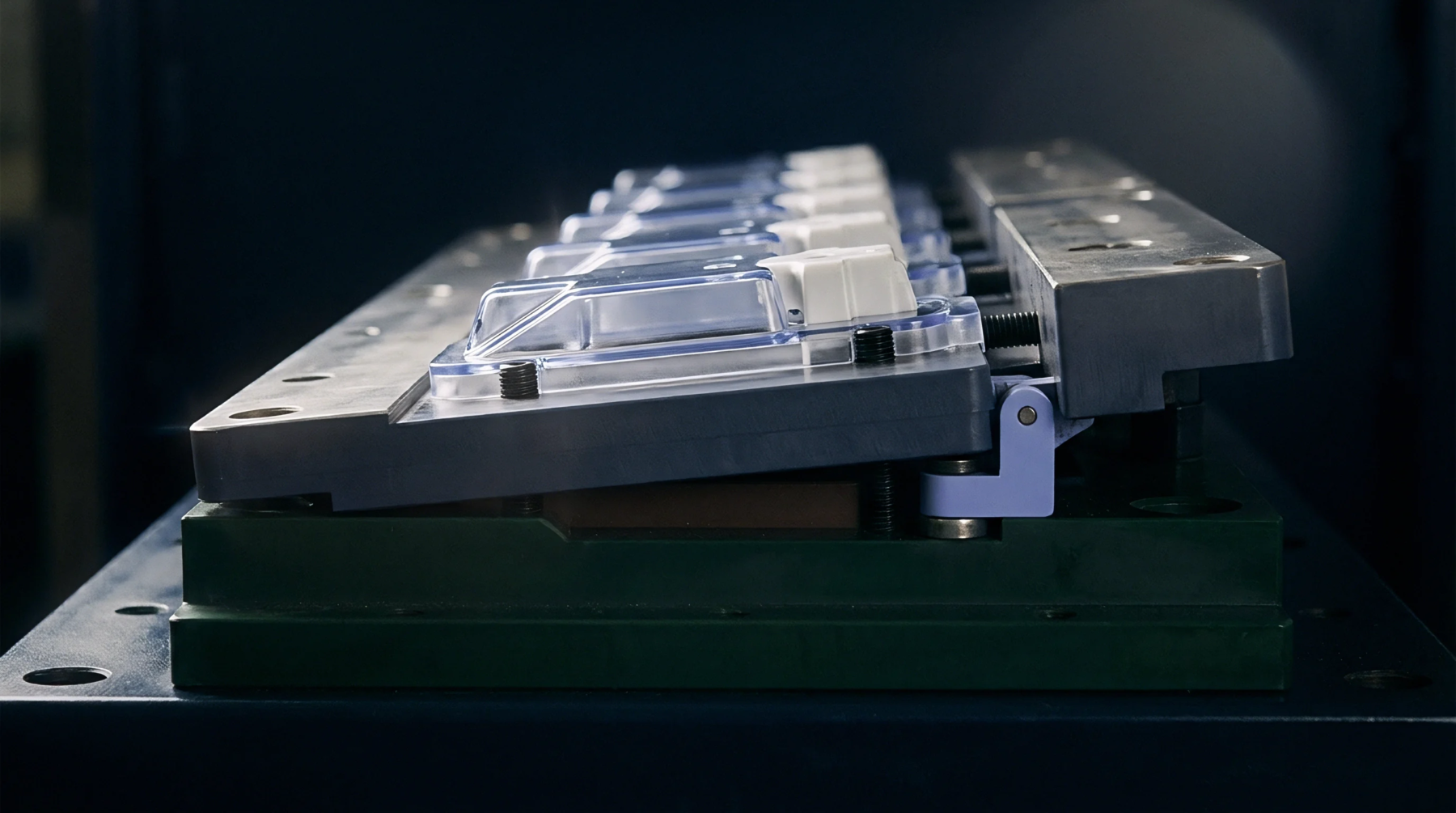
Piezoelectric Cavity Pressure Sensor Setup in Micro Injection Moulding
Direct piezoelectric cavity pressure sensing in micro injection moulding requires sub-micron bore tolerances, rigid preloading, and active thermal drift compensation.
Direct piezoelectric cavity pressure sensing in micro injection moulding requires sub-micron bore tolerances, rigid preloading, and active thermal drift compensation.

Closed-loop servo valve gate control uses cavity pressure and needle position feedback to eliminate weight variance and cut cycle times in multi-cavity tools.
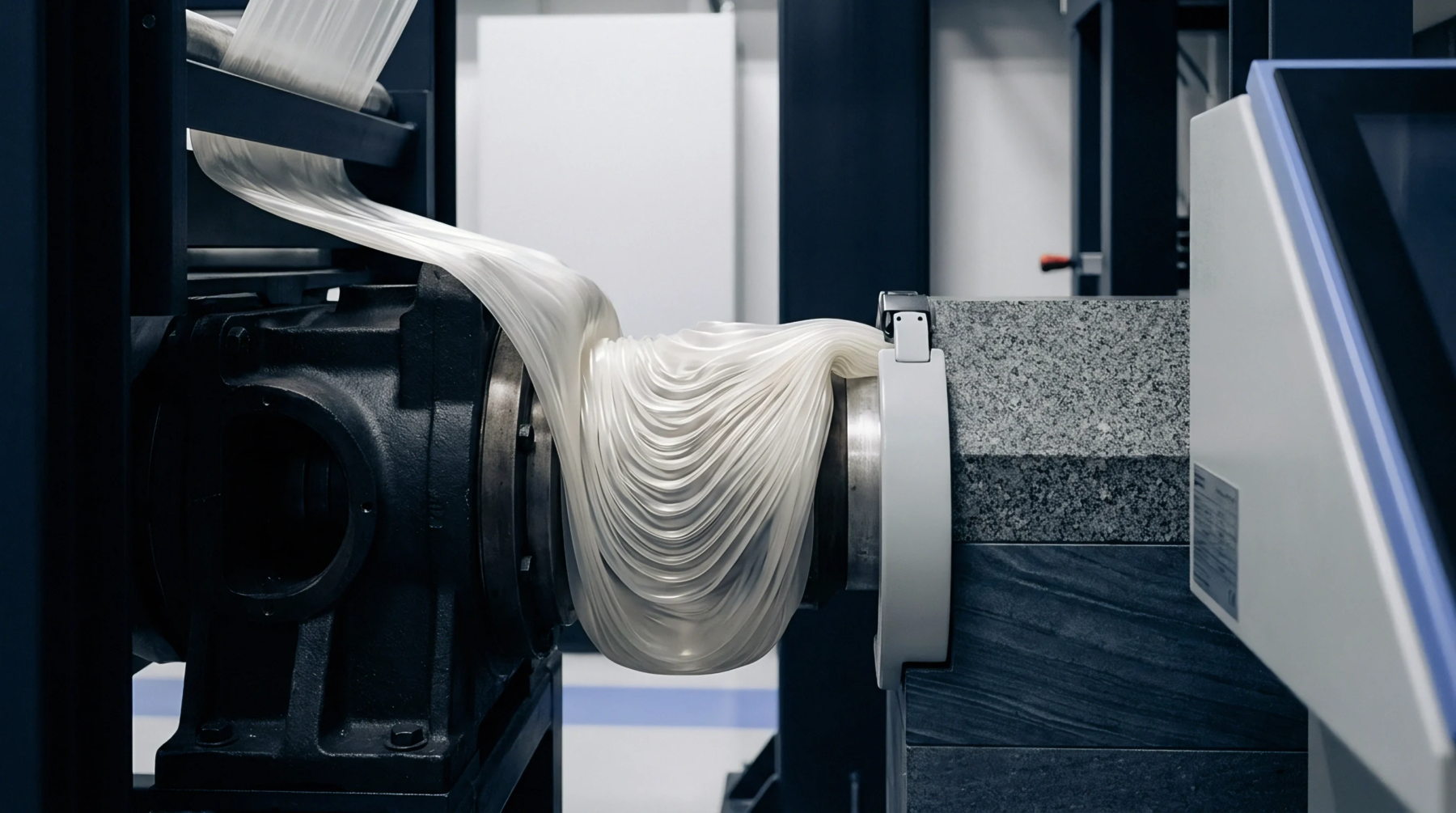
Calibrating transfer points via press-side viscosity curves optimizes fill pressure, cuts part mass variation, and locks in DIN 16742 tolerance bands.
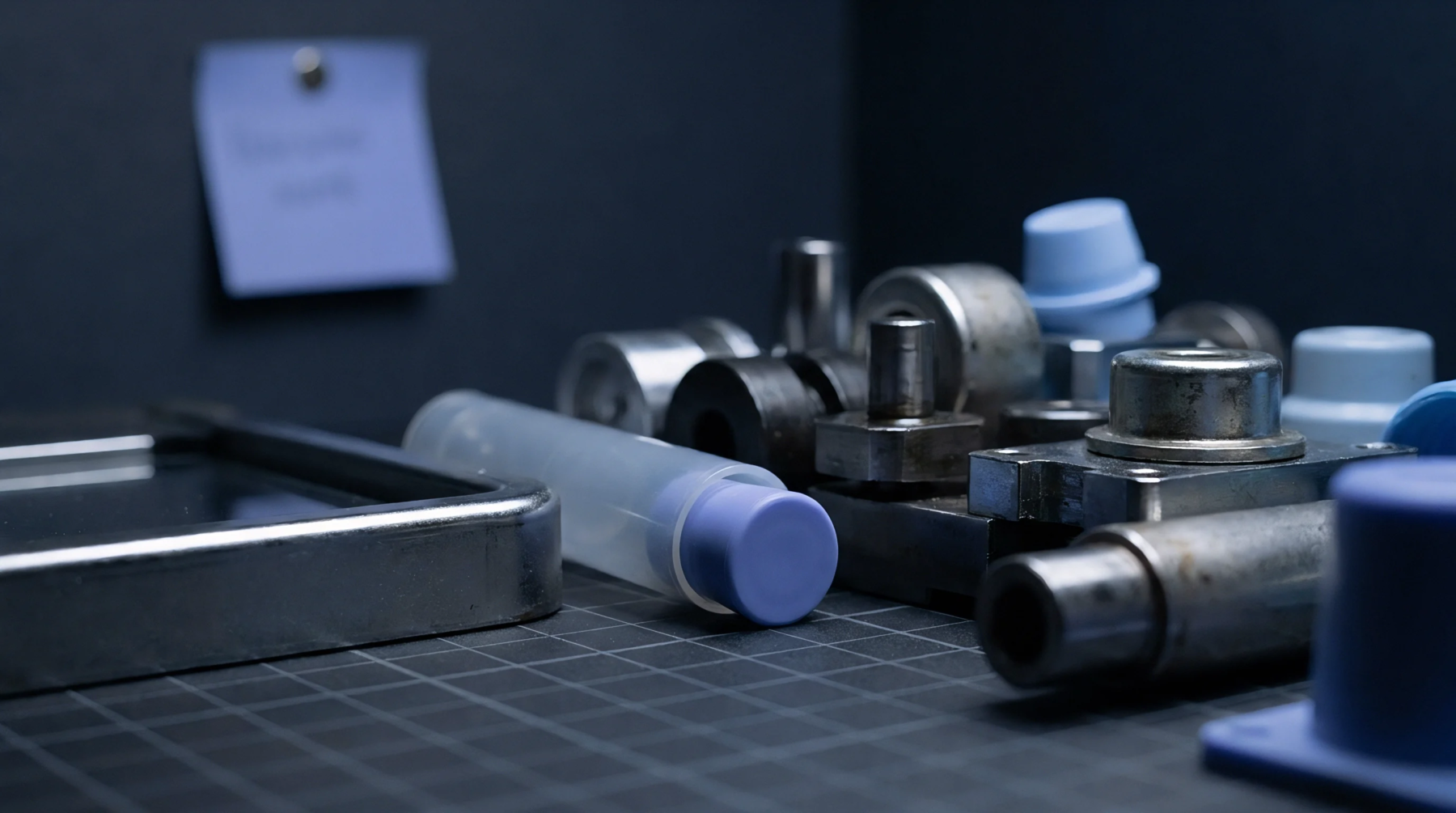
Decoupled molding isolates fill velocity from hold pressure to neutralize resin viscosity variations and hold precision tolerances across volume runs.

Balancing shut-off land relief area against clamp force prevents steel hobbing while holding plastic melt seal across multi-cavity injection tooling.

Microscopic air entrapment in textured molds stems from rapid melt front advancement trapping gas in surface valleys, manageable via controlled fill rates and porous micro-venting.
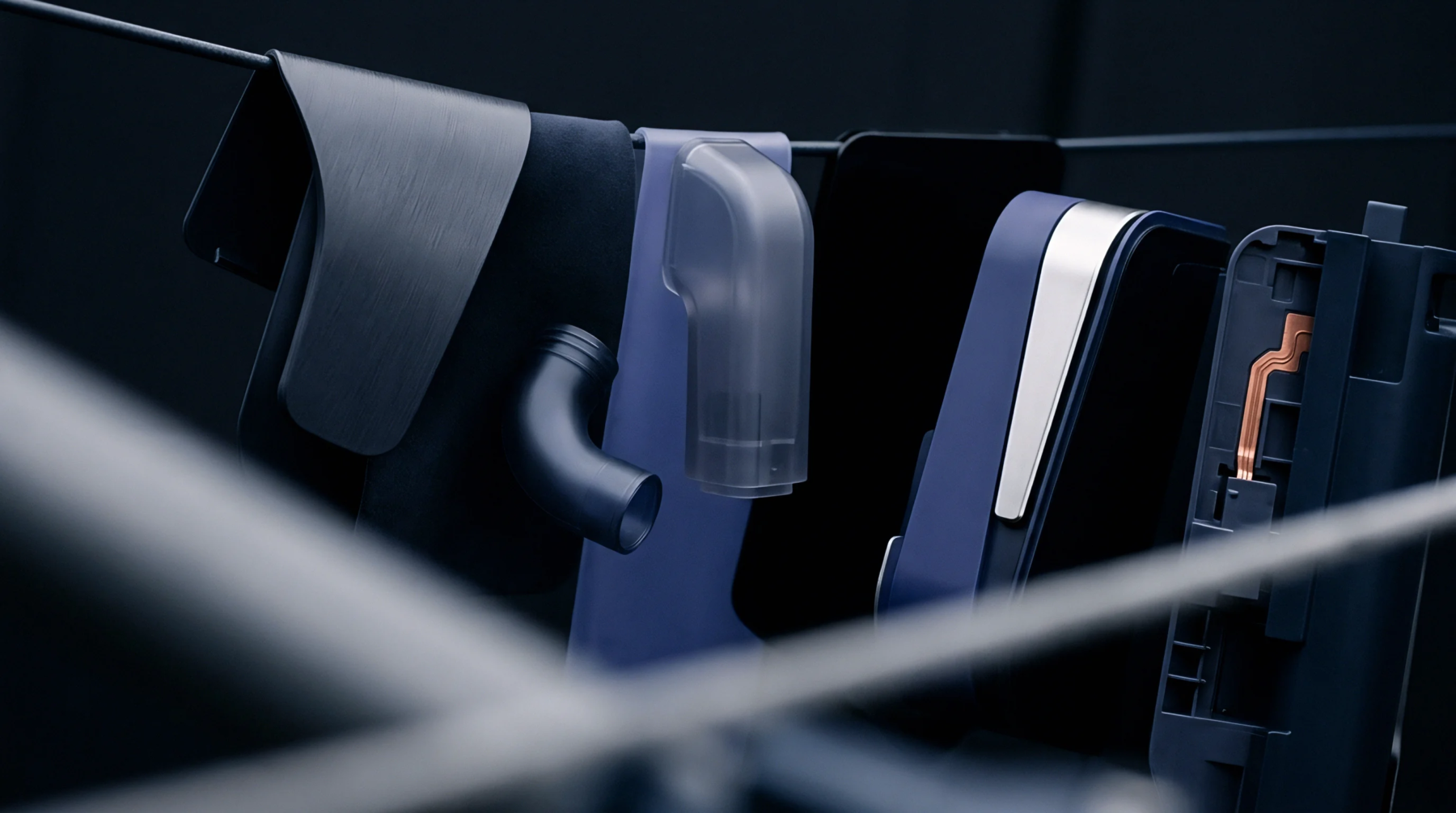
Wireless piezoelectric cavity pressure telemetry eliminates platen cabling, providing real-time process monitoring for active part quality containment.
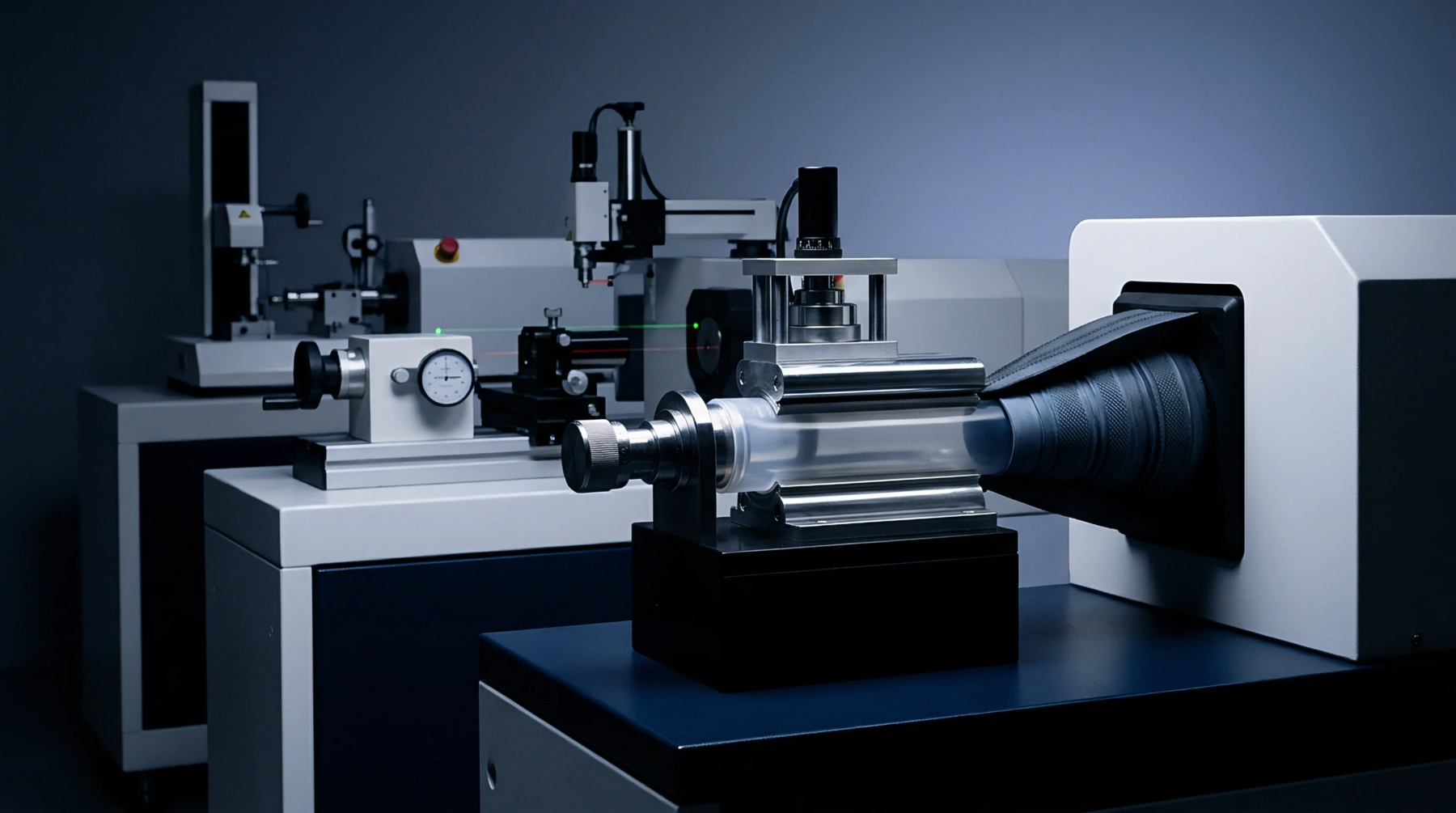
Controlled steel modifications require process window locking, metal-safe geometry audits, and metallurgical stress relief before qualified production release.
Cross-border escrow releases for multi-cavity hot runner transfers must bind fund payouts to press-side scientific molding verification and DIN 16742 compliance.
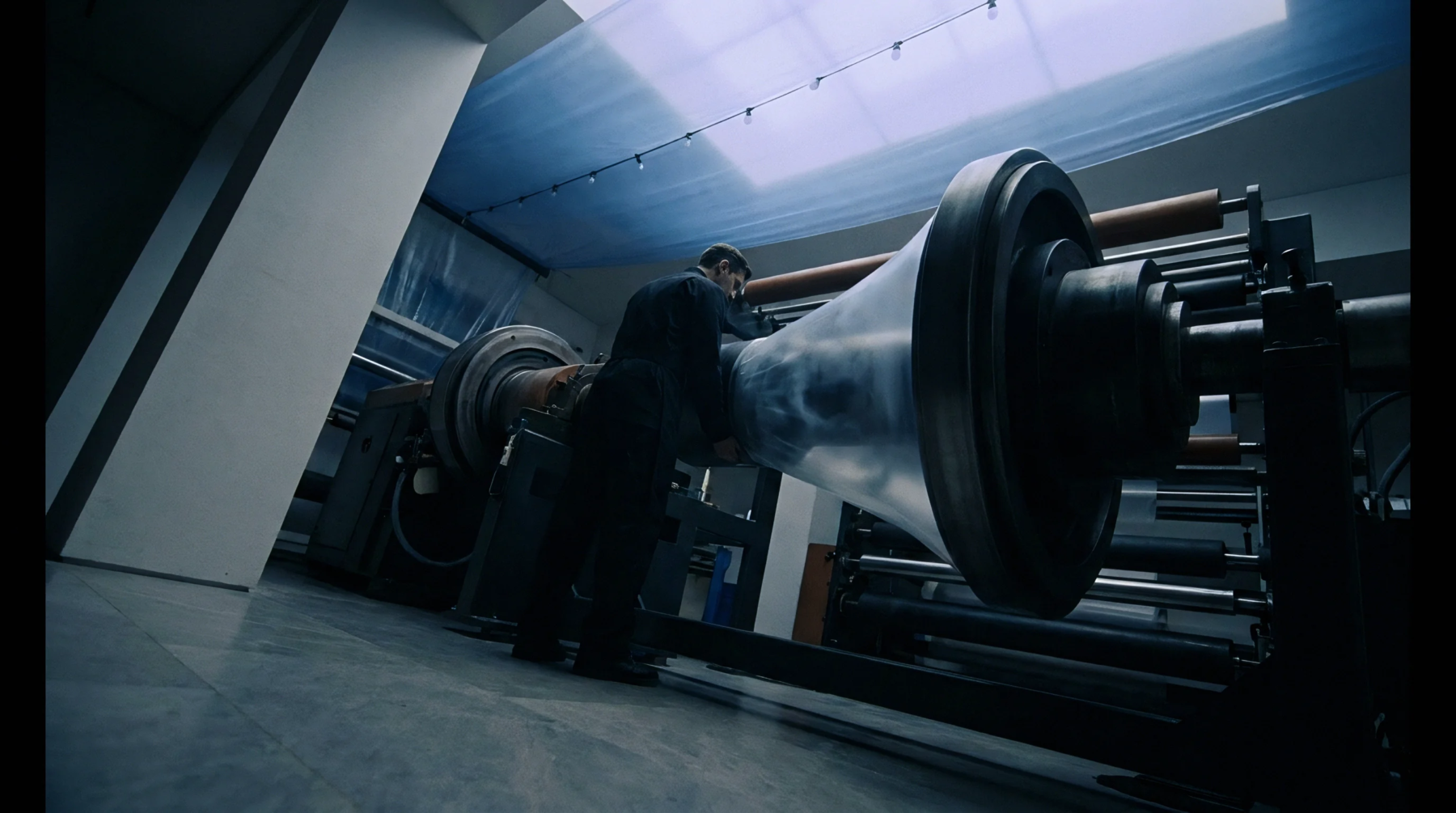
Auditing foreign tooling retention claims combines physical steel inspection, financial deconstruction of amortisation ledgers, and escrow settlement.

Foreign bailment registration requires permanent steel identification tags, regional customs filings, and explicit non-title contracts before offshore tooling entries.

Strain hardening rheology metrics define thermoforming process windows by predicting extensional melt strength to eliminate corner thinning and sheet sag.

Micro-mould profilometry spatial calibration requires instrument transfer function verification using chirp gratings to define spatial frequency limits in deep cavity features.
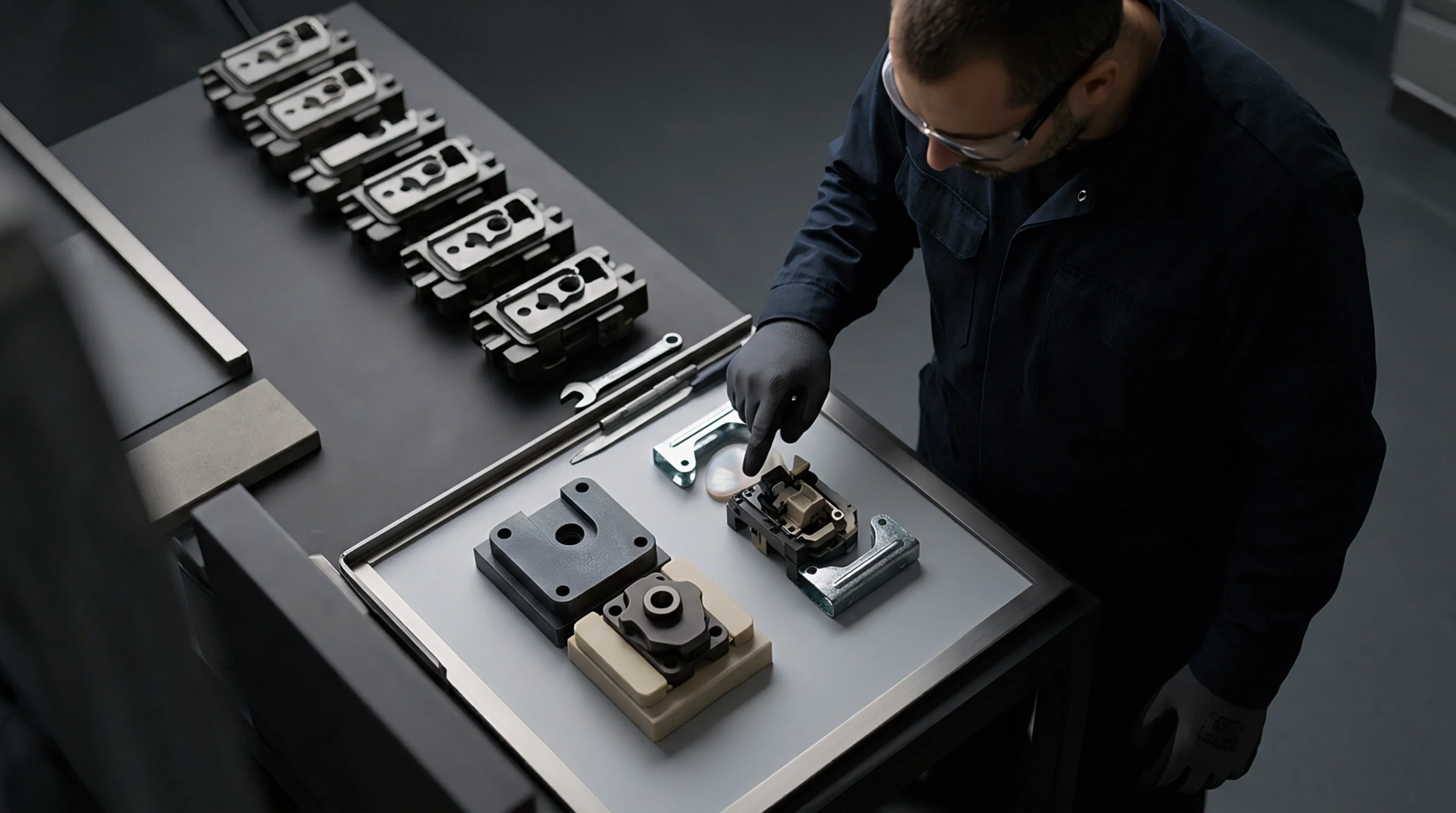
Dynamic micro-tooling expansion limits sit at 0.3 micrometers, bounded by transient core heat spikes, clamp flexure, and interferometer sensor housing drift.
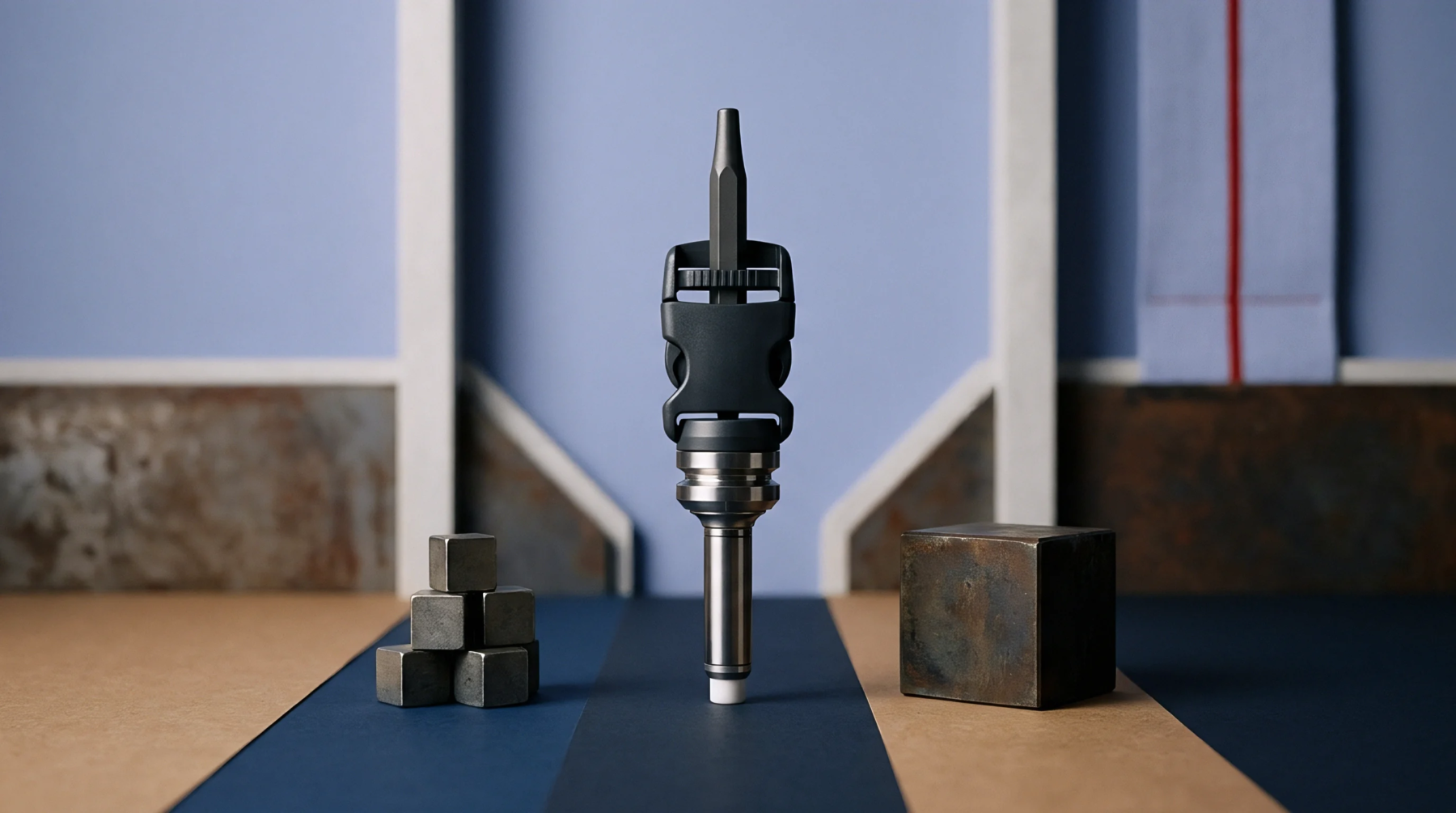
Engineered cold pitch offsets prevent valve tip shear, flash, and nozzle leakage in multi cavity manifolds operating at elevated molding temperatures.
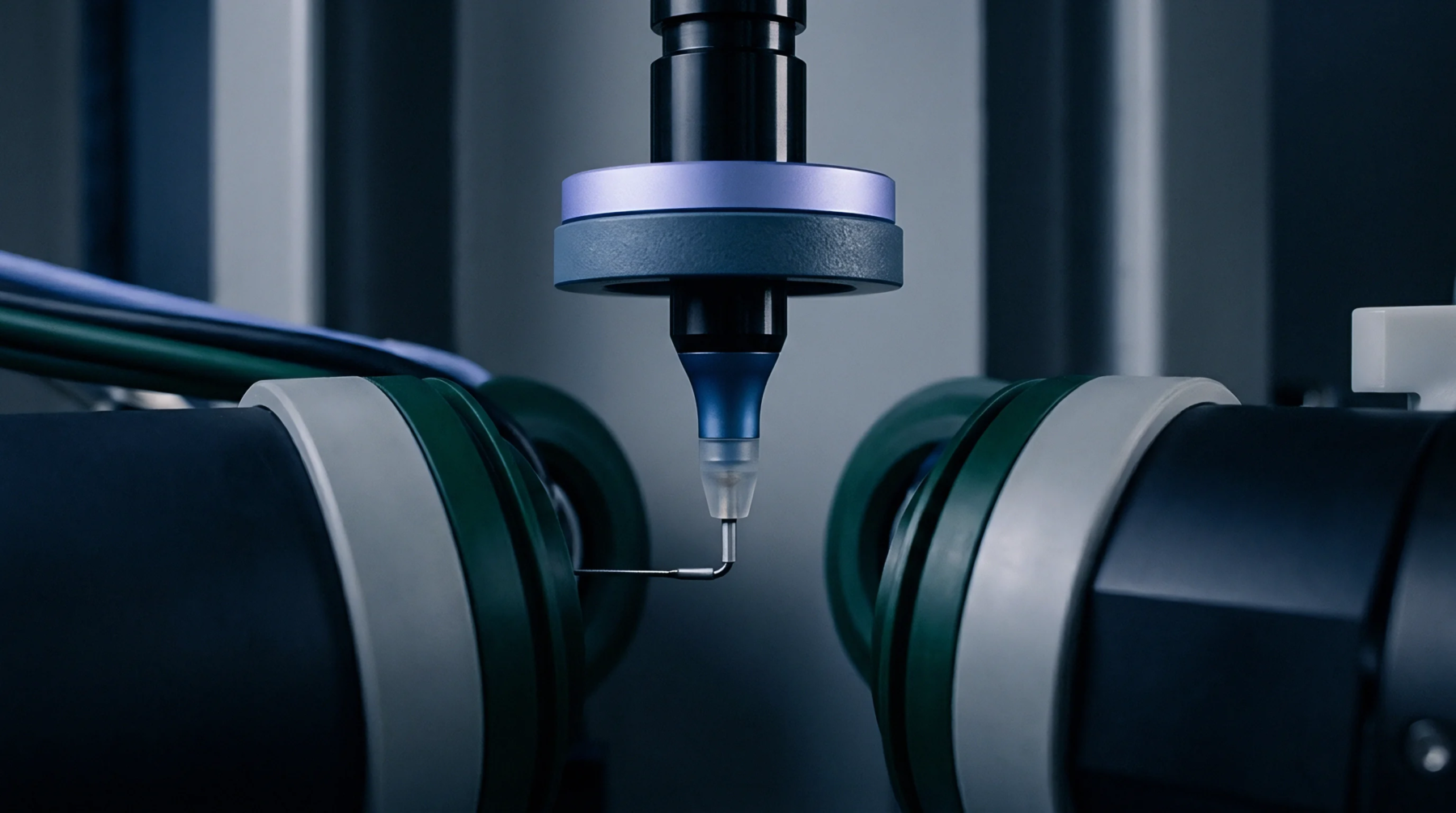
Sub-micron micro molding tooling requires preloaded rolling alignment, rigid pocket seating, and tight thermal regulation to hold sub-five-micrometer part tolerances.

Sub-micron replication requires peak cavity pressures above 180 MPa paired with dynamic mold heating exceeding polymer Tg before melt arrival.
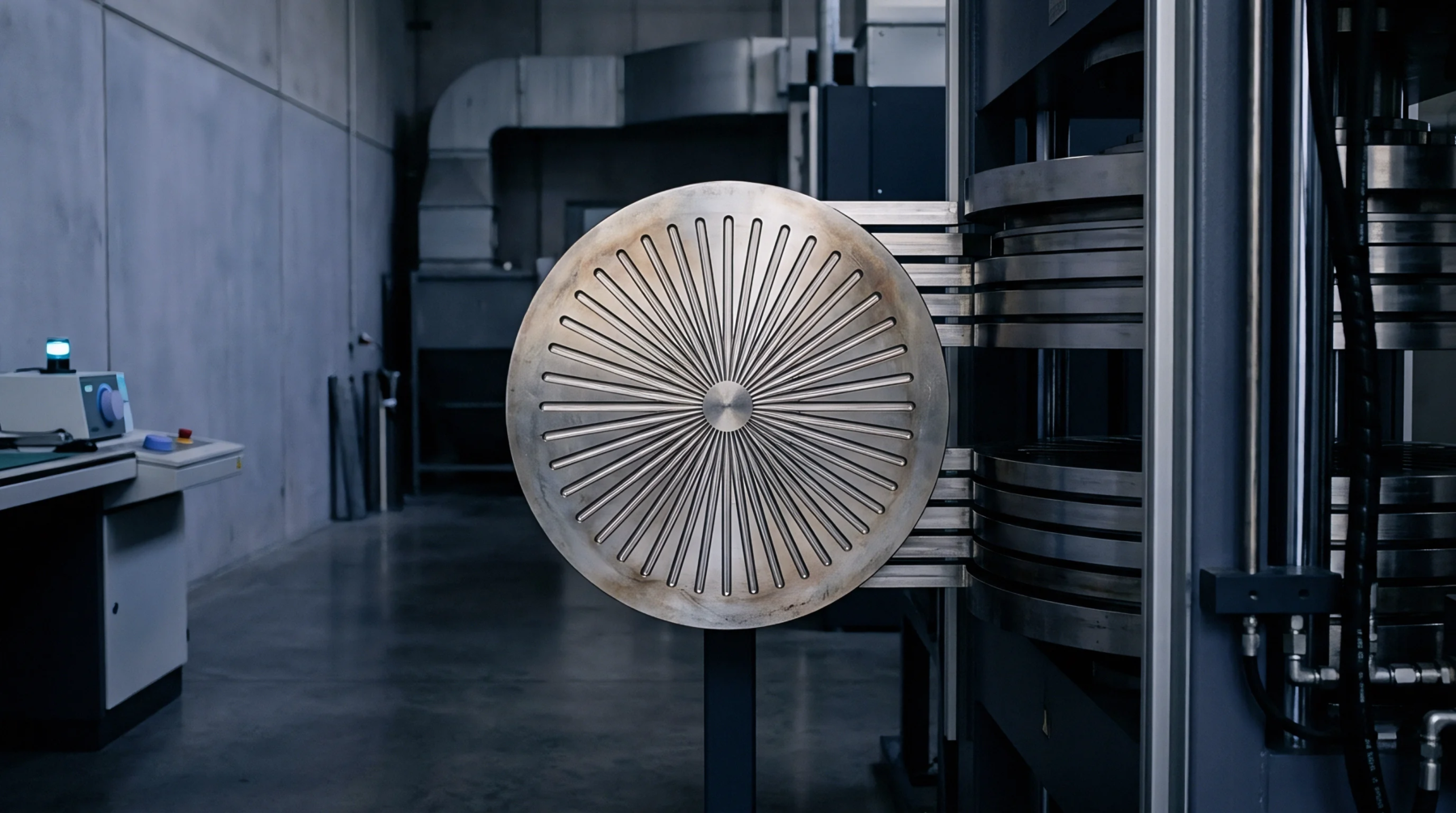
Precision cavity pressure sensor selection demands matching load path dynamics with piezoelectric drift limits and verified in-situ dynamic calibration routines.

Volumetric areal parameters predict gate wear before profile roughness detects steel loss, preventing tool failure in glass-filled polymer injection molding.
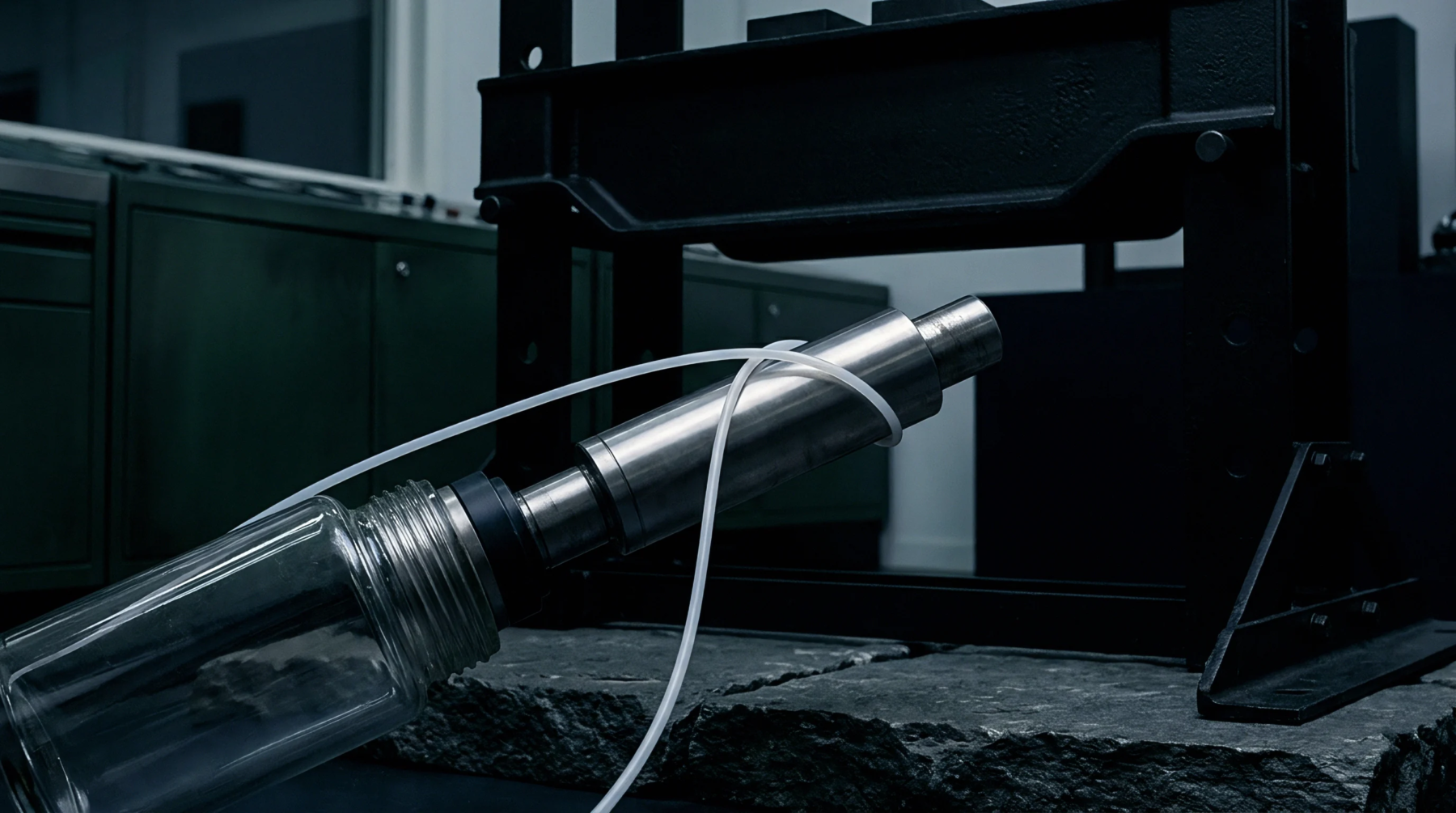
Closed loop cavity pressure regulation corrects melt viscosity drift by dynamically modulating switchover point and packing profile to hold volumetric shrinkage constant.

Predicting transient macro gap thermal decoupling requires coupling cavity pressure decay kinetics with non-linear contact mechanics to model thermal resistance spikes.

Packing pressure forces molten polymer into micro-surface roughness features, increasing thermal contact conductance up to ten-fold until solidification gap detachment occurs.

Dynamic cavity pressure curve integration over hold time governs volumetric polymer density and predicts final part dimensions before tool ejection occurs.
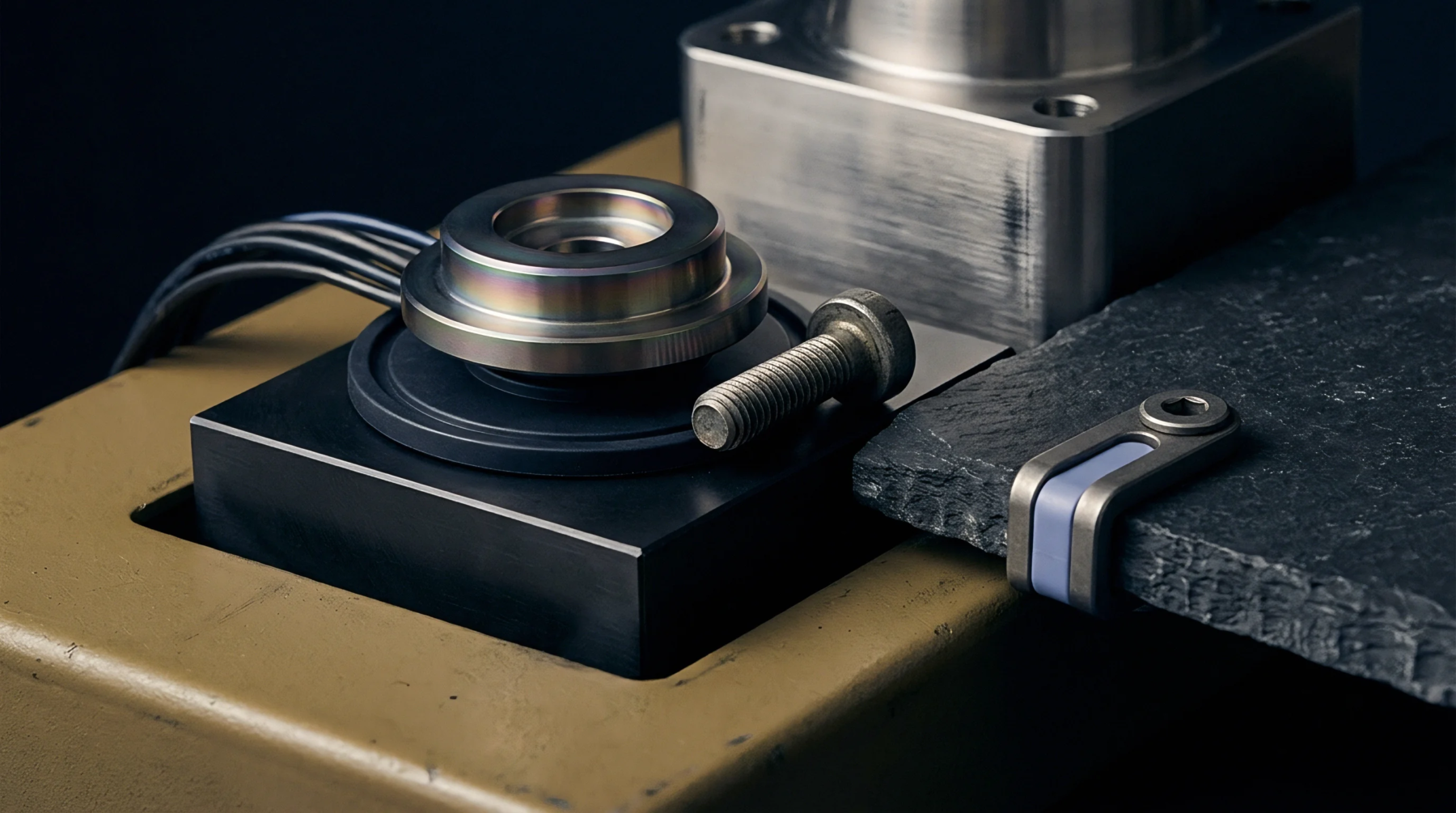
Predictive multiphysics modeling of cavity wall heat flux balances thermal extraction across high-cavitation tooling to cut cycle times and eliminate warpage.
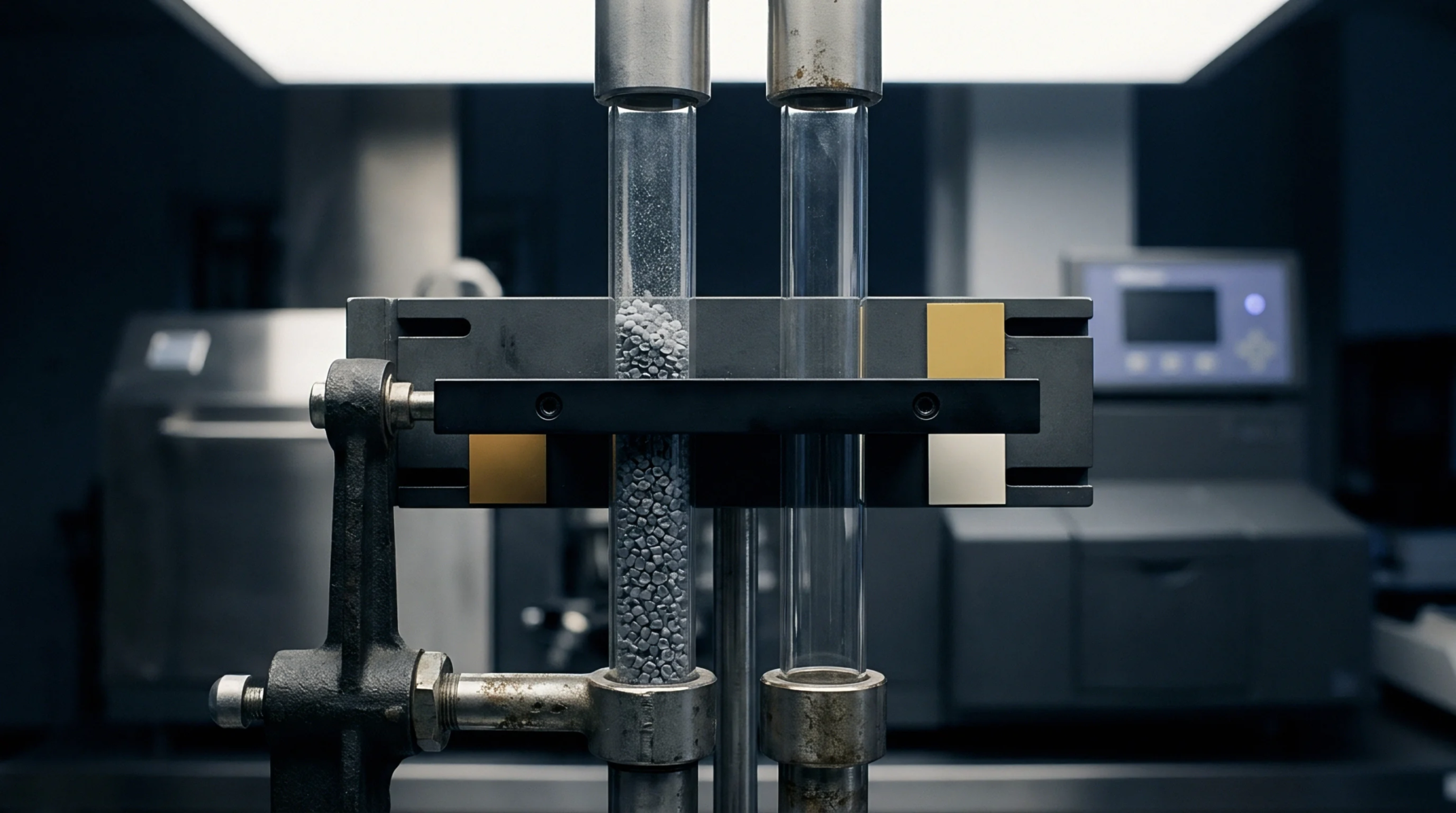
Predict boss torque retention by coupling anisotropic fiber orientation mapping with Prony series viscoelastic shift factors under thermal exposure.

Polycarbonate parts with 2.0mm to 4.5mm wall steps generate 34 MPa thermal stresses; accurate 3D viscoelastic simulation prevents expensive re-cuts.
Managing shear imbalance across high-density cavities depends on rotating channel boundary layers at runner splits to equalize melt viscosity before gating.

Uncalibrated optical scans on mirror-polished plastic introduce up to fifteen micrometers of false elevations, ruining First Article Inspection accuracy.
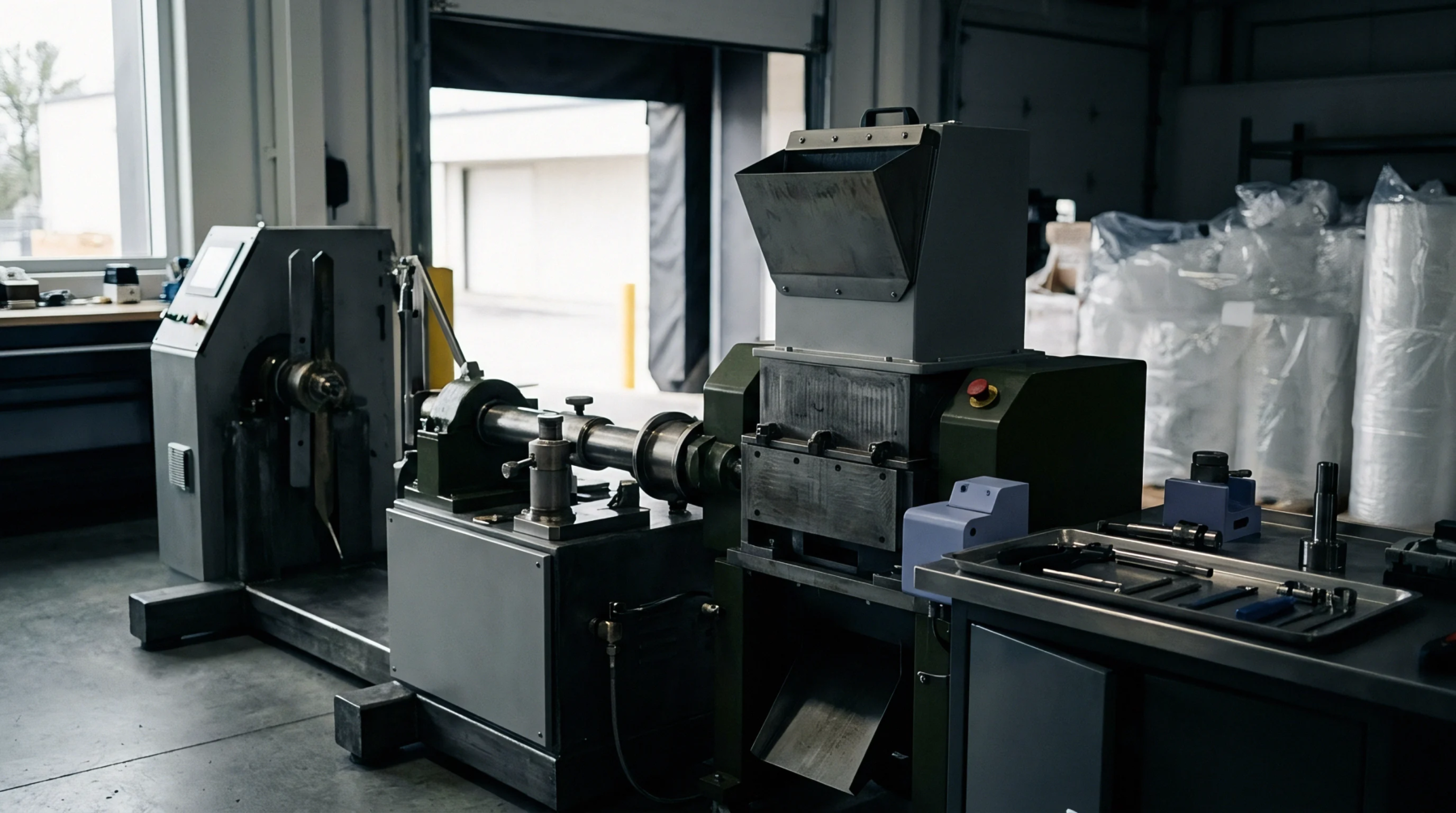
Protect customer injection molds by filing UCC-1 protective bailments and securing bank subordination waivers before placing steel at a supplier facility.

Stabilize unreinforced PP dimensional drift by maximizing in-mold crystallization via hot tooling and extended pack, then conditioning parts prior to inspection.
Expertise is a utility, not a secret. sentiention™ publishes its working knowledge as open reference: intelligence layer covering the materials it sources, the markets it enters, and the reference that serves both.