
Resolving Conflicts between Retaining Liens and Registered Overseas Tooling Title
Resolving retaining lien disputes on overseas tooling demands immediate cash counter-guarantees under local civil codes rather than foreign title litigation.
Resolving retaining lien disputes on overseas tooling demands immediate cash counter-guarantees under local civil codes rather than foreign title litigation.
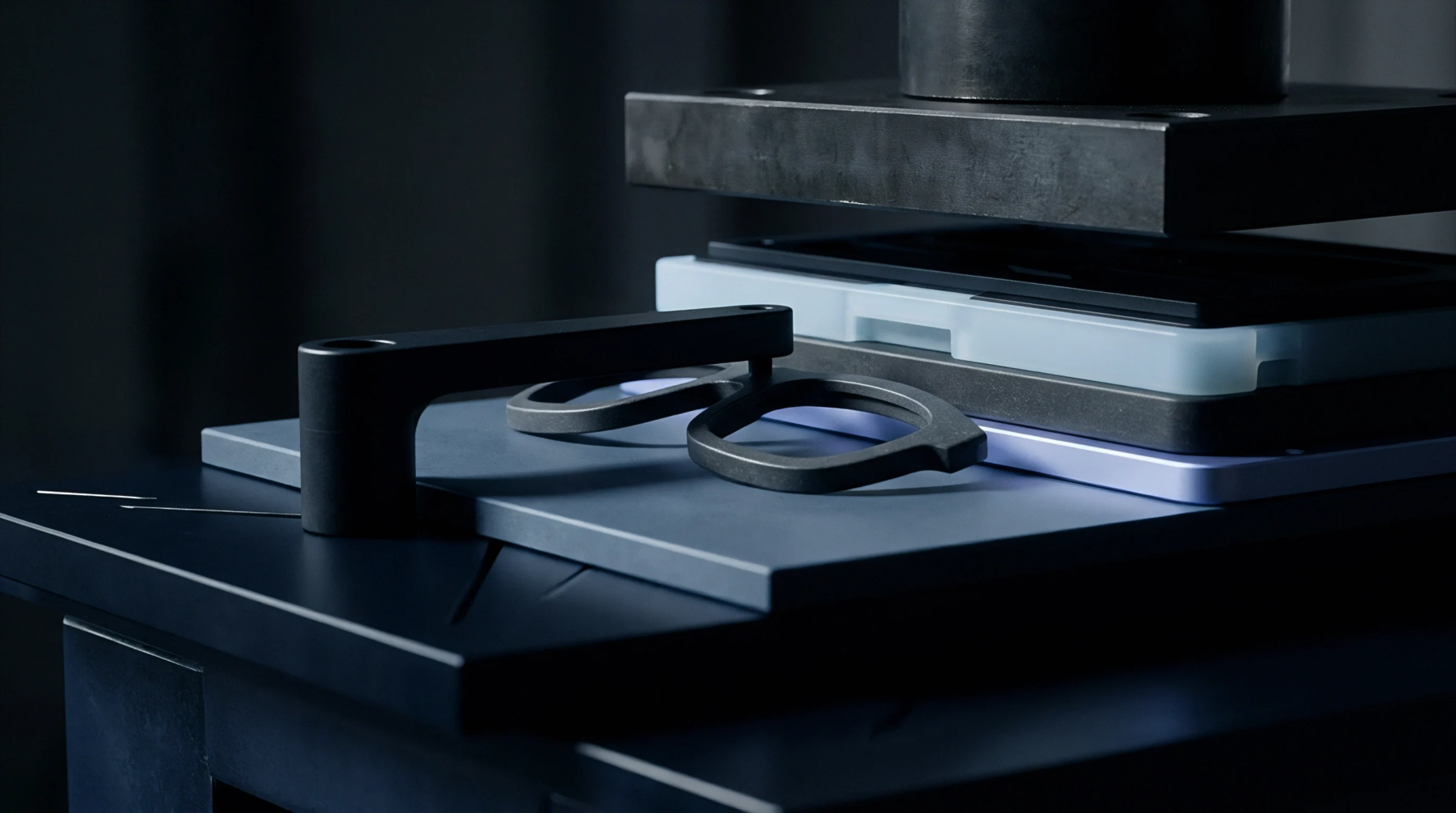
Cross-border mould ownership verification relies on physically stamped asset tags, steel heat certs, press telemetry logs, and explicit customs assist entries.
High-nitrogen martensitic steels like DIN 1.4108 reduce fluoropolymer tribo-corrosion wear rates below 0.08 cubic millimeters per newton meter.
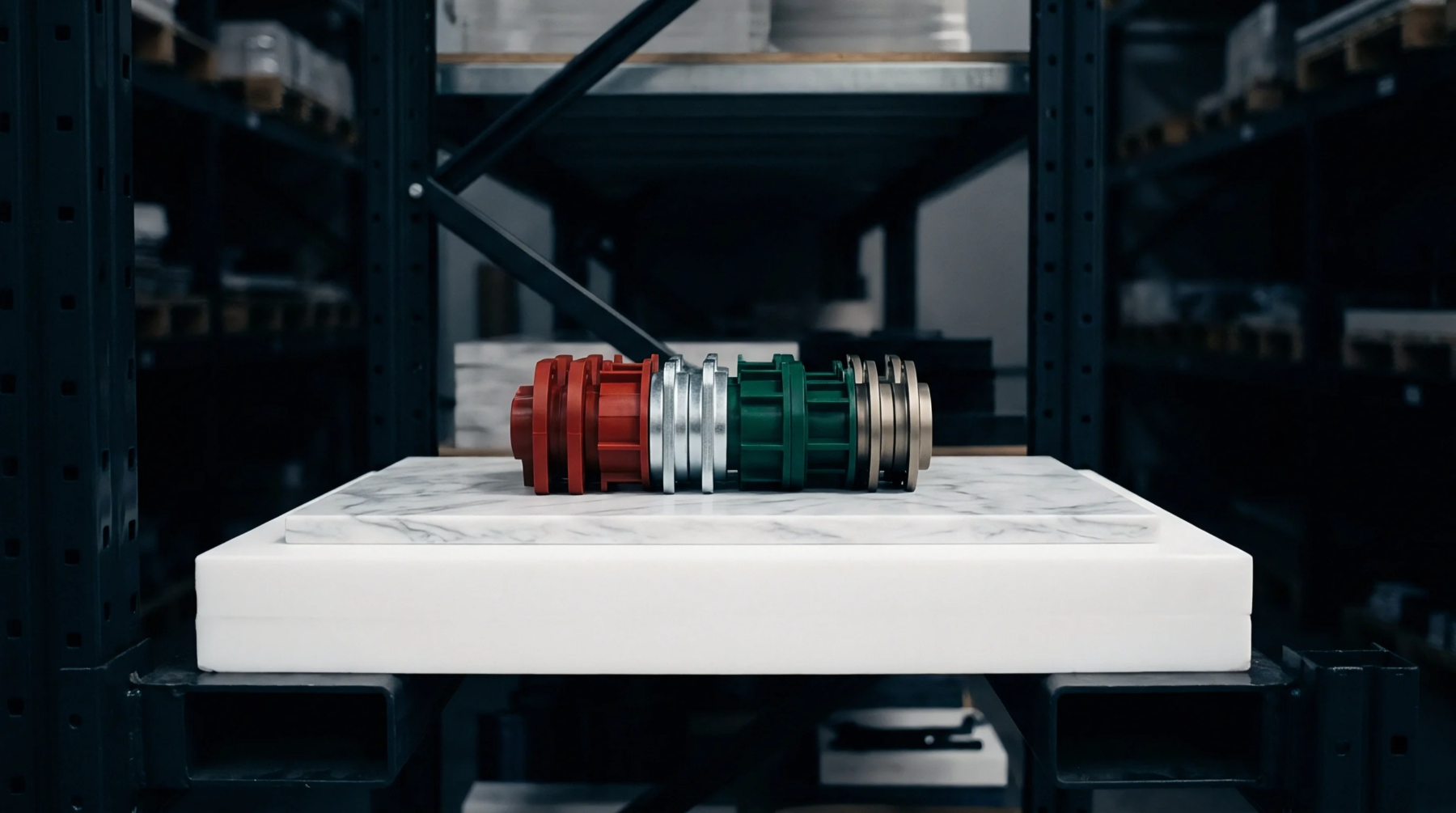
Vacuum gas quenching with triple tempering controls retained austenite under one percent, preventing dimensional drift and fatigue cracking across high-volume cavities.
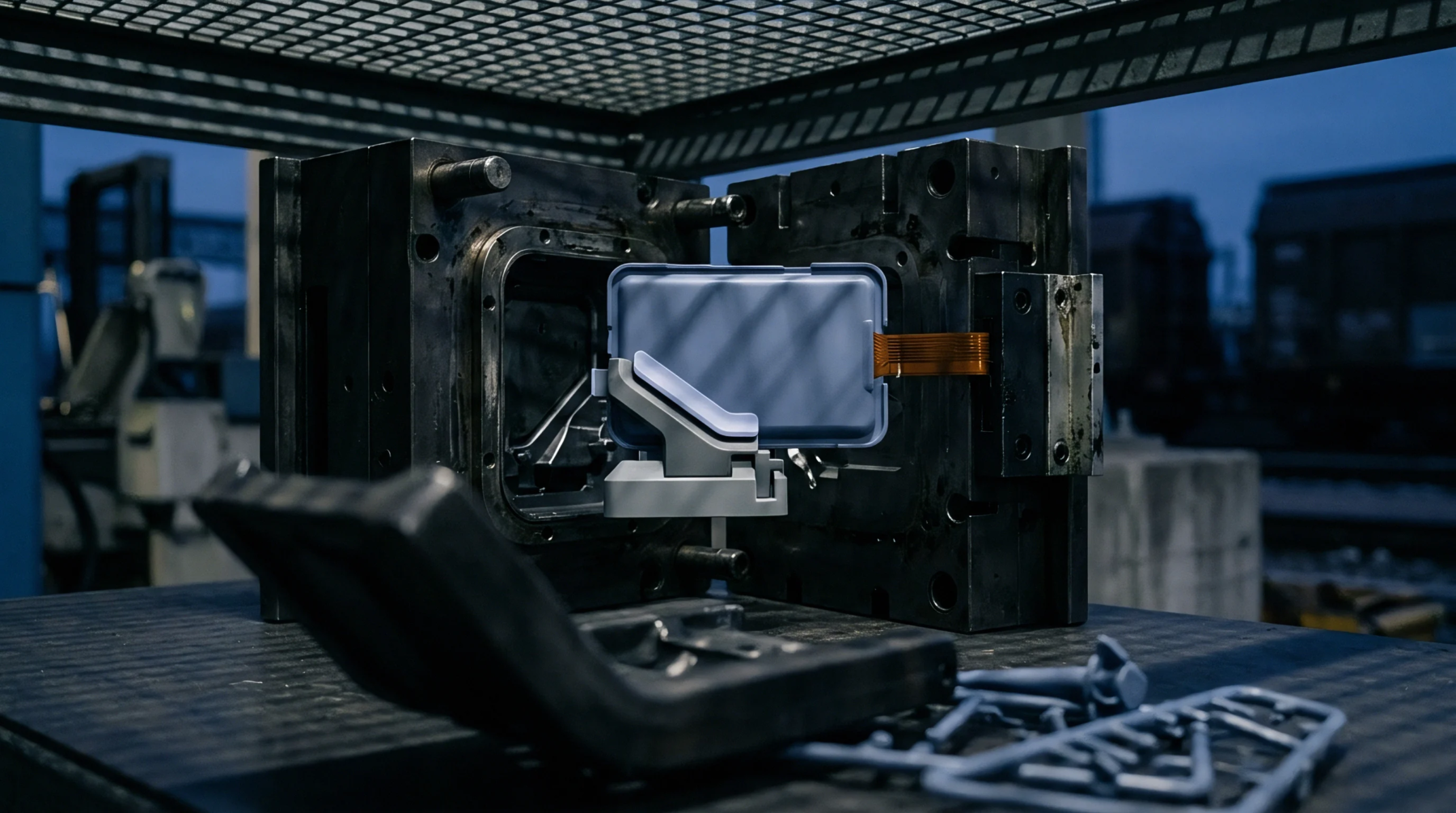
Select electro-slag remelted or powder metallurgy tool steels hardened above 50 HRC to prevent premature gate erosion and parting line peening over extended runs.
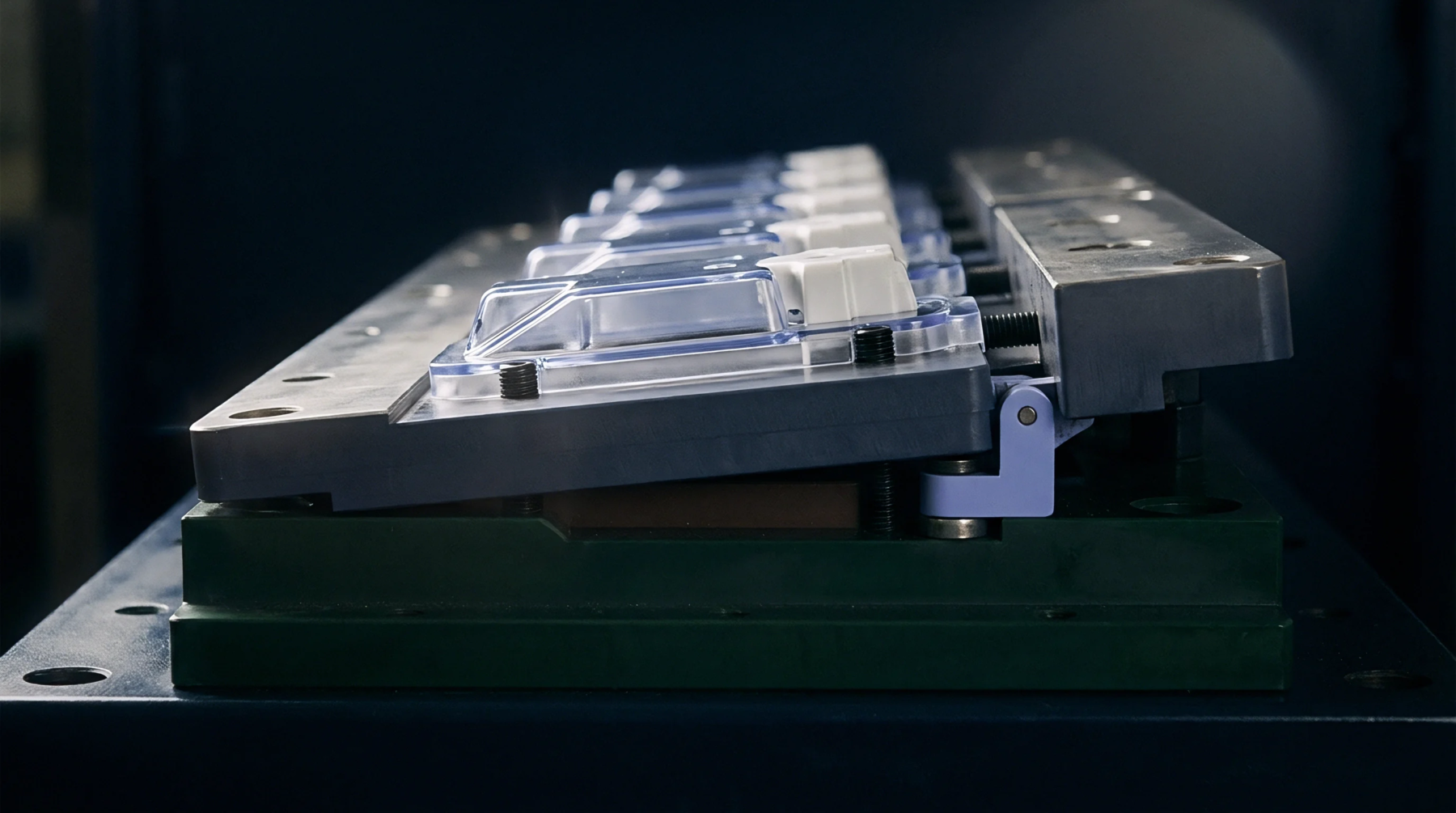
Structure escrow payments to drop-to-drop fill balance, cavity pressure traces, and DIN 16742 Cpk benchmarks before releasing final tool retainage funds.
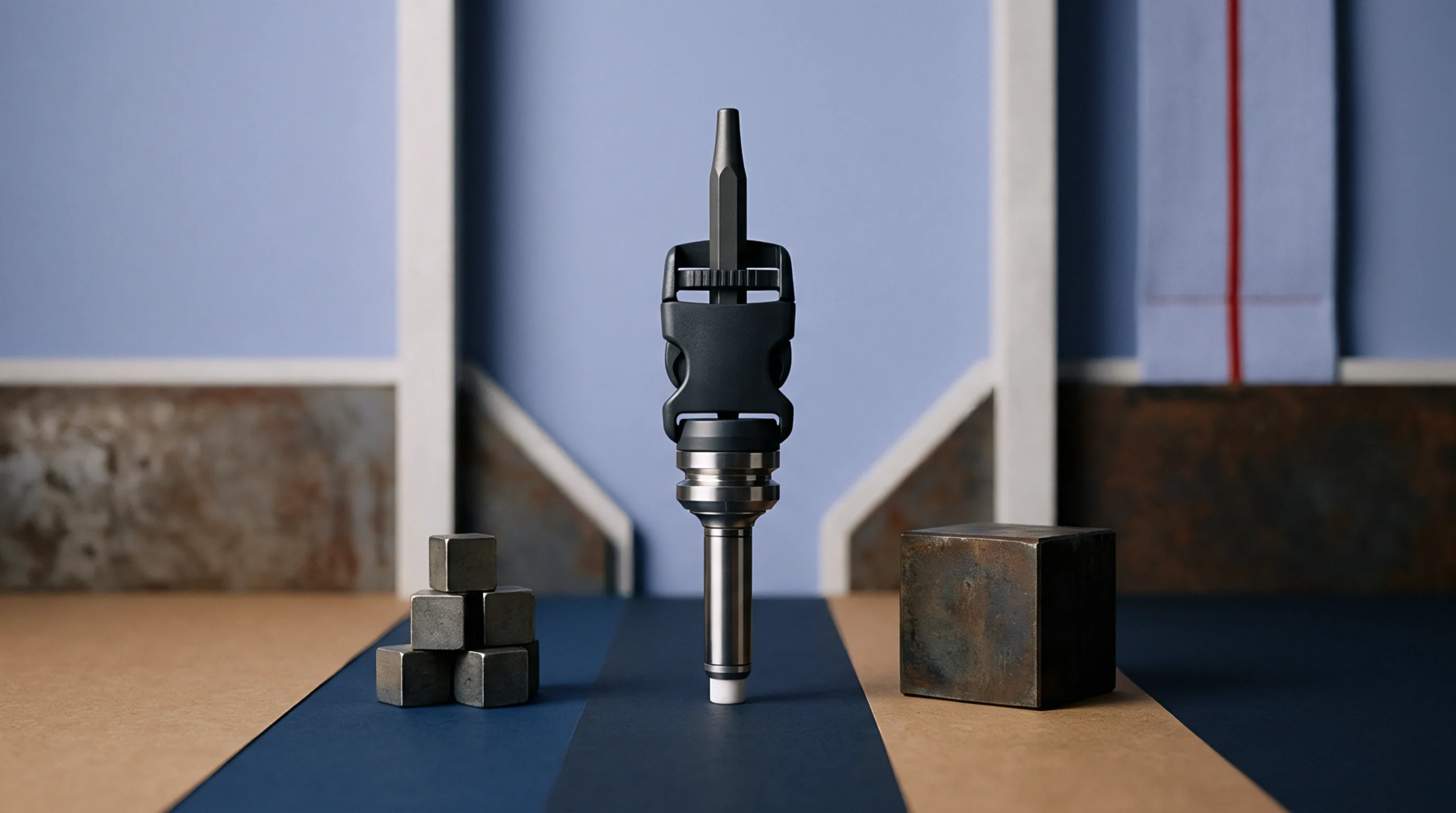
Cross-border hot runner transfers succeed only when electrical pinouts match regional controllers, thermal expansion is bench verified, and cavity balance is re-qualified.
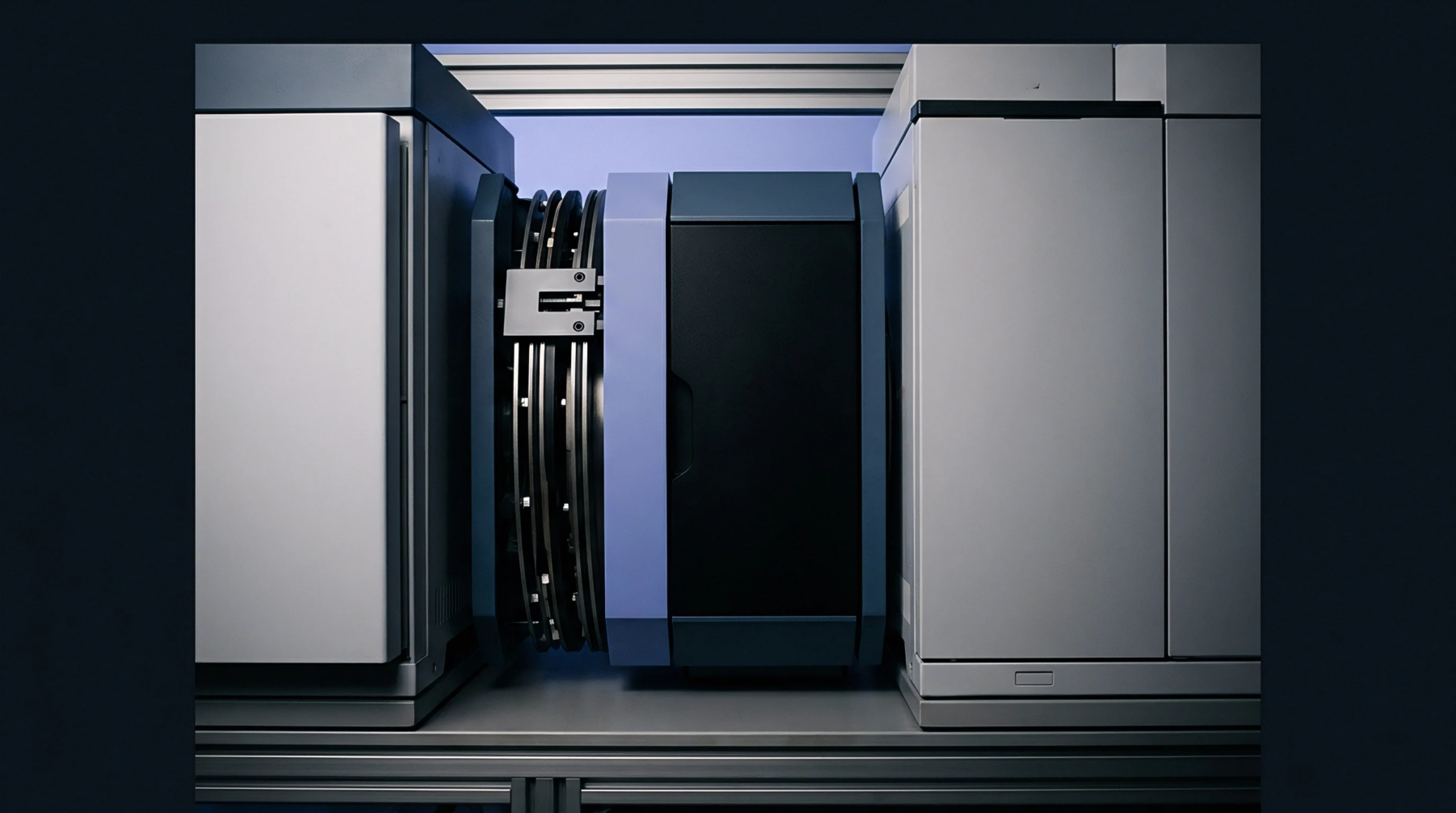
Verify residual fatigue in recovered tool steel using non-destructive ultrasonic and hardness testing to calculate Miner rule damage before retooling.
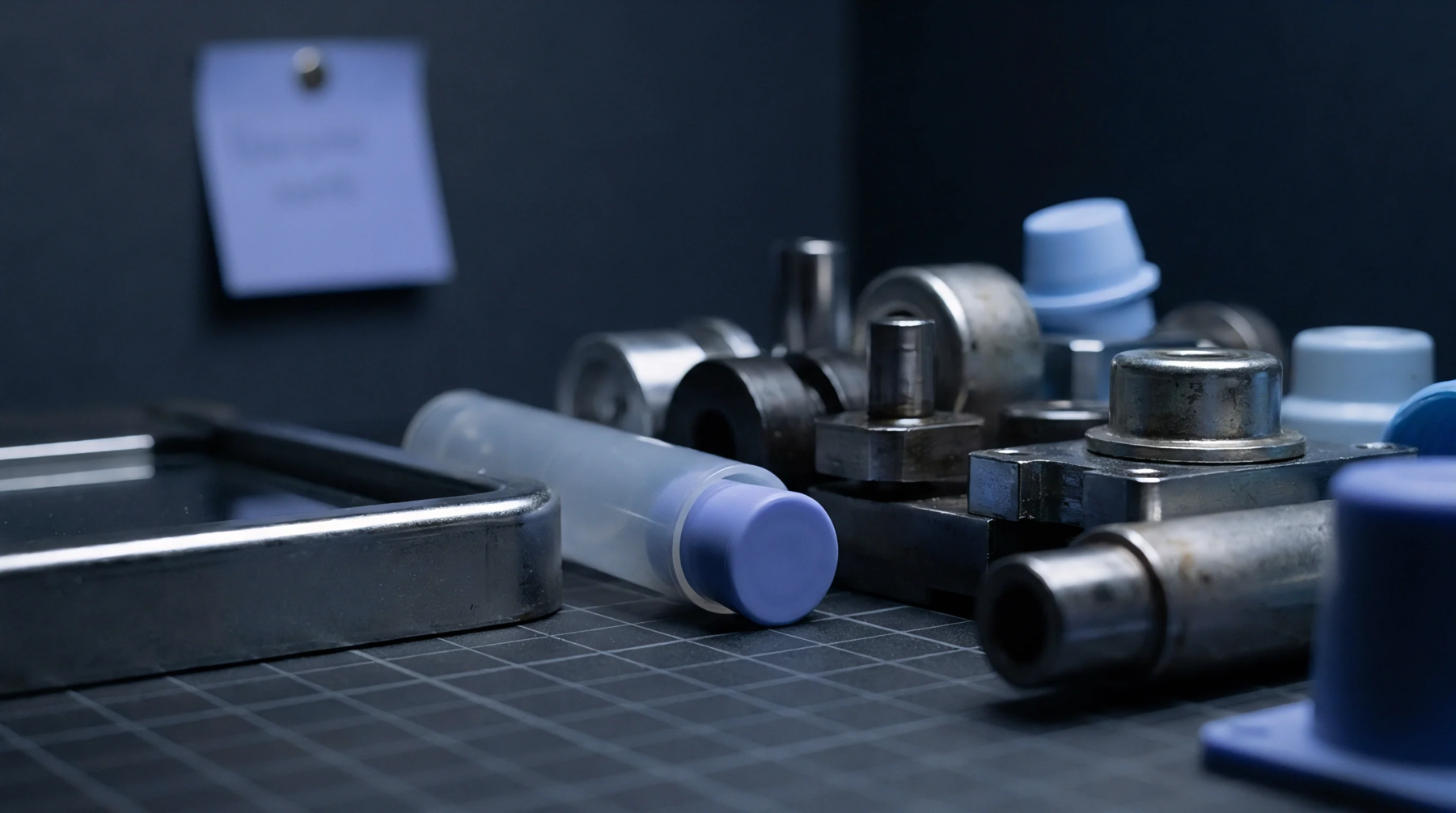
Auditing unamortised tooling liabilities requires matching press shot logs and shipping records against contracts to eliminate inflated change charges and liens.

Verify cross-border injection tool ownership through deep steel stamping, explicit bailment agreements, temporary import registrations, and full part amortization.
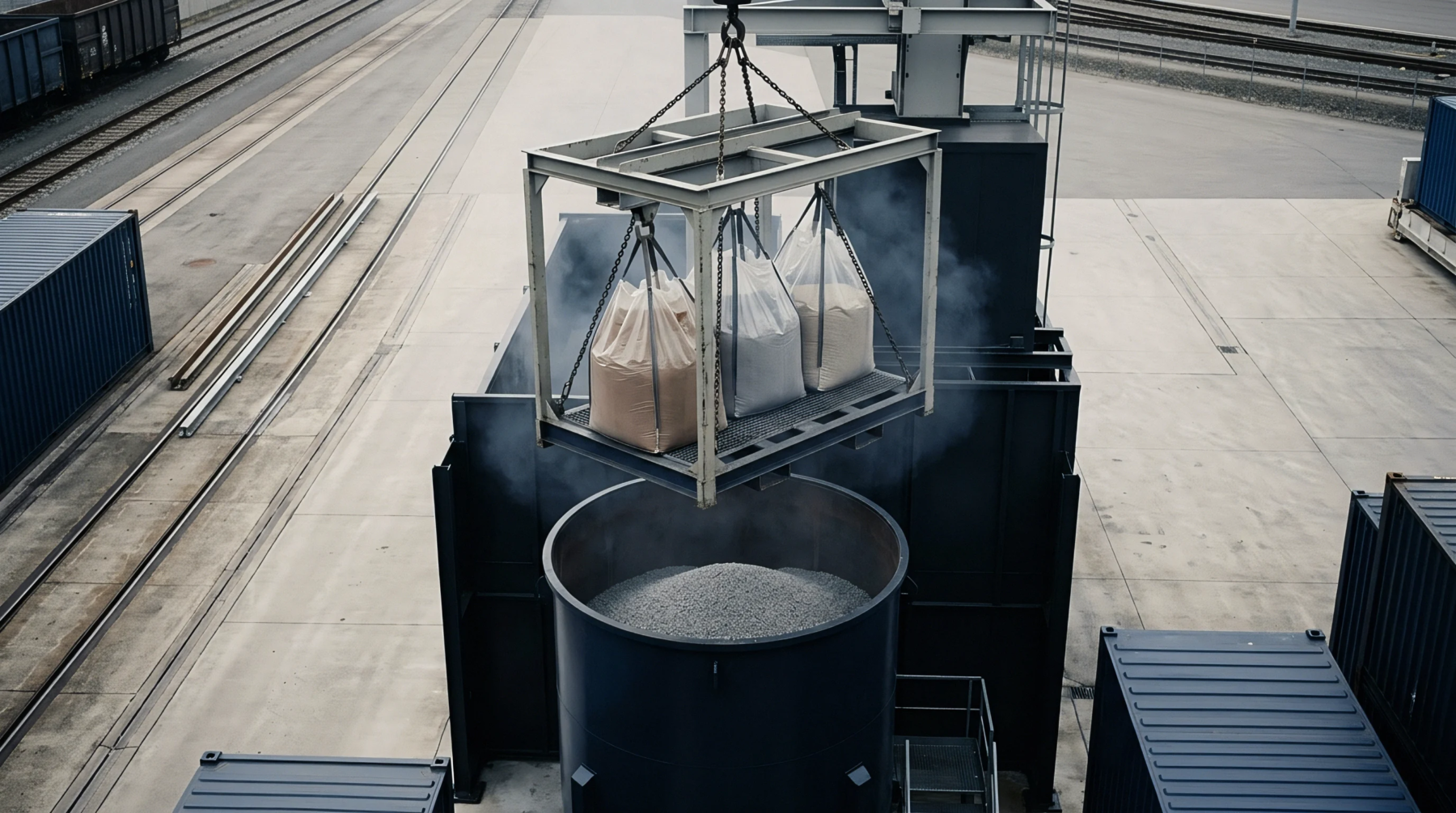
Integrating extensional rheometry into process window maps establishes exact strain hardening limits to prevent sheet sag and catastrophic corner thinning.

High aspect ratio micro textures attenuate optical interferometry signals when sidewall slopes exceed objective numerical aperture angle limits.

Lock S-filter and L-filter cutoffs to feature pitch and optical resolution under ISO 25178 before tooling sign-off to prevent false replication approval.
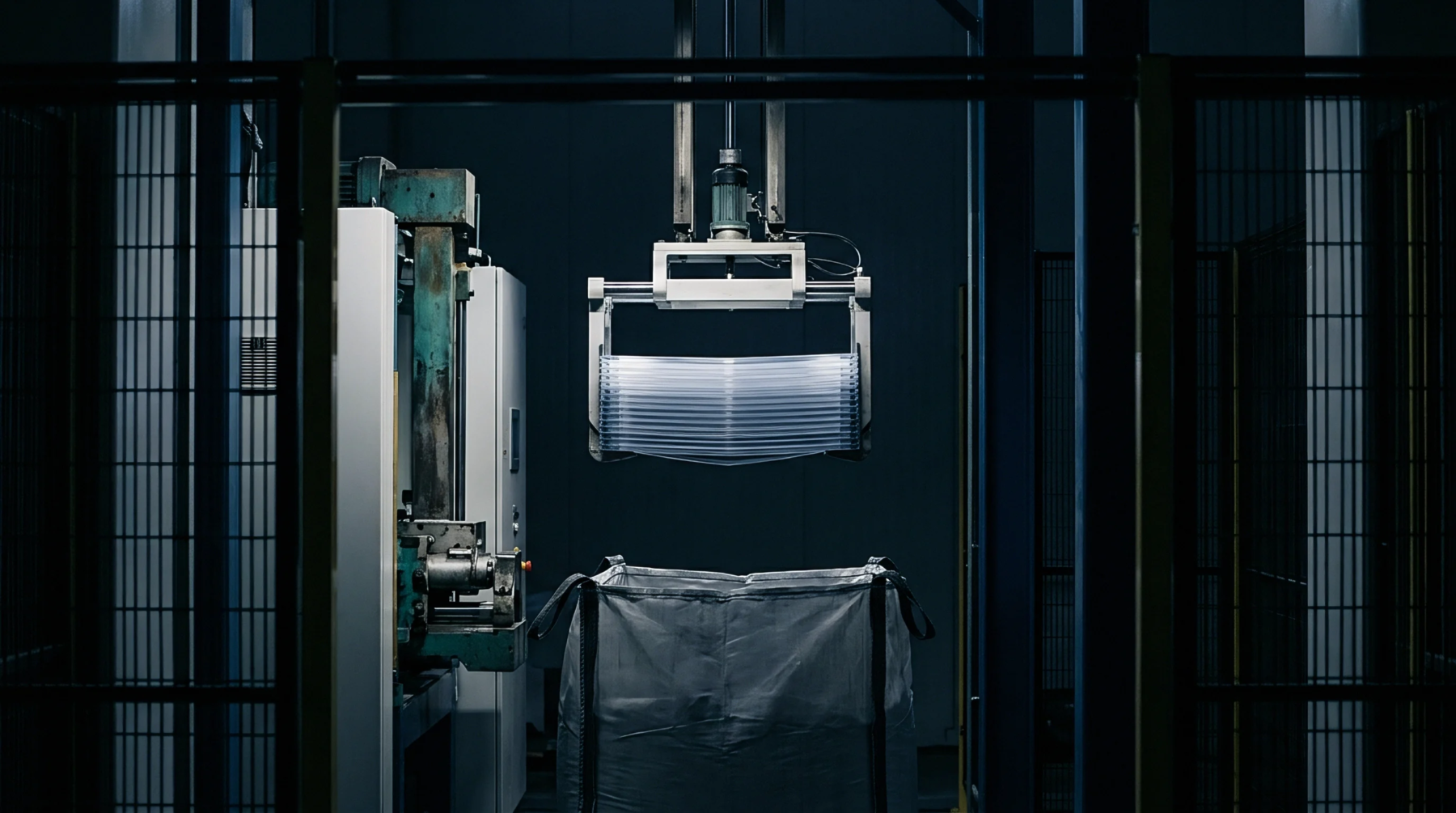
Verifying instrument transfer function in narrow cavities requires chirp artifact calibration to correct spatial frequency attenuation from optical vignetting.
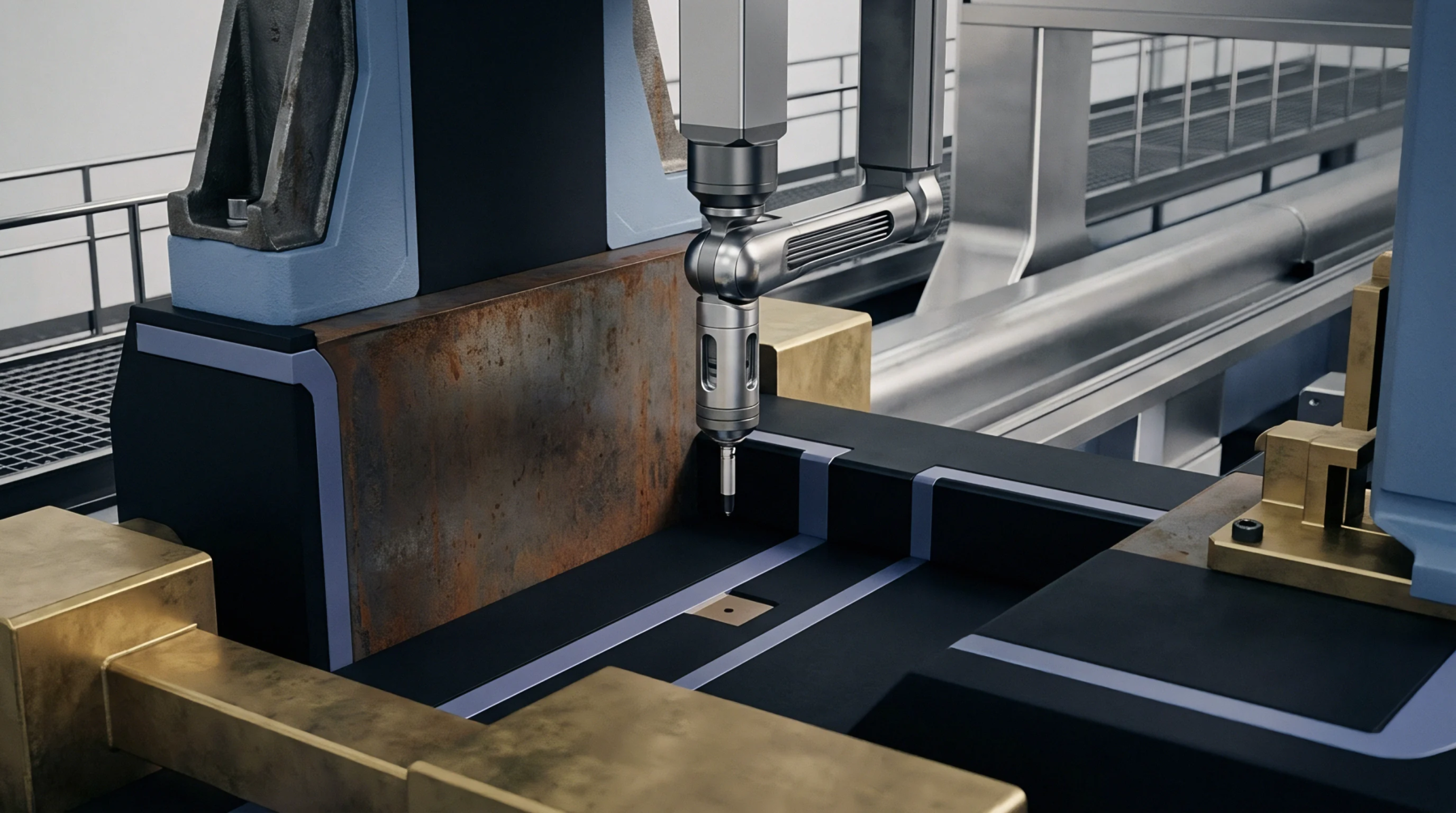
Dynamic strain calibration matches indirect pin force signals to true cavity pressure transients across micro cavities to eliminate fill imbalance.
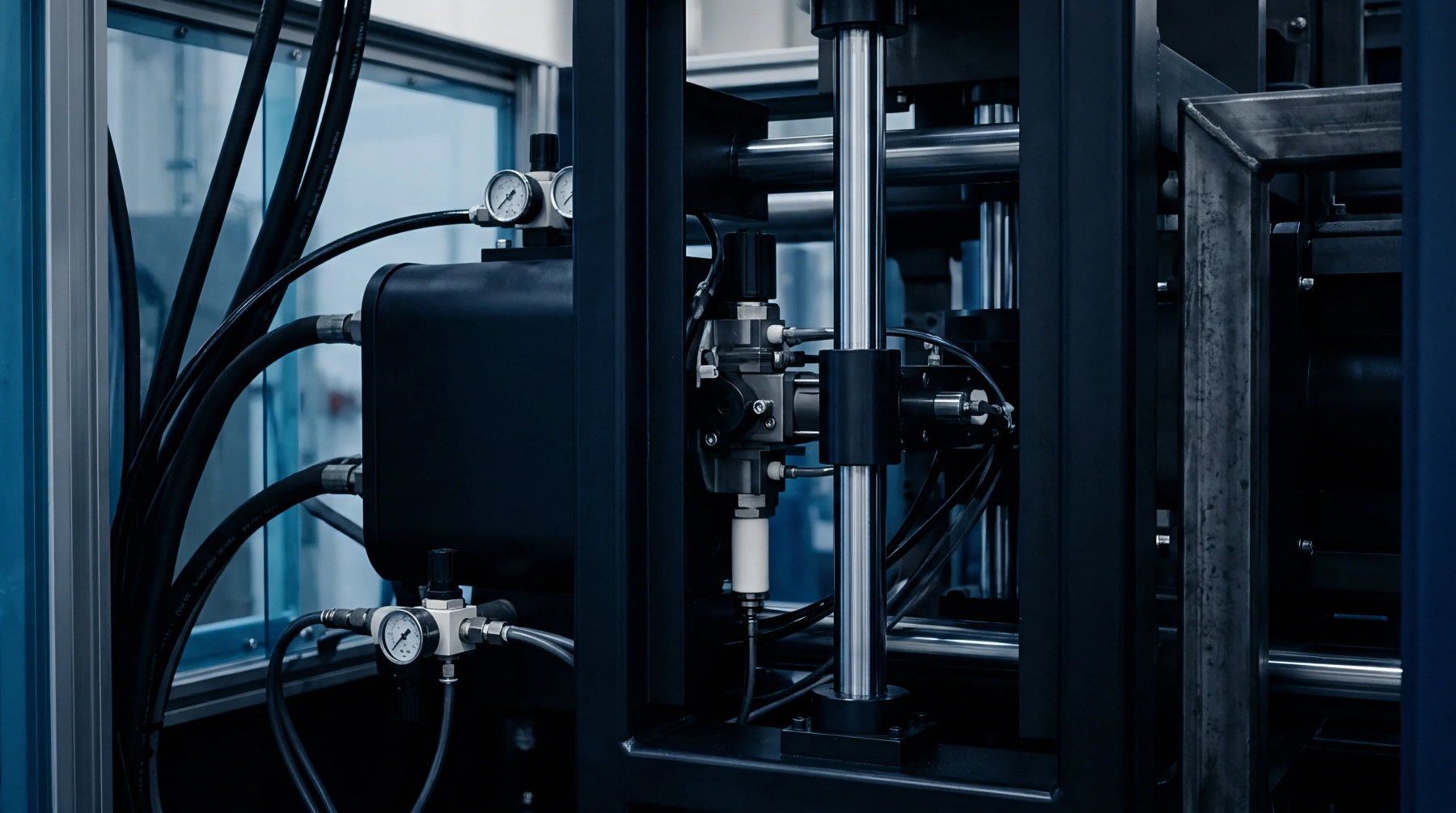
Predicting long manifold bow requires integrating non-linear thermal moments across asymmetric zones to engineer cold pre-camber and variable pad shims.
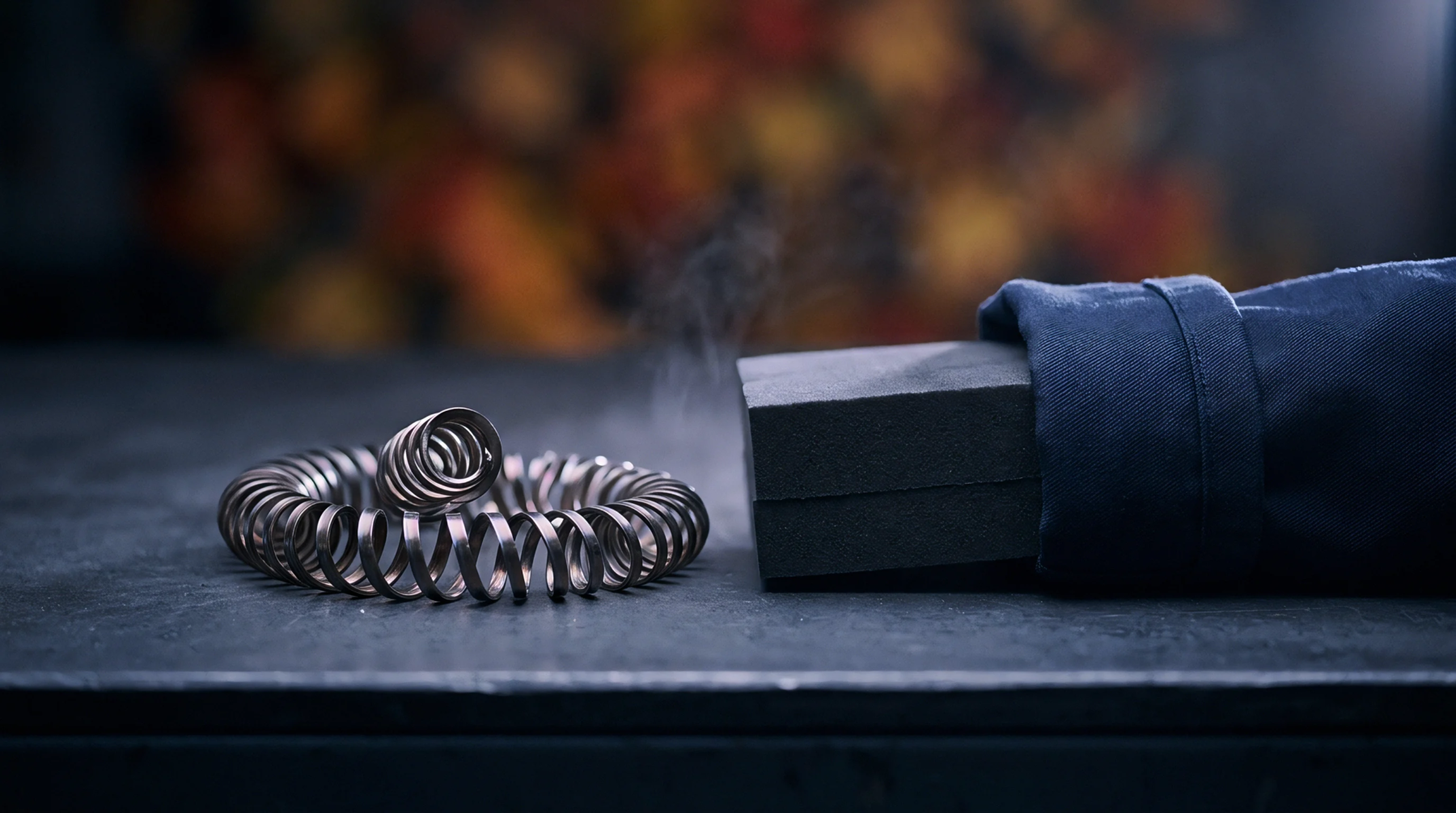
Controlling tool thermal expansion within one degree Celsius secures sub-three-micron part tolerances in precision micro injection molding.
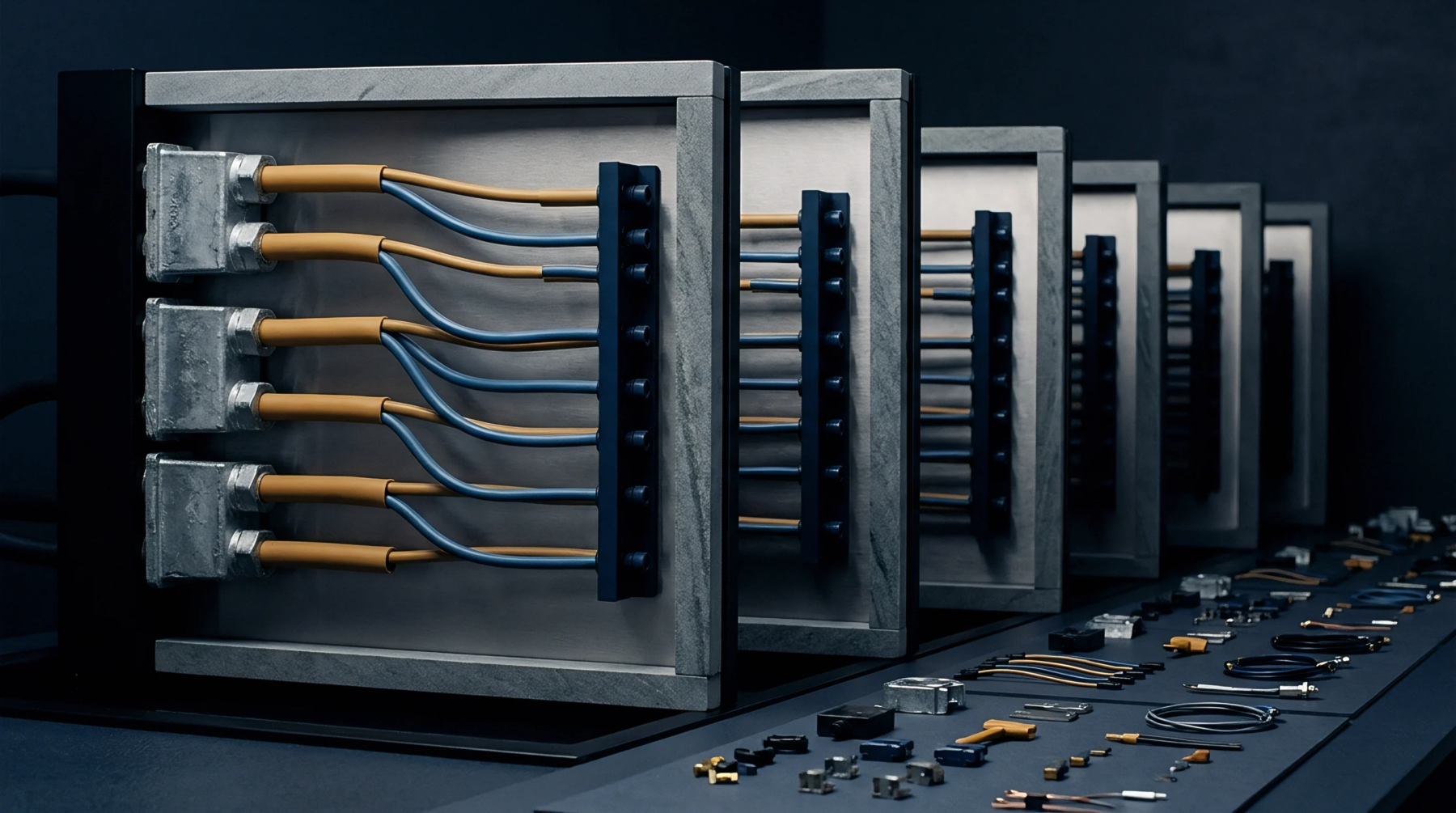
Hot runner manifold expansion calculations require reducing cold nozzle pitch dimensions relative to a fixed locating center based on steel thermal growth.
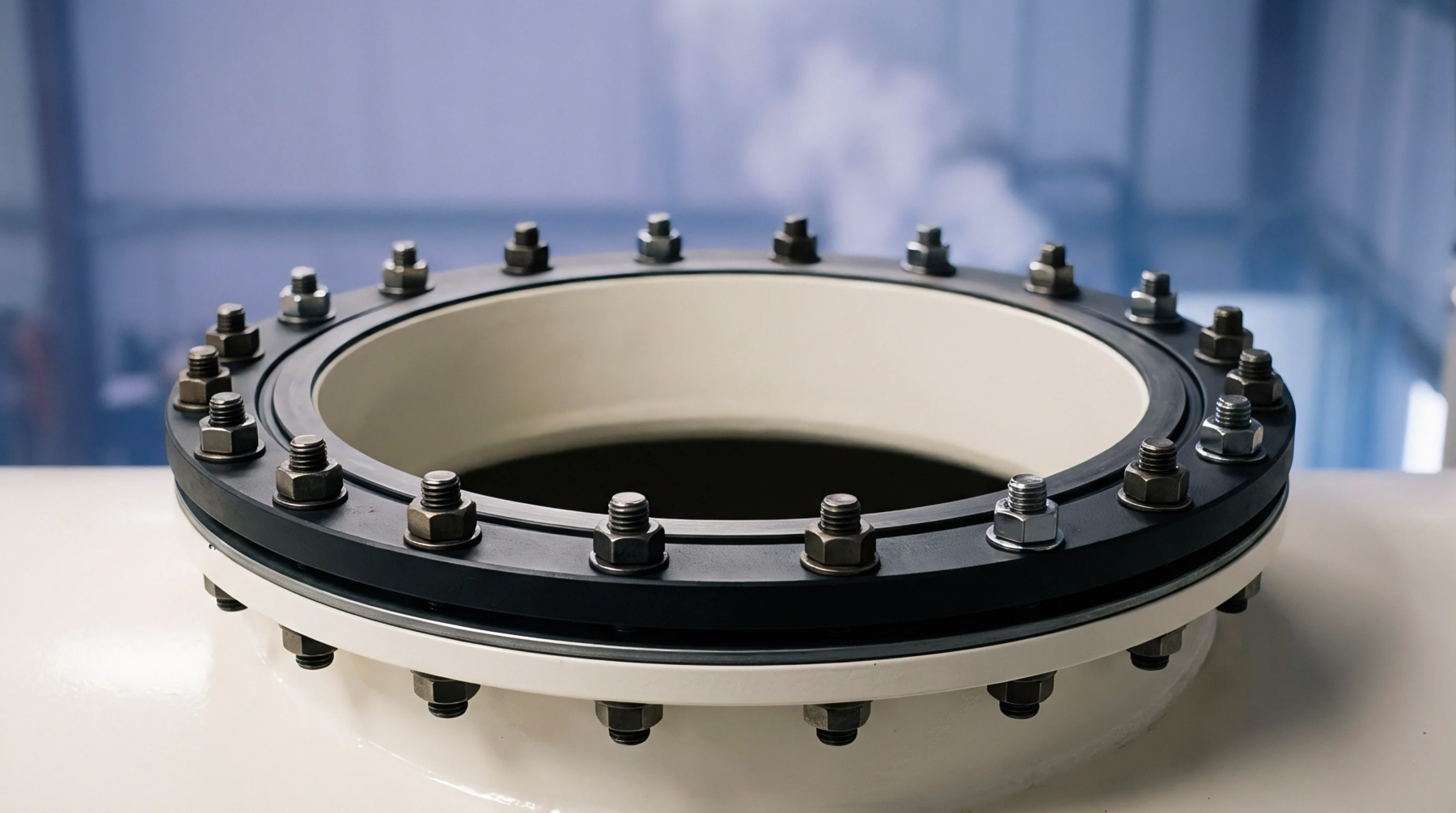
Sub-micron interlock alignment demands hard-milled pocket seating, preloaded kinematic tapers, and symmetric thermal control across core and cavity inserts.

Sub-micron micro-molding requires center-line interlocks, powder-metallurgy steel, and rigid thermal control to eliminate parting line shift and flash.

Select ISO 25178 areal parameters based on tool function: bound Sdr and Sdq to reduce ejection drag, control Vmc for venting, and fix filter cutoffs.
Harmonic phase tracking separates steel thermal drift from polymer solidification, holding multi-cavity part tolerances under non-uniform cooling.
Dynamic thermal filtering of piezoelectric cavity pressure waveforms eliminates thermal shock drift to synchronize multi-cavity switchover within sub-millisecond tolerances.

Boundary friction decoupling in micro slit channels reduces required cavity fill pressures by forty percent, allowing higher cavitation on smaller presses.

Direct cavity sensors in micro moulding replace hydraulic guesswork with true melt metrics, locking in sub-micron tolerances and cutting cycle times.

Predictive thermo-mechanical stress modeling balances root fillet geometry, thermal expansion matching, and pressure limits to stop sub-micron grating fatigue.

Pressure-dependent viscosity increases melt resistance in sub-micron channels while wall slip and extreme shear thinning lower dynamic injection requirements.

Dynamic variotherm mould heating eliminates boundary layer freeze-off to ensure complete micro-feature filling while adding seconds to total cycle time.
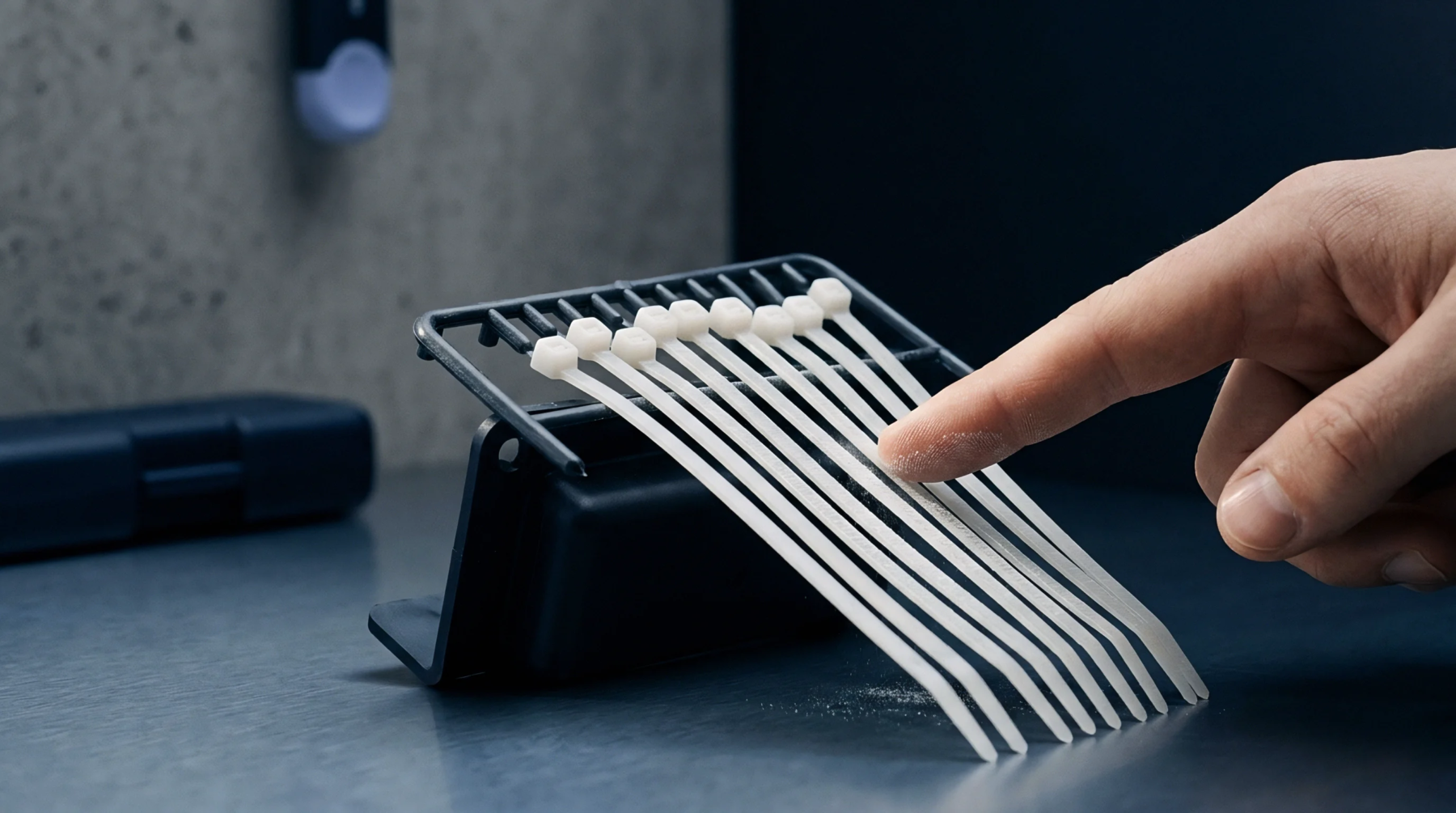
Sub gate wear enlarges gate cross-sections, dropping cavity pack pressure and driving core void growth; replacing gate inserts preserves amortisation schedules.

ISO 25178 volumetric parameters quantify tool steel loss by tracking core volume decay and valley expansion to trigger steel maintenance before parts flash.
Expertise is a utility, not a secret. sentiention™ publishes its working knowledge as open reference: intelligence layer covering the materials it sources, the markets it enters, and the reference that serves both.