Meaning
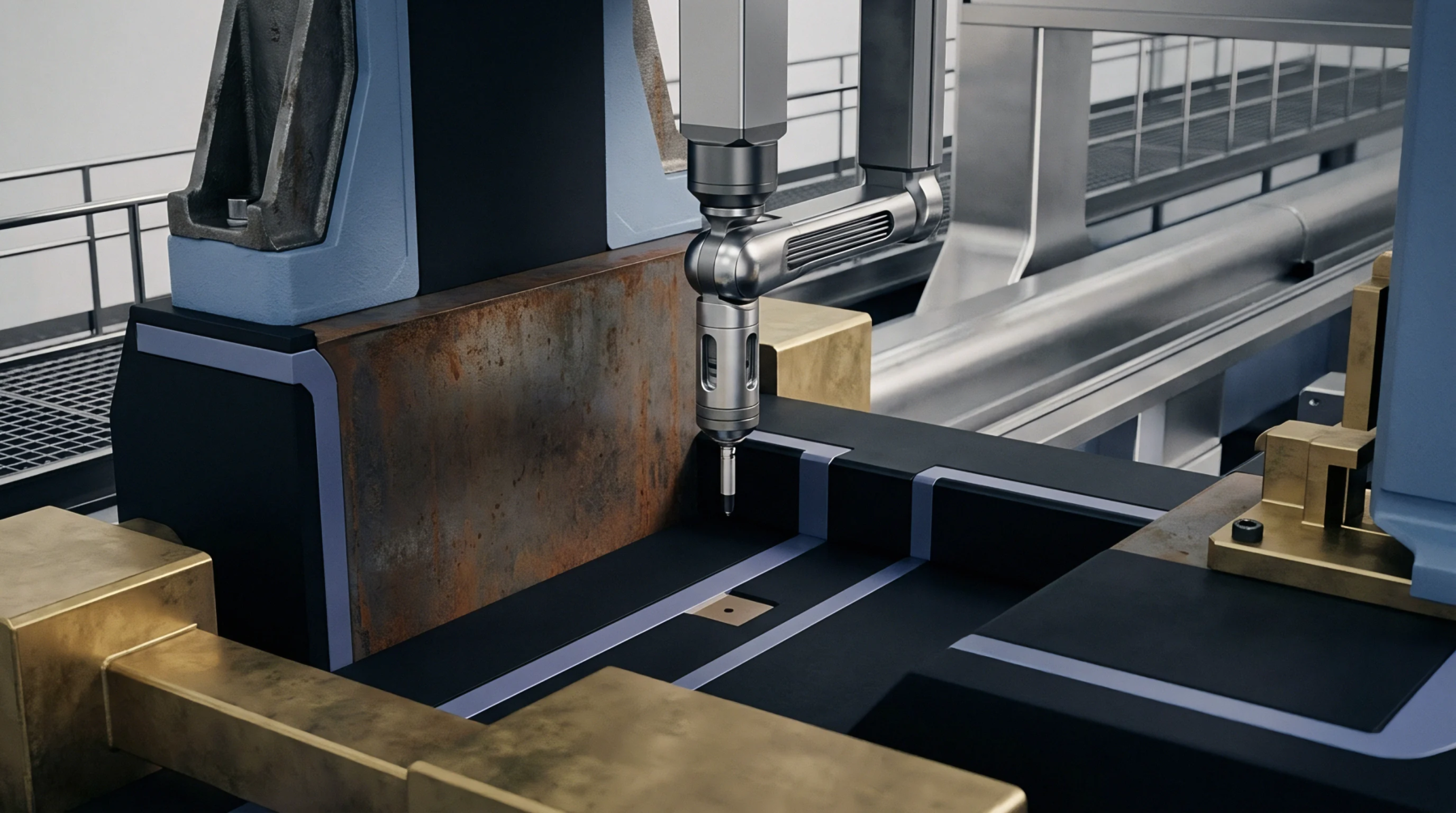
Piezoelectric or strain-gauge measurement device installed directly behind the ejector pin plate in an injection mould to monitor the force required to push the solidified plastic part out of the cavity. Moulders use the ejector pin transducer to track the release force and detect when poor cooling or inadequate lubrication causes the part to stick.
Force Monitoring
Force measurements during the ejection phase provide early warnings of mould damage or part deformation. When the ejector pin transducer detects a sudden spike in resistance, it indicates a failure of the part to release cleanly. This feedback allows the moulding machine to halt the cycle before the next injection occurs, preventing a double-shot that could crush the tool.
Mechanical Installation
Mounting of these sensors requires a precise pocket machined behind the shoulder of the ejector pin. The pin transmits the mechanical resistance of the plastic part directly to the sensor button, converting the physical force into an electrical charge. Because the sensor does not contact the polymer melt directly, it avoids the high thermal stresses that typically degrade cavity transducers.
This physical separation also means the sensor is protected from chemical attack by outgassing additives or volatile pigments during the moulding run.
Process Analysis
High ejection forces usually stem from excessive cavity pressure or insufficient cooling time which leaves the part too soft. Analysis of the force curve helps the process engineer adjust the pack-and-hold profile to reduce mold shrinkage or increase cooling efficiency. Corrective action maintains the surface quality of the molded piece.