Meaning
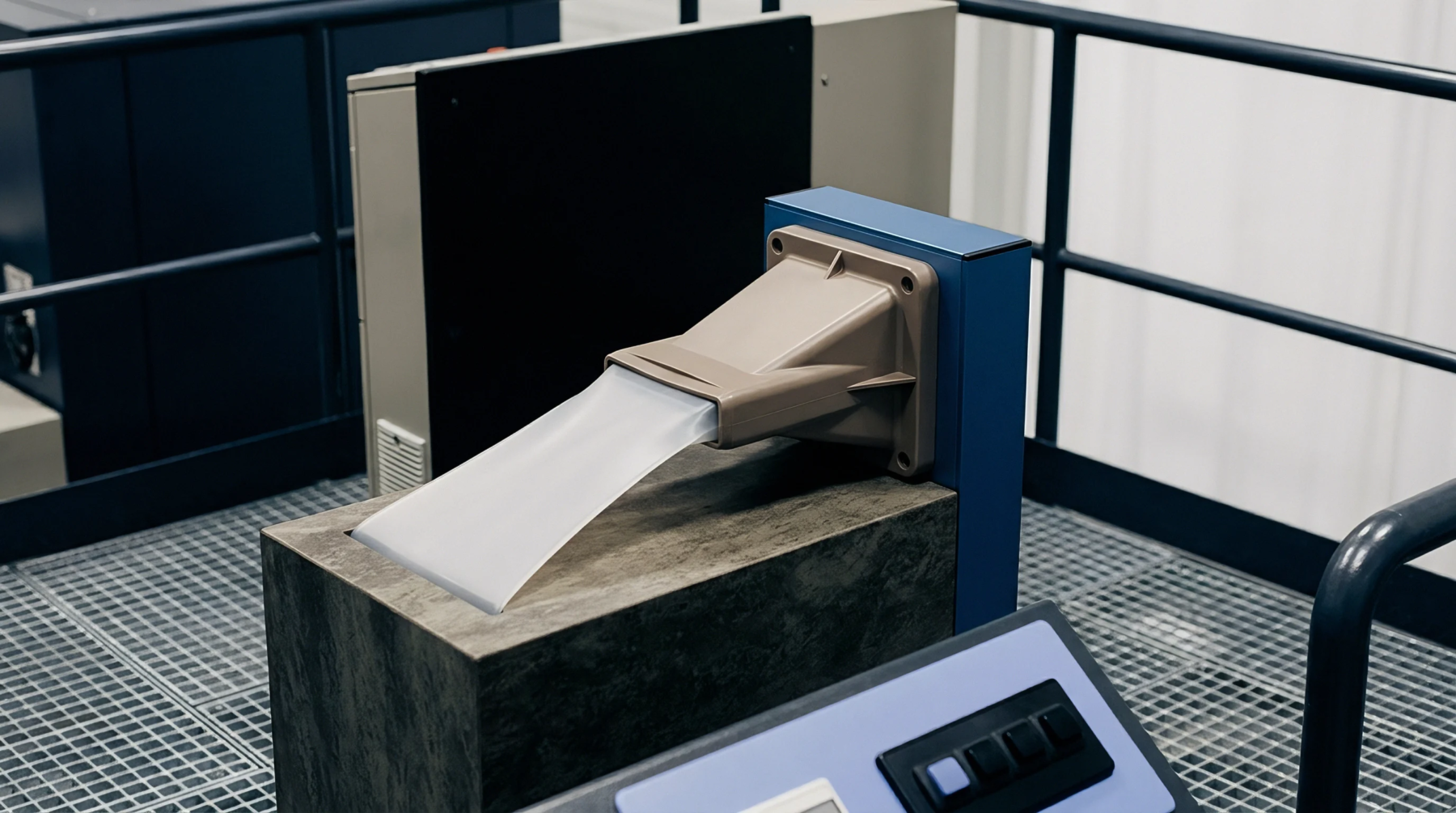
Thermoplastic moulded component tolerance specification DIN 16742 governs dimensional deviations across manufactured polymer parts. Polymer shrinkage rates and tool temperature variations define the boundary where the standard stops applying, because unreinforced amorphous resins behave differently from highly filled semi-crystalline compounds during cooling. Technical drawings rely on these precise limits to separate acceptable production output from scrap parts.
Shrinkage Allowance
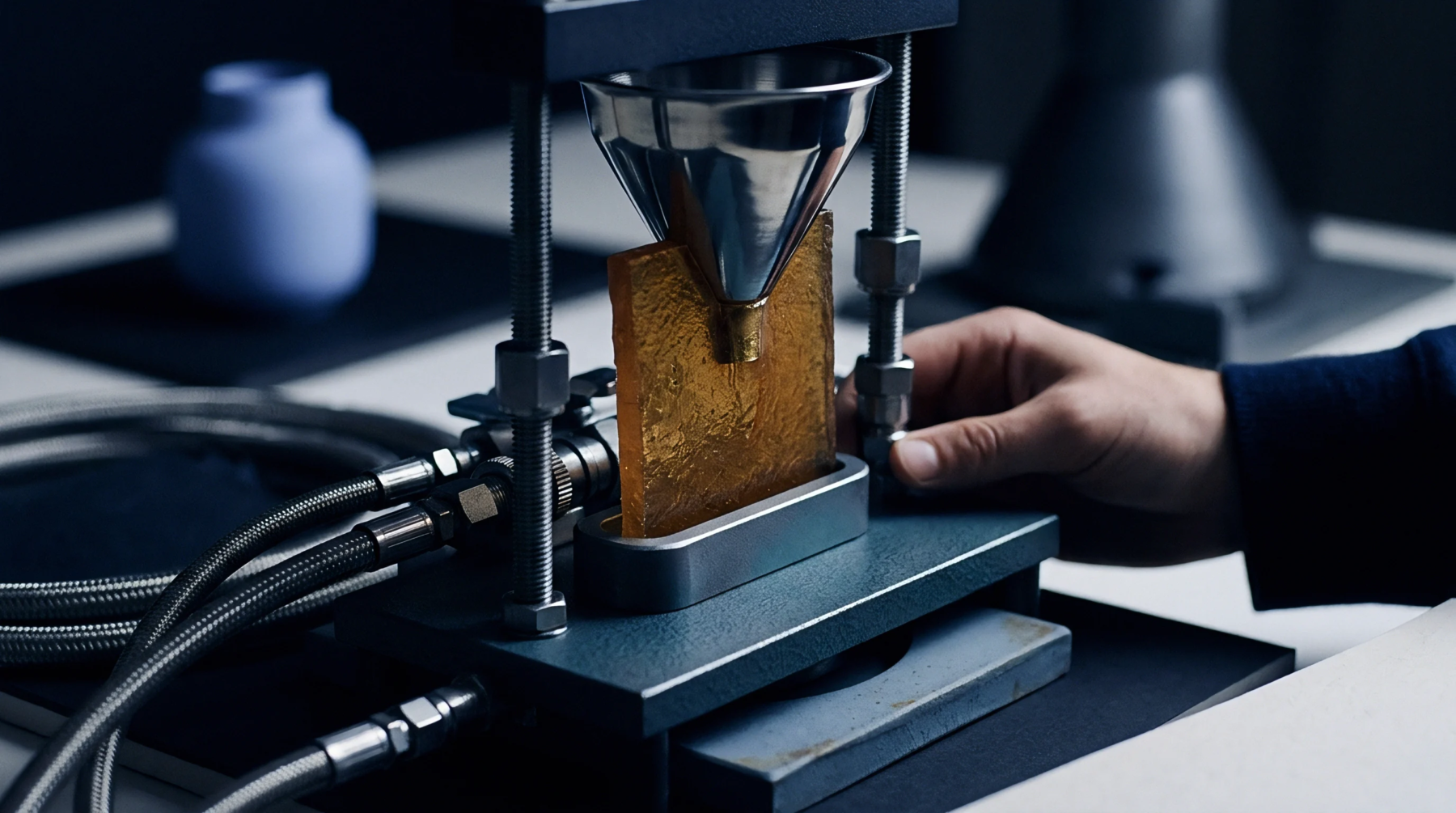
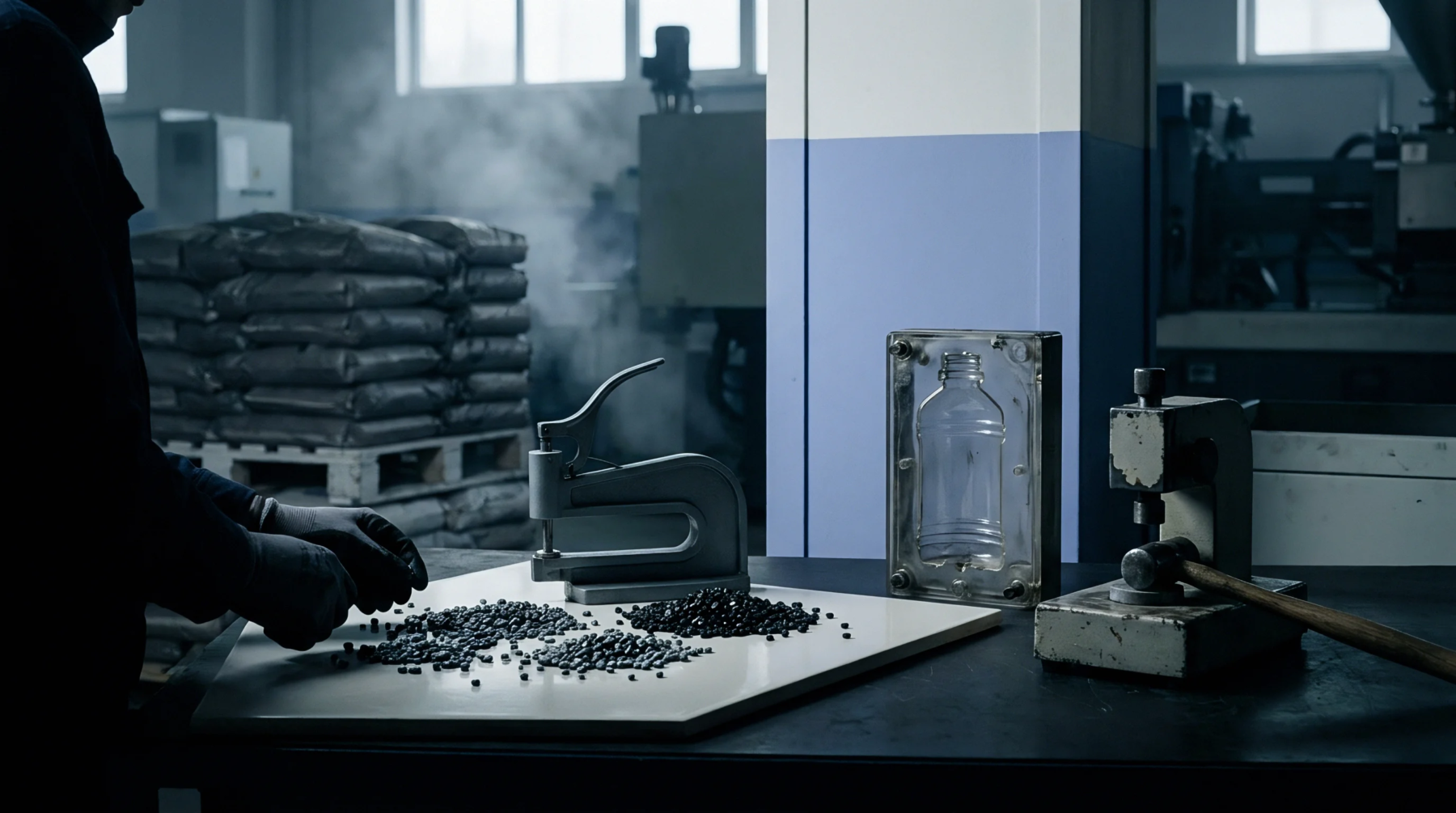
Polymeric materials undergo volumetric contraction after leaving the injection gate. Regrind content alters the baseline shrinkage behaviour compared to virgin polymer grades, requiring mould designers to adjust cavity dimensions accordingly. Wall thickness transitions within the geometry create differential cooling speeds, leading to localized warpage if the processing window drifts outside acceptable thermal limits.
Dimensional Accuracy
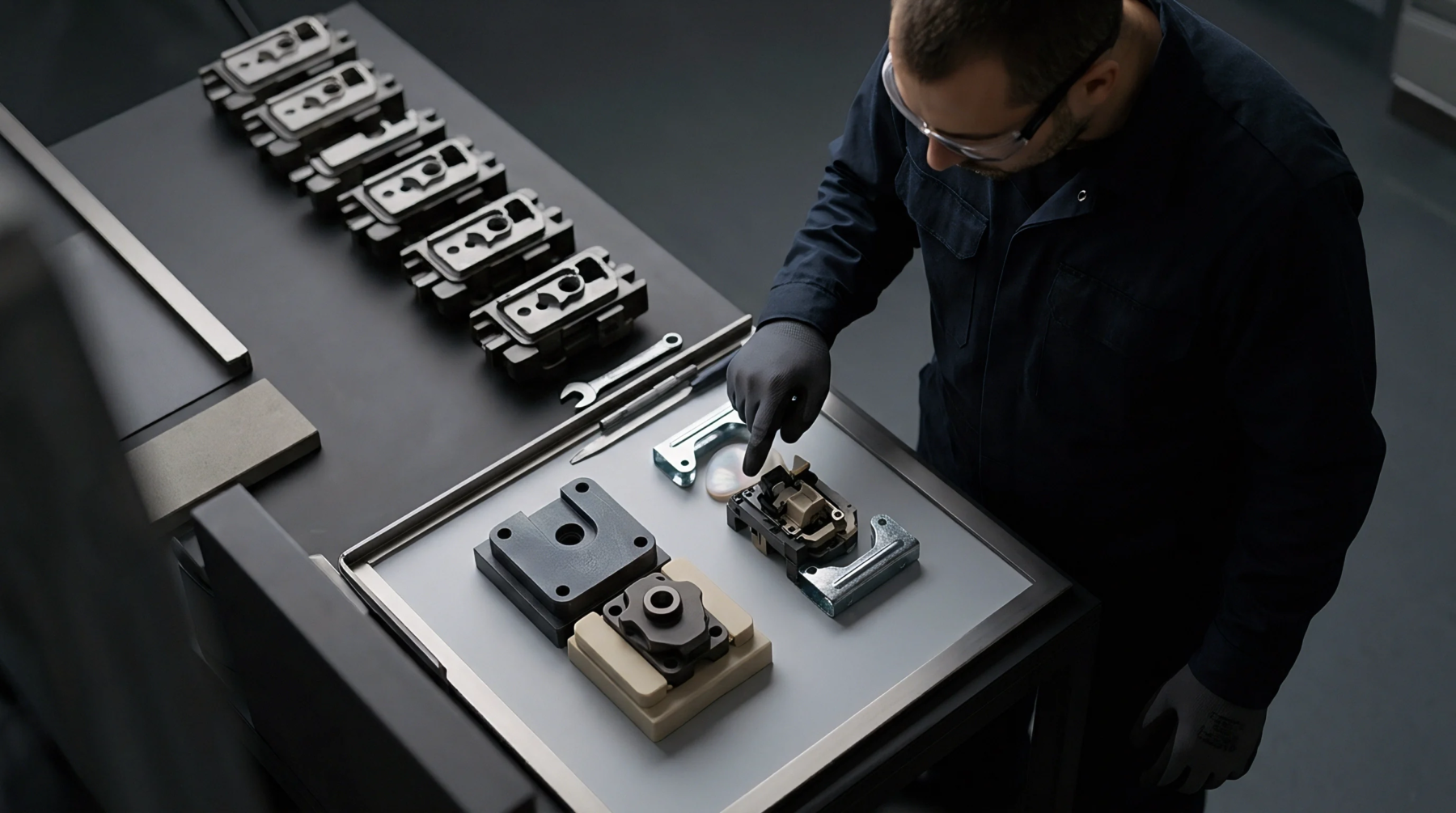
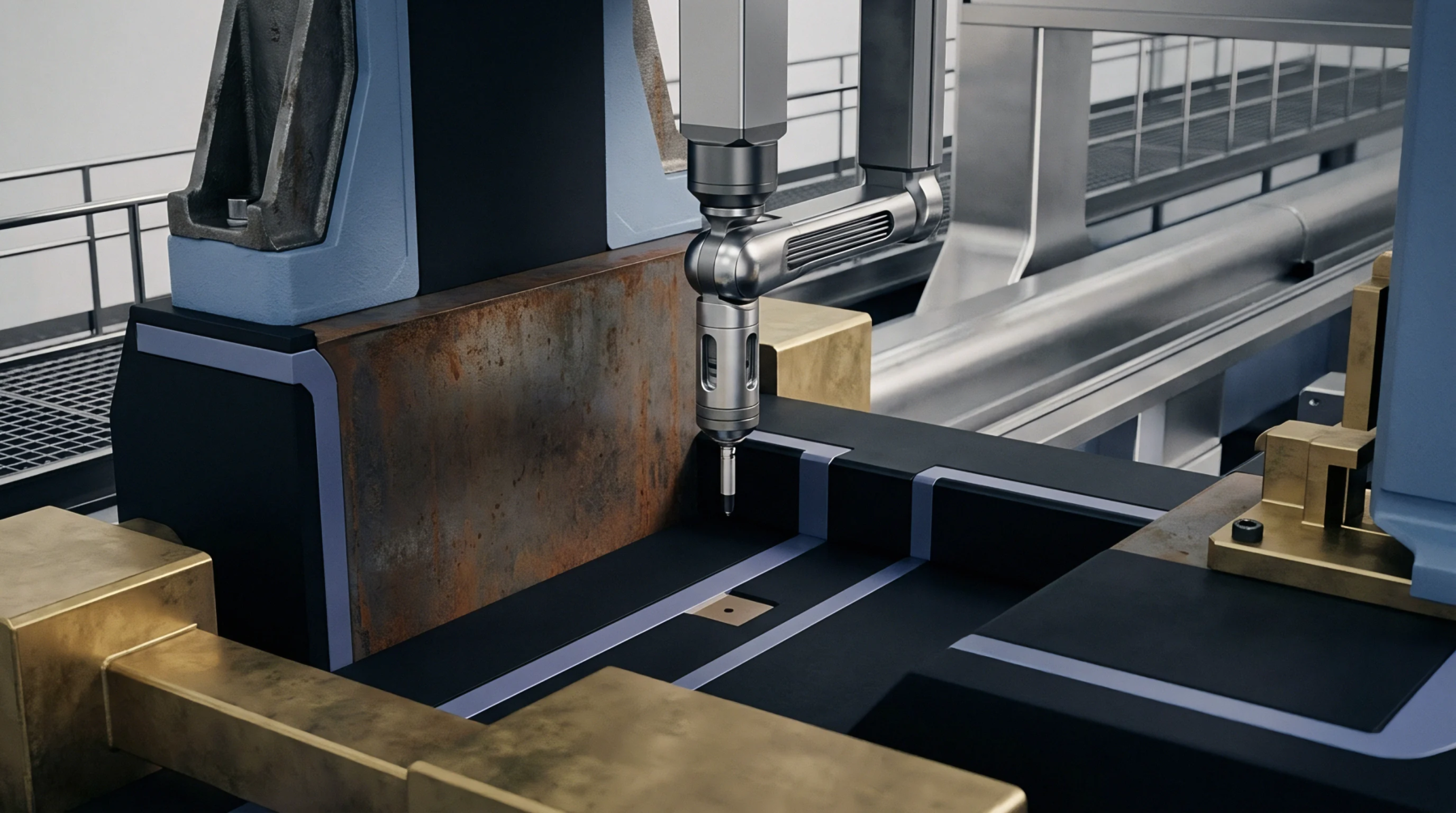
Part specifications differ fundamentally from raw material data sheets supplied by resin producers. Moulding machinery introduces shear stress and packing pressure variations that shift actual moulded dimensions away from nominal CAD geometry. Processors must verify first article inspections against prescribed tolerance classes to catch thermal distortion before mass production runs begin.
Tooling Economics
Quality deviations exceeding allowable limits generate high scrap rates and expensive mold rework cycles. Moulders balance clamping tonnage and cooling time parameters to hold tight tolerances without inflating cycle times beyond commercial viability. Tool inserts modified to correct shrinkage errors incur financial penalties and delivery delays for the purchasing organization.