Meaning
Electromagnetic field strength decays exponentially as induction currents travel deeper into a conductive material. Skin depth defines this distance where the current density falls to approximately thirty-seven percent of its surface intensity. Higher frequencies force current toward the exterior of a conductor, restricting the effective cross-sectional area for electron flow.
This phenomenon dictates the ohmic losses observed in high frequency heating and inductive processes within metallic parts.
Material Resistance
Induction heating relies on this characteristic to determine how quickly a component reaches processing temperatures. The skin depth of a specific metal changes according to the frequency of the power supply and the magnetic permeability of the target object. Higher electrical resistivity increases the effective layer thickness while higher frequency settings cause the zone to shrink.
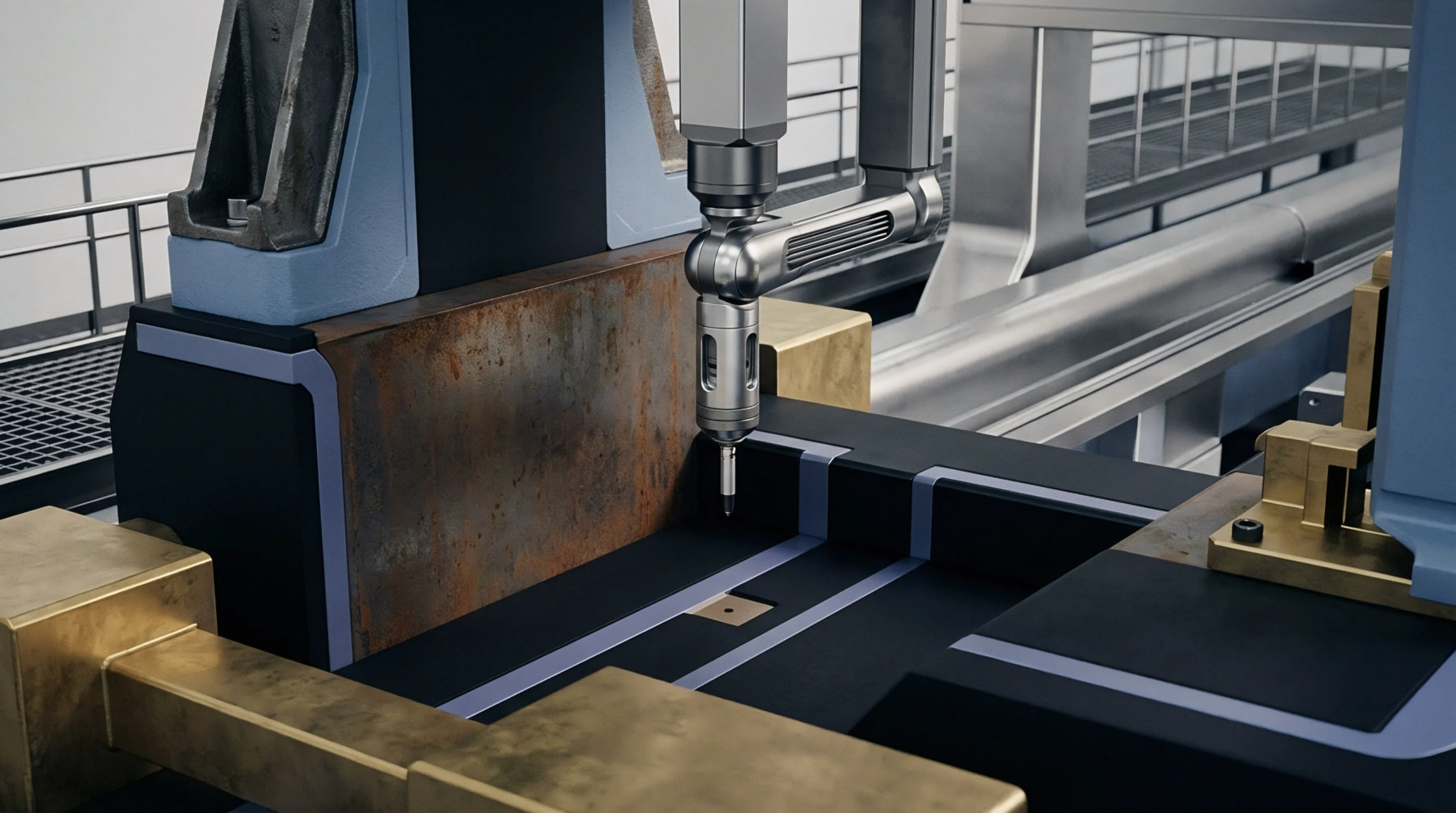
Moulders utilizing induction heating for rapid cavity surface temperature control must match the frequency to the wall thickness of the tool. Achieving uniform heat distribution requires balancing these parameters to avoid thermal gradients that threaten part dimensions.
Processing Consistency
Precise control over frequency modulation prevents uneven heating during cycle runs. A variance in the depth of current penetration affects the energy transfer rate, often leading to inconsistent cooling times across a cavity. Manufacturers manage this variable by locking in specific power settings for each tool design to maintain stable output.
Deviating from these settings results in unpredictable thermal profiles that manifest as surface finish irregularities or localized degradation of the polymer. Maintaining a stable current path keeps the heat zone within the required boundary for optimal flow.
Operational Efficiency
Energy efficiency drops when the frequency setting fails to align with the conductive profile of the mould. Excessively low frequencies penetrate too deeply and draw energy into the bulk of the steel rather than heating the surface layer. This unnecessary bulk heating increases cycle times and wastes electricity while hindering the response speed of the heating system.
Effective setups concentrate thermal energy exactly where the molten resin contacts the tool wall to improve cycle throughput. Correct application of these principles optimizes the thermal cycle for high volume production.