Meaning
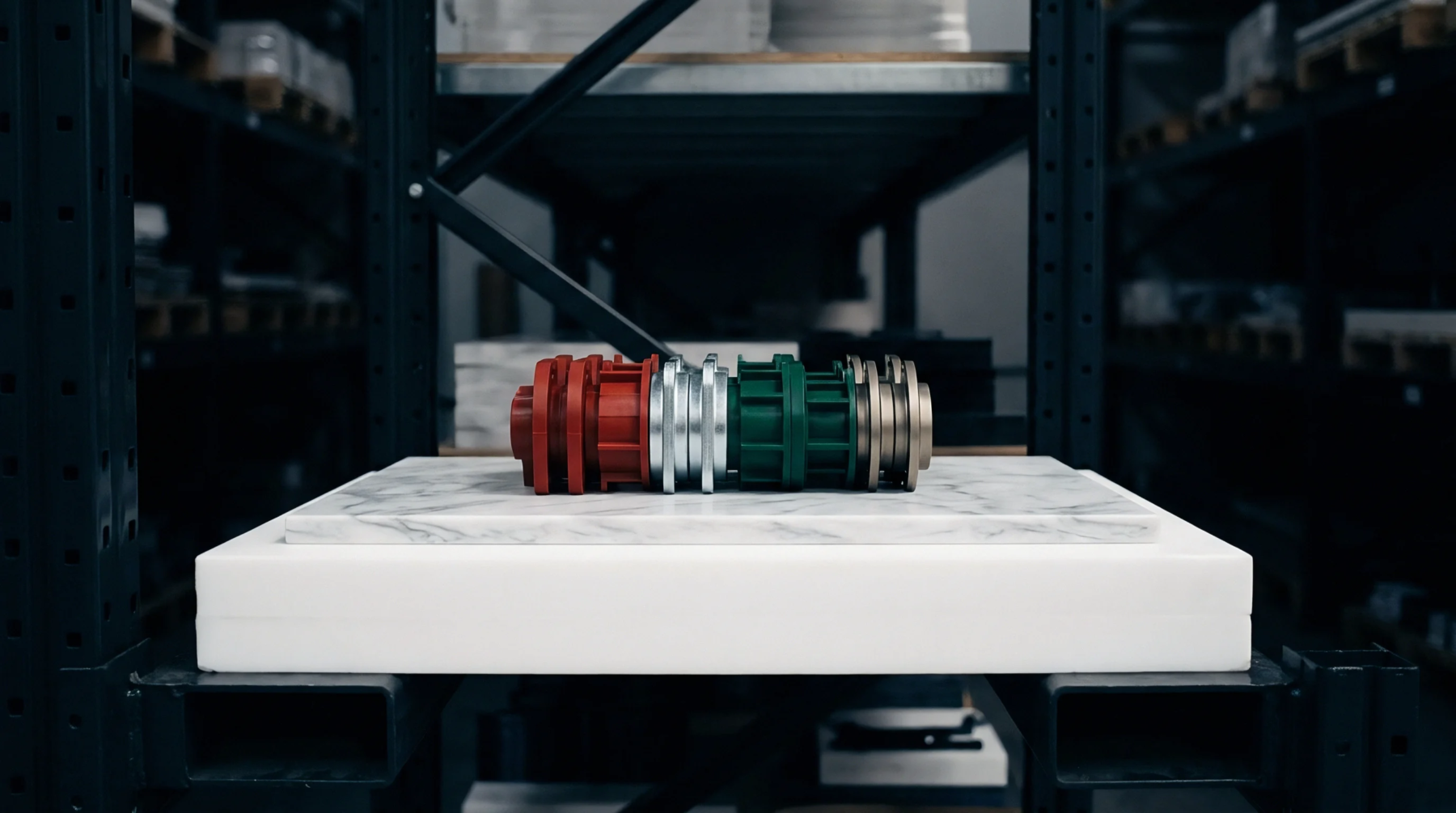
Dimensional contraction discrepancies between dissimilar materials subjected to identical temperature variations create internal mechanical stresses and interface joint failures. Managing thermal expansion mismatch is critical when overmoulding metal inserts with engineering thermoplastics, as cooling polymers shrink far more than steel or brass components. Coefficients of linear thermal expansion dictate how much each material shifts during melt cooling cycles.
Uncompensated expansion differences lead to part warping, insert loosening, or micro-cracking around metal pins.
Differential Contraction
Volumetric shrinkage variations between resin matrixes and metal substrates induce intense hoop stresses around embedded brass bushings. Ignoring thermal expansion mismatch during plastic component design causes structural micro-cracking around sharp insert edges. Molders preheat metal inserts before injection to minimize thermal gradients.
Controlled cooling reduces internal residual stresses.
Insert Moulding
Metal insert encapsulation with semi-crystalline resins like polyamide demands precise wall thickness ratios to withstand shrinkage stresses without splitting. Severe thermal expansion mismatch causes plastic housings to crack during room temperature storage or thermal cycling tests. Wall thickness around metal inserts must be sufficient to absorb shrinkage forces.
Material selection balances thermal coefficients.
Tooling Clearance
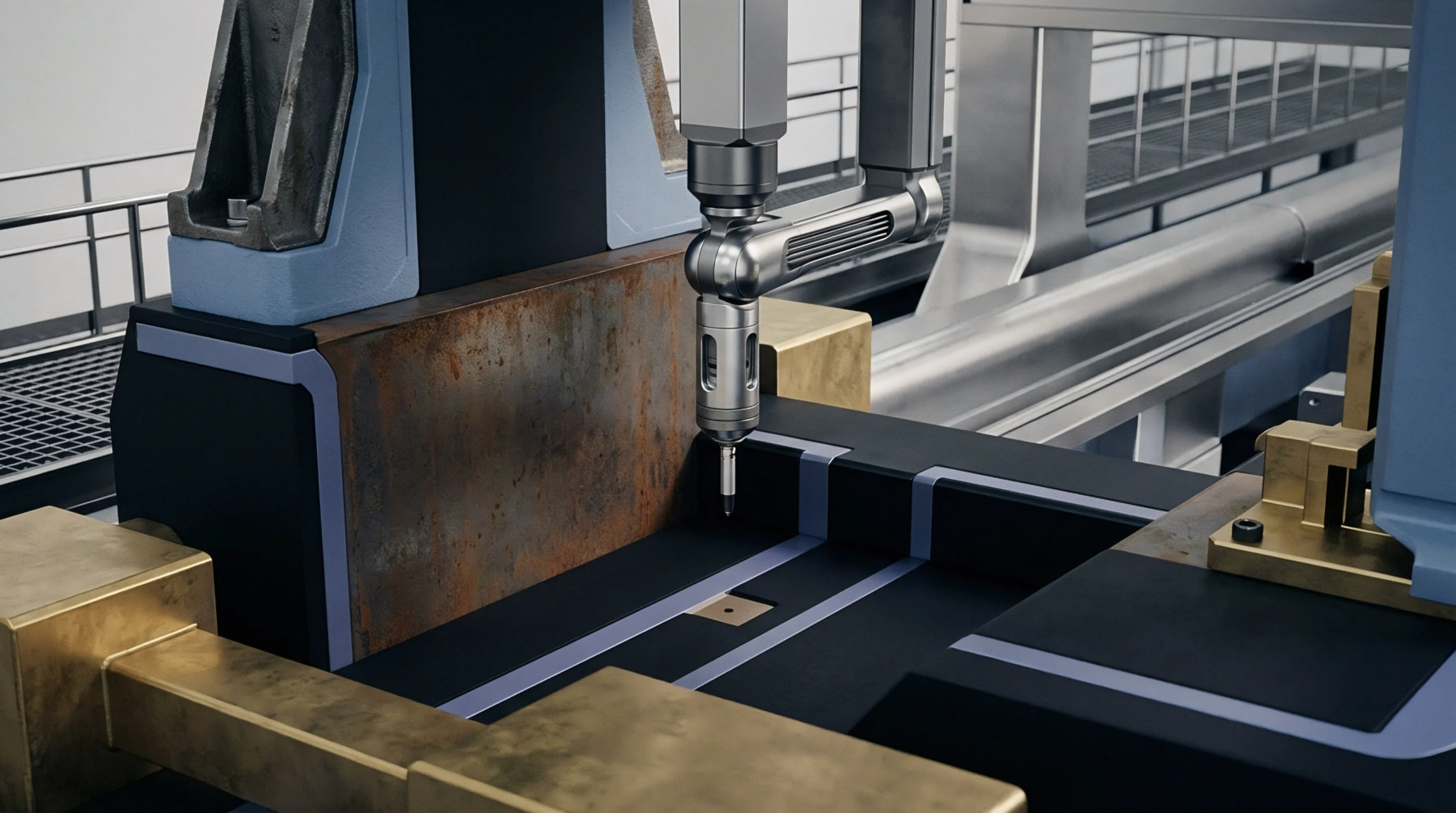
Core and cavity steel choices must match plate expansion rates inside large multi-cavity injection moulds operating at high temperatures. Unmanaged thermal expansion mismatch between mould base plates and cavity inserts causes guide pin binding during high-temperature moulding cycles. Toolmakers select matched steel alloys for core and cavity plates.
Uniform thermal expansion maintains alignment.