Meaning
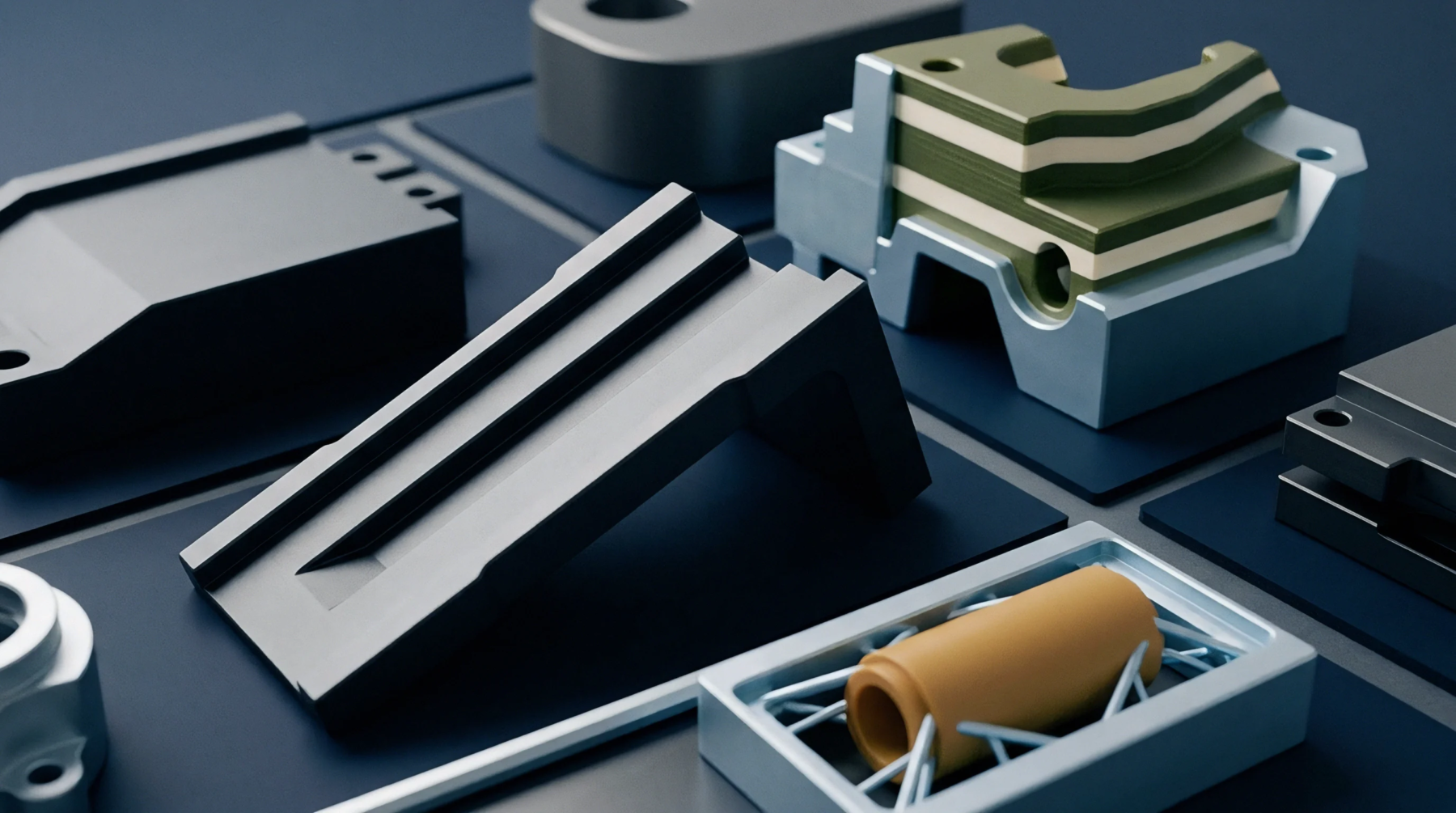
Structural bonding mechanism where a liquid or soft material flows into the microscopic pores and undercuts of a solid substrate. This micro interlocking provides the primary strength in overmoulding and structural adhesive applications. It creates a mechanical anchor that resists peeling and shear forces at the interface.
Surface Preparation
Creating a rough surface on the primary part through plasma treatment or mechanical abrasion increases the available sites for bonding. Effective micro interlocking requires the second material to have a low enough viscosity to penetrate these tiny crevices. Without sufficient wetting, the two materials will separate easily under load.
Advanced laser etching can create specific undercut geometries that lock the second shot into place more securely than random pitting.
Moulding Variable
High injection pressure forces the molten polymer into the surface irregularities of the insert or first shot. This improves the density of the micro interlocking and eliminates air gaps that could weaken the bond. Correct timing of the second shot ensures the first material is at the right temperature to accept the anchor points.
Adhesion Failure
Differences in thermal expansion between the two materials can snap the microscopic bridges formed during cooling. When the parts shrink at different rates, the micro interlocking is subjected to internal tension. Using materials with similar shrink rates prevents the joint from failing during storage or use.