Meaning
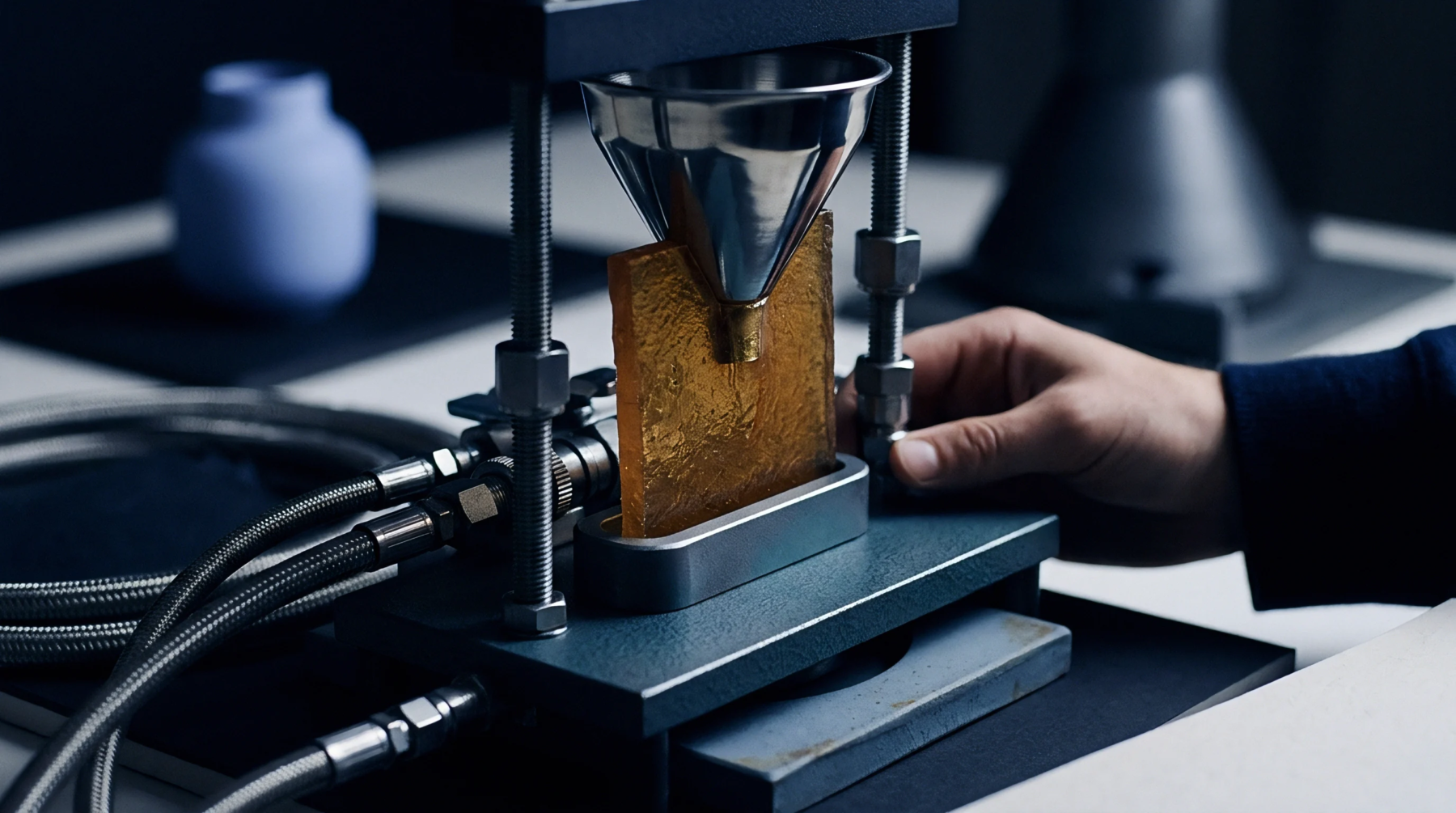
Microscopic geometric elements on a molded part where the height or depth is significantly greater than the width of the feature. Achieving high aspect ratio micro-features requires precise thermal management and rapid injection velocities to prevent premature solidification of the polymer melt. Such designs are common in optical lenses or microfluidic chips, where precise shape replication dictates functional performance.
Replication Success
Solidification of the melt before it fills the extremities of the micro-cavity causes incomplete feature replication. When the melt temperature drops below the transition point, flow terminates instantly. Incorporating high aspect ratio micro-features into a part necessitates the use of high-flow resins such as polycarbonate or polymethyl methacrylate to fill the cavities.
Mold Release
Ejection forces rise dramatically when the surface area of the microscopic structures is large. If the draft angle is insufficient, the structures will shear or distort during mold opening. Using specialized coatings such as diamond-like carbon on the core insert reduces friction and protects the micro-structures from damage during the ejection phase.
Tool Wear
Erosion of the micro-cavities by the polymer melt can degrade the quality of the molded features over time. This wear leads to loss of dimensional precision. Consequently, the tool requires frequent inspection.