Meaning
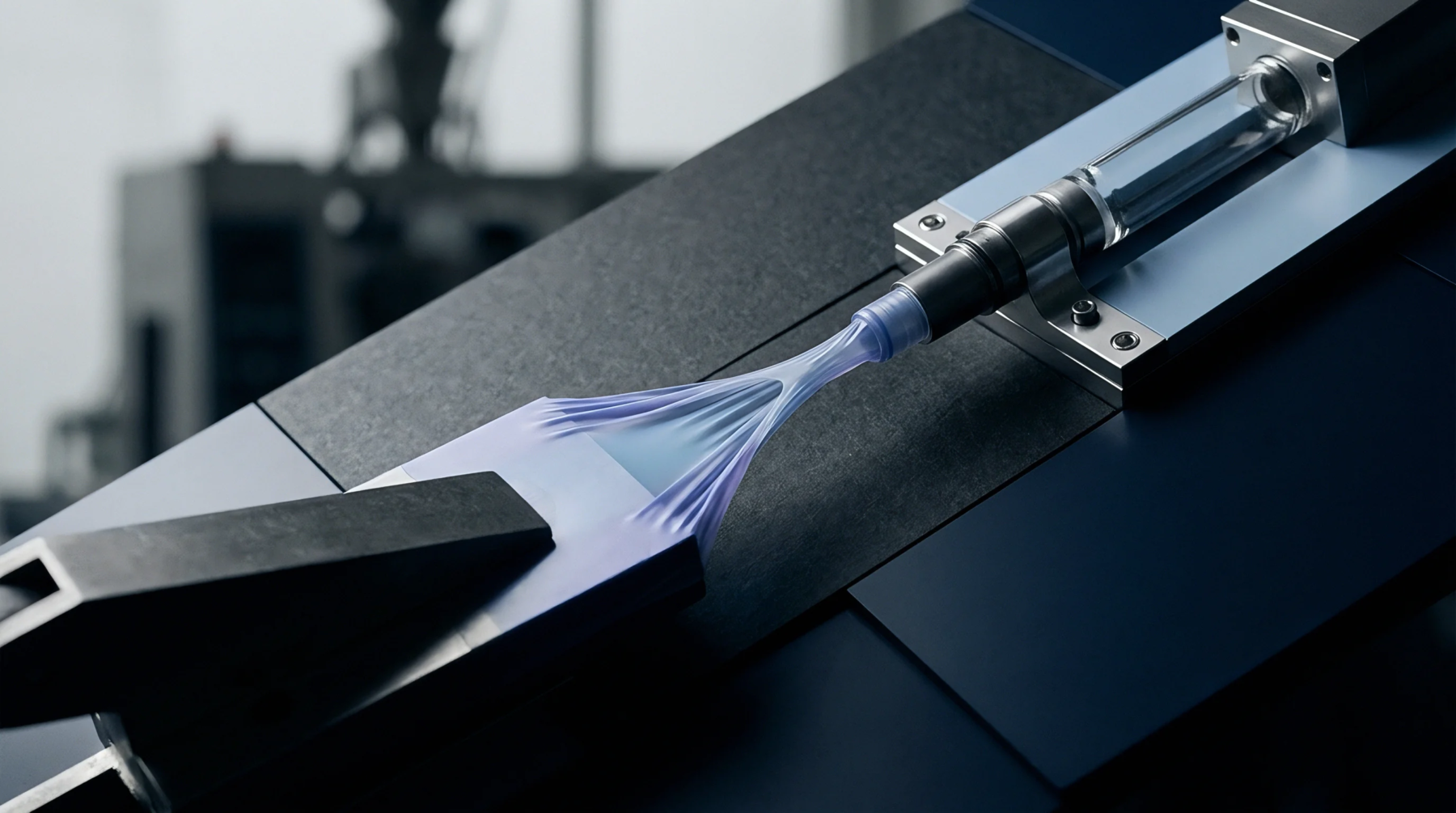
Surface degradation mechanics defines the progressive formation of network micro-cracking across a metallic tool face caused by alternating thermal expansion and contraction cycles. The defect pattern heat checking appears on injection moulds, die-casting cavities and extrusion sizing dies subjected to severe cyclic heat transfer between molten feedstock and cooler mould steel. Constrained thermal strain generates alternating surface compressive stresses during melt contact and tensile stresses during cooling, driving plastic fatigue cracking over thousands of shots.
The condition applies to metallic tooling surfaces operating under dynamic thermal gradients. It ceases to describe surface failure when wear is driven entirely by mechanical abrasion, solid-particle erosion or monotonic mechanical overload.
Thermal Mechanics
Molten polymer injects into the mould at temperatures up to 380 degrees Celsius, instantly superheating the outermost microscopic layer of the steel cavity. The hot surface expands against the rigid, cooler backing steel, driving the surface into plastic compression. Subsequent cooling and part ejection cause rapid surface contraction, reversing the strain field into high residual tension.
This cyclic hysteresis loop drives thermal fatigue crack initiation at microscopic machining grooves, grain boundary carbides or electrical discharge machining white layers. Continued thermal cycling deepens the fissure network, propagating cracks perpendicularly inward from the cavity surface along cellular paths.
Part Consequences
Moulded components produced in tools degraded by heat checking exhibit visible web-like raised lines across their surface finish. These ridges destroy optical properties on transparent polycarbonate components and cause aesthetic rejections on automotive exterior fascias. Molten plastic enters the microscopic steel fissures under high injection pressures, mechanically interlocking the cured part inside the cavity.
Ejection forces spike dramatically, bending slender ejector pins and inducing high demoulding stresses that leave white stress marks on polymer surfaces. Parting lines afflicted by thermal cracks lose their seal, allowing low-viscosity resins such as liquid silicone or nylon to flash excessively.
Mitigation Costs
Tooling engineers combat thermal cracking by specifying premium remelted hot-work steels with elevated impact toughness, such as 1.2343 or maraging grades. Installing conformal cooling channels via additive manufacturing maintains steady surface temperatures, lowering the magnitude of the thermal gradient. Thermal surface coatings, including physical vapour deposition titanium aluminium nitride, act as thermal barriers that delay micro-crack formation.
Tool shops face substantial refurbishing costs when network cracks deepen beyond polishable depths, necessitating full cavity electrical discharge machining or laser cladding restoration. Skipping preheating protocols prior to running high-temperature resins such as polyetherimide halves the shot count before thermal micro-cracking appears.