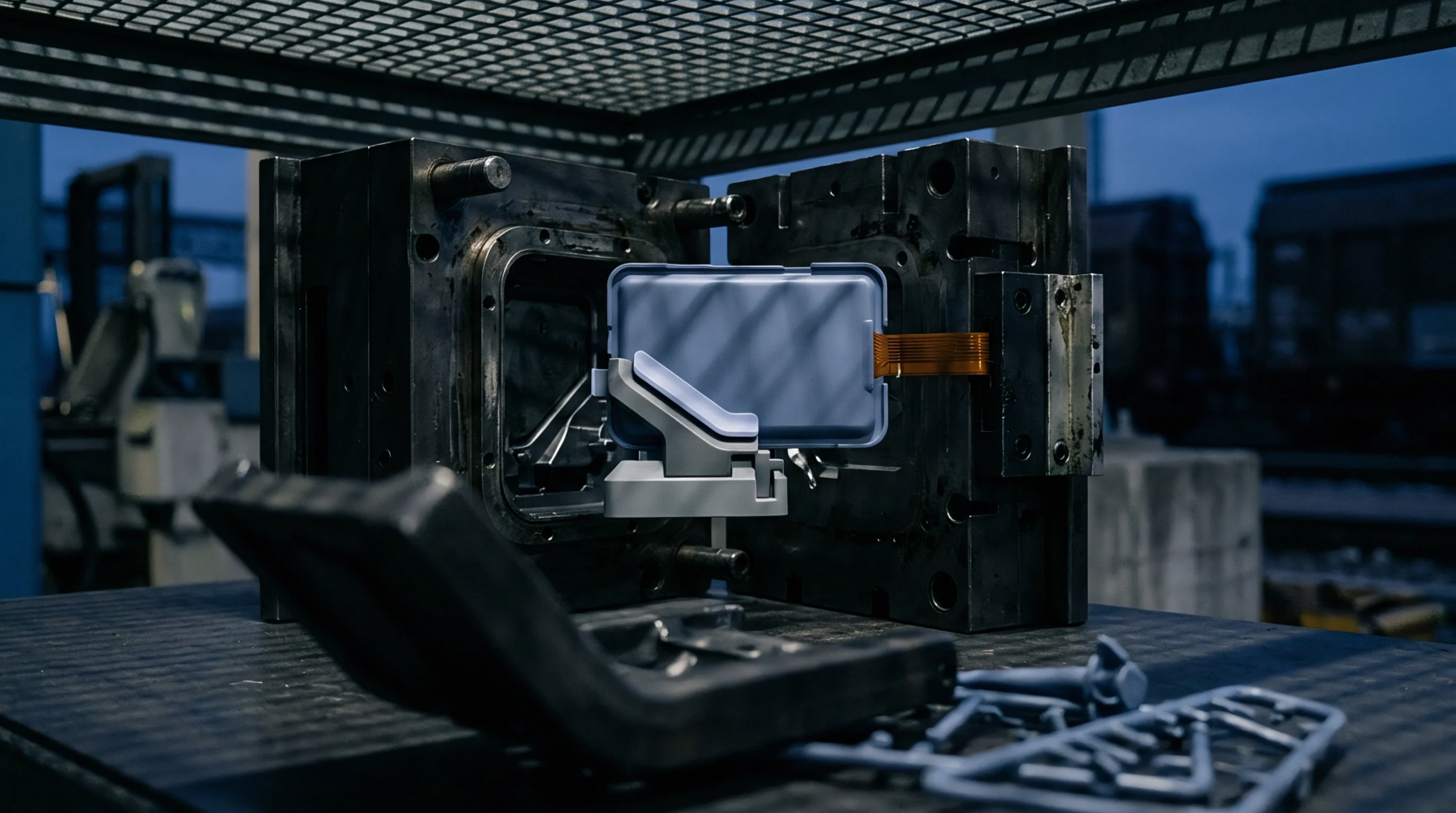
Quantifying Inter Cavity Thermal Drift Rates in High Cavitation Tool Steel Assemblies
Inter-cavity thermal drift in high-cavitation steel tooling shifts part dimensions; turbulent coolant flow and conductive inserts eliminate temperature spreads.
Inter-cavity thermal drift in high-cavitation steel tooling shifts part dimensions; turbulent coolant flow and conductive inserts eliminate temperature spreads.
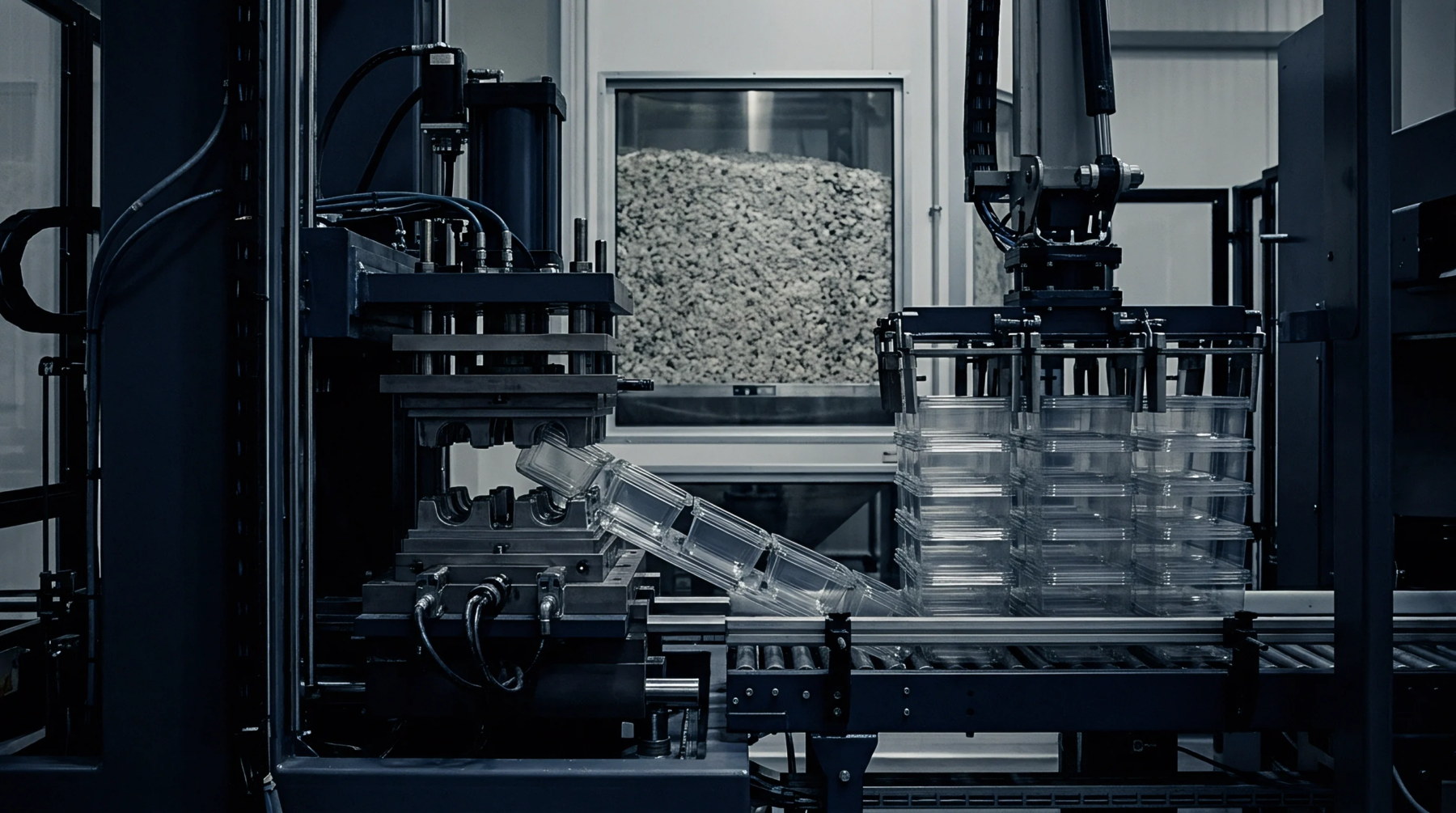
High-volume injection moulding baseline tooling demands martensitic stainless or pre-hardened steels matched to polymer abrasiveness and cycle volume.
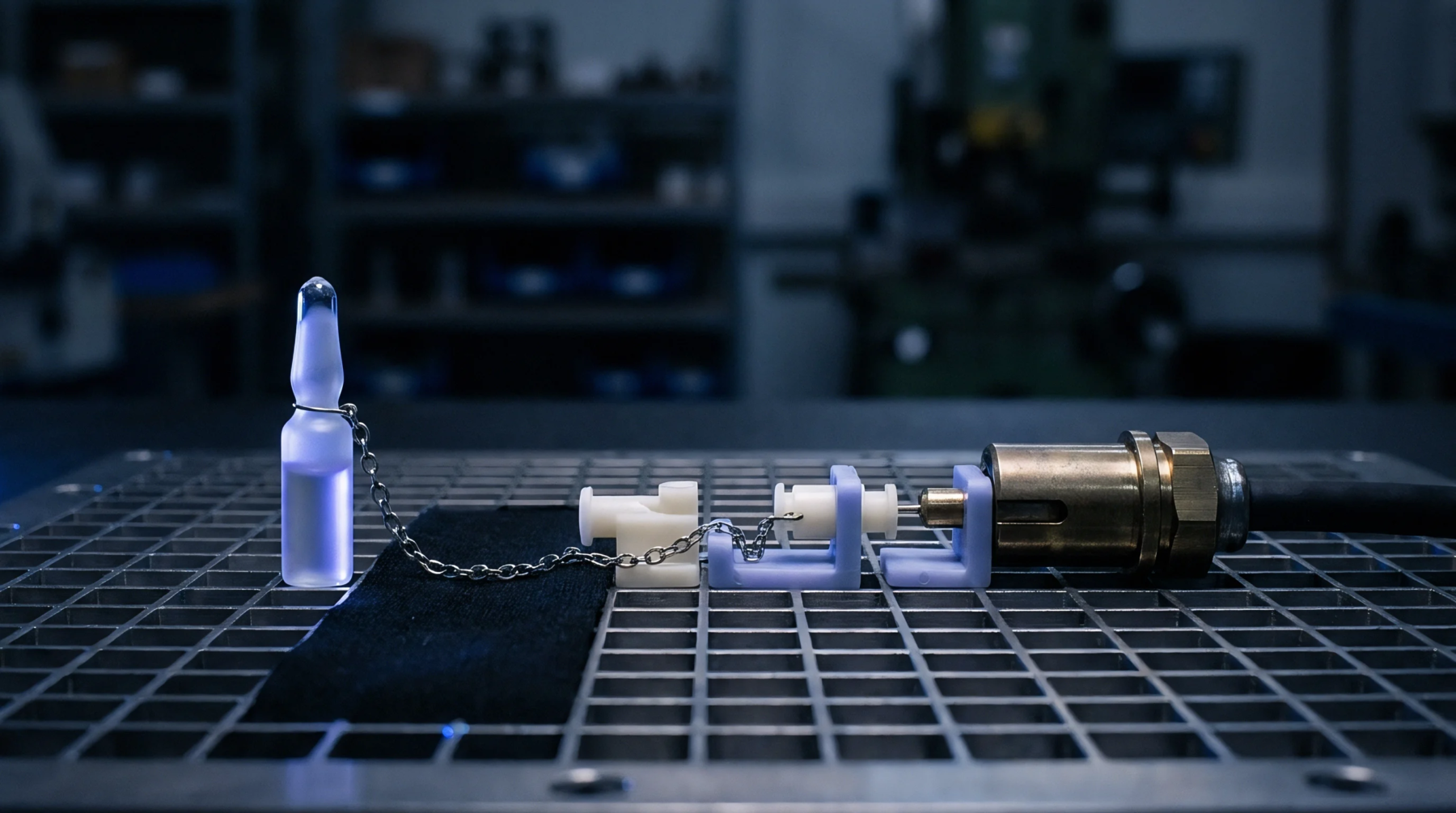
Quantifying polymer melt erosion across tool steels requires balancing matrix shear rate and substrate carbide fraction to extend insert operational life.

Match tool steel hardness and chemistry directly to committed shot counts and resin abrasiveness to prevent premature cavity failure and tooling cost overruns.
Cooling circuit design dictates actual injection cycle time; quotes assuming unrealistically fast cooling cause part warpage or forced piece-price increases.
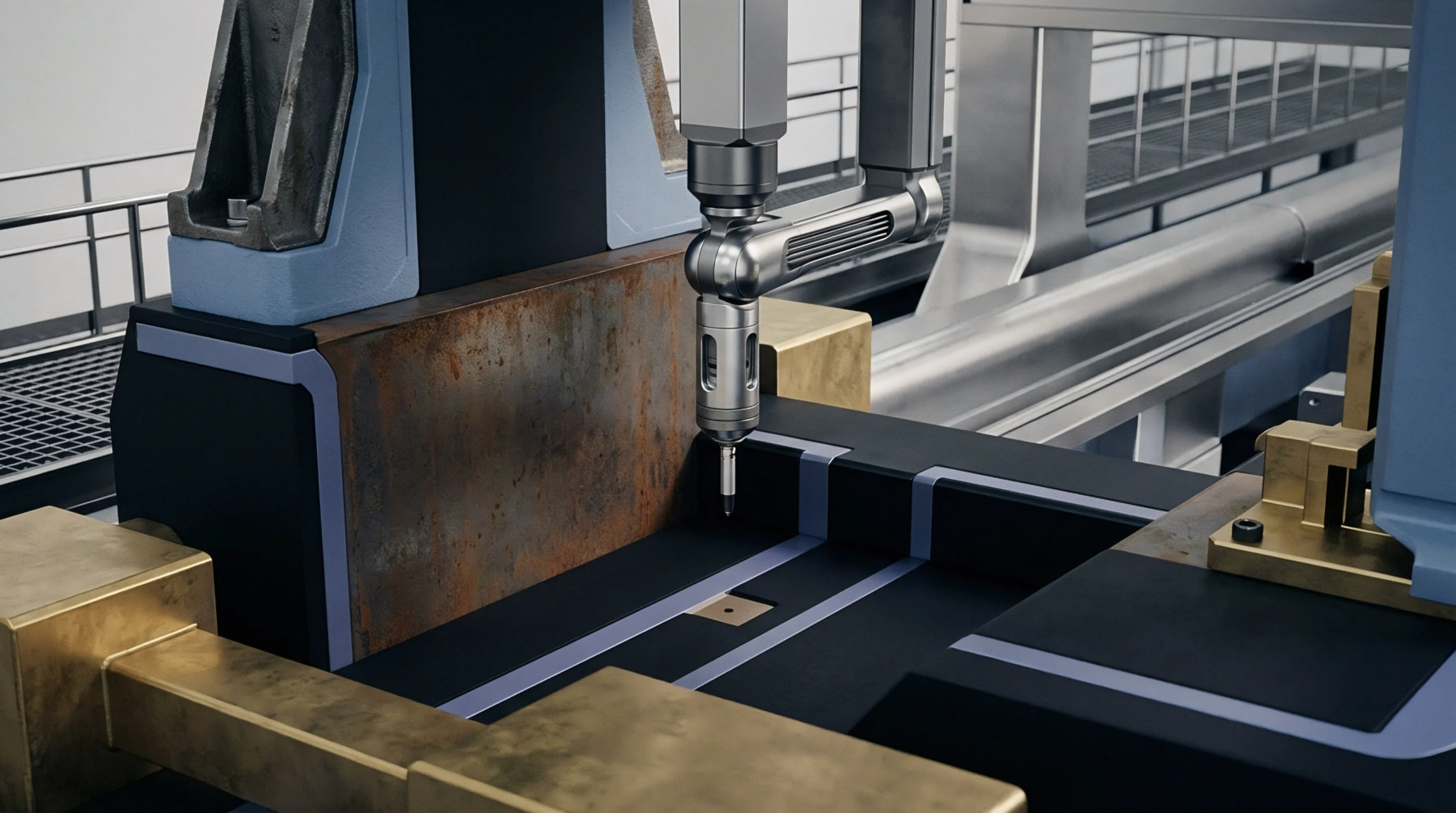
Mitigating RF loss in tool steel waveguides requires multi-layer copper plating exceeding three skin depths over sub-micron ground or electroformed split-block cavity inserts.
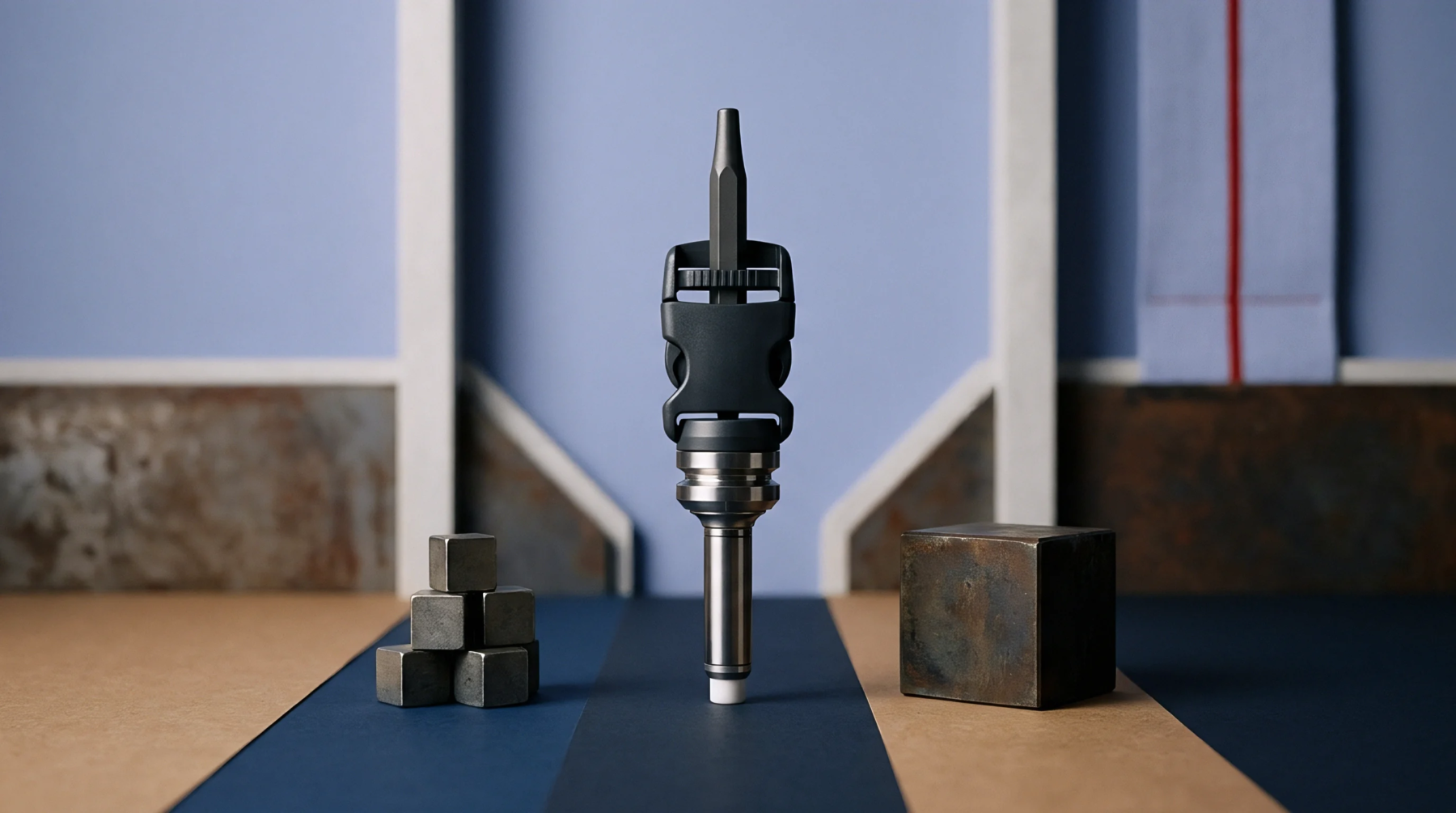
Non-uniform tool steel thermal expansion creates spatial cavity temperature deltas that drive measurable dimensional drift across multi-cavity molds.

Managing tool steel modifications during qualification requires steel-safe initial tolerances, controlled additive or subtractive machining, and CAD-matched logging.

Verify hardened steel tool cavity topography using ISO 25178 areal parameters and filtered coherence scanning interferometry to guarantee polymer part release.

Statistical process control tracking of parting line wear prevents mold shutoff hobbing and reduces plastic part flash scrap.
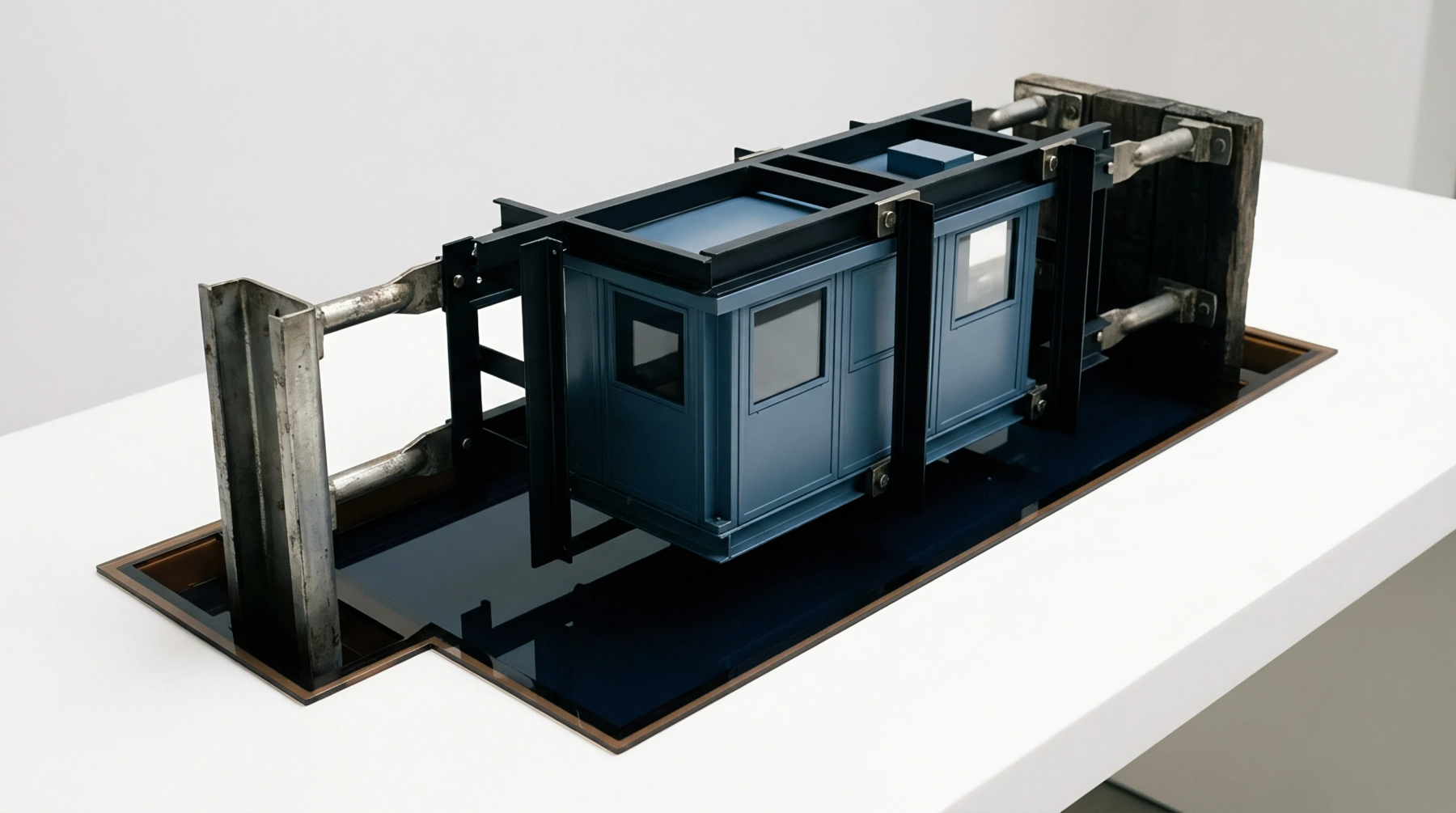
Physical mold tagging combined with tripartite bailment contracts secures cross-border recovery of subcontracted hardened tooling during press shop insolvencies.
Expertise is a utility, not a secret. sentiention™ publishes its working knowledge as open reference: intelligence layer covering the materials it sources, the markets it enters, and the reference that serves both.